Important: This page is for informational purposes only, based on published peer-reviewed research and official UK dietary guidelines (NHS, EFSA, SACN). It does not constitute medical advice. Always consult your GP or pharmacist before starting, stopping, or combining supplements.
Copper and Vitamin C — Can You Take Them Together?
Overview
Copper and Vitamin C are both essential micronutrients found in many multi-supplement stacks, yet their interaction at high doses is frequently overlooked. Copper is a trace mineral integral to enzymatic function, immune health, and connective tissue formation, whilst Vitamin C remains one of the most widely taken supplements in the UK. Research suggests that routine Vitamin C supplementation poses little risk to copper status for most adults. However, megadose users — those consuming 1,500mg or more daily — may experience reduced copper absorption over time. Understanding the biochemistry behind this interaction helps inform more strategic supplementation decisions.
How They Interact
The interaction between Vitamin C and copper centres on the redox chemistry of ascorbic acid in the gastrointestinal tract. Copper exists in two ionic states — Cu²⁺ (cupric) and Cu⁺ (cuprous) — and its absorption across intestinal epithelial cells is mediated primarily via the copper transporter CTR1, which preferentially transports the reduced Cu⁺ form. Ascorbic acid, as a potent reducing agent, is capable of converting Cu²⁺ to Cu⁺. At high concentrations in the gut lumen, this reduction may proceed at a rate that affects normal absorption dynamics. A secondary mechanism involves ceruloplasmin, a copper-containing ferroxidase enzyme responsible for circulating copper transport and iron oxidation. Finley and Cerklewski (1983, Am J Clin Nutr) demonstrated that 1,500mg/day of ascorbic acid over 64 days significantly reduced both ceruloplasmin activity and serum copper concentrations in healthy young men, suggesting impaired hepatic copper loading rather than a purely intestinal effect. Individual responses may vary depending on baseline copper status, overall dietary intake, and the specific form of Vitamin C consumed.
Timing & Dosage Guidance
For most adults taking standard Vitamin C doses up to 1,000mg/day, separating doses from copper supplementation is unlikely to be necessary. Research suggests that for those using megadose ascorbic acid (1,500mg or above), a separation of two to four hours between Vitamin C and copper supplements may theoretically reduce competitive interactions at the gut lumen. Taking copper with meals — particularly foods naturally rich in copper such as nuts, seeds, or wholegrain cereals — may provide a dietary matrix that partially buffers the reducing effects of ascorbic acid. A practical approach for high-dose Vitamin C users is to take Vitamin C with breakfast and copper supplementation with an evening meal.
The UK Nutrient Reference Value (NRV) for Vitamin C is 80mg/day, with the NHS advising no more than 1,000mg daily from supplements to avoid adverse gastrointestinal effects. For copper, the NRV is 1mg/day, with EFSA setting the upper tolerable intake at 5mg/day for adults. At Vitamin C intakes up to 1,000mg, research indicates the risk of clinically meaningful copper depletion is low for most adults following a varied diet. The primary concern emerges at sustained doses of 1,500mg/day or above. Individuals relying heavily on supplements rather than dietary sources for copper — particularly those avoiding nuts, seeds, liver, and shellfish — may be more vulnerable to this interaction. Individual responses may vary based on baseline micronutrient status.
Recommended Action
At typical supplement doses (up to 1000mg), this interaction is unlikely to be significant. Megadose users may benefit from periodic copper status checks.
Copper Timing
When: Any
Note: Take with food. Must balance with zinc — high zinc intake depletes copper. Typical ratio: 15 mg zinc to 1-2 mg copper.
Vitamin C Timing
When: Any
Note: Water-soluble — can be taken any time. Split doses improve absorption at higher amounts.
Scientific Evidence
1 peer-reviewed study cited. All links lead to PubMed abstracts.
American Journal of Clinical Nutrition (1983) · PMID: 6364357
Supplementation with 1,500mg/day of ascorbic acid over 64 days significantly reduced ceruloplasmin activity and serum copper concentrations in healthy young men, providing the primary human evidence for this interaction.
Frequently Asked Questions
Research suggests that 1,000mg/day of Vitamin C — the upper limit the NHS advises from supplements — is unlikely to cause clinically meaningful reductions in copper status for most adults. The interaction becomes more relevant at doses of 1,500mg and above, sustained over several weeks or months. Adults consuming a varied diet that includes copper-rich foods such as nuts, seeds, and wholegrains should have sufficient dietary copper to provide a meaningful buffer. Individual responses may vary based on overall diet and baseline copper status.
Copper insufficiency is uncommon in adults eating a varied diet, but may present as persistent fatigue or changes in connective tissue integrity. Clinically, reduced ceruloplasmin activity and lower serum copper concentrations — detectable via blood tests arranged through a GP — are the most reliable objective markers. These presentations overlap with many conditions and are not diagnostic in isolation. If you are taking megadose Vitamin C long-term, periodic monitoring of copper status is a reasonable precaution. This content does not constitute medical advice, and individual responses may vary.
Ascorbic acid's reducing capacity is central to this interaction, and standard ascorbic acid carries the highest reducing potential in the gut lumen. Buffered forms such as sodium ascorbate are chemically identical once in solution. Liposomal Vitamin C is encapsulated in phospholipid vesicles, favouring lymphatic rather than intestinal absorption, which may partially bypass luminal redox chemistry. However, robust comparative human data specifically examining copper status across different Vitamin C formulations remain limited. No form should be assumed entirely free from this potential interaction at very high doses.
Top Copper Products on AIScored
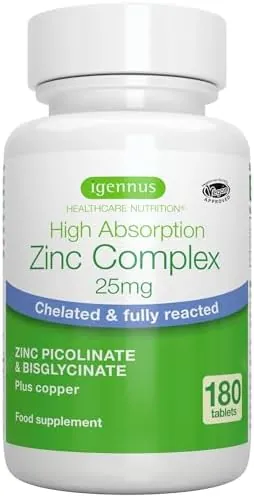
Igennus Clean Chelated Zinc Picolinate & Bisglycinate Complex 25mg with Copper, 6 Month Supply 180 Tablets, High Absorption & Lab Verified, Non-GMO, Supplement for Men & Women, Immune Support & Skin
Top Vitamin C Products on AIScored
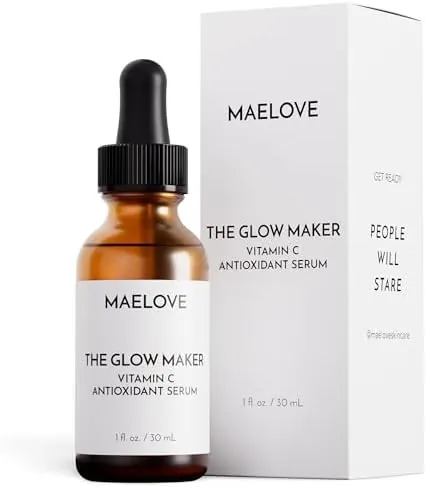
MAELOVE Vitamin C Serum, Glow Maker with Vitamins C, E, Ferulic Acid and Hyaluronic Acid, Fragrance-Free, Award-Winning Highlighting and Moisturizing Face Serum, 50 ml
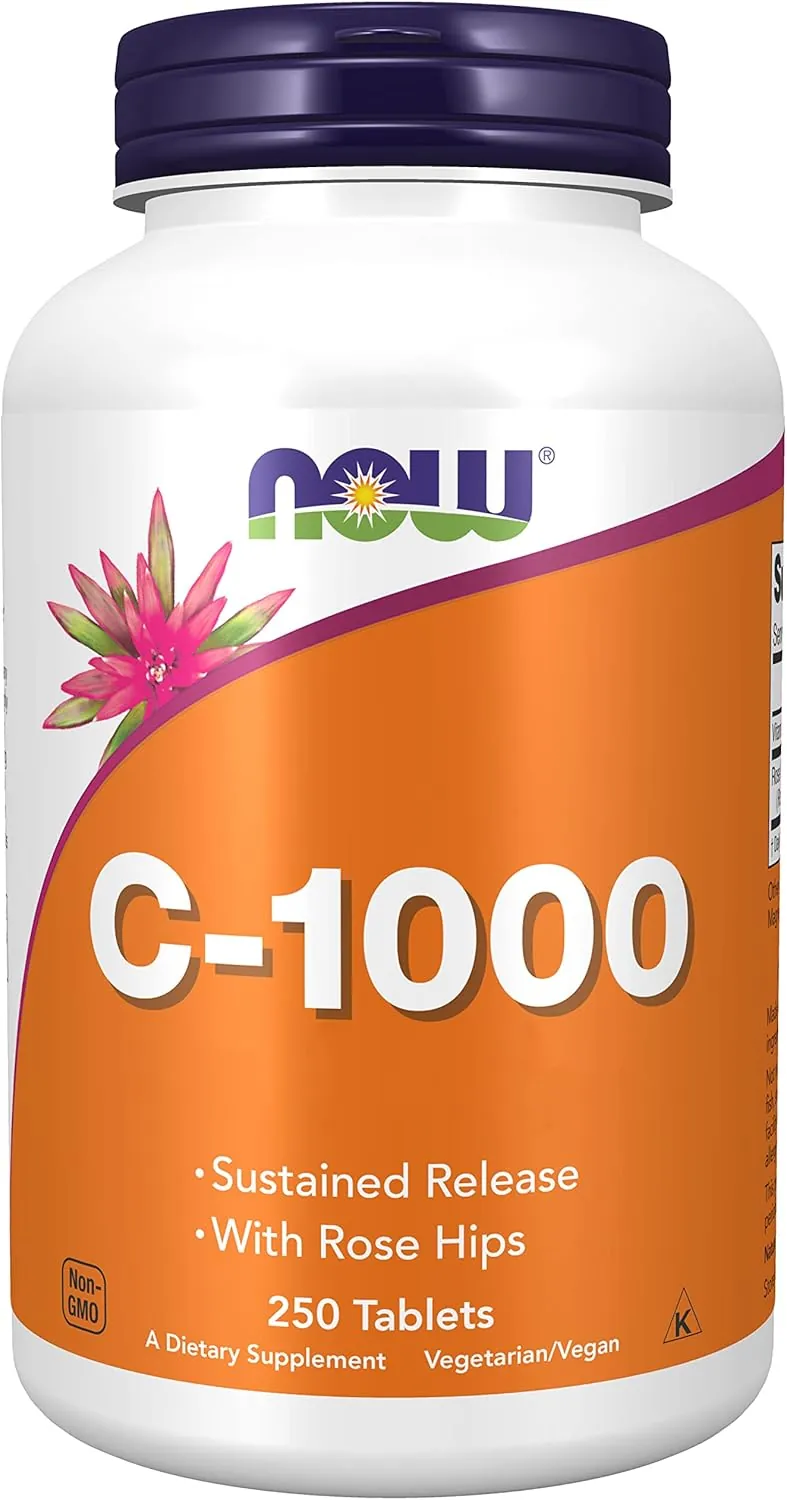
NOW Foods Vitamin C-1000 with Rose Hips & Bioflavonoids - 250 Tablets
Want to check more interactions?
Add these and other supplements to our interactive Stack Analyzer for a full analysis.
Build your full stack →