Important: This page is for informational purposes only, based on published peer-reviewed research and official UK dietary guidelines (NHS, EFSA, SACN). It does not constitute medical advice. Always consult your GP or pharmacist before starting, stopping, or combining supplements.
CoQ10 and Magnesium — Can You Take Them Together?
Overview
CoQ10 and magnesium are two of the most rigorously studied nutrients in the context of cellular energy production. Both are indispensable for the synthesis of adenosine triphosphate (ATP) — the body's primary energy currency — yet each operates through a distinct and complementary mechanism within the mitochondria. Research suggests that suboptimal levels of either nutrient may impair efficient energy generation, and that ensuring adequate intake of both supports more complete mitochondrial function. For individuals managing fatigue, exercise recovery, or cardiovascular wellbeing, this pairing represents one of the more scientifically grounded nutrient combinations available. Individual responses may vary depending on baseline nutritional status and health context.
How They Interact
CoQ10, present in its oxidised form (ubiquinone) and reduced form (ubiquinol), functions as a mobile electron carrier within the inner mitochondrial membrane. It shuttles electrons from complexes I and II to complex III of the electron transport chain, a process essential for generating the electrochemical proton gradient that powers ATP synthase. Magnesium operates at the terminal and equally critical step: it is an obligate cofactor for ATP synthase itself. Research published in the Journal of Biological Chemistry demonstrated that magnesium plays a pivotal role in forming the transition state during ATP synthesis, coordinating with inorganic phosphate at the catalytic beta-subunit (Ko et al., 1999; PMID 10506126). Additionally, ATP exists in biological systems almost exclusively as the Mg-ATP complex — magnesium stabilises the phosphate moieties of ATP, rendering it reactive for downstream enzymatic processes throughout the cell. A 2017 review in Oxidative Medicine and Cellular Longevity (Pilchova et al.; PMID 28757913) further confirmed that Mg²⁺ regulates multiple interdependent mitochondrial functions, including energy metabolism, mitochondrial calcium handling, and apoptosis signalling. CoQ10 and magnesium thus address two sequential and mutually dependent stages of mitochondrial ATP production — electron transport and ATP synthesis — making them functionally complementary.
Timing & Dosage Guidance
CoQ10 is fat-soluble and is most effectively absorbed when taken alongside a meal containing dietary fat; research indicates that bioavailability improves substantially under fed compared to fasting conditions. Magnesium is water-soluble and more flexible in timing — many individuals opt to take it in the evening, as forms such as magnesium glycinate and magnesium taurate are associated with relaxation without causing drowsiness. When combining both, taking them together with a fat-containing meal — such as dinner including oily fish, avocado, or olive oil — is a practical and evidence-consistent approach. No clinical evidence suggests competitive absorption or pharmacokinetic interaction between these two nutrients, making concurrent administration appropriate. Individual tolerability may guide final timing decisions.
The UK Scientific Advisory Committee on Nutrition (SACN) reference nutrient intake for magnesium is 300 mg per day for men and 270 mg per day for women. In clinical research, supplemental doses typically range from 100 to 400 mg per day of elemental magnesium, depending on estimated dietary shortfall. For CoQ10, no established dietary reference value exists; clinical trials most commonly use doses of 100 to 300 mg per day. Ubiquinol has been shown to offer superior bioavailability in older adults compared to ubiquinone. When combining both, selecting a bioavailable magnesium form — glycinate, citrate, or malate — rather than magnesium oxide, which has comparatively lower absorption, is advisable. Individuals prescribed statin medications should be aware that these drugs are known to reduce endogenous CoQ10 synthesis. Consult a GP or registered dietitian before commencing supplementation.
Recommended Action
These can be taken together with a meal. CoQ10 is fat-soluble, so a meal with some fat is preferred.
CoQ10 Timing
When: Morning
Note: Fat-soluble — take with a meal containing fat. Morning preferred as it supports cellular energy production. Statin users should especially consider supplementation.
Magnesium Timing
When: Evening
Note: Evening preferred — may promote relaxation. Take with food to reduce GI discomfort.
Scientific Evidence
4 peer-reviewed studies cited. All links lead to PubMed abstracts.
Journal of Biological Chemistry (1999) · PMID: 10506126
Magnesium plays a pivotal mechanistic role in ATP synthesis by coordinating with inorganic phosphate and repositioning structural elements at the ATP synthase catalytic site during transition state formation.
Oxidative Medicine and Cellular Longevity (2017) · PMID: 28757913
Mg²⁺ acts as a critical cofactor and regulator across multiple mitochondrial functions — including energy metabolism, calcium handling, and apoptosis — confirming its indispensable role in cellular bioenergetics.
JACC Heart Failure (2014) · PMID: 25282031
CoQ10 supplementation (300 mg/day) over two years significantly reduced major adverse cardiovascular events and all-cause mortality in 420 chronic heart failure patients compared to placebo.
American Journal of Clinical Nutrition (2014) · PMID: 25008857
Supplementation with 300 mg/day of bioavailable magnesium for 12 weeks significantly improved physical performance scores and exercise capacity in healthy older women compared to placebo.
Frequently Asked Questions
Research does not indicate any adverse interaction between CoQ10 and magnesium. They act via complementary pathways — CoQ10 in the electron transport chain and magnesium as a cofactor for ATP synthase — with no evidence of competitive absorption or metabolic conflict. Taking both with a fat-containing meal is a practical and well-tolerated approach. Those with existing health conditions or taking prescription medications should consult a GP before supplementing, as individual responses may vary.
Research suggests individuals with elevated mitochondrial demand — including those engaged in regular intense exercise, older adults experiencing age-related declines in CoQ10 biosynthesis, and those prescribed statins — may have particular reason to consider this combination. A landmark randomised trial demonstrated significant benefits of CoQ10 in cardiovascular contexts (Mortensen et al., 2014; PMID 25282031), while magnesium supplementation has been shown to support physical performance in older women (Veronese et al., 2014; PMID 25008857). Individual responses may vary.
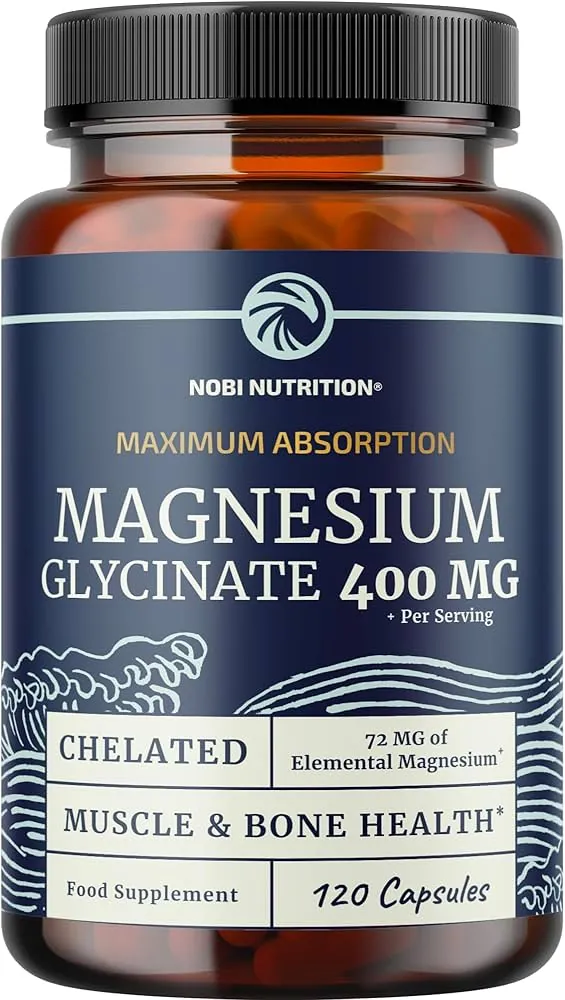
Research suggests that magnesium form significantly influences bioavailability. Magnesium oxide has comparatively low absorption, while glycinate, citrate, and malate forms demonstrate superior uptake. When supporting mitochondrial energy production alongside CoQ10, a highly bioavailable form ensures sufficient magnesium reaches the mitochondria to fulfil its cofactor role at ATP synthase. Similarly, ubiquinol (the reduced form of CoQ10) may offer improved bioavailability over ubiquinone, particularly in individuals over 50.
Top CoQ10 Products on AIScored
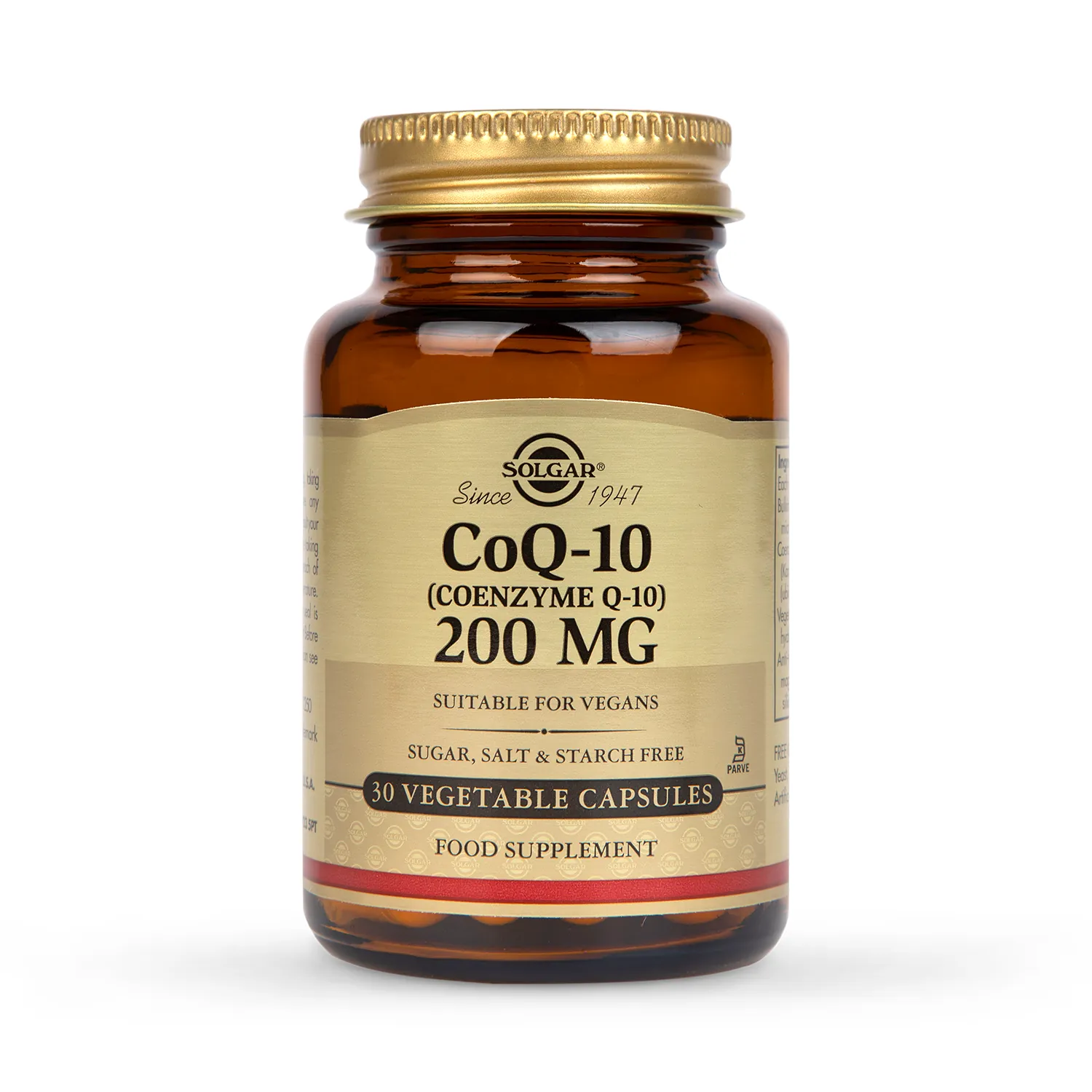
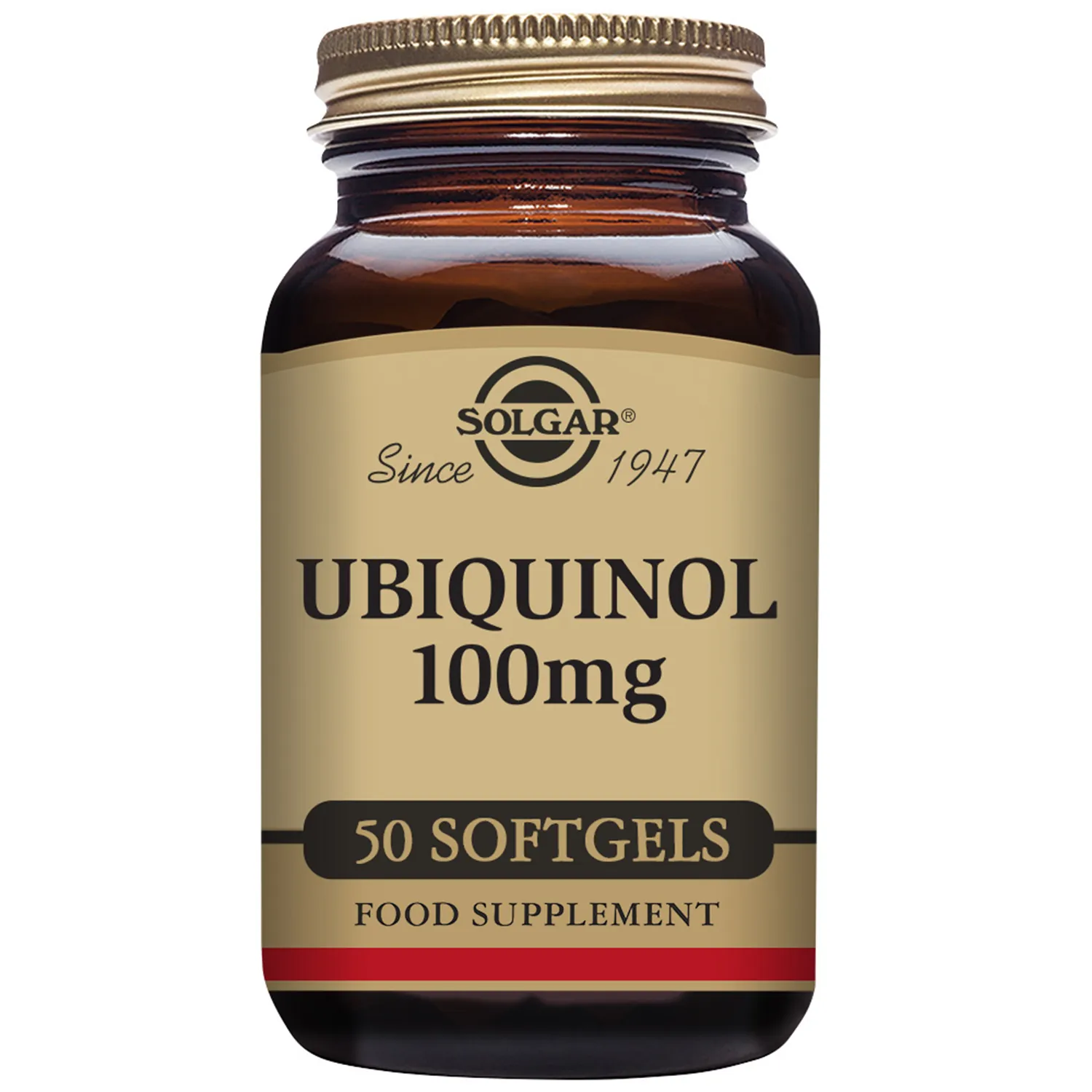
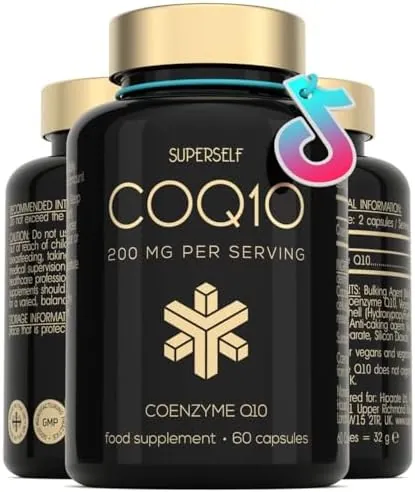
CoQ10 Supplement - Coenzyme Q10 High Strength 200mg - 60 Capsules - Vegan Naturally Fermented Ubiquinone - Co Enzyme CQ10 High Absorption - UK Made
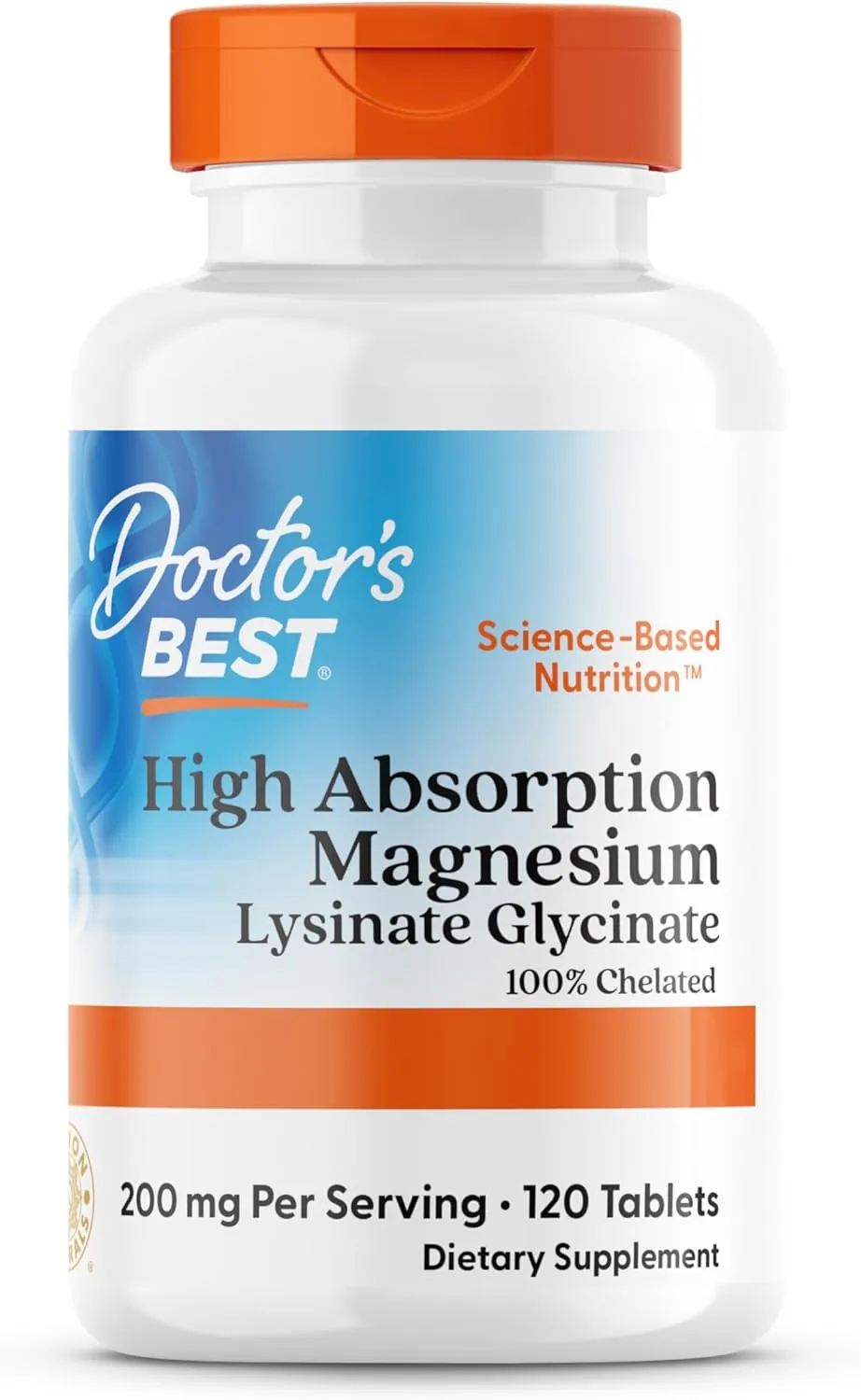
Top Magnesium Products on AIScored
Want to check more interactions?
Add these and other supplements to our interactive Stack Analyzer for a full analysis.
Build your full stack →