Important: This page is for informational purposes only, based on published peer-reviewed research and official UK dietary guidelines (NHS, EFSA, SACN). It does not constitute medical advice. Always consult your GP or pharmacist before starting, stopping, or combining supplements.
CoQ10 and Omega-3 — Can You Take Them Together?
Overview
CoQ10 (coenzyme Q10) and omega-3 fatty acids are two of the most extensively studied cardiovascular supplements available today. Both act through distinct biological mechanisms — CoQ10 supports cellular energy production at the mitochondrial level, whilst omega-3 fatty acids modulate lipid metabolism and inflammatory pathways. Research suggests that combining these supplements may offer complementary cardiovascular support. There is also a practical pharmacokinetic benefit: the lipid content of fish oil or algae oil capsules may enhance CoQ10 absorption, given that CoQ10 is a fat-soluble molecule. Individual responses may vary.
How They Interact
CoQ10 functions as an essential electron carrier within the mitochondrial respiratory chain, facilitating ATP synthesis at Complexes I, II, and III. Cardiac muscle cells have among the highest energy demands of any tissue in the body, making adequate CoQ10 status particularly relevant to heart function. Omega-3 fatty acids — principally EPA (eicosapentaenoic acid) and DHA (docosahexaenoic acid) — act through separate but complementary pathways: they reduce hepatic triglyceride synthesis and VLDL secretion, modulate voltage-gated ion channels in cardiomyocytes (thought to underlie anti-arrhythmic effects), and serve as precursors to specialised pro-resolving mediators including resolvins and protectins. The combination may therefore address cardiovascular physiology from both an energetic and a lipid-inflammatory standpoint. Additionally, because CoQ10 is fat-soluble, co-administration with a lipid-rich supplement such as fish oil provides a physiological matrix that promotes CoQ10 micellarisation and intestinal uptake, as reviewed by Bhagavan and Chopra (Free Radical Research, 2006).
Timing & Dosage Guidance
Research suggests taking both CoQ10 and omega-3 with a meal containing dietary fat for optimal absorption and tolerability. Since CoQ10 is fat-soluble, its intestinal absorption is considerably improved in the presence of lipids — and the fat content of a standard fish oil capsule may itself contribute a useful lipid matrix. Pharmacokinetic data reviewed by Bhagavan and Chopra (2006) confirm that CoQ10 bioavailability is substantially higher when taken with food. Omega-3 supplements are also generally better tolerated at mealtimes, reducing the likelihood of gastrointestinal discomfort or 'fishy burp'. Taking both at the same meal — breakfast or lunch are practical options — is a straightforward approach. Individual responses may vary.
There is no established UK dietary reference value for CoQ10. Clinical trials have used doses ranging from 100 mg to 300 mg per day; the Q-SYMBIO randomised trial (Mortensen et al., JACC: Heart Failure, 2014) used 300 mg daily in chronic heart failure patients. For omega-3, the Scientific Advisory Committee on Nutrition (SACN) recommends at least 450 mg of combined EPA and DHA per week for cardiovascular health in the general population, though clinical studies have employed higher doses of 1–4 g/day. When combining both supplements, beginning at standard doses and assessing tolerability is a sensible approach. Individuals taking anticoagulant medications such as warfarin should consult their GP or pharmacist before starting high-dose omega-3, as doses above 3 g/day may modestly affect platelet aggregation.
Recommended Action
Taking CoQ10 with omega-3 (or any fat source) may improve CoQ10 absorption, as it is fat-soluble.
CoQ10 Timing
When: Morning
Note: Fat-soluble — take with a meal containing fat. Morning preferred as it supports cellular energy production. Statin users should especially consider supplementation.
Omega-3 Timing
When: Any
Note: Take with a meal containing fat for best absorption. Split high doses across meals to reduce fishy burps. Freeze capsules to reduce aftertaste.
Scientific Evidence
4 peer-reviewed studies cited. All links lead to PubMed abstracts.
JACC: Heart Failure (2014) · PMID: 25282031
CoQ10 supplementation at 300 mg/day significantly reduced major adverse cardiovascular events and all-cause mortality in patients with chronic heart failure compared with placebo over a median follow-up of two years.
The Lancet (1999) · PMID: 10465168
Omega-3 fatty acid supplementation (1 g/day) significantly reduced all-cause mortality and cardiovascular events in post-myocardial infarction patients over 3.5 years of follow-up.
Free Radical Research (2006) · PMID: 16551570
CoQ10 bioavailability is markedly enhanced when administered alongside dietary fat, supporting the rationale for co-ingestion with lipid-containing supplements such as fish oil.
New England Journal of Medicine (2019) · PMID: 30415628
High-dose EPA as icosapentaenoic acid (4 g/day) reduced major adverse cardiovascular events by 25% relative to placebo in patients with elevated triglycerides receiving statin therapy.
Frequently Asked Questions
Research suggests it may. CoQ10 is a fat-soluble compound, meaning intestinal absorption depends on the presence of dietary lipids to facilitate micellarisation. A pharmacokinetic review by Bhagavan and Chopra (Free Radical Research, 2006) found that CoQ10 bioavailability is substantially higher when taken alongside a fat-containing meal. Fish oil provides a concentrated lipid source that could support this process, although dedicated trials directly comparing fish oil versus other fat sources for CoQ10 absorption remain limited.
Current evidence indicates no adverse interactions between CoQ10 and omega-3 fatty acids at standard doses. Both are generally well tolerated. However, high-dose omega-3 supplementation — typically above 3 g per day — may modestly affect platelet function, so individuals prescribed anticoagulants such as warfarin or antiplatelet agents should seek guidance from their GP or pharmacist before combining supplements. This information does not constitute medical advice, and individual responses may vary.
CoQ10 is available as ubiquinone (the oxidised form) and ubiquinol (the reduced, active form). Some research suggests ubiquinol may offer superior bioavailability in older adults, as the enzymatic conversion of ubiquinone to ubiquinol declines with age. Both forms are fat-soluble and would benefit from co-administration with a lipid source such as fish oil. The Q-SYMBIO trial (Mortensen et al., 2014) demonstrated significant cardiovascular outcomes using ubiquinone at 300 mg/day, though direct comparisons of both forms taken alongside omega-3 have not been conducted.
Top CoQ10 Products on AIScored
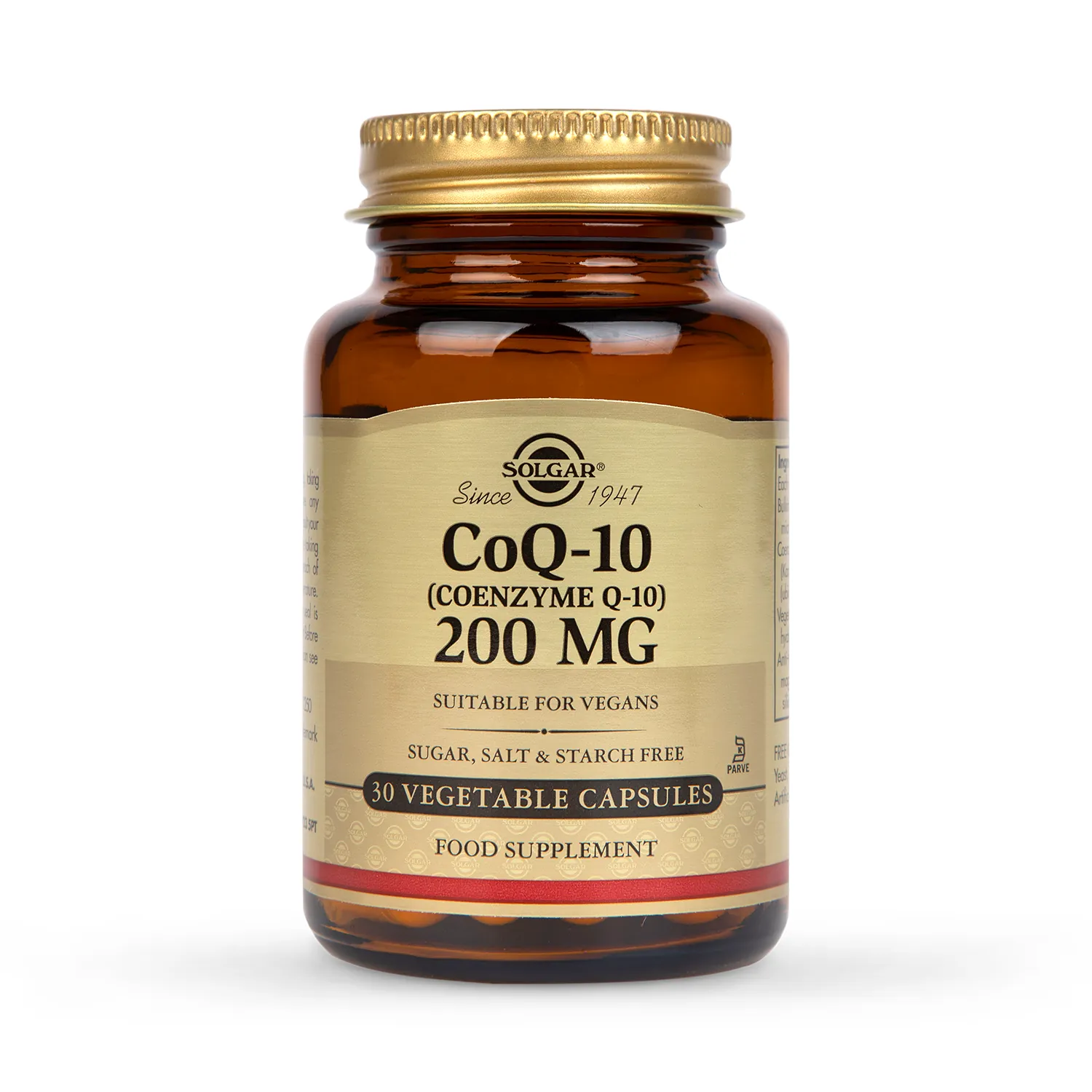
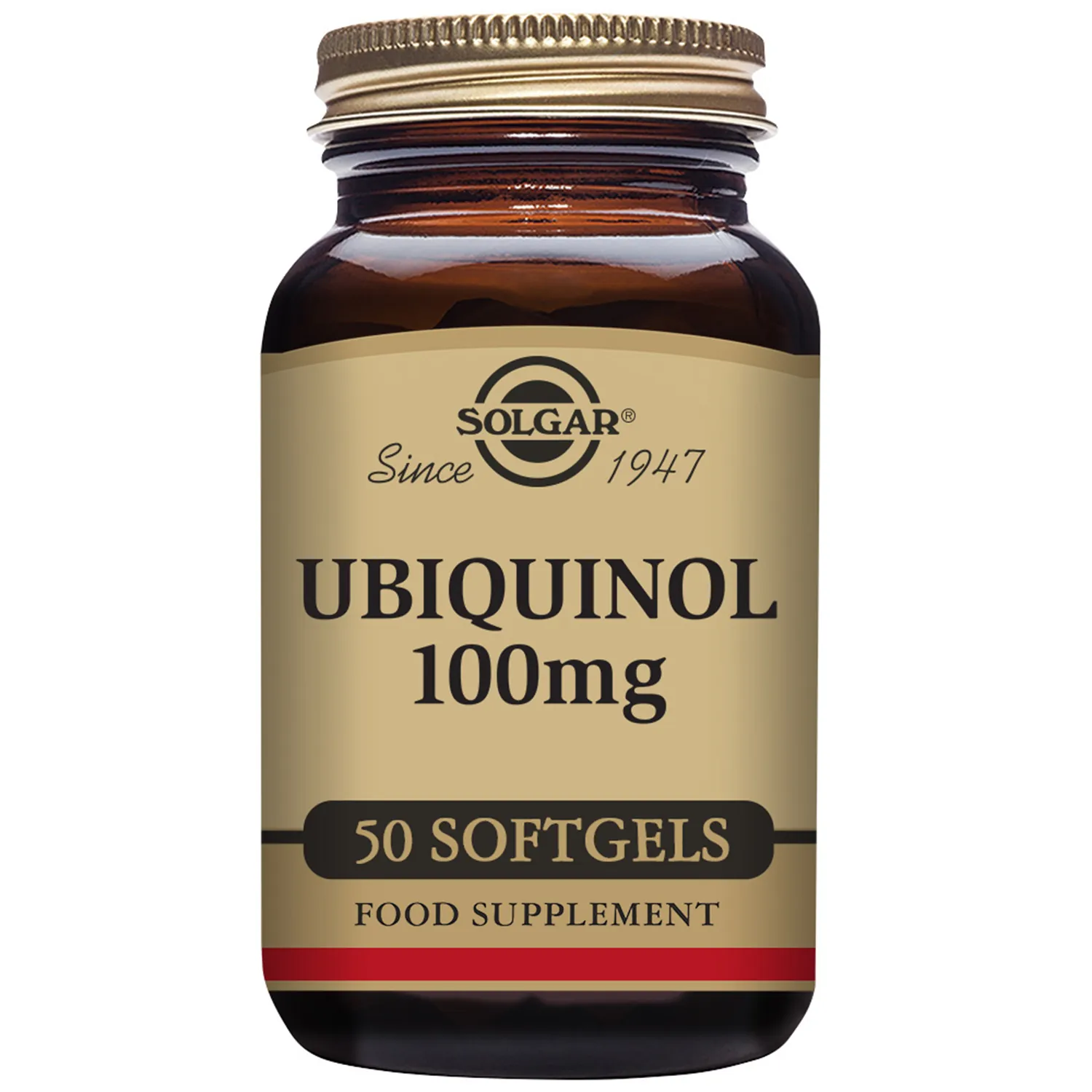
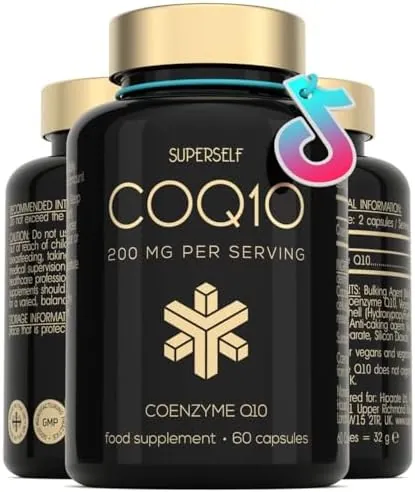
CoQ10 Supplement - Coenzyme Q10 High Strength 200mg - 60 Capsules - Vegan Naturally Fermented Ubiquinone - Co Enzyme CQ10 High Absorption - UK Made
Top Omega-3 Products on AIScored
Want to check more interactions?
Add these and other supplements to our interactive Stack Analyzer for a full analysis.
Build your full stack →