Important: This page is for informational purposes only, based on published peer-reviewed research and official UK dietary guidelines (NHS, EFSA, SACN). It does not constitute medical advice. Always consult your GP or pharmacist before starting, stopping, or combining supplements.
CoQ10 and Vitamin B5 — Can You Take Them Together?
Overview
Coenzyme Q10 (CoQ10) and vitamin B5 (pantothenic acid) are both central to cellular energy metabolism, and research suggests they share a meaningful biochemical relationship. Pantothenic acid serves as the dietary precursor to Coenzyme A (CoA), a molecule that plays an essential role in the mevalonate pathway through which the body synthesises CoQ10 endogenously. Whilst CoQ10 is most commonly associated with mitochondrial function and antioxidant activity, its biosynthesis depends on a cascade of micronutrients — pantothenic acid among them. For individuals concerned about supporting energy production, understanding this synergy may inform how they approach supplementation.
How They Interact
The body synthesises CoQ10 through a complex, multi-step biochemical process. Central to this is the mevalonate pathway, which generates the polyisoprenoid side chain that gives CoQ10 its characteristic lipid-soluble structure. This pathway depends on acetyl-CoA as a key substrate — and Coenzyme A itself is biosynthesised from pantothenic acid (vitamin B5). A study published in Biochemical and Biophysical Research Communications (PMID 8702395) established that human CoQ10 biosynthesis requires eight vitamins as cofactors, with pantothenic acid explicitly listed among them. More recently, Guerra and Pagliarini (2023, Trends in Biochemical Sciences, PMID 36702698) provided a detailed review of the full CoQ biosynthetic pathway, confirming the CoA-dependent steps involved in isoprenoid chain assembly. The benzoquinone ring of CoQ10 is separately derived from tyrosine via a pyridoxal-5-phosphate-dependent reaction, illustrating the wider multi-vitamin dependency of the entire cascade. Adequate pantothenic acid status may therefore support the body's capacity for endogenous CoQ10 production, though direct dose-response evidence in humans remains emerging.
Timing & Dosage Guidance
CoQ10 is fat-soluble and research consistently indicates it is better absorbed when taken alongside a meal containing dietary fat; ubiquinol (the reduced form) may offer slightly superior bioavailability in some populations. Vitamin B5, by contrast, is water-soluble and can be taken at any time during the day without significant impact on absorption. Because the two nutrients operate via distinct uptake mechanisms, there is no pharmacological reason to separate them. Taking both with a main meal is a practical approach that accommodates CoQ10's fat-solubility whilst maintaining adequate B5 intake. Individual responses may vary.
There is no established UK recommended daily amount (RDA) for CoQ10. Clinical studies have typically used 100–200 mg of ubiquinone or 100 mg of ubiquinol daily; some research has explored higher doses in specific contexts. For pantothenic acid, EFSA has established an Adequate Intake (AI) of 5 mg per day for adults, generally achievable through a varied diet including wholegrains, legumes, and meat. Supplemental B5 commonly provides 50–500 mg as calcium D-pantothenate. Robust evidence on the clinical impact of high-dose B5 supplementation on CoQ10 biosynthesis in healthy adults remains limited. Individual responses may vary, and a healthcare professional should be consulted before combining these supplements.
Recommended Action
These can be taken together. Both support energy metabolism.
CoQ10 Timing
When: Morning
Note: Fat-soluble — take with a meal containing fat. Morning preferred as it supports cellular energy production. Statin users should especially consider supplementation.
Vitamin B5 Timing
When: Morning
Note: Water-soluble. Ubiquitous in food — deficiency very rare.
Scientific Evidence
4 peer-reviewed studies cited. All links lead to PubMed abstracts.
Trends in Biochemical Sciences (2023) · PMID: 36702698
Comprehensive review confirming that the CoQ biosynthetic pathway requires acetyl-CoA — derived from the pantothenate-dependent Coenzyme A — as a key substrate for polyisoprenoid side chain synthesis via the mevalonate pathway.
Biochemical and Biophysical Research Communications (1996) · PMID: 8702395
Established that human CoQ10 biosynthesis requires eight vitamins as coenzyme cofactors, explicitly including pantothenic acid, demonstrating the multi-nutrient dependency of the endogenous CoQ10 production cascade.
Frontiers in Physiology (2018) · PMID: 29459830
Review of clinical evidence finding that CoQ10 biosynthesis declines with age and that supplementation supports mitochondrial function and antioxidant capacity, particularly where endogenous production capacity may be diminished.
Nutrients (2022) · PMID: 36297067
Systematic review identifying that CoQ10 combined with other micronutrients involved in the mitochondrial energy-production pathway shows enhanced outcomes in specific conditions, consistent with the nutrient co-dependency observed in CoQ10 biosynthesis.
Frequently Asked Questions
Research suggests pantothenic acid is one of several micronutrients required as cofactors in CoQ10 biosynthesis (PMID 8702395). In principle, insufficient Coenzyme A availability — stemming from poor B5 status — could impair the mevalonate pathway underpinning CoQ10 synthesis. However, overt B5 deficiency is rare in those consuming a varied diet, and direct clinical evidence linking suboptimal B5 status to measurably reduced CoQ10 levels in humans remains limited at this stage.
Both forms of CoQ10 — ubiquinone (oxidised) and ubiquinol (reduced) — may be combined with B5 without any known adverse interaction. Ubiquinol is the active antioxidant form and some research suggests it may be more bioavailable, particularly in older adults whose capacity to convert ubiquinone may decline. The choice between forms is typically guided by individual factors such as age and absorption capacity, rather than the co-administration of pantothenic acid.
Yes. Research indicates CoQ10 biosynthesis is a multi-nutrient-dependent process. In addition to pantothenic acid (B5), studies identify vitamins B2 (riboflavin), B6 (pyridoxine), B12, folate, and niacin as cofactors at various steps in the biosynthetic cascade (PMID 8702395). This underscores that broad nutritional adequacy — rather than any single micronutrient — is likely to best support healthy endogenous CoQ10 production.
Top CoQ10 Products on AIScored
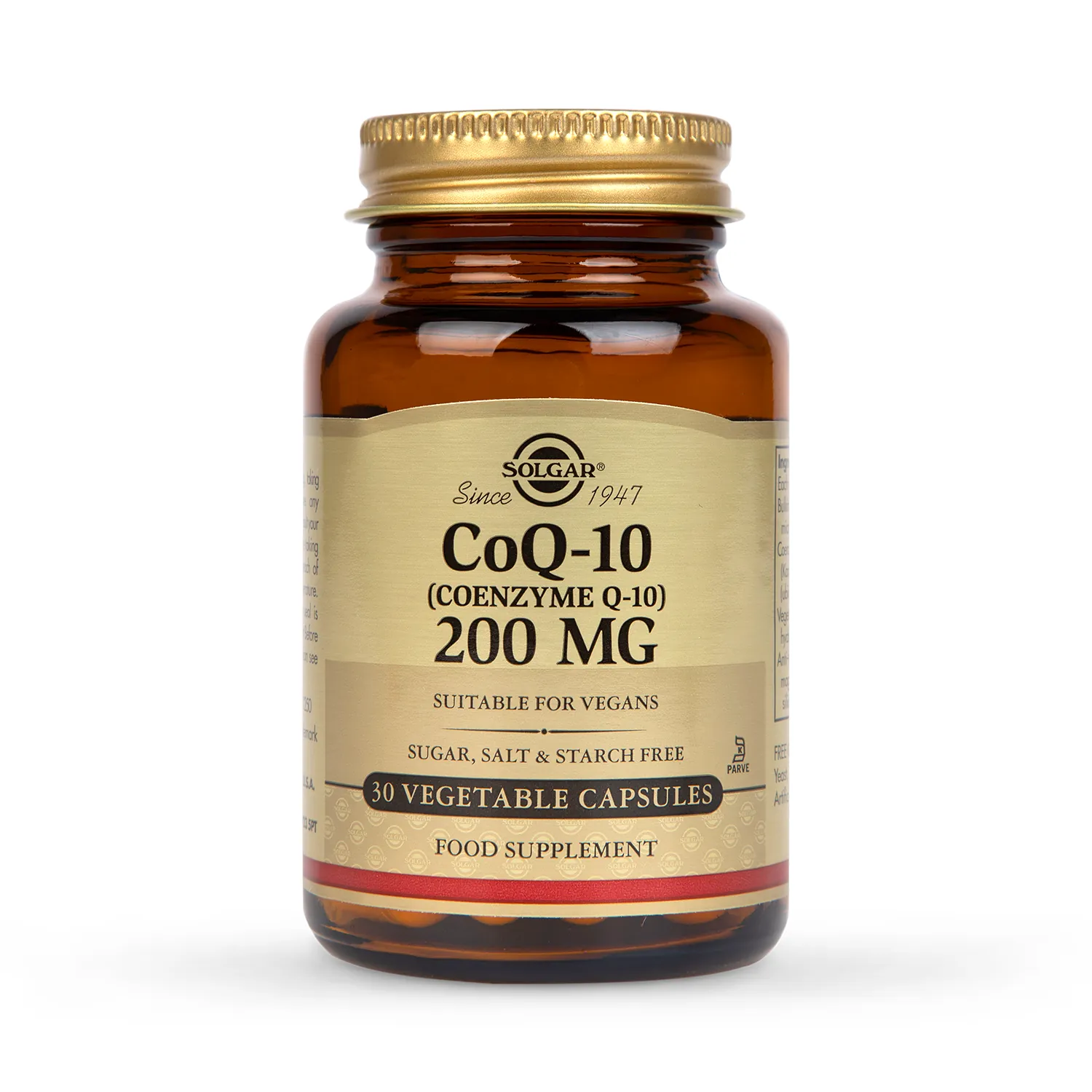
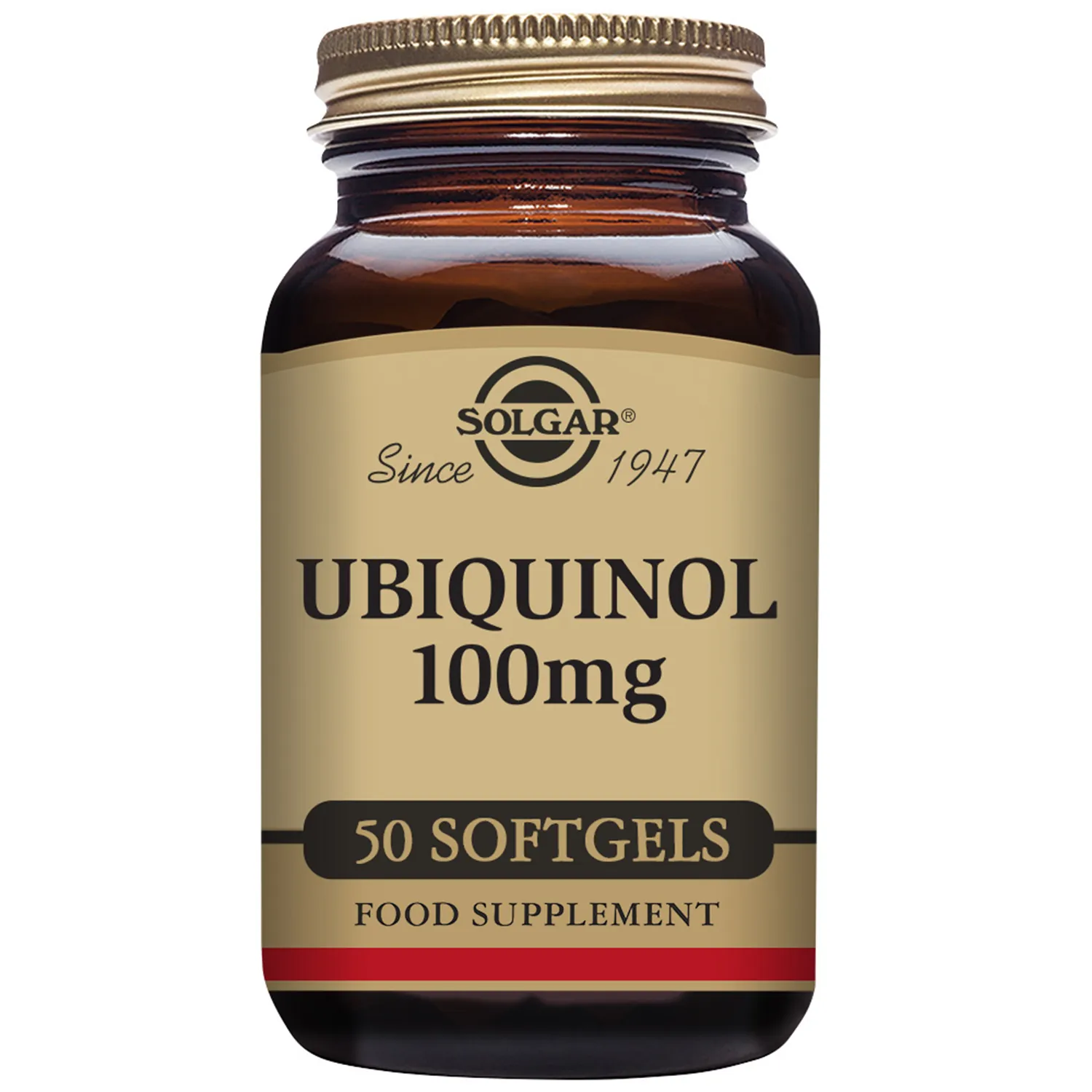
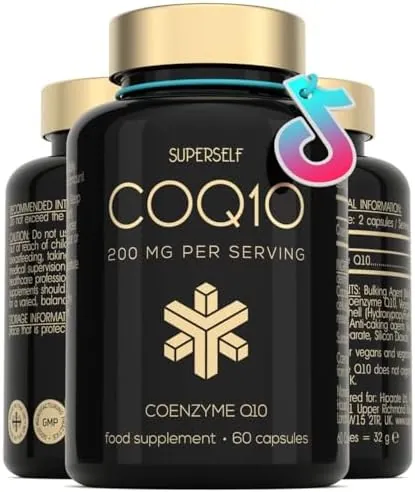
CoQ10 Supplement - Coenzyme Q10 High Strength 200mg - 60 Capsules - Vegan Naturally Fermented Ubiquinone - Co Enzyme CQ10 High Absorption - UK Made
Top Vitamin B5 Products on AIScored
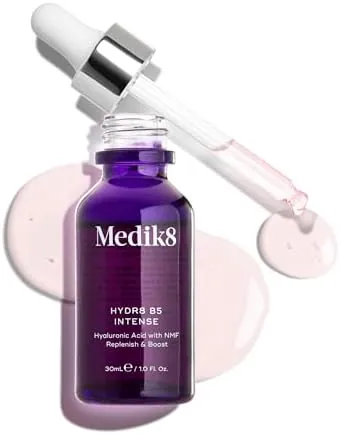
Medik8 Hydr8 B5 Intense - Supercharged Multi-Weight Hyaluronic Acid Serum - Replenishes, Smooths & Plumps Skin - Ideal For Normal to Dry Skin Types - 30ml

Advanced Hydrolysed Marine Liquid Collagen Couples Supply (2x 28-Day Supply)
Want to check more interactions?
Add these and other supplements to our interactive Stack Analyzer for a full analysis.
Build your full stack →