Important: This page is for informational purposes only, based on published peer-reviewed research and official UK dietary guidelines (NHS, EFSA, SACN). It does not constitute medical advice. Always consult your GP or pharmacist before starting, stopping, or combining supplements.
Creatine and Magnesium — Can You Take Them Together?
Overview
Creatine and magnesium are two of the most extensively studied performance-relevant nutrients, each playing distinct but interconnected roles in cellular energy metabolism. Both are involved in the adenosine triphosphate (ATP) energy system that powers muscular contraction. Research suggests a meaningful biochemical relationship between them: magnesium ions are required for creatine kinase — the enzyme that regenerates ATP from phosphocreatine — to function effectively. For individuals who train regularly and supplement with creatine, maintaining adequate magnesium status may therefore support how well the body utilises its phosphocreatine energy stores. Individual responses may vary depending on baseline magnesium levels and training demands.
How They Interact
The primary mechanism linking creatine and magnesium centres on creatine kinase, the enzyme responsible for regenerating ATP from phosphocreatine (PCr) during high-intensity exercise. Research has established that creatine kinase catalyses the reversible transfer of phosphate between phosphocreatine and MgADP to resynthesize MgATP — meaning the active substrate in this reaction is the magnesium-bound form of ATP, not free ATP. Magnesium ions stabilise the nucleotide structure and are essential cofactors at the enzyme's active site. Where intracellular magnesium is suboptimal, the efficiency of this phosphate transfer may be reduced, potentially limiting the ergogenic benefit of creatine supplementation. Magnesium also participates in over 300 enzymatic reactions involved in glycolysis and oxidative phosphorylation — the pathways that replenish phosphocreatine stores between exercise bouts. Volpe (2015, Current Sports Medicine Reports, PMID 26166051) notes that athletes engaged in regular intense training may require 10–20% more magnesium than sedentary individuals, suggesting suboptimal intake is plausible in active populations even without overt deficiency.
Timing & Dosage Guidance
Creatine and magnesium can be taken simultaneously without concern; no evidence indicates competitive absorption between them. Creatine is commonly taken with a carbohydrate-containing meal, as insulin response may facilitate creatine uptake into muscle. Magnesium can conveniently be included at the same time. Some individuals prefer taking magnesium in the evening, as it may support relaxation and sleep quality — both relevant to exercise recovery. In that case, splitting the intake — creatine with a daytime meal, magnesium with an evening meal — is a practical alternative with no known disadvantage. Individual preferences and tolerance will vary.
Standard creatine monohydrate maintenance dosing of 3–5 g per day has been evaluated by EFSA, which has concluded that creatine consumption increases physical performance during short-term, high-intensity exercise in adults. UK reference nutrient intakes (RNIs) for magnesium, as set by the Department of Health, are 300 mg/day for adult men and 270 mg/day for adult women. The NHS advises against taking more than 400 mg of supplemental magnesium daily without medical guidance, as higher doses may cause gastrointestinal effects. Notably, Selsby et al. (2004, PMID 15142029) observed exercise performance benefits from a magnesium-creatine chelate at just 2.5 g creatine per day, below the typical standalone dose, suggesting the combination may allow effective outcomes with lower creatine quantities. Individual responses will vary.
Recommended Action
These can be taken together. Creatine is commonly taken with a meal, and magnesium can be included at the same time.
Creatine Timing
When: Any
Note: Timing does not matter — daily consistency is key. Take with water or carbohydrate-rich meal. No loading phase required at 3-5 g/day.
Magnesium Timing
When: Evening
Note: Evening preferred — may promote relaxation. Take with food to reduce GI discomfort.
Scientific Evidence
4 peer-reviewed studies cited. All links lead to PubMed abstracts.
Journal of Strength and Conditioning Research (2004) · PMID: 15142029
A low-dose magnesium-creatine chelate (2.5 g/day creatine) produced bench press performance improvements comparable to standard creatine supplementation, suggesting adequate magnesium may support effective creatine utilisation at lower doses.
Nutrients (2020) · PMID: 32998206
Sixteen weeks of low-dose magnesium-creatine chelate supplementation in elite soccer players significantly improved total sprint time, average power, and maximum power on the repeated sprint ability test compared to placebo.
Current Sports Medicine Reports (2015) · PMID: 26166051
Athletes in intense training may require 10–20% more magnesium than sedentary individuals; suboptimal magnesium status can impair exercise performance given magnesium's role as a cofactor in ATP synthesis and energy-metabolising enzymes.
Nutrients (2017) · PMID: 28846654
A systematic review found that magnesium may support exercise performance by enhancing glucose availability and reducing lactate accumulation in muscle, with physically active individuals demonstrating elevated magnesium requirements relative to sedentary controls.
Frequently Asked Questions
No study has directly compared different magnesium forms in combination with standard creatine monohydrate. Magnesium-creatine chelate is a proprietary compound where magnesium is bonded directly to creatine, investigated in a 2020 randomised trial in elite soccer players (Nutrients, PMID 32998206) with promising sprint performance results. For general co-supplementation, magnesium glycinate and magnesium citrate are typically associated with better gastrointestinal tolerance than magnesium oxide. Individual absorption and tolerance may vary.
Research suggests that dietary magnesium from whole grains, nuts, legumes, and leafy vegetables meets the reference nutrient intake for most people. However, Volpe (2015, Current Sports Medicine Reports) notes that regular intense exercise may increase magnesium requirements beyond standard RNIs. If your diet is already rich in magnesium-containing foods, supplementation may offer limited additional benefit. A GP or registered dietitian can assess whether your individual intake is adequate.
Neither nutrient is associated with serious adverse effects at typical supplementation doses. EFSA has reviewed creatine and considers it safe for adults at commonly studied doses. The NHS advises that supplemental magnesium above 400 mg/day may cause loose stools, particularly with oxide-based forms. There is no known interaction between creatine and magnesium that increases risk. As with any supplementation, individuals with kidney conditions should consult a GP before use, as both nutrients are renally excreted.
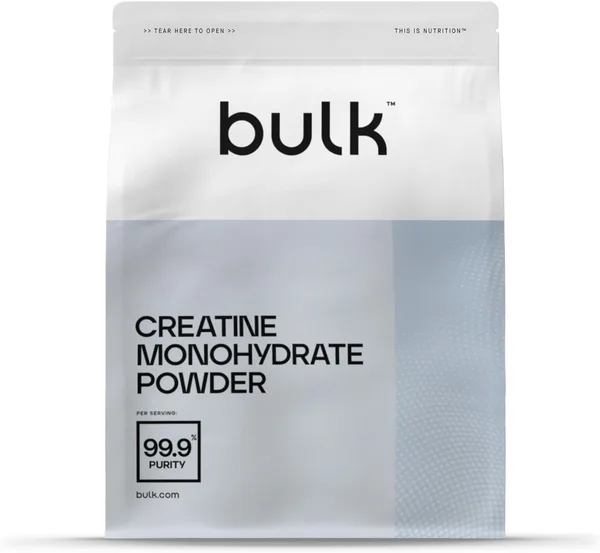
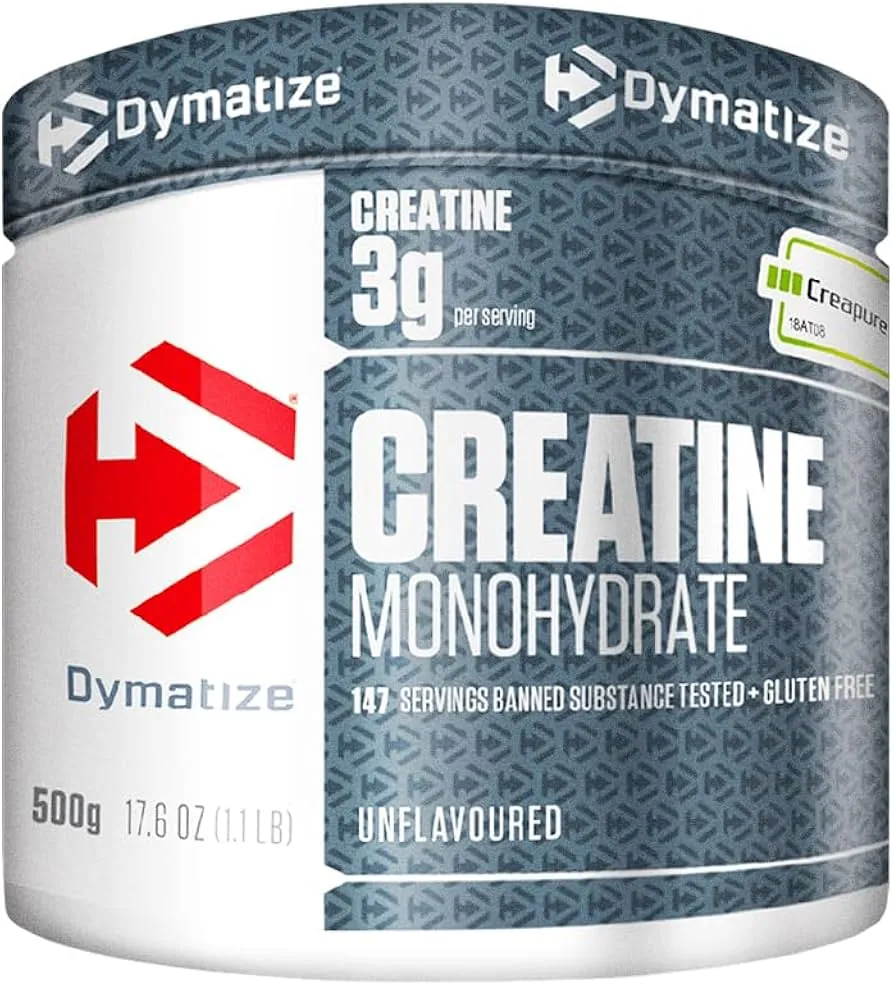
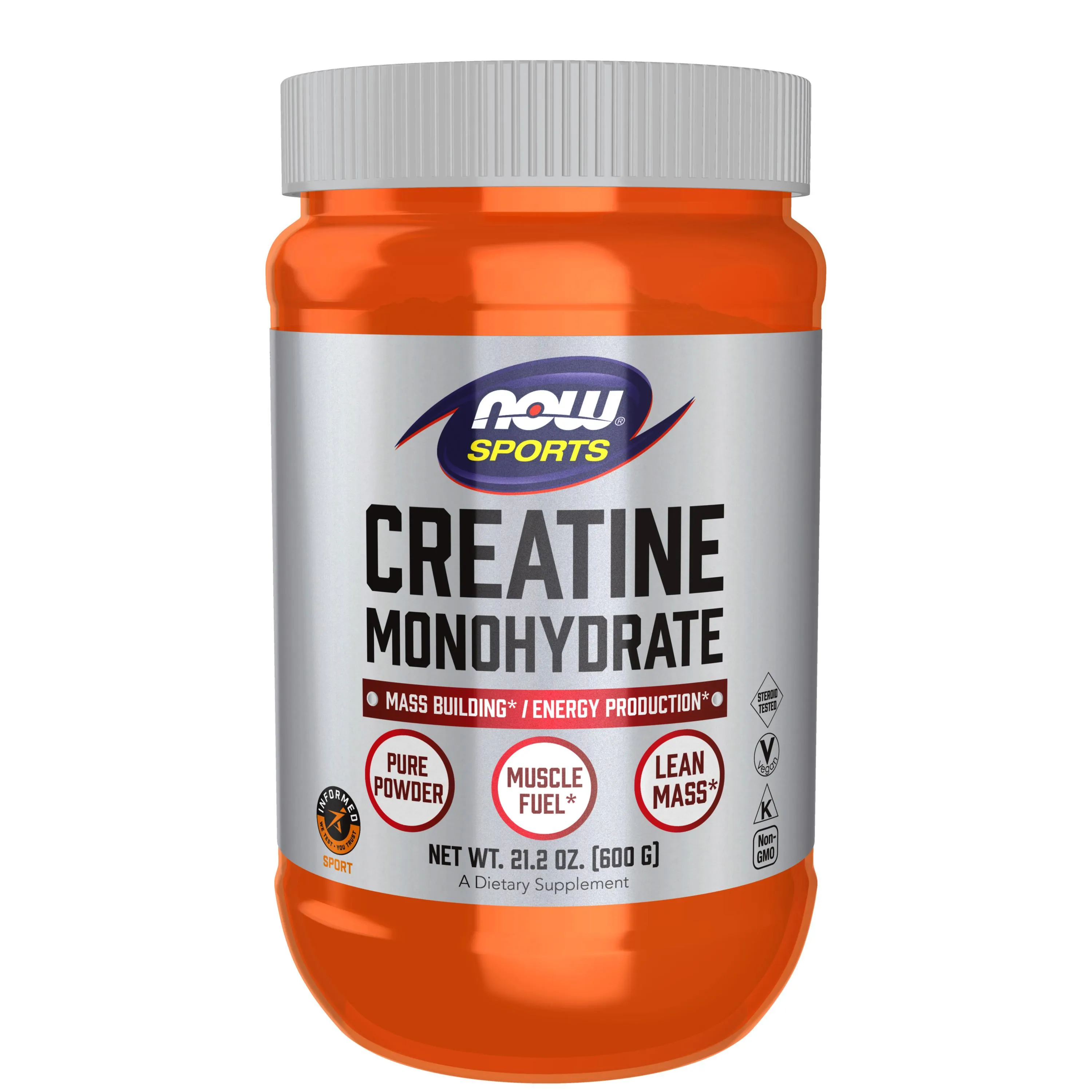
Top Creatine Products on AIScored
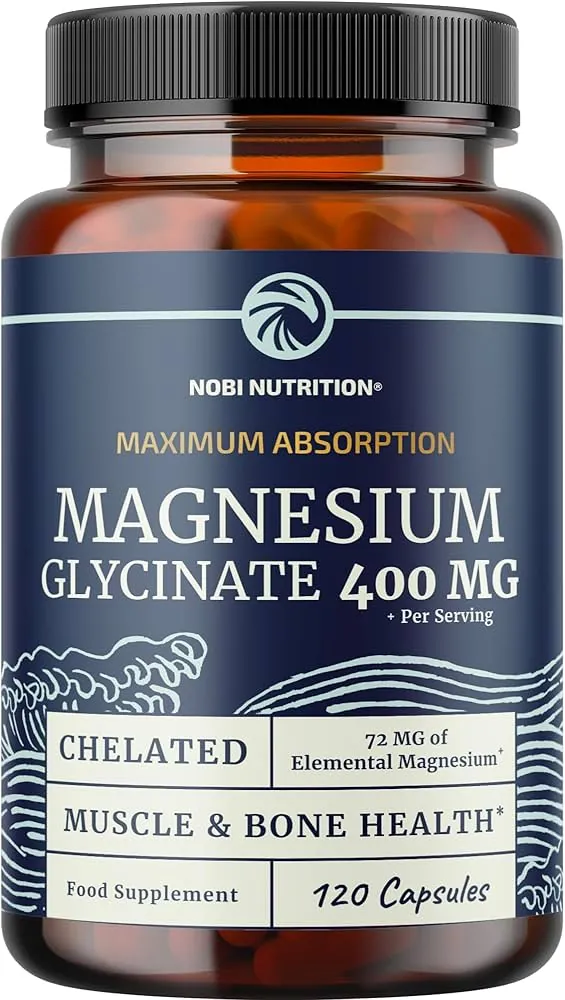
Top Magnesium Products on AIScored


Want to check more interactions?
Add these and other supplements to our interactive Stack Analyzer for a full analysis.
Build your full stack →