Important: This page is for informational purposes only, based on published peer-reviewed research and official UK dietary guidelines (NHS, EFSA, SACN). It does not constitute medical advice. Always consult your GP or pharmacist before starting, stopping, or combining supplements.
Creatine and Vitamin D3 — Can You Take Them Together?
Overview
Creatine and Vitamin D3 are among the most extensively studied supplements for musculoskeletal health, and there is growing interest in whether combining them may offer additive benefits. Creatine — a naturally occurring compound synthesised from amino acids and found in red meat and fish — supports cellular energy through the phosphocreatine system. Vitamin D3 acts via nuclear receptors to regulate calcium absorption, muscle protein synthesis, and bone mineralisation. Although dedicated trials examining the two in combination are currently limited, both supplements independently demonstrate evidence for muscle strength, lean mass retention, and bone support, particularly in older adults. Individual responses may vary.
How They Interact
Creatine's primary mechanism involves phosphocreatine resynthesis: during high-intensity effort, creatine phosphate donates a phosphate group to ADP, rapidly regenerating ATP in both skeletal muscle fibres and osteoblasts (bone-forming cells). This sustained energy availability may support both muscle contractility and bone remodelling. In a 12-week randomised controlled trial, creatine monohydrate combined with resistance training increased regional bone mineral content in older men compared with training alone, an effect attributed partly to greater muscle mass and mechanical tension at bone attachment sites (Chilibeck et al., Journal of Nutrition, Health & Aging, 2005). Vitamin D3, in its active hormonal form (1,25-dihydroxyvitamin D3), binds to the vitamin D receptor (VDR) expressed in skeletal muscle cells. Via VDR-mediated gene transcription, it supports muscle protein synthesis, promotes mitochondrial efficiency, and attenuates oxidative stress in muscle tissue (Dzik & Kaczmarek, European Journal of Applied Physiology, 2019). It simultaneously regulates intestinal calcium absorption and suppresses parathyroid hormone activity, directing calcium towards bone mineralisation. The two mechanisms are largely non-overlapping — creatine addresses energy supply within muscle and bone cells, whilst Vitamin D3 governs the hormonal and genomic signalling underpinning musculoskeletal anabolism and calcium homeostasis.
Timing & Dosage Guidance
Both supplements can be taken together at a main meal, making co-administration straightforward. Vitamin D3 is fat-soluble, and research consistently demonstrates its bioavailability is significantly higher when consumed alongside dietary fat; pairing it with a meal containing olive oil, oily fish, eggs, or full-fat dairy is therefore advisable. Creatine uptake may be enhanced when insulin levels are elevated, so taking it alongside carbohydrate- and protein-containing food is a practical approach. A meal combining protein, complex carbohydrates, and healthy fats — such as breakfast or lunch — satisfies both requirements simultaneously. Timing relative to exercise matters less for Vitamin D3, though some evidence suggests creatine taken close to a resistance training session may confer a modest additional benefit.
Standard creatine monohydrate maintenance dosing is 3–5 g daily. A loading phase of 20 g per day, divided into four doses, for 5–7 days can saturate muscle phosphocreatine stores more rapidly; however, loading is not essential and omitting it does not affect long-term outcomes. For Vitamin D3, NHS and SACN guidance recommends 10 mcg (400 IU) daily for the general UK adult population, with particular relevance from October to March when sunlight exposure is insufficient for cutaneous synthesis. Clinical supplementation commonly uses 25–50 mcg (1,000–2,000 IU) daily. The NHS advises not to exceed 100 mcg (4,000 IU) without medical supervision. Checking serum 25-hydroxyvitamin D levels before commencing is advisable, as baseline status varies considerably.
Recommended Action
Both can be taken together. Creatine with a meal, Vitamin D3 with a fat-containing meal.
Creatine Timing
When: Any
Note: Timing does not matter — daily consistency is key. Take with water or carbohydrate-rich meal. No loading phase required at 3-5 g/day.
Vitamin D3 Timing
When: Morning
Note: Fat-soluble — better absorbed with a meal containing dietary fat
Scientific Evidence
3 peer-reviewed studies cited. All links lead to PubMed abstracts.
European Journal of Applied Physiology (2019) · PMID: 30830277
Vitamin D3 regulates skeletal muscle function through VDR-mediated transcription, influencing mitochondrial efficiency, oxidative stress pathways, and muscle protein synthesis; deficiency impairs all three processes and is associated with muscle weakness.
Journal of Nutrition, Health & Aging (2005) · PMID: 16222402
Twelve weeks of creatine monohydrate combined with resistance training increased arm bone mineral content by 3.2% in older men, compared with a 1.0% decrease in the resistance-training-plus-placebo group.
Nutrients (2019) · PMID: 30762623
Creatine supplementation combined with at least 12 weeks of continuous resistance training produced additive improvements in lean mass, upper body strength, and functional capacity in older adults compared with exercise alone.
Frequently Asked Questions
No significant adverse interactions between creatine and Vitamin D3 have been identified in the scientific literature. Creatine monohydrate is consistently reported as safe in healthy adults across numerous trials, and Vitamin D3 at doses up to 100 mcg (4,000 IU) daily falls within NHS safety guidance. Both can be taken at the same meal without concern. Individual responses may vary, and those with underlying health conditions or taking prescription medication should consult a GP or registered dietitian before combining supplements.
The available evidence suggests older adults may derive the greatest benefit from this pairing. Age-related muscle loss and declining bone density are significant concerns in those over 55, and both supplements address distinct aspects of this process. Vitamin D insufficiency is disproportionately prevalent in older UK adults according to SACN data, whilst muscle phosphocreatine stores diminish with age. Research indicates creatine's musculoskeletal benefits are most apparent when combined with resistance training rather than supplementation alone. Individual responses may vary.
Vitamin K2 is frequently co-supplemented with Vitamin D3 on the basis that it activates osteocalcin and matrix Gla protein — proteins that direct calcium into bone rather than soft tissues. This pairing has a plausible mechanistic rationale, though high-quality RCT evidence for hard clinical outcomes remains limited. K2 does not interact directly with creatine. Whether to include K2 depends on individual dietary intake (it is present in fermented foods and some aged cheeses) and is best discussed with a GP or registered dietitian.
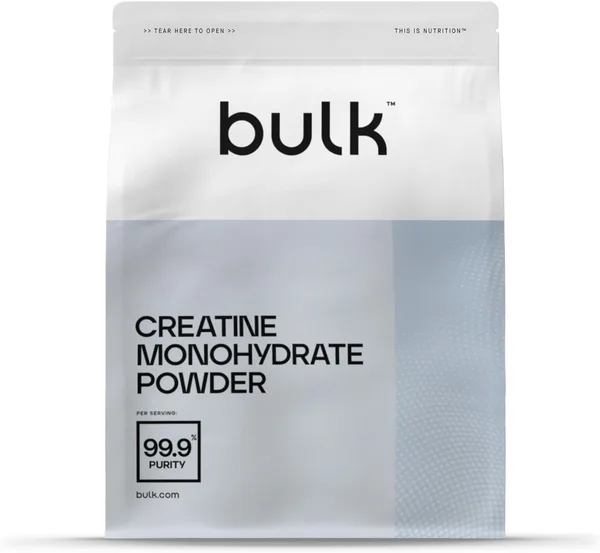
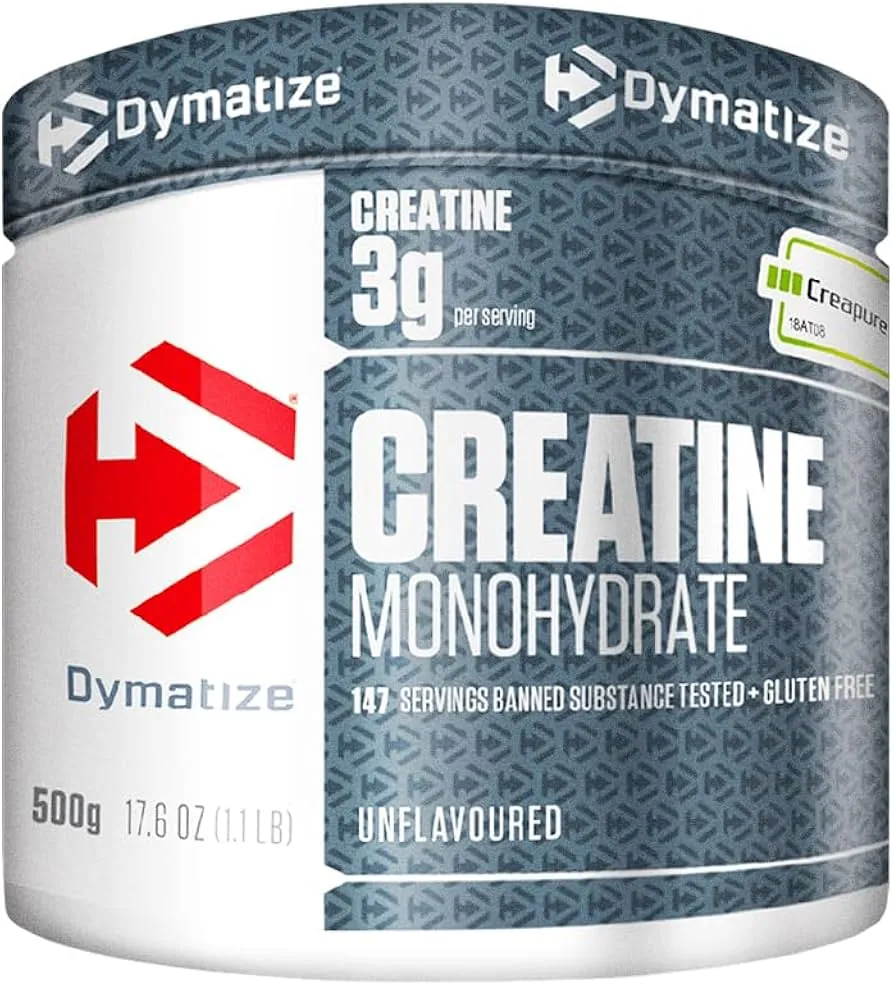
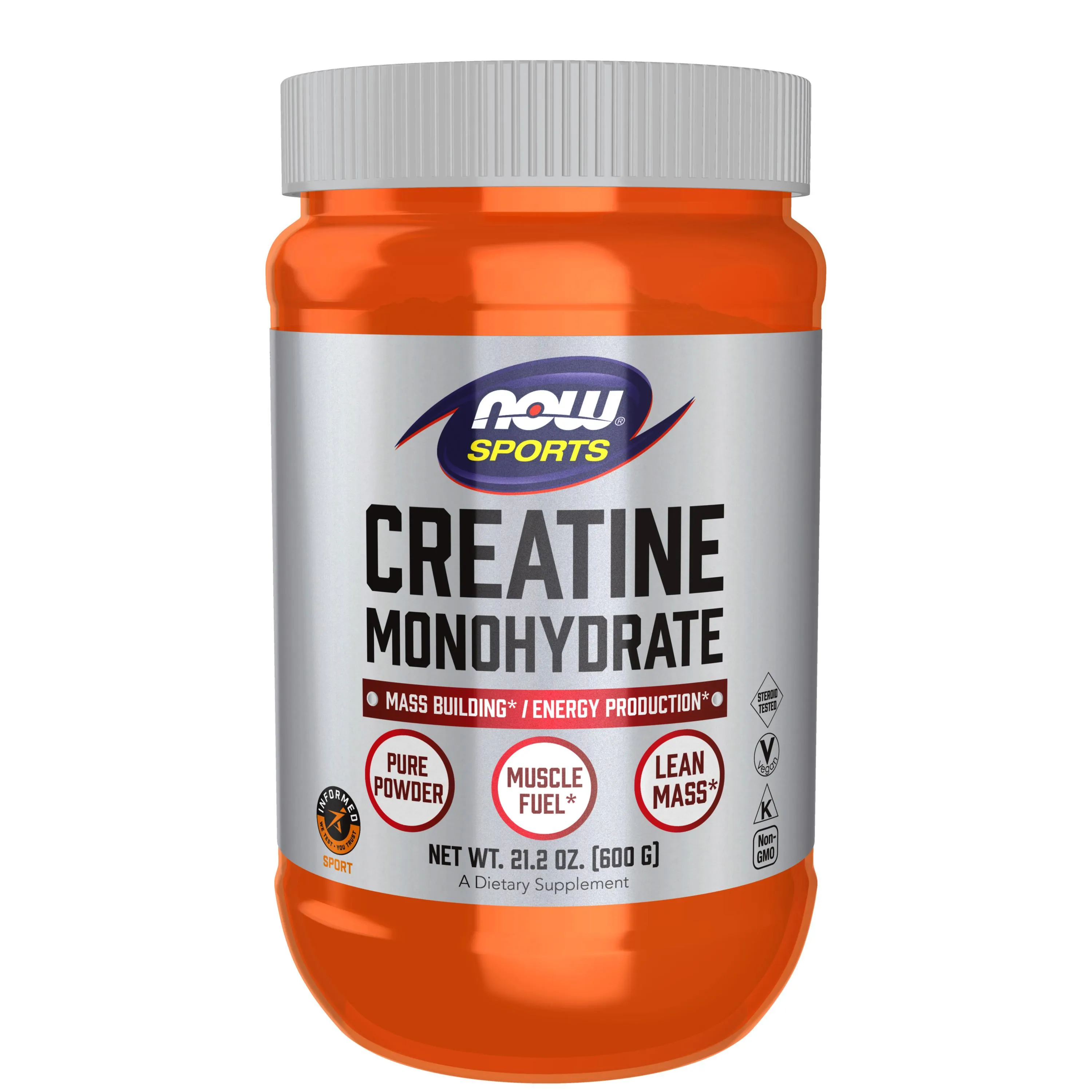
Top Creatine Products on AIScored
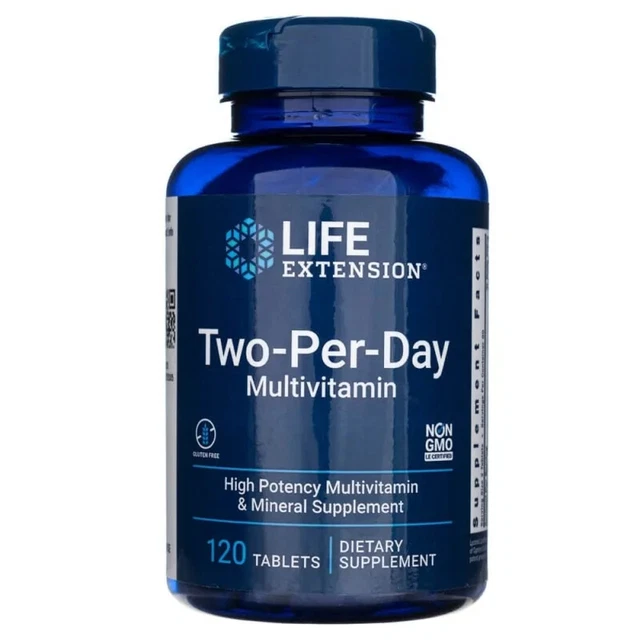
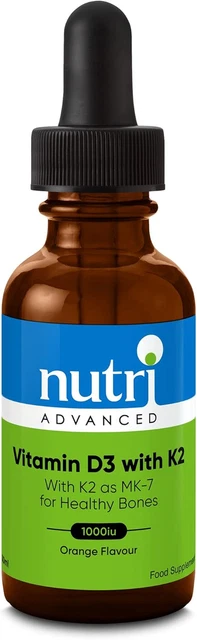
Top Vitamin D3 Products on AIScored

Want to check more interactions?
Add these and other supplements to our interactive Stack Analyzer for a full analysis.
Build your full stack →