Important: This page is for informational purposes only, based on published peer-reviewed research and official UK dietary guidelines (NHS, EFSA, SACN). It does not constitute medical advice. Always consult your GP or pharmacist before starting, stopping, or combining supplements.
Elderberry and Vitamin C — Can You Take Them Together?
Overview
Elderberry (Sambucus nigra) and Vitamin C are among the most widely used supplements for immune support in the UK, particularly during the autumn and winter cold-and-flu season. Research suggests these two compounds work through distinct but complementary mechanisms — elderberry via polyphenolic modulation of immune signalling, and Vitamin C through its role as a micronutrient essential to multiple immune pathways. Their combination is generally considered safe and potentially additive in effect, though individual responses may vary. Neither replaces professional medical advice or treatment for confirmed illness.
How They Interact
Elderberry contains a class of polyphenols known as anthocyanins — principally cyanidin-3-glucoside and cyanidin-3-sambubioside — which research suggests may exert antiviral effects by inhibiting neuraminidase, an enzyme respiratory viruses rely upon to penetrate host cells (Zakay-Rones et al., 1995, Journal of Alternative and Complementary Medicine). In vitro evidence further indicates elderberry preparations can modulate cytokine production, stimulating pro-inflammatory signalling during early infection and potentially facilitating a more rapid innate immune response. Vitamin C (ascorbic acid) contributes to immune defence through several non-overlapping pathways. It supports neutrophil function — including chemotaxis, phagocytosis, and oxidative burst — by maintaining intracellular redox balance under conditions of elevated oxidative stress. It also accumulates in high concentrations within phagocytes where it is consumed rapidly during active infection, and contributes to epithelial barrier integrity via collagen biosynthesis (Carr & Maggini, 2017, Nutrients). Together, these mechanisms suggest a complementary rather than redundant interaction across both innate and adaptive arms of the immune system.
Timing & Dosage Guidance
Research does not currently identify a precise optimal timing window for this combination. Both supplements are generally well tolerated taken with or without food, though elderberry preparations — particularly syrups and gummies — are often consumed alongside meals to minimise gastrointestinal discomfort. Vitamin C in ascorbic acid form may cause stomach irritation on an empty stomach in sensitive individuals; buffered forms such as sodium ascorbate, or liposomal formulations, can reduce this effect. Consistent daily intake appears more aligned with how Vitamin C supports baseline immune maintenance than intermittent or reactive dosing. Individual responses may vary, and neither supplement is a substitute for medical evaluation.
Standardised elderberry extracts (such as Sambucol) have been studied at doses ranging from 400–600 mg of extract daily in capsule form, with some acute-illness trials using up to 15 ml of syrup four times daily for short durations. The NHS does not set a Reference Nutrient Intake for elderberry, as it is classified as a food supplement rather than an essential nutrient under UK regulations. For Vitamin C, the UK Reference Nutrient Intake (RNI) is 40 mg/day for adults, as established by the Department of Health. Supplemental doses commonly range from 200–1,000 mg/day. EFSA has approved the claim that Vitamin C contributes to the normal functioning of the immune system. Doses exceeding 1,000 mg/day may cause gastrointestinal symptoms in some individuals. When combining with elderberry, standard supplemental doses of each are generally used without mutual adjustment.
Recommended Action
This combination is popular during cold and flu season. Both can be taken together.
Elderberry Timing
When: Any
Note: Take with food. Use at first sign of cold/flu symptoms. Concentrated extracts preferred — never consume raw elderberries (toxic).
Vitamin C Timing
When: Any
Note: Water-soluble — can be taken any time. Split doses improve absorption at higher amounts.
Scientific Evidence
4 peer-reviewed studies cited. All links lead to PubMed abstracts.
Journal of International Medical Research (2004) · PMID: 15080016
Elderberry extract significantly reduced the duration of influenza symptoms by an average of four days compared to placebo in a randomised controlled trial.
Nutrients (2016) · PMID: 26974895
Air travellers supplementing with elderberry experienced a two-day reduction in cold duration and lower symptom severity scores compared to the placebo group.
Cochrane Database of Systematic Reviews (2013) · PMID: 23440782
Regular Vitamin C supplementation modestly reduced cold duration in the general population, with a more pronounced effect in individuals under heavy physical or environmental stress.
Nutrients (2017) · PMID: 29099763
Comprehensive review concluding that Vitamin C supports multiple immune cell functions — including neutrophil chemotaxis, phagocytosis, and reactive oxygen species generation — and that deficiency impairs immunity and increases susceptibility to infection.
Frequently Asked Questions
Research suggests the combination is generally safe for most healthy adults. Both compounds have distinct mechanisms of action with no known pharmacokinetic interactions. However, elderberry preparations may have mild immunostimulatory properties; individuals with autoimmune conditions or those taking immunosuppressant medication should seek guidance from a qualified healthcare professional before use. Individual responses may vary.
No published human trials have directly compared the combination against either supplement in isolation. Given that the two appear to act via different mechanisms — elderberry influencing viral entry and cytokine signalling, Vitamin C supporting neutrophil function and antioxidant defence — research suggests a potentially complementary rather than redundant effect. Whether this translates to meaningfully superior clinical outcomes awaits further controlled study.
Hemilä & Chalker (2013, Cochrane Database) found that regular Vitamin C supplementation reduced cold duration and severity, with less consistent evidence for therapeutic dosing begun only at symptom onset. Tiralongo et al. (2016, Nutrients) observed benefits from elderberry when taken prophylactically during high-risk periods such as long-haul travel. Research therefore supports consistent supplementation throughout elevated-risk periods rather than reactive use.
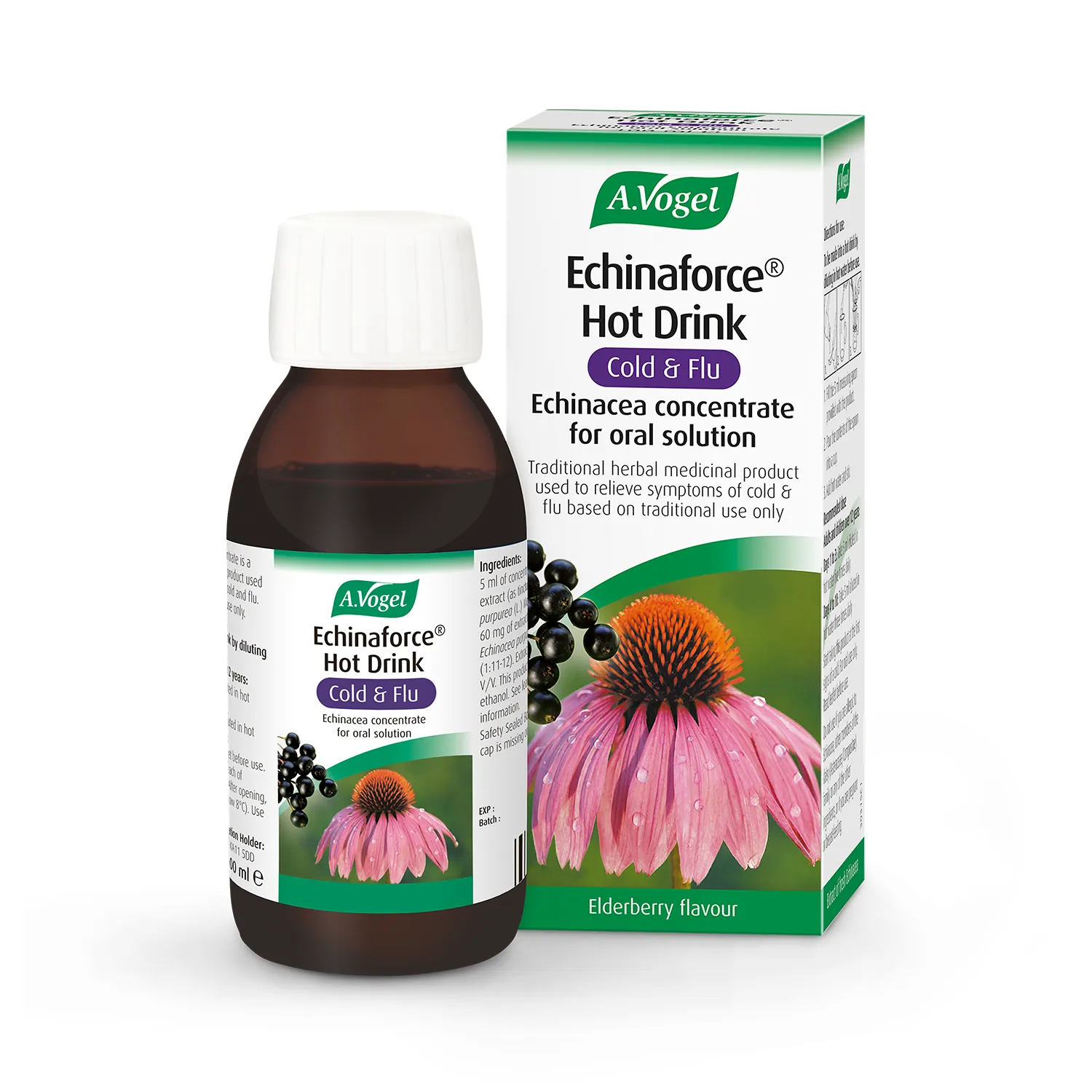
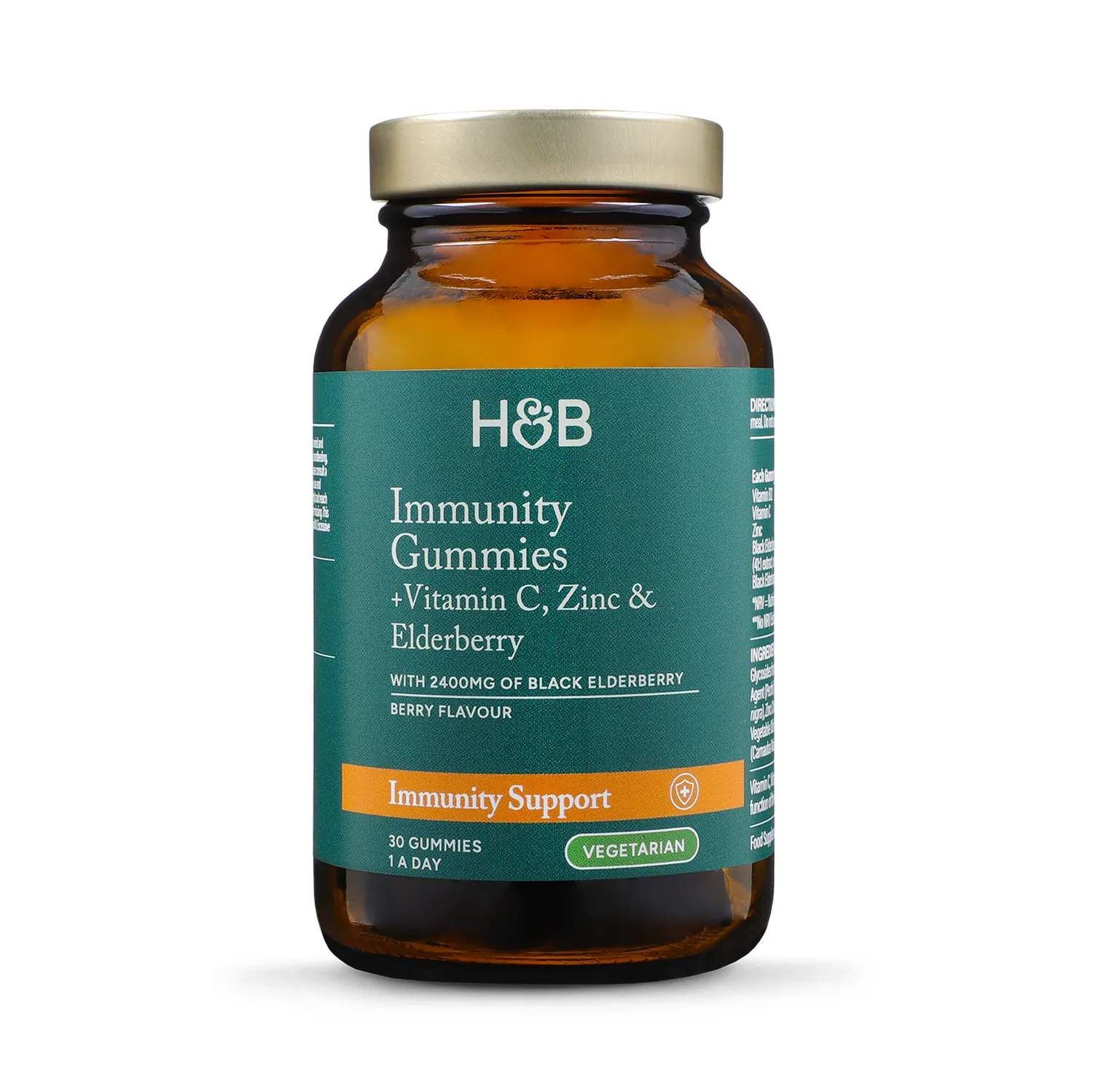
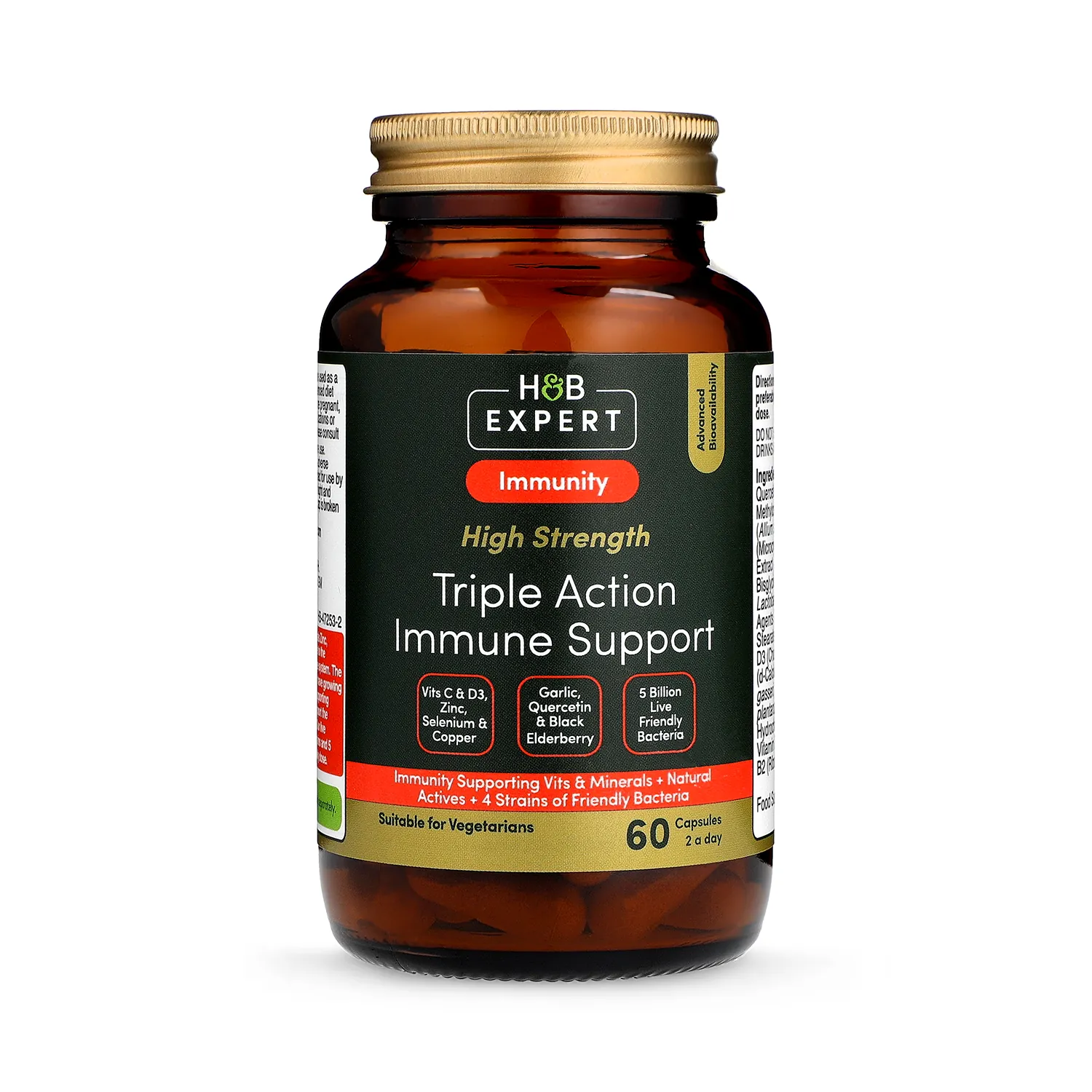
Top Elderberry Products on AIScored
Top Vitamin C Products on AIScored
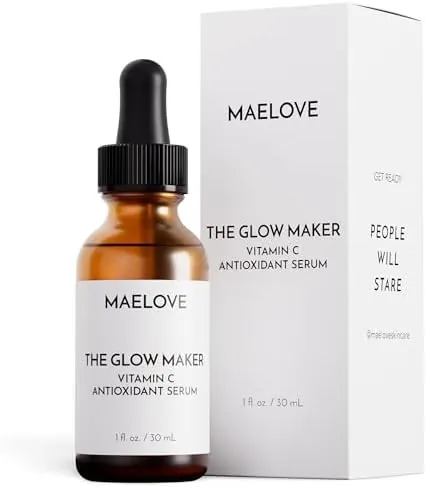
MAELOVE Vitamin C Serum, Glow Maker with Vitamins C, E, Ferulic Acid and Hyaluronic Acid, Fragrance-Free, Award-Winning Highlighting and Moisturizing Face Serum, 50 ml
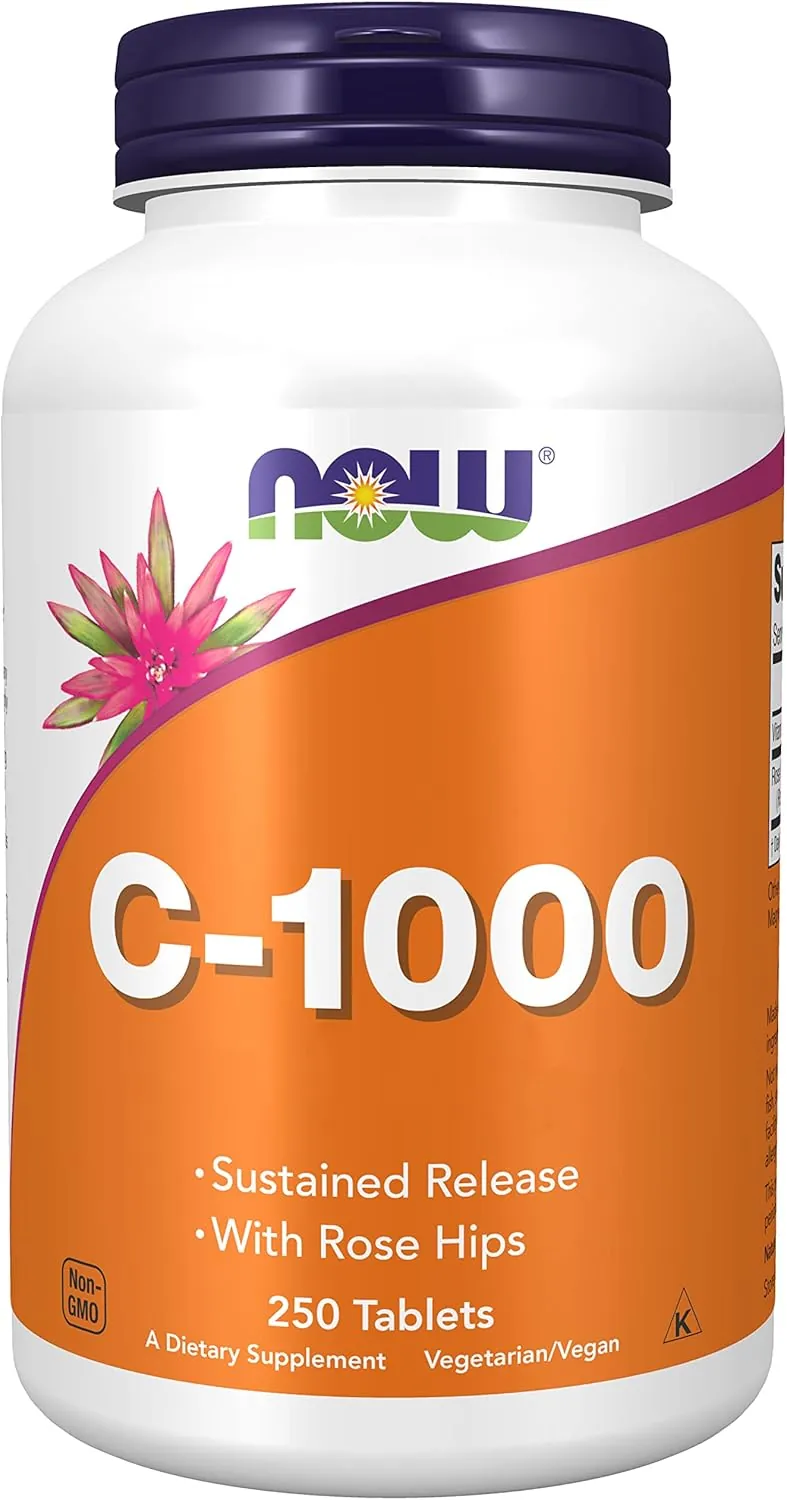
NOW Foods Vitamin C-1000 with Rose Hips & Bioflavonoids - 250 Tablets
Want to check more interactions?
Add these and other supplements to our interactive Stack Analyzer for a full analysis.
Build your full stack →