Important: This page is for informational purposes only, based on published peer-reviewed research and official UK dietary guidelines (NHS, EFSA, SACN). It does not constitute medical advice. Always consult your GP or pharmacist before starting, stopping, or combining supplements.
Elderberry and Zinc — Can You Take Them Together?
Overview
Elderberry (Sambucus nigra) and zinc are amongst the most widely used supplements for immune support in the UK, particularly during the autumn and winter months. Research suggests that when taken together, these two compounds may offer complementary antiviral and immune-modulating effects. Elderberry is rich in anthocyanins and flavonoids that appear to interfere with viral entry into host cells, whilst zinc plays a fundamental role in innate immune function and has been shown to inhibit viral replication. This pairing is commonly found in commercial immune support formulations, and the evidence base for each ingredient individually — as well as their proposed additive effects — makes this one of the more scientifically plausible herbal-mineral combinations available.
How They Interact
The proposed synergy between elderberry and zinc operates through distinct but complementary biological pathways. Elderberry's primary active compounds — cyanidin-3-glucoside and cyanidin-3-sambubioside — appear to bind to viral surface proteins, including haemagglutinin on influenza virions, thereby inhibiting their ability to attach to and enter host cells (Roschek et al., 2009, Phytochemistry). Additionally, elderberry constituents appear to modulate cytokine signalling, stimulating the production of pro-inflammatory cytokines such as interleukin-1β and tumour necrosis factor-α, which are central to early innate immune activation. Zinc operates through separate mechanisms: zinc ions have been shown to inhibit the activity of viral RNA-dependent RNA polymerase, thereby slowing replication within the host. Zinc also supports the differentiation and proliferation of T and B lymphocytes, natural killer cells, and macrophages (Prasad, 2008, Molecular Medicine). Because these mechanisms are non-overlapping — one targeting viral entry, the other viral replication and immune cell readiness — the available evidence suggests they may act additively rather than redundantly. Individual responses may vary depending on baseline zinc status and overall immune health.
Timing & Dosage Guidance
Research suggests that both elderberry and zinc are most relevant at the earliest onset of cold or flu symptoms, when viral load is still low and immune activation is most likely to be beneficial. For general immune maintenance during winter months, elderberry and zinc can be taken together with food to reduce any gastrointestinal discomfort, particularly with zinc forms such as gluconate or oxide. There is no current evidence to suggest these two compounds interfere with one another's absorption. However, zinc absorption may be reduced when taken alongside phytate-rich foods such as wholegrain cereals; amino acid-chelated forms such as zinc bisglycinate or zinc picolinate are generally considered to have higher bioavailability in this context.
The UK Reference Nutrient Intake (RNI) for zinc is 9.5 mg/day for adult men and 7 mg/day for adult women. Clinical studies examining zinc for cold symptom reduction have typically used higher acute doses — up to 75–80 mg/day as lozenges — though standard daily-use supplements typically provide 15–25 mg. EFSA sets the Upper Tolerable Intake Level for zinc at 25 mg/day for adults. For elderberry, clinical trials have generally used standardised extracts at 600–900 mg/day, often as Sambucol or equivalent preparations. Individual responses may vary, and those taking immunosuppressant medications or with autoimmune conditions should seek guidance from a qualified healthcare professional before using either compound, particularly at higher doses.
Recommended Action
This combination is common in immune support products. They can be taken together at the onset of cold symptoms.
Elderberry Timing
When: Any
Note: Take with food. Use at first sign of cold/flu symptoms. Concentrated extracts preferred — never consume raw elderberries (toxic).
Zinc Timing
When: Morning
Note: Take with food to prevent nausea. Away from iron and calcium supplements.
Scientific Evidence
3 peer-reviewed studies cited. All links lead to PubMed abstracts.
Journal of International Medical Research (2004) · PMID: 15080016
Elderberry extract (Sambucol) reduced the duration of influenza illness by an average of four days compared to placebo in a double-blind randomised controlled trial.
Nutrients (2016) · PMID: 27023596
Air travellers supplementing with elderberry experienced significantly shorter cold duration and reduced severity of symptoms compared to those receiving placebo.
JRSM Open (2017) · PMID: 28515951
Meta-analysis of randomised trials found zinc acetate lozenges shortened the duration of common cold symptoms, with effects more pronounced at higher zinc doses.
Frequently Asked Questions
Research does not indicate any absorption interference between elderberry and zinc. The two are frequently combined in commercial immune support products. Taking them together with food is advisable to minimise the mild gastrointestinal effects that some individuals experience with zinc supplementation, particularly with oxide or gluconate forms. No negative interactions between the two have been reported in the clinical literature reviewed to date. Individual responses may vary.
At present, the majority of clinical research has examined elderberry and zinc independently rather than as a combined intervention. Both have demonstrated efficacy individually: elderberry has been shown to reduce cold duration in randomised trials (Tiralongo et al., 2016, Nutrients), whilst zinc lozenges have been shown to shorten cold symptom duration (Hemilä, 2017, JRSM Open). The synergy hypothesis is mechanistically plausible given their non-overlapping antiviral actions, but dedicated combination trials remain limited.
Sustained zinc supplementation above 25 mg/day may interfere with copper absorption, as noted in EFSA's tolerable upper intake guidance. Elderberry is generally regarded as safe for short-term use; data beyond 12 weeks of continuous use remains limited. The NHS advises against taking high-dose zinc supplements without medical supervision. Both ingredients are best used at standard doses and cycled seasonally rather than taken continuously throughout the year.
Top Elderberry Products on AIScored
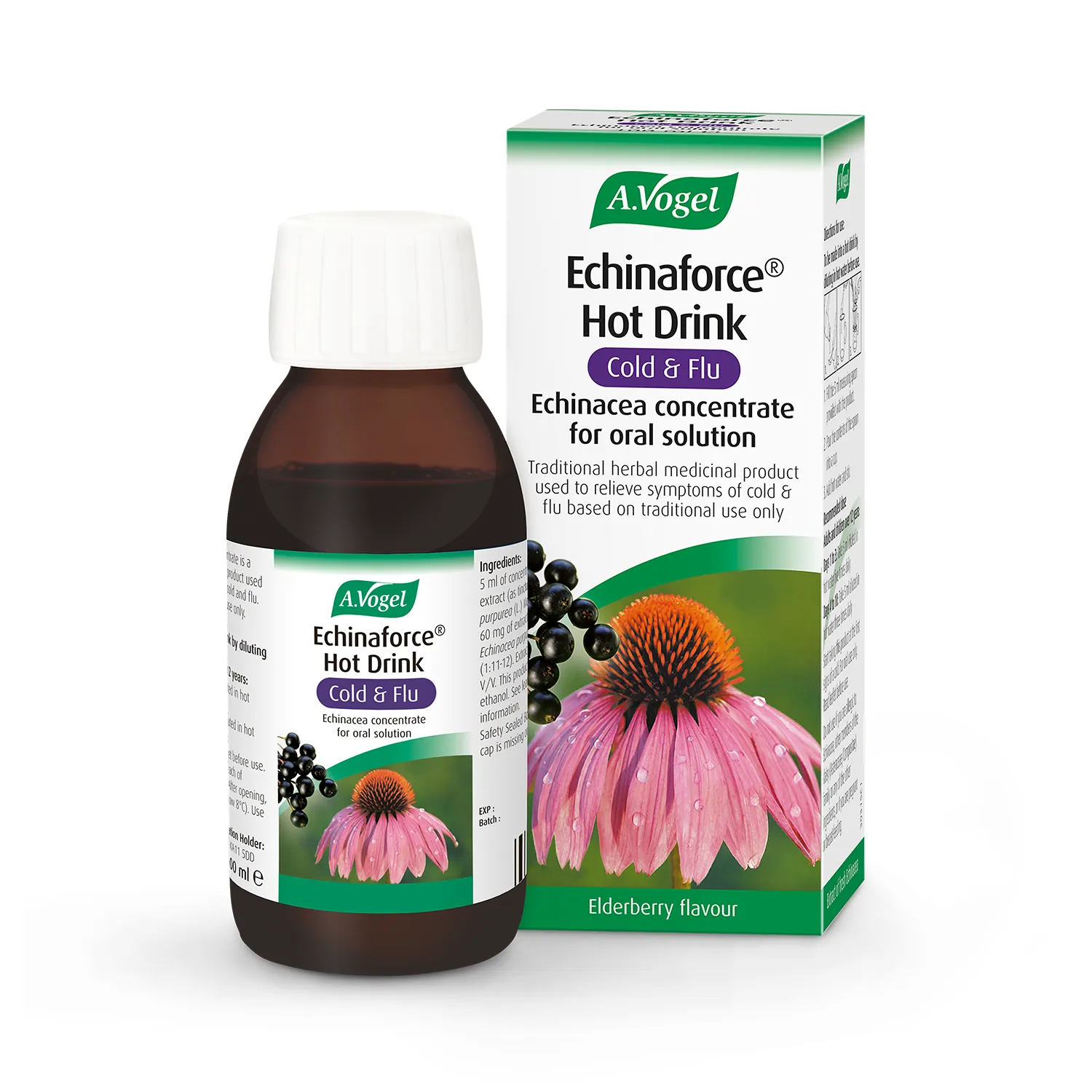
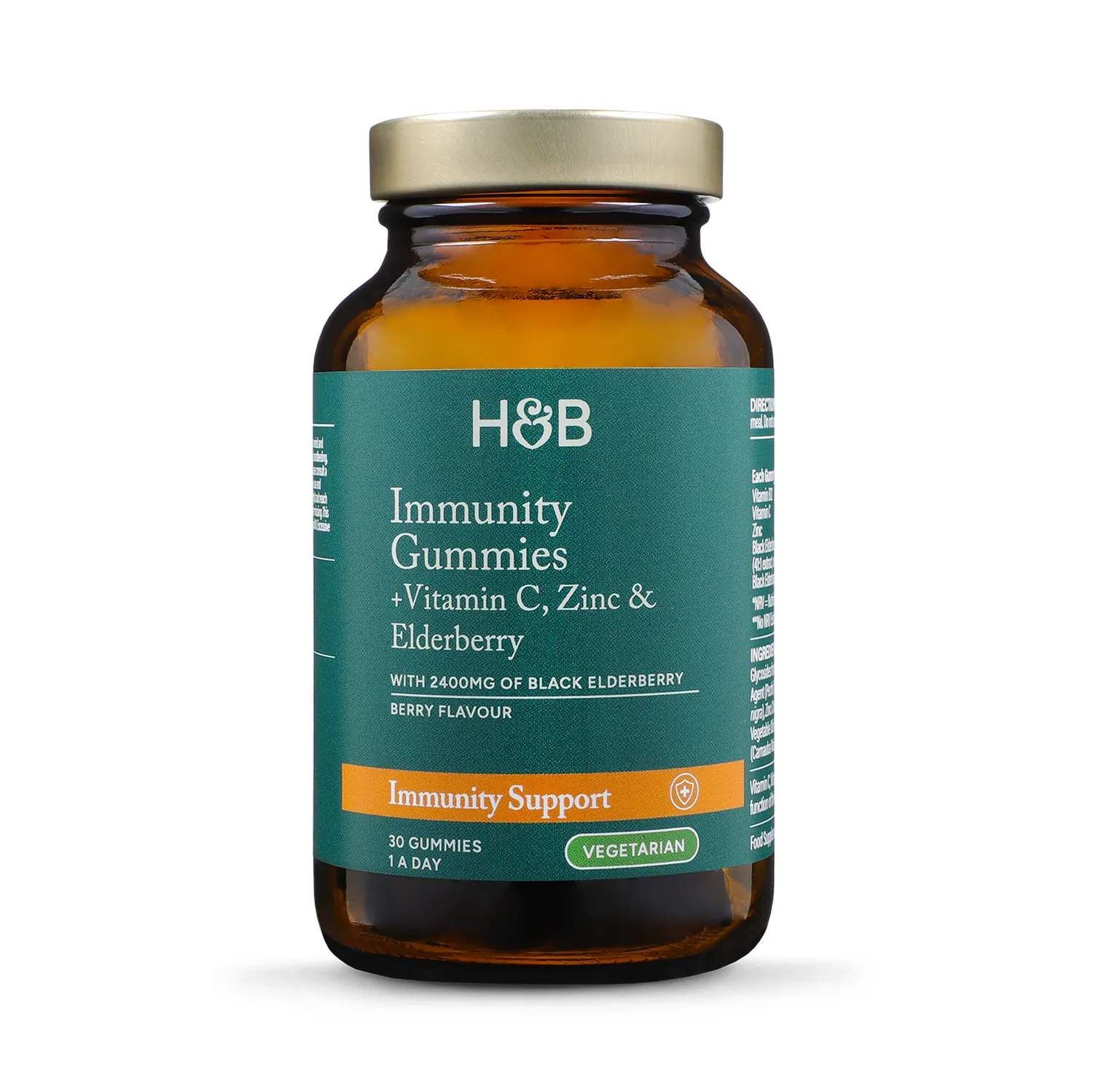
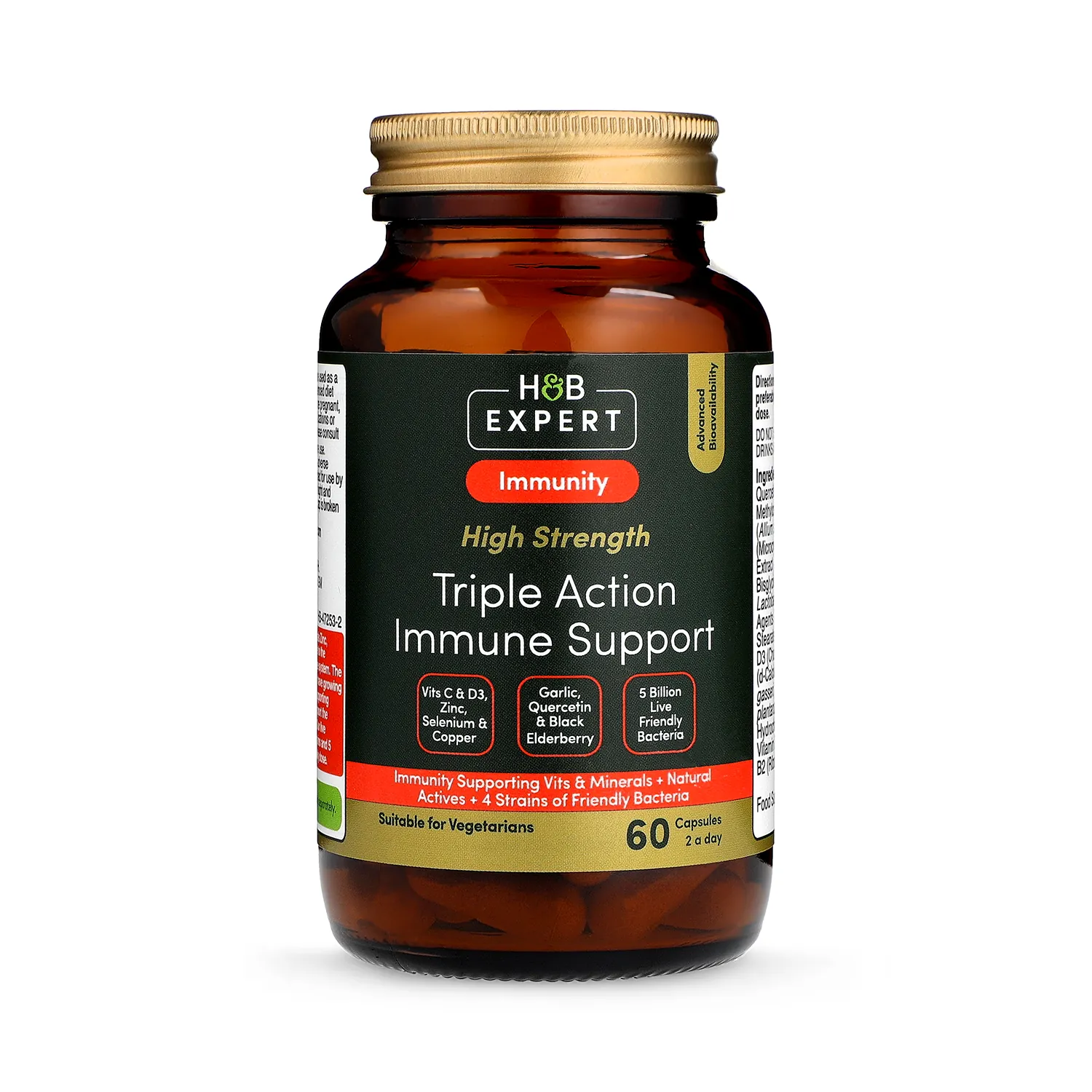
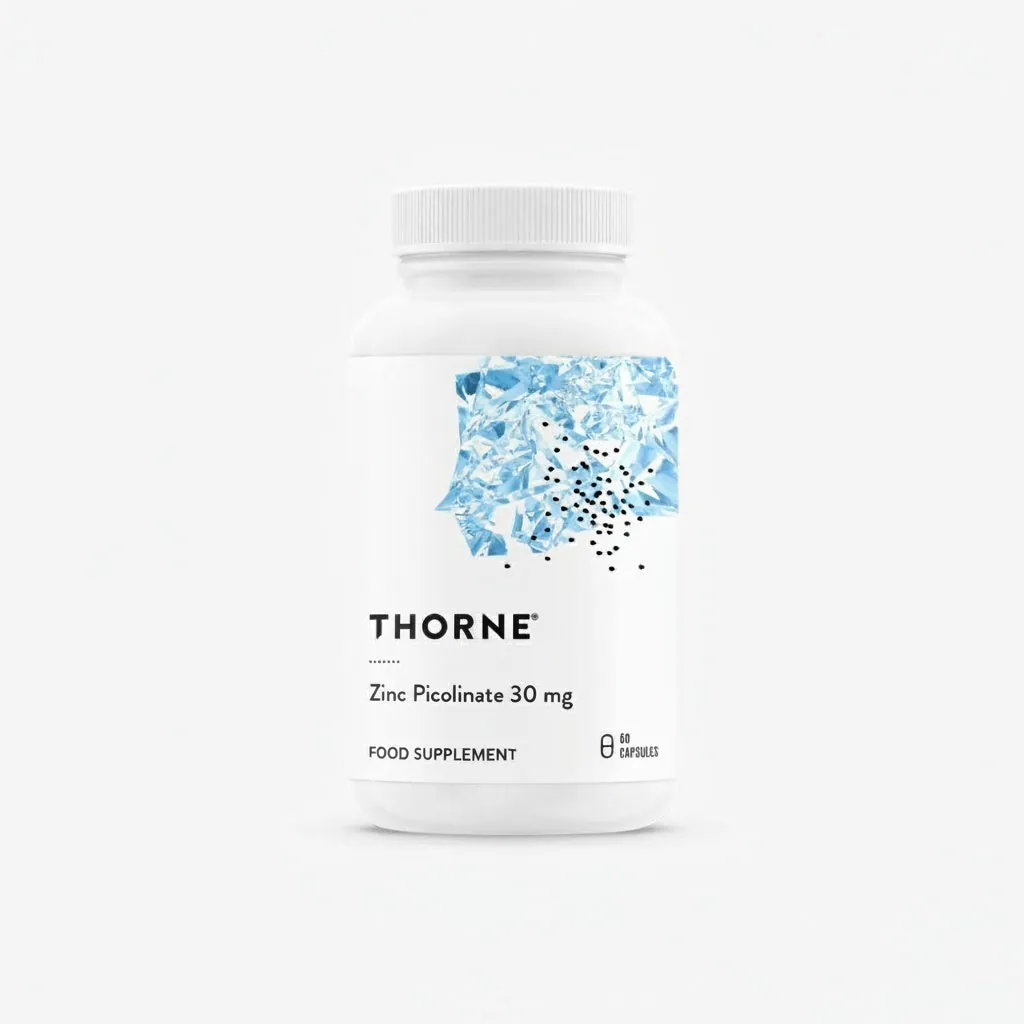
Top Zinc Products on AIScored
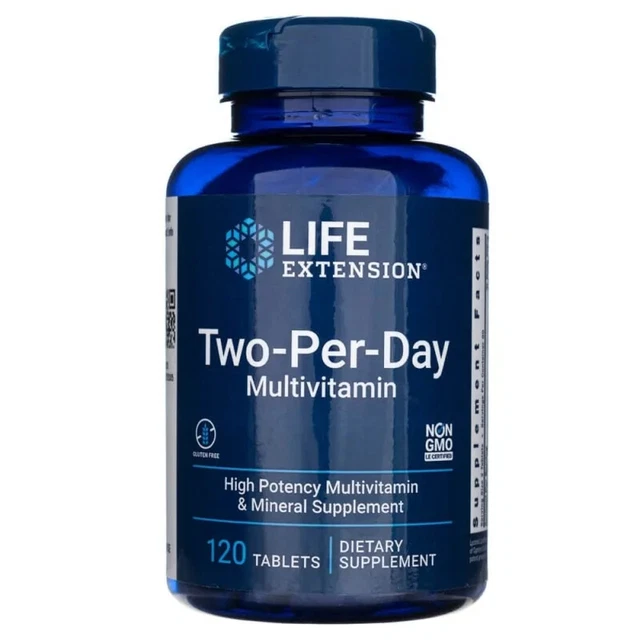
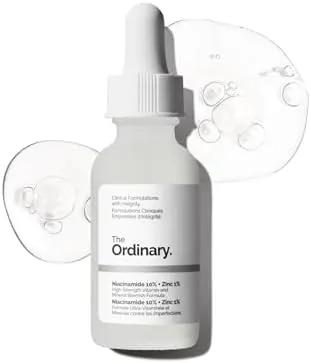
The Ordinary Niacinamide 10% + Zinc 1%, Brightening & Smoothing Serum for Blemish-Prone Skin, 30ml
Want to check more interactions?
Add these and other supplements to our interactive Stack Analyzer for a full analysis.
Build your full stack →