Important: This page is for informational purposes only, based on published peer-reviewed research and official UK dietary guidelines (NHS, EFSA, SACN). It does not constitute medical advice. Always consult your GP or pharmacist before starting, stopping, or combining supplements.
Folate and Zinc — Can You Take Them Together?
Overview
Folate and zinc are both nutritionally essential micronutrients, yet research suggests that high-dose zinc supplementation may interfere with how the body processes folate from food. This interaction is dose-dependent and hinges on a specific enzymatic step in the intestine that is required only for food-derived folate — not for synthetic folic acid or 5-methyltetrahydrofolate (5-MTHF) supplements. For most people taking supplements within typical dose ranges, the interaction is unlikely to be clinically significant. However, understanding the mechanism is valuable for anyone with elevated folate requirements — such as during pregnancy or in individuals with MTHFR polymorphisms — who may also be supplementing with higher-dose zinc.
How They Interact
Food folate exists predominantly as polyglutamyl folates — molecules with multiple glutamate residues attached to the folate backbone. Before absorption can occur, the intestinal enzyme folate conjugase (pteroylpolyglutamate hydrolase) must cleave these polyglutamyl chains into monoglutamyl folate, which is then transported across the intestinal epithelium via the proton-coupled folate transporter (PCFT, encoded by SLC46A1) and the reduced folate carrier (RFC). Research by Ghishan et al. (1986, Am J Clin Nutr) demonstrated a mutual inhibitory relationship between zinc and folate transport in intestinal brush border membrane vesicles, providing early mechanistic evidence for competition at this step. High zinc concentrations are thought to reduce folate conjugase activity, thereby impairing the deconjugation of dietary polyglutamyl folates before they can be absorbed. Critically, synthetic folic acid and 5-MTHF are both already in monoglutamyl form and therefore bypass the conjugase step entirely — meaning supplemental folate forms are largely unaffected by this mechanism. This distinction makes the interaction most relevant to individuals relying primarily on dietary folate sources such as leafy vegetables, legumes, and fortified foods. Individual responses may vary depending on intestinal pH, gut microbiome composition, and baseline folate and zinc status.
Timing & Dosage Guidance
At standard supplemental zinc doses — up to approximately 25 mg elemental zinc — the interaction with folate absorption is unlikely to be clinically meaningful, and separate timing is unlikely to offer a practical benefit. However, if higher-dose zinc supplementation (above 40 mg elemental) is being used under medical supervision, spacing it at least two to three hours away from folate-rich meals may be a reasonable precaution. Those who rely primarily on dietary folate rather than supplemental folic acid or 5-MTHF should be most attentive to this consideration. Individuals with elevated folate requirements — including those in the first trimester of pregnancy — should follow NHS guidance on folic acid supplementation regardless of zinc timing. Individual responses may vary.
The zinc-folate interaction appears dose-dependent. At UK reference nutrient intakes — 9.5 mg/day for adult men and 7 mg/day for adult women, per SACN guidance — zinc is unlikely to pose any meaningful risk to folate absorption. Standard therapeutic zinc supplements in the range of 15–25 mg elemental zinc are widely used and unlikely to cause clinically significant folate impairment. High-dose zinc protocols (40–80 mg elemental), occasionally used in clinical contexts such as Wilson's disease management, present a greater theoretical concern for individuals relying on dietary folate sources. Folic acid supplements — whether the standard 400 mcg recommended by the NHS before and during early pregnancy, or the higher 5 mg prescribed for higher-risk individuals — are in monoglutamyl form and are not meaningfully affected by zinc at any typical supplemental dose. Choosing 5-MTHF over folic acid does not alter this conclusion, as 5-MTHF is similarly unaffected by the conjugase-dependent mechanism.
Recommended Action
At typical supplement doses, this interaction is unlikely to be clinically significant. Separating high-dose zinc from folate may be prudent.
Folate Timing
When: Morning
Note: Water-soluble. Critical before and during early pregnancy to prevent neural tube defects.
Zinc Timing
When: Morning
Note: Take with food to prevent nausea. Away from iron and calcium supplements.
Scientific Evidence
3 peer-reviewed studies cited. All links lead to PubMed abstracts.
American Journal of Clinical Nutrition (1986) · PMID: 3511805
Ghishan et al. demonstrated a mutual inhibitory relationship between zinc and folate transport in rat intestinal brush border membrane vesicles, providing mechanistic evidence that high zinc concentrations may impair folate conjugase-dependent absorption of dietary polyglutamyl folates.
American Journal of Clinical Nutrition (1984) · PMID: 6711398
Milne et al. found that supplemental folic acid at typical doses did not significantly impair zinc absorption in human subjects, suggesting the bidirectional nutrient interaction is limited at standard supplemental levels.
American Journal of Clinical Nutrition (1987) · PMID: 3314400
Keating et al. found no significant impairment of zinc absorption by folic acid at physiological doses in human subjects, reinforcing the dose-dependent nature of the zinc-folate interaction and its limited relevance at typical supplemental levels.
Frequently Asked Questions
Research suggests that high zinc concentrations may inhibit the intestinal enzyme folate conjugase, which is needed to process polyglutamyl food folate before absorption. However, at typical supplemental doses of up to around 25 mg elemental zinc, this effect is unlikely to be clinically significant. Synthetic folic acid and 5-MTHF supplements are not affected by this mechanism, as they do not require conjugase activity for absorption. Individual responses may vary based on diet, gut health, and baseline nutrient status.
Yes — this distinction is important. Folic acid (synthetic) and 5-methyltetrahydrofolate (5-MTHF) are both monoglutamyl forms absorbed directly, without requiring the folate conjugase enzyme that high zinc may inhibit. The proposed interaction primarily affects polyglutamyl food folate found in vegetables, legumes, and fortified foods. If your folate intake comes primarily from a quality folic acid or 5-MTHF supplement, standard zinc supplementation is unlikely to impair your folate status.
NHS guidance recommends 400 mcg of folic acid daily before conception and during the first 12 weeks of pregnancy to support fetal neural tube development. As standard pregnancy folic acid supplements use a synthetic monoglutamyl form, they are not subject to the zinc-folate conjugase interaction. Zinc at typical doses is unlikely to impair folic acid absorption in this context. Nevertheless, any supplementation during pregnancy should be discussed with a midwife or GP, as individual nutritional needs vary.
Top Folate Products on AIScored
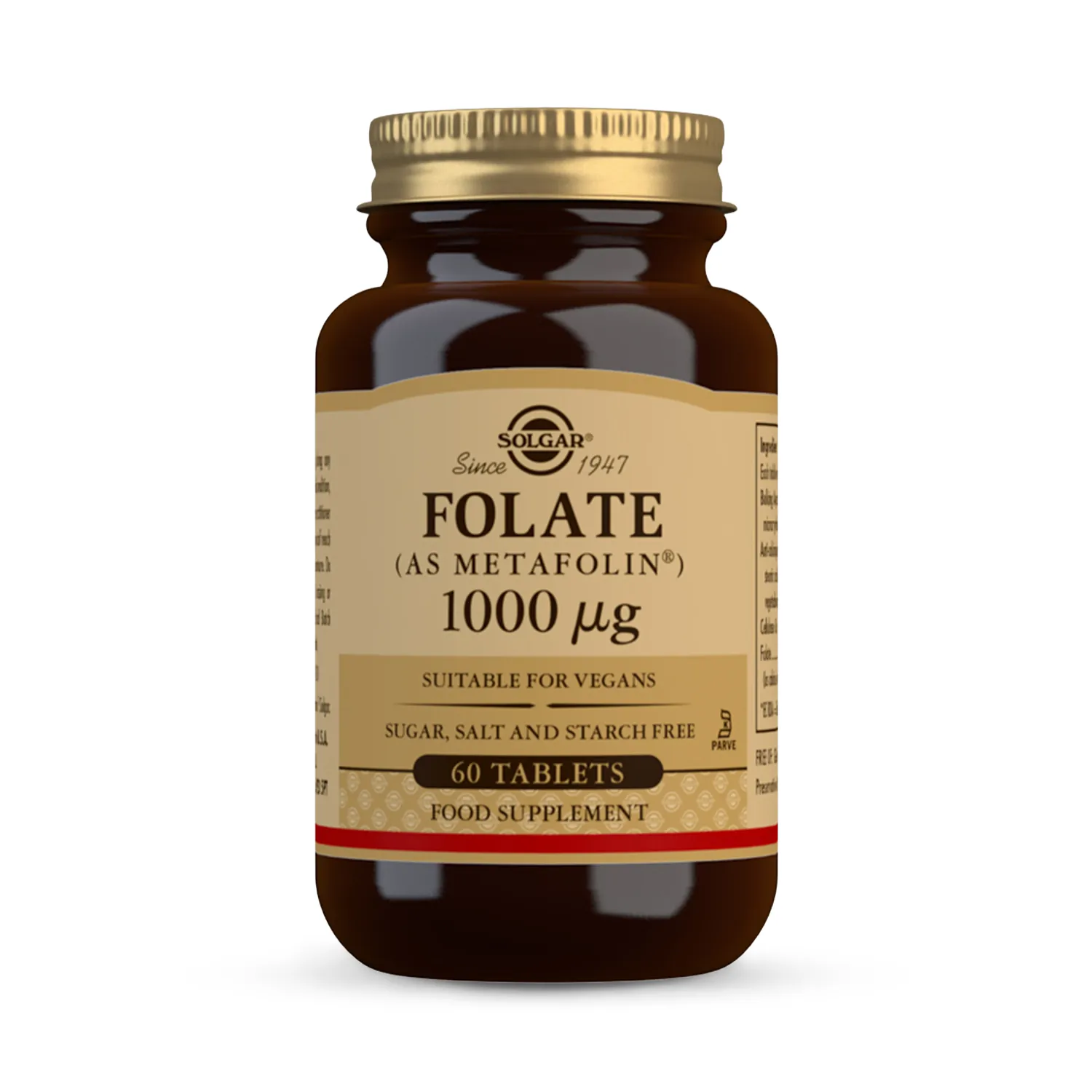
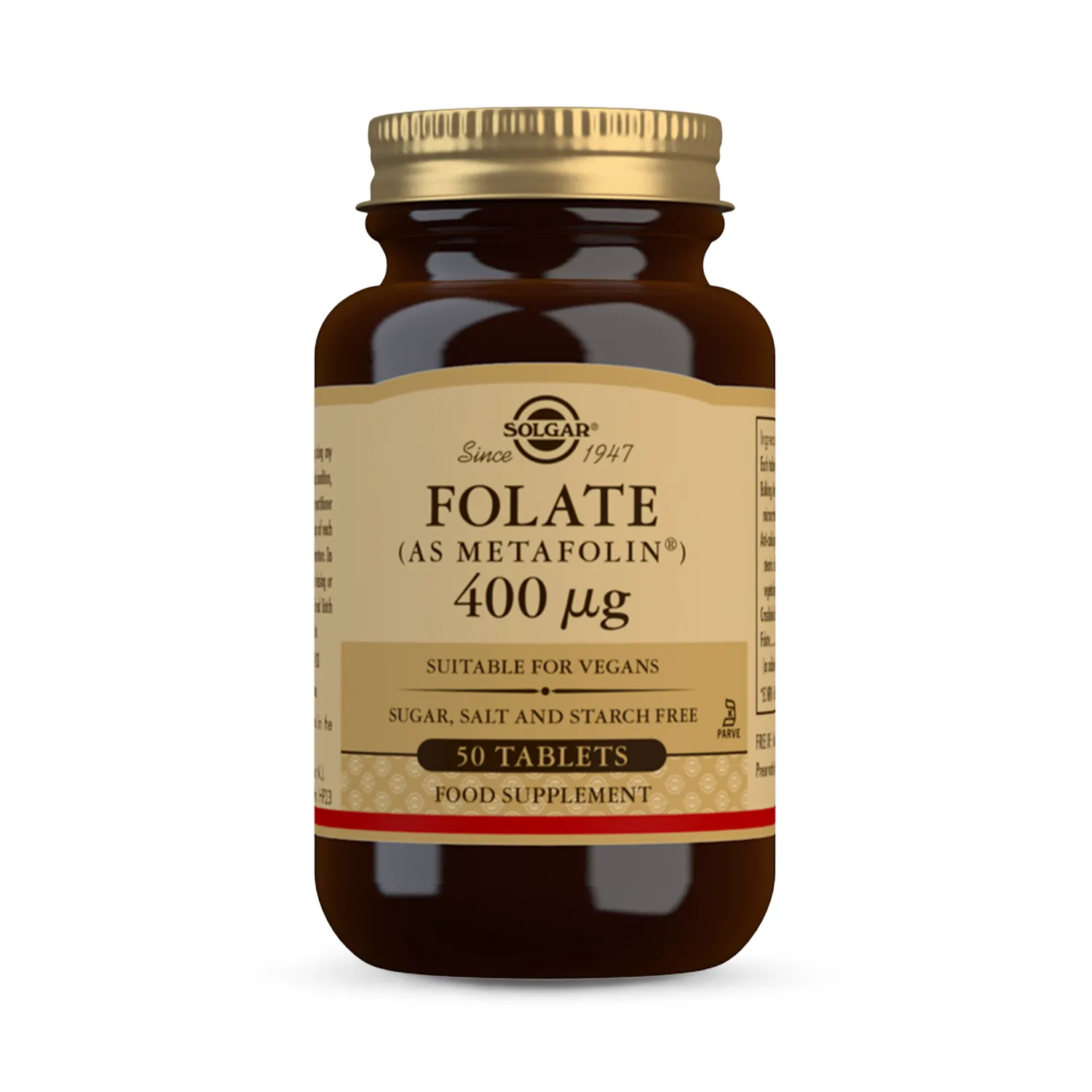
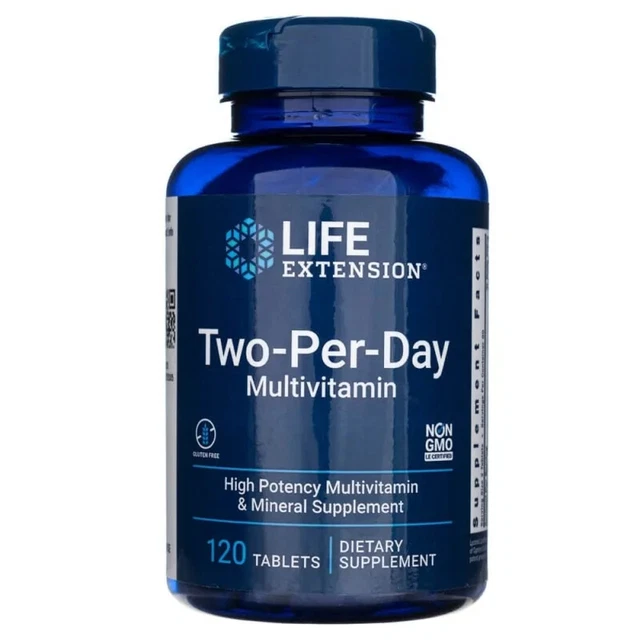
Top Zinc Products on AIScored
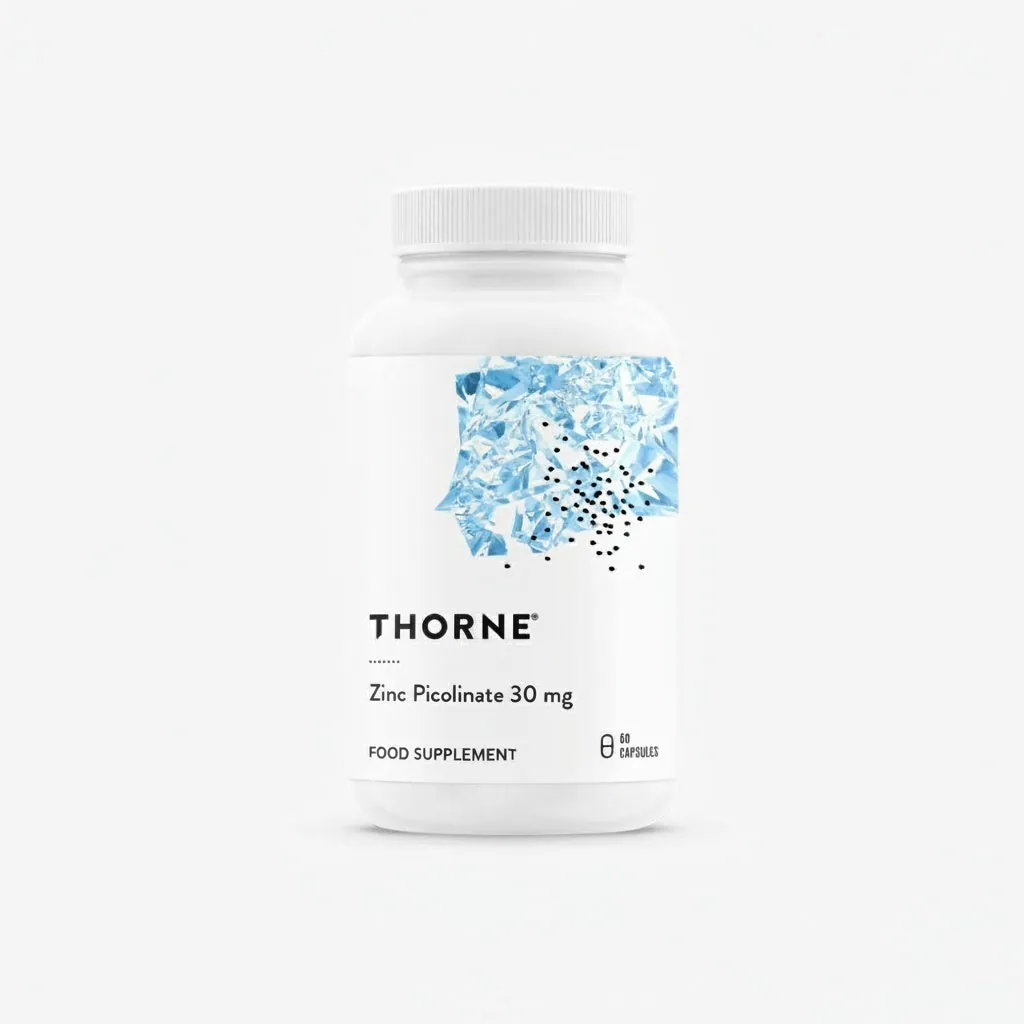
The Ordinary Niacinamide 10% + Zinc 1%, Brightening & Smoothing Serum for Blemish-Prone Skin, 30ml
Want to check more interactions?
Add these and other supplements to our interactive Stack Analyzer for a full analysis.
Build your full stack →