Important: This page is for informational purposes only, based on published peer-reviewed research and official UK dietary guidelines (NHS, EFSA, SACN). It does not constitute medical advice. Always consult your GP or pharmacist before starting, stopping, or combining supplements.
Panax Ginseng and Melatonin — Can You Take Them Together?
Overview
Panax ginseng and melatonin are widely used supplements that sit at opposite ends of the energy-alertness spectrum. Ginseng is an adaptogenic herb valued for its energising and cognitive-supporting properties, whilst melatonin is a pineal hormone used primarily for sleep support and circadian rhythm regulation. Taking both simultaneously may create opposing pharmacological signals — one promoting wakefulness, the other initiating sleep. Understanding this interaction is particularly relevant for individuals managing shift work, jet lag recovery, or general sleep hygiene alongside an adaptogenic supplement regimen. Individual responses may vary significantly depending on timing, dose, and individual metabolism.
How They Interact
The timing conflict arises from two distinct physiological pathways operating in opposition. Panax ginseng's primary active constituents — ginsenosides — have been shown to modulate the hypothalamic-pituitary-adrenal (HPA) axis, influencing cortisol regulation and catecholamine release (Lee & Rhee, Journal of Ginseng Research, 2017). These effects promote alertness, stress resilience, and energy availability, consistent with ginseng's classification as an adaptogen that primes the body toward arousal. Melatonin, by contrast, acts through high-affinity MT1 and MT2 membrane receptors in the suprachiasmatic nucleus (SCN) of the hypothalamus. Research by Dijk and Cajochen (Journal of Biological Rhythms, 1997) demonstrated that melatonin promotes sleep onset by inhibiting wakefulness-generating circuits — the very circuits that ginsenosides appear to activate. When administered concurrently, these opposing signals may attenuate each other's intended effect, potentially reducing melatonin's sleep-initiating efficacy whilst partially undermining ginseng's energising benefits. The clinical magnitude of this antagonism is not yet established in human trials, and individual responses may vary.
Timing & Dosage Guidance
Separating these two supplements by time of day is the most practical way to avoid pharmacological conflict. Ginsenoside pharmacokinetics suggest peak systemic activity within 2–3 hours of oral administration, supporting a morning or midday dosing window for Panax ginseng, ideally taken with food. Melatonin is best taken 30–60 minutes before intended bedtime. This natural separation — ginseng in the morning, melatonin in the evening — eliminates concurrent exposure to opposing HPA-activating and sleep-initiating signals. Importantly, in the UK, melatonin is classified as a Prescription Only Medicine (POM). It is available via NHS prescription for adults aged 55 and over, and any use should be discussed with a GP.
Panax ginseng is typically studied at standardised extract doses of 200–400 mg per day, providing 4–7% ginsenosides, as used in clinical fatigue research (Sung et al., Complementary Therapies in Medicine, 2020). Higher doses may produce more pronounced HPA-activating effects, which could theoretically extend any pharmacological conflict with evening melatonin. Melatonin doses in clinical research range broadly from 0.5 mg to 5 mg; the lowest effective dose is generally considered appropriate to minimise residual sedation. In UK clinical practice, the licensed formulation Circadin (2 mg prolonged-release) is the standard prescription option. Given the contrasting activity profiles of these supplements, dose escalation of either without guidance from a healthcare professional is not advisable.
Recommended Action
Ginseng is best taken in the morning. Melatonin is taken at bedtime. Separating them by timing naturally avoids any conflict.
Panax Ginseng Timing
When: Morning
Note: Morning with food. Stimulating — avoid evening use. Consider cycling (8 weeks on, 2 weeks off) to maintain efficacy.
Melatonin Timing
When: Evening
Note: Take 30-60 minutes before bed in dim light. Lower doses (0.5-1 mg) are often more effective than high doses. In UK, doses above 2 mg are prescription only (Circadin).
Scientific Evidence
4 peer-reviewed studies cited. All links lead to PubMed abstracts.
Journal of Ginseng Research (2017) · PMID: 29021708
Ginseng modulated the HPA axis and regulated immune and hormonal responses to stress, supporting its classification as an adaptogen that promotes physiological arousal and resilience against chronic stressors.
Journal of Biological Rhythms (1997) · PMID: 9406038
Daytime melatonin administration significantly increased sleep propensity and produced EEG patterns resembling nighttime sleep, demonstrating melatonin's role in suppressing wakefulness-generating circuits in the central nervous system.
Neuroscience Letters (1990) · PMID: 2336186
Chronic ginseng treatment significantly reduced fluctuations in sleep and wakefulness during food deprivation in rats, suggesting a modulatory rather than purely stimulatory effect on sleep-wake regulation.
Nutrients (2021) · PMID: 34684482
A review of 52 clinical studies found that exogenous melatonin supplementation supports circadian rhythm restoration, though substantial gaps remain in clinical research on optimal dosing protocols and timing strategies.
Frequently Asked Questions
Research suggests that temporal separation makes same-day use unlikely to cause a clinically significant interaction. The concern is concurrent administration — for example, taking both in the evening. Taking ginseng in the morning and melatonin at bedtime is consistent with the physiological role of each supplement and naturally avoids opposing pharmacological signals. Individual responses may vary depending on dose and personal metabolism.
Based on known mechanisms — ginsenosides activating HPA axis and catecholamine pathways whilst melatonin inhibits wakefulness-generating circuits — there is a plausible pharmacological basis for interference if both are taken simultaneously. No direct clinical trial has investigated this specific combination in humans, so the magnitude of any antagonism remains uncertain. Studies indicate that timing separation largely mitigates this theoretical concern.
Unlike in the United States and many EU countries, melatonin is classified as a Prescription Only Medicine (POM) in the UK. It is available on NHS prescription — most commonly as Circadin (2 mg prolonged-release) for adults aged 55 and over. The MHRA has also approved specific formulations for paediatric use in defined clinical contexts. UK residents are advised to consult their GP rather than purchasing from unregulated online sources.
Top Panax Ginseng Products on AIScored
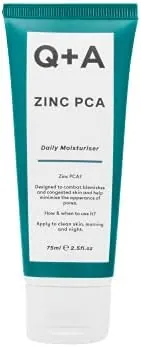
Q+A Zinc PCA Daily Moisturiser (75ml), Hydrating Moisturiser Face Cream for Oily and Blemish-Prone Skin, with Niacinamide and Ginseng, Oil Control and Pore Minimising, Fragrance Free Skincare

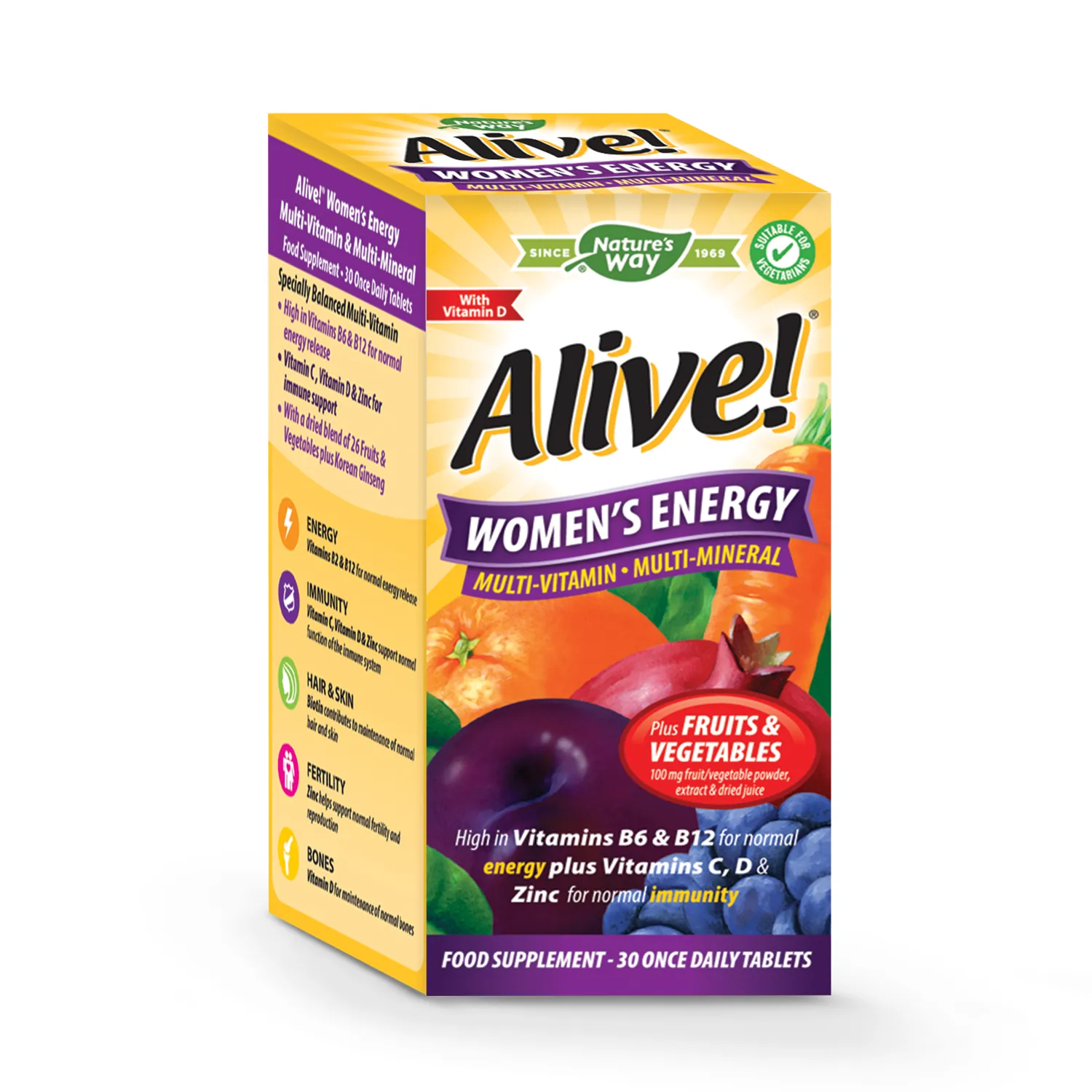
Top Melatonin Products on AIScored
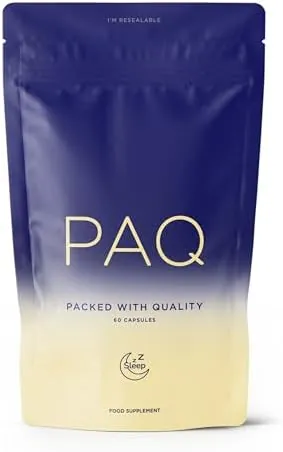
Sleep PAQ Natural Sleep Aid – 60 Vegan Capsules – Magnesium, L-Theanine, Passion Flower, Cherry – Non-Habit Forming, No Melatonin – Clinically Dosed for Sleep, Recovery & Relaxation
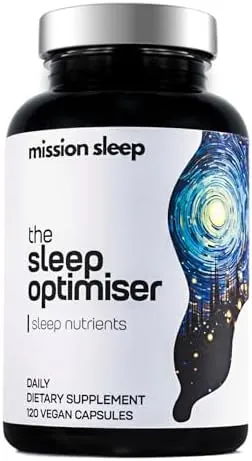
The Sleep Optimiser Sleeping Capsules - Non Melatonin Tablets Sleep Supplement for Adults with Magnesium Glycinate, L Theanine, Apigenin & Zinc - Nutrient-Based Sleeping Aid Suitable for Long Term Use
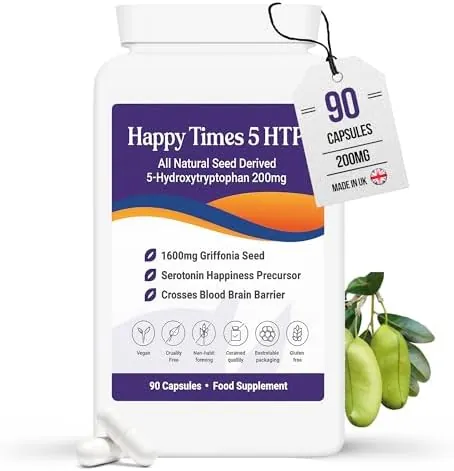
Happy Times Double Strength 5-HTP Supplement (200mg) Amino Acid 5 Hydroxytryptophan -Serotonin Melatonin Happiness Hormone Precursor Natural Griffonia Seed Extract Herbal Healthy Sleeping
Want to check more interactions?
Add these and other supplements to our interactive Stack Analyzer for a full analysis.
Build your full stack →