Important: This page is for informational purposes only, based on published peer-reviewed research and official UK dietary guidelines (NHS, EFSA, SACN). It does not constitute medical advice. Always consult your GP or pharmacist before starting, stopping, or combining supplements.
Panax Ginseng and Rhodiola Rosea — Can You Take Them Together?
Overview
Panax ginseng and Rhodiola rosea are two of the most extensively studied adaptogenic herbs, each with a distinct pharmacological profile and centuries of traditional use. Research suggests that together they may offer complementary support for energy, cognitive performance, and stress resilience — working through partially overlapping yet mechanistically distinct pathways. Both herbs appear in combination adaptogenic formulas, and emerging clinical evidence supports their individual efficacy. Individual responses may vary considerably depending on health status, lifestyle, and the quality of extract used.
How They Interact
Panax ginseng's primary bioactive compounds — ginsenosides — have been shown in preclinical and clinical research to modulate the hypothalamic-pituitary-adrenal (HPA) axis, attenuating stress-induced cortisol elevations and influencing nitric oxide synthase activity, which supports vascular tone and cellular energy metabolism. A 2012 review by Chan (International Journal of Food Sciences and Nutrition, PMID: 22039930) noted that Panax ginseng exerts adaptogenic effects via multiple neuroendocrine targets, including catecholamine modulation. Rhodiola rosea acts through complementary but distinct mechanisms: its active compounds — rosavins and salidroside — inhibit monoamine oxidase (MAO-A and MAO-B) activity, support dopamine and noradrenaline signalling, and appear to attenuate cortisol release under acute stress. A 2009 randomised, double-blind, placebo-controlled trial by Olsson et al. (Planta Medica, PMID: 19016404) demonstrated that the standardised SHR-5 extract significantly reduced burnout scale scores and improved attention indices in subjects with stress-related fatigue. The two herbs therefore engage the cellular stress response through different molecular targets — a divergence that may explain the rationale behind their combined use in adaptogenic formulations.
Timing & Dosage Guidance
Both Panax ginseng and Rhodiola rosea have mild stimulating properties, and research suggests taking them in the morning — ideally with or shortly after breakfast — to align with the body's natural cortisol peak and minimise the likelihood of disrupting sleep. A 2003 randomised trial by Shevtsov et al. (Phytomedicine, PMID: 12725561) used a morning dosing protocol for Rhodiola rosea SHR-5 and observed improvements in mental performance under stressful conditions. Ginseng clinical trials have similarly employed morning dosing schedules. Taking either herb in the afternoon or evening is generally not recommended. Individual responses may vary; some people report heightened alertness even from morning doses.
Neither Panax ginseng nor Rhodiola rosea has an established Recommended Daily Amount (RDA) under UK or EFSA frameworks. Clinical trials with Rhodiola rosea have most commonly used standardised SHR-5 extract at 200–600 mg per day (standardised to 3% rosavins and 1% salidroside). Panax ginseng trials have typically used 200–400 mg per day of standardised extract (4–7% ginsenosides). No large-scale dose-finding studies for this specific combination exist, so beginning at the lower end of each individual range is a sensible starting point. Product quality and standardisation levels vary considerably in the UK market — verified standardisation declarations on the label are worth checking before purchase.
Recommended Action
This combination is used in some adaptogenic formulas for energy and focus. Both are best taken in the morning to avoid potential sleep interference.
Panax Ginseng Timing
When: Morning
Note: Morning with food. Stimulating — avoid evening use. Consider cycling (8 weeks on, 2 weeks off) to maintain efficacy.
Rhodiola Rosea Timing
When: Morning
Note: Morning or early afternoon — mildly stimulating. Take before meals. Avoid evening use as it may affect sleep.
Scientific Evidence
4 peer-reviewed studies cited. All links lead to PubMed abstracts.
Planta Medica (2009) · PMID: 19016404
Rhodiola rosea SHR-5 extract significantly reduced burnout scale scores and improved attention concentration indices compared to placebo in subjects with stress-related fatigue.
Phytomedicine (2003) · PMID: 12725561
Both tested doses of Rhodiola rosea SHR-5 produced a pronounced anti-fatigue effect reflected in improved mental capacity scores under stressful examination conditions.
Journal of Medicinal Food (2019) · PMID: 31149868
Both Rhodiola rosea and Panax ginseng reduced exercise-induced creatine phosphokinase and lactate dehydrogenase levels in rats, suggesting complementary protective effects against physical stress-induced muscle damage.
Complementary Therapies in Medicine (2020) · PMID: 31987248
Korean red ginseng demonstrated significant fatigue-reducing effects compared to placebo in adults aged over 50 with moderate chronic fatigue, with no adverse events observed over six weeks.
Frequently Asked Questions
Both herbs are generally considered well tolerated at studied doses individually. A 2019 preclinical study by Bang et al. (Journal of Medicinal Food, PMID: 31149868) found no adverse metabolic effects when both were administered to rats under physical stress. Robust human combination safety data remains limited, however. Those taking anticoagulant, antidepressant, or blood sugar management medication should consult a healthcare professional before combining these herbs. Individual responses may vary.
In individual herb trials, measurable effects on fatigue and stress markers have been observed after 2–4 weeks of consistent daily use. Shevtsov et al. (2003, Phytomedicine, PMID: 12725561) noted cognitive performance improvements with Rhodiola rosea over a single two-week period. Ginseng research typically uses 4–8 week assessment windows. No specific timeline data exists for this combination, and outcomes will depend on individual health status, lifestyle factors, and extract quality.
Research suggests both adaptogens may support energy metabolism via non-stimulant mechanisms — Panax ginseng through HPA axis modulation and nitric oxide pathways, and Rhodiola rosea via catecholamine signalling. Neither herb is thought to act through adenosine receptor blockade as caffeine does. Olsson et al. (2009, Planta Medica, PMID: 19016404) reported fatigue improvements with Rhodiola rosea without stimulant-associated side effects. Both herbs may complement a caffeine-reduction approach, though they are not direct substitutes.
Top Panax Ginseng Products on AIScored
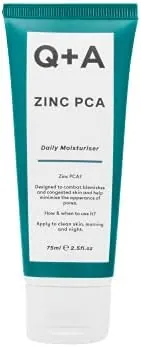
Q+A Zinc PCA Daily Moisturiser (75ml), Hydrating Moisturiser Face Cream for Oily and Blemish-Prone Skin, with Niacinamide and Ginseng, Oil Control and Pore Minimising, Fragrance Free Skincare

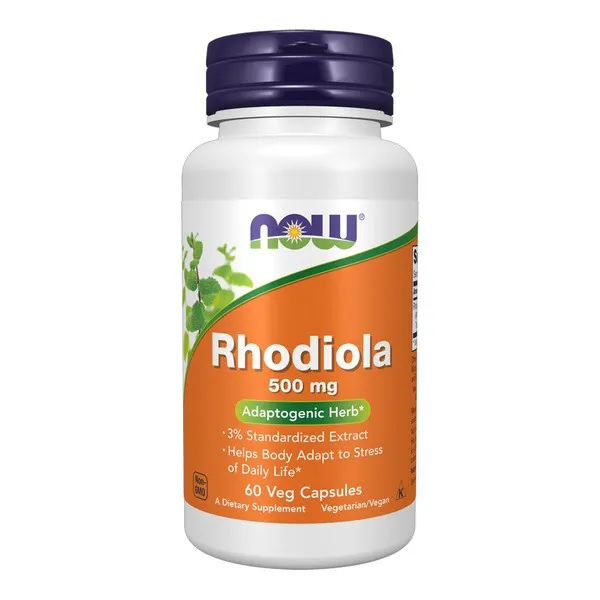
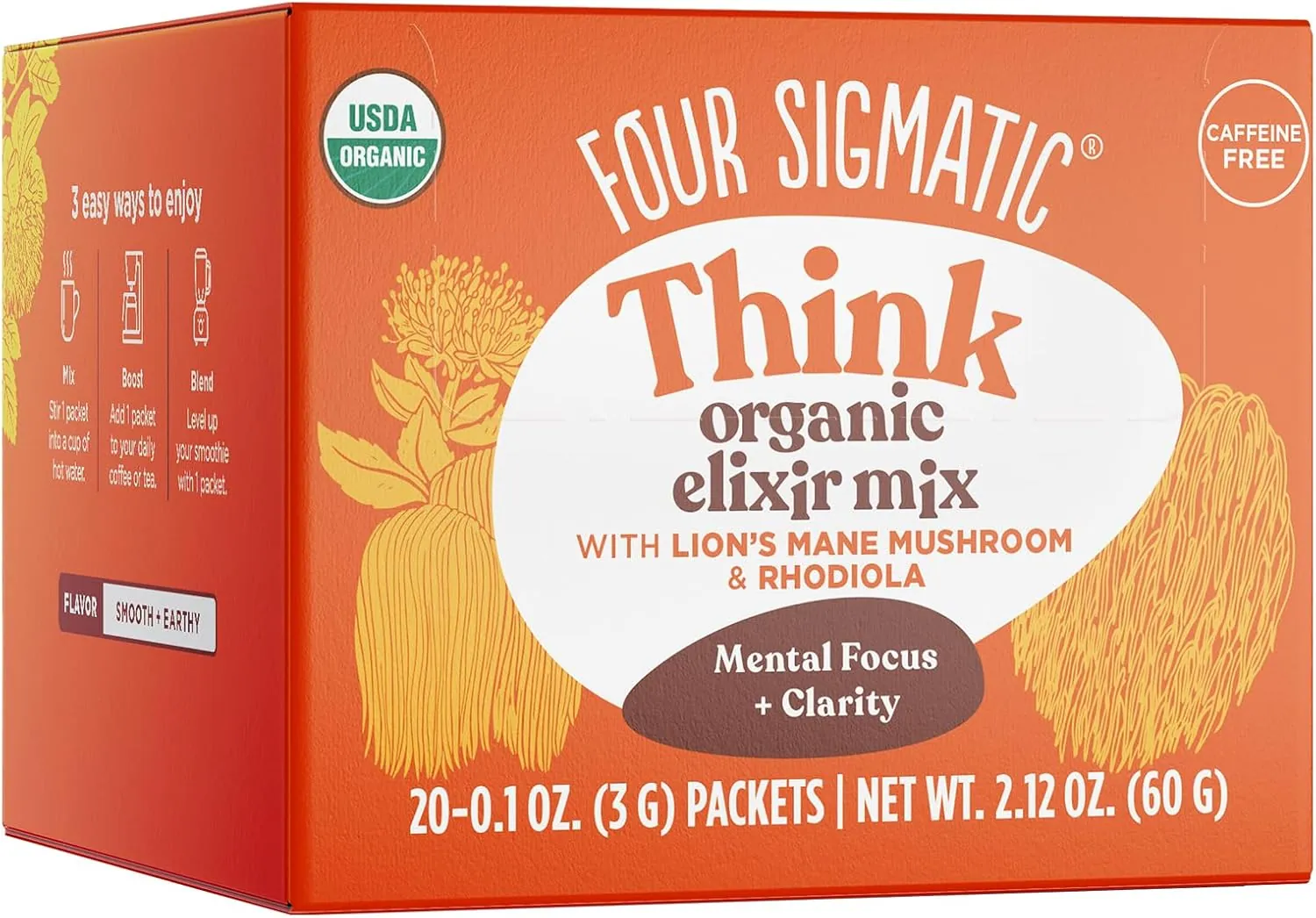
Top Rhodiola Rosea Products on AIScored

Want to check more interactions?
Add these and other supplements to our interactive Stack Analyzer for a full analysis.
Build your full stack →