Important: This page is for informational purposes only, based on published peer-reviewed research and official UK dietary guidelines (NHS, EFSA, SACN). It does not constitute medical advice. Always consult your GP or pharmacist before starting, stopping, or combining supplements.
Glucosamine and Omega-3 — Can You Take Them Together?
Overview
Glucosamine and omega-3 fatty acids are among the most widely used joint-support supplements in the UK, each with an established research profile. What makes this pairing particularly interesting is that they appear to act through distinct, complementary mechanisms — glucosamine supporting the structural integrity of cartilage, and omega-3 fatty acids (EPA and DHA) helping to modulate the inflammatory environment within joints. Research suggests that addressing joint health from both structural and biochemical angles simultaneously may offer greater benefit than either supplement alone. Individual responses may vary, and the evidence base for the combination is currently categorised as moderate.
How They Interact
The proposed synergy between glucosamine and omega-3 operates through two distinct biological pathways. Glucosamine sulphate acts as a precursor for glycosaminoglycans (GAGs) — structural polysaccharides essential to cartilage architecture and the extracellular matrix. Evidence from in vitro and clinical studies suggests glucosamine may stimulate proteoglycan synthesis in chondrocytes, potentially slowing the degradation of articular cartilage over time. Omega-3 fatty acids (principally EPA and DHA) exert their effects primarily through the eicosanoid pathway: EPA competes with arachidonic acid for access to COX-2 and 5-LOX enzymes, reducing the production of pro-inflammatory prostaglandins — particularly PGE2 — and leukotrienes in synovial tissue. DHA-derived specialised pro-resolving mediators, including resolvins and protectins, further support the active resolution of inflammation rather than merely suppressing it. Together, these compounds address joint health structurally and biochemically, with no identified pharmacological antagonism between them in the published literature.
Timing & Dosage Guidance
Both glucosamine and omega-3 are generally recommended to be taken with food. Omega-3 fatty acids are fat-soluble, meaning their absorption is enhanced when consumed alongside a meal containing dietary fat — a consideration particularly relevant for ethyl ester formulations, which show the greatest food-dependency. Glucosamine sulphate absorption is not significantly food-dependent but is better tolerated with meals, especially for individuals prone to mild gastrointestinal sensitivity. Taking both supplements together with a main meal is a practical and well-tolerated approach. Glucosamine sulphate is typically administered once or twice daily, whilst omega-3 doses are often divided across two meals to minimise fishy aftertaste or digestive discomfort. No negative timing interactions between these two supplements have been identified in clinical literature.
The most clinically studied dose of glucosamine sulphate for joint support is 1,500 mg per day — taken as a single daily dose or divided — as evaluated in the landmark GAIT trial (Clegg et al., 2006, New England Journal of Medicine). For omega-3, joint-related research typically employs doses of 1,000–3,000 mg combined EPA+DHA daily, considerably above the SACN population recommendation of 450 mg EPA+DHA per week, which is aimed at cardiovascular health rather than joint outcomes. Doses above 1,500 mg of glucosamine have not demonstrated additional benefit in available evidence. Individuals with shellfish allergies should note that most glucosamine formulations are derived from crustacean shells; fermentation-derived or synthetic alternatives exist. Those taking anticoagulant medication should seek medical advice before using higher-dose omega-3 supplements, given their mild antiplatelet effects at elevated intakes.
Recommended Action
These can be taken together with a meal for joint support.
Glucosamine Timing
When: Any
Note: Take with food to reduce GI discomfort. Effects may take 4-8 weeks to become noticeable. Often combined with chondroitin.
Omega-3 Timing
When: Any
Note: Take with a meal containing fat for best absorption. Split high doses across meals to reduce fishy burps. Freeze capsules to reduce aftertaste.
Scientific Evidence
3 peer-reviewed studies cited. All links lead to PubMed abstracts.
Advances in Therapy (2009) · PMID: 19756416
The combination of glucosamine sulphate and omega-3 fatty acids produced significantly greater reductions in joint discomfort scores than glucosamine sulphate alone in a randomised trial of patients with osteoarthritis.
New England Journal of Medicine (2006) · PMID: 16495392
The GAIT trial established glucosamine sulphate at 1,500 mg/day as a clinical benchmark, finding significant pain reduction in the subgroup of patients with moderate-to-severe knee osteoarthritis.
The Lancet (2001) · PMID: 11214126
Over three years, glucosamine sulphate at 1,500 mg/day significantly reduced joint space narrowing and symptom progression compared with placebo, supporting a structural as well as symptomatic benefit in knee osteoarthritis.
Frequently Asked Questions
A randomised trial by Gruenwald et al. (2009, Advances in Therapy) assessed glucosamine sulphate with and without omega-3 supplementation in osteoarthritis patients, finding the combination produced meaningfully greater reductions in joint discomfort scores compared with glucosamine alone. Whilst the study was modest in size and had industry involvement, it provides preliminary support for a genuine additive effect. Larger independent trials are needed before firm conclusions can be drawn, and individual responses may vary.
EFSA has assessed both ingredients separately under EU-derived UK retained food law. Glucosamine claims related to cartilage maintenance at 1,500 mg per day have received conditional consideration, though approved wording is tightly defined. For omega-3, EFSA has authorised claims for EPA and DHA regarding normal cardiac function, and DHA for brain and visual function maintenance. No specific approved joint or anti-inflammatory claims currently exist for omega-3. Consumers should evaluate product label claims carefully against this regulatory context.
No direct adverse interaction between glucosamine and omega-3 has been identified in clinical literature. Glucosamine sulphate demonstrated an acceptable safety profile over three years in the Reginster et al. (2001, Lancet) long-term trial. Higher-dose omega-3 above 3,000 mg EPA+DHA daily may have mild anticoagulant properties and warrants caution for those on warfarin or antiplatelet therapies. Both supplements are generally well tolerated at standard doses, though individual responses may vary and periodic review with a healthcare professional is advisable.
Top Glucosamine Products on AIScored
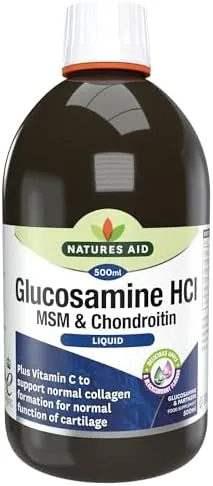
Natures Aid Glucosamine MSM & Chondroitin with Vitamin C Liquid 500ml - High Strength Joint Support - Mobility & Cartilage Health, Collagen Formation, Non-GMO, Gluten-Free Supplement
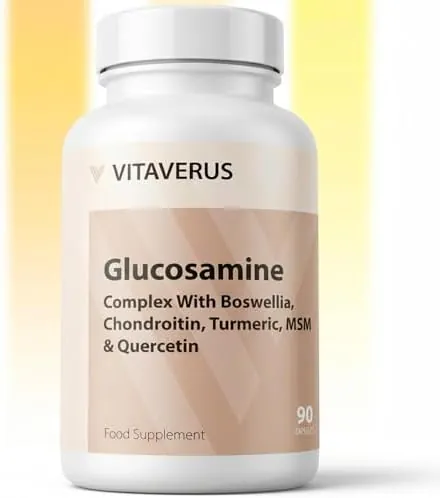
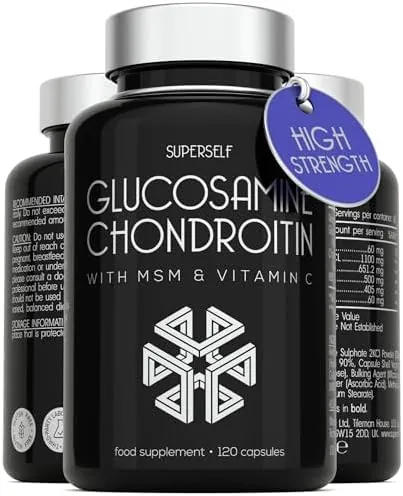
Glucosamine and Chondroitin High Strength - Glucosamine Sulphate with Chondroitin, MSM & Vitamin C - 120 Capsules - 1720mg Glucosamine Complex - Combination Joint Care Supplements for Men & Women
Top Omega-3 Products on AIScored
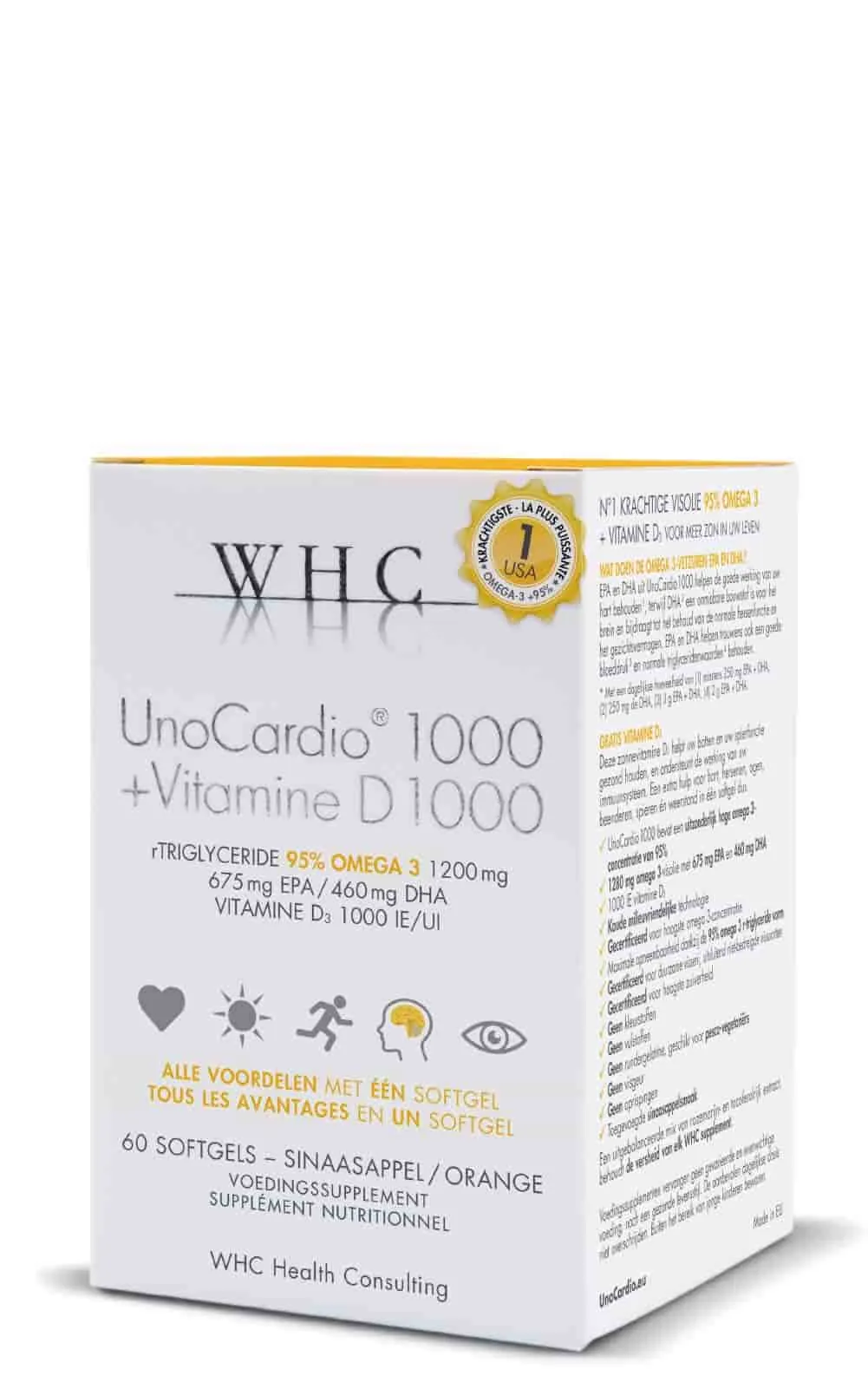
Want to check more interactions?
Add these and other supplements to our interactive Stack Analyzer for a full analysis.
Build your full stack →