Important: This page is for informational purposes only, based on published peer-reviewed research and official UK dietary guidelines (NHS, EFSA, SACN). It does not constitute medical advice. Always consult your GP or pharmacist before starting, stopping, or combining supplements.
Biotin — Forms, Dosage & Interactions
Also known as: vitamin b7, b7, vitamin h, d-biotin
Overview
Biotin (vitamin B7) is a water-soluble B-vitamin that functions as an essential coenzyme for five carboxylase enzymes involved in fatty acid synthesis, amino acid catabolism, and gluconeogenesis. It is found naturally in foods including eggs, liver, nuts, seeds, and legumes, and frank deficiency is uncommon in individuals eating a varied diet. Despite this, biotin has become one of the most commercially popular supplements in the UK, driven largely by marketing claims around hair, skin, and nail health. The evidence base for supplementation in non-deficient individuals remains limited. A 2017 systematic review published in Skin Appendage Disorders (Patel et al., PMID 28879195) found that the available case reports and small trials showing benefit were largely confined to individuals with underlying biotin deficiency or biotinidase disorders. EFSA has established an Adequate Intake of 30 mcg per day for adults; commercial supplements frequently provide 1,000–10,000 mcg — far exceeding this threshold. Individual responses to supplementation may vary considerably, and the appropriateness of high-dose supplementation should be considered carefully given its documented potential to interfere with laboratory diagnostic tests.
UK Dosage Guidelines
| Guideline | Value | Source |
|---|---|---|
|
Reference Nutrient Intake (RNI)
The amount sufficient for most people |
No established UK RDA (AI: 30 mcg) | NHS / SACN |
Forms Comparison
Biotin is available in several supplemental forms. Bioavailability and suitability vary.
| Form Name | Bioavailability | Notes |
|---|---|---|
| D-Biotin | high | Standard supplemental form, well-absorbed |
When to Take Biotin
Recommended Time
🕑 Any — can be taken at this time
Additional Notes
Water-soluble. High doses (>5,000 mcg) can interfere with blood tests — inform your doctor.
With or Without Food
Research suggests taking Biotin with food for better absorption.
Known Interactions
1 known interaction with other supplements.
Biotin and collagen are both commonly used for hair, skin, and nail health. Research suggests they support these tissues through different mechanisms.
Action: These can be taken together. Often combined in beauty supplement formulas.
Read full analysis →Key Studies
1 peer-reviewed study cited. All links lead to PubMed abstracts.
Skin Appendage Disord (2017) · PMID: 28879195
Limited evidence; benefit primarily in those with biotin deficiency rather than general population
Top Biotin Products on AIScored
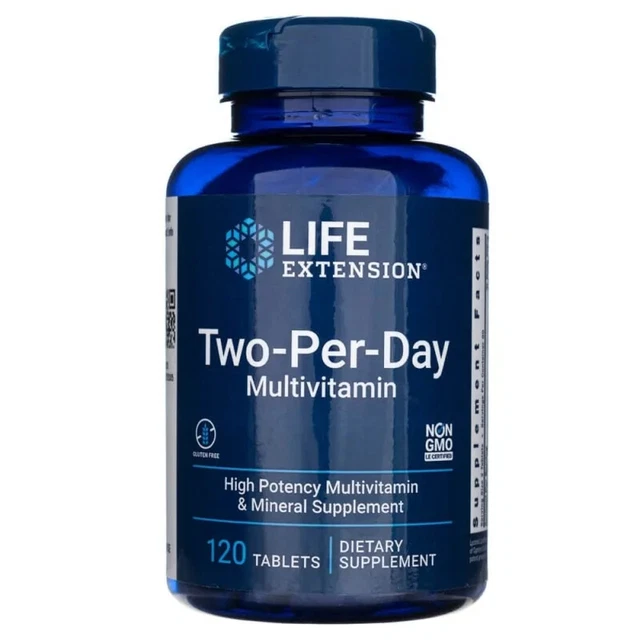


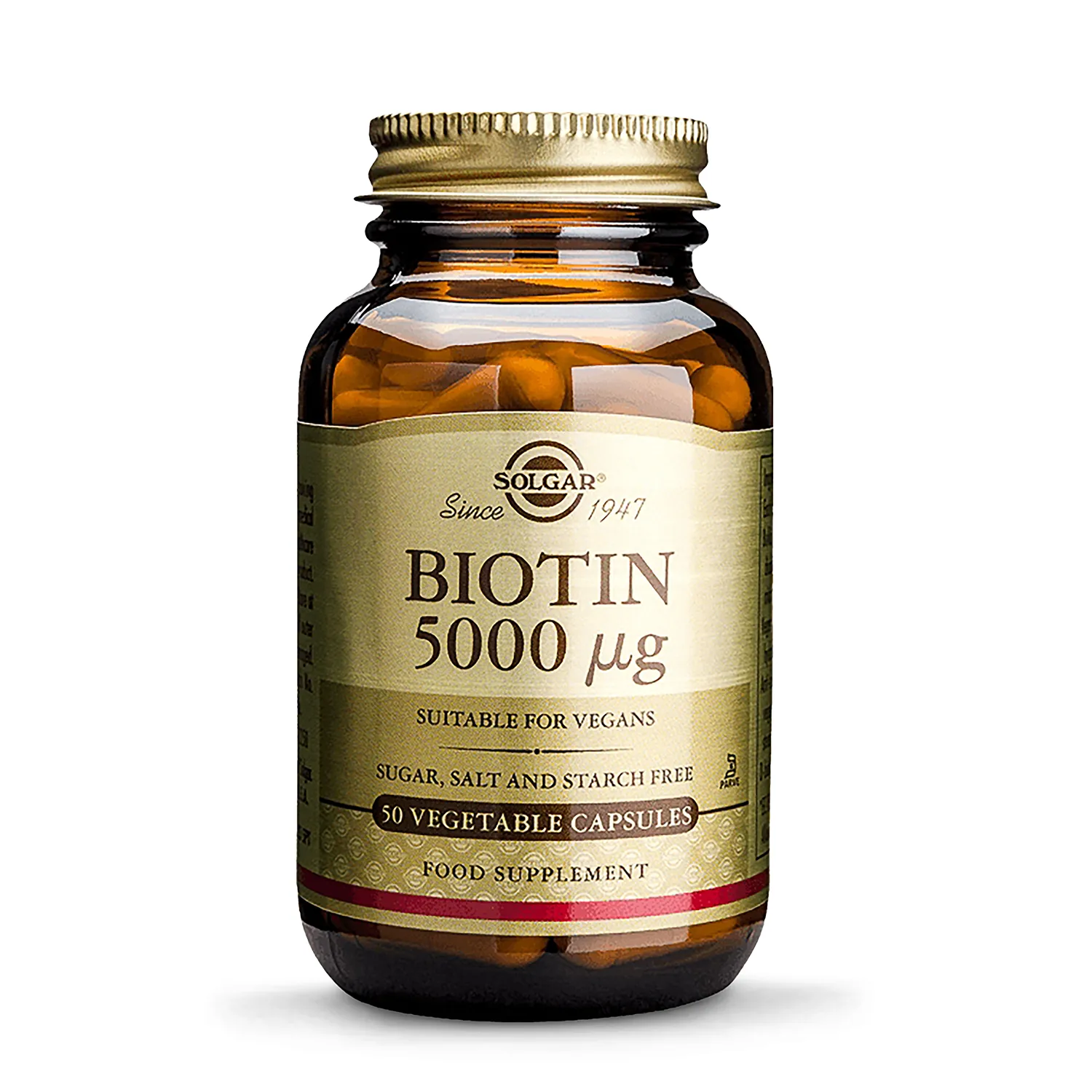

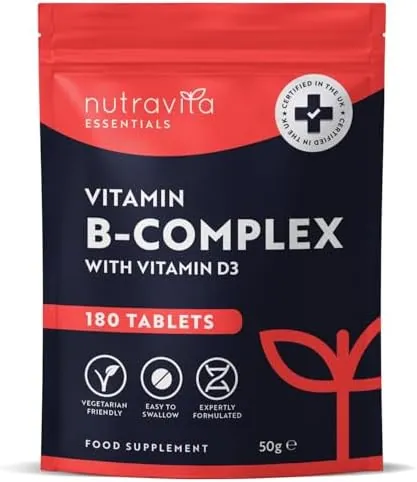
Nutravita Vitamin B Complex - 180 High Strength Tablets (6 Months Supply) - All 8 B Vitamins B1-B2-B5-B6-B12, Biotin, Folic Acid and Vitamin D3
Check interactions with your other supplements
Add Biotin to our interactive Stack Analyzer and see how it works with everything else you take.
Add Biotin to your stack →Related Ingredients
Frequently Asked Questions
Current evidence suggests benefit is largely limited to individuals with confirmed biotin deficiency or biotinidase disorders. A 2017 review in Skin Appendage Disorders (Patel et al.) found that published case reports of hair regrowth with biotin supplementation predominantly involved patients with underlying deficiency. No robust randomised controlled trials support routine biotin supplementation for hair loss in otherwise healthy individuals. If experiencing significant hair shedding, it is advisable to seek GP assessment to identify any underlying cause.
Yes — this is a clinically recognised concern. High-dose biotin supplementation (typically 5,000 mcg or above) can interfere with immunoassay-based laboratory tests, producing falsely elevated or suppressed results for markers including thyroid hormones, troponin, and sex hormones. A case reported by Barbesino (Thyroid, 2016, PMID 26941184) documented apparent severe hyperthyroidism that resolved after biotin discontinuation. It is advisable to stop high-dose biotin at least 48–72 hours before any blood tests and to inform your GP or phlebotomist of current supplement use.
EFSA sets an Adequate Intake of 30 mcg per day for adults, reflecting typical dietary intakes rather than a formally derived requirement. Most people achieve this through a balanced diet without supplementation. No Tolerable Upper Intake Level has been established by EFSA, as no consistent adverse effects from excess biotin intake have been reliably demonstrated — though high-dose interference with laboratory diagnostics is a noted safety consideration. Individual requirements may vary.