Important: This page is for informational purposes only, based on published peer-reviewed research and official UK dietary guidelines (NHS, EFSA, SACN). It does not constitute medical advice. Always consult your GP or pharmacist before starting, stopping, or combining supplements.
Boron — Forms, Dosage & Interactions
Also known as: boron citrate, boron glycinate, sodium borate
Overview
Boron is a naturally occurring trace mineral found predominantly in plant-based foods such as fruits, vegetables, legumes, and nuts. It is not classified as an essential nutrient by UK or European health authorities, and no Recommended Dietary Allowance has been established. Nevertheless, research suggests it plays important roles in bone mineral metabolism, hormonal regulation, and cognitive function. The European Food Safety Authority (EFSA) set a Tolerable Upper Intake Level of 10 mg per day for adults in 2004, based on reproductive toxicity data from animal studies. Supplemental boron has attracted interest for its potential to support testosterone and oestrogen balance, enhance vitamin D bioavailability, and reduce markers of inflammation. Studies indicate that dietary intake across Europe typically falls between 1–3 mg per day, largely dependent on fruit and vegetable consumption. Supplemental forms include boron citrate, boron glycinate, and the patented calcium fructoborate, each differing in bioavailability profile. The evidence base is classified as moderate: results are promising but larger, well-controlled clinical trials are still needed before definitive conclusions can be drawn. Individual responses may vary depending on baseline boron status, diet, and concurrent supplementation.
UK Dosage Guidelines
| Guideline | Value | Source |
|---|---|---|
|
Reference Nutrient Intake (RNI)
The amount sufficient for most people |
No established RDA | NHS / SACN |
|
Tolerable Upper Level (UL)
Maximum daily intake unlikely to cause harm |
10 mg (EFSA) | EFSA / SACN |
Forms Comparison
Boron is available in several supplemental forms. Bioavailability and suitability vary.
| Form Name | Bioavailability | Notes |
|---|---|---|
| Boron Citrate | moderate | Common supplemental form |
| Boron Glycinate | high | Chelated, good absorption |
| Calcium Fructoborate | high | Patented form, studied for joint and bone health |
When to Take Boron
Recommended Time
🕑 Any — can be taken at this time
Additional Notes
Take with food. Often combined with calcium and vitamin D for bone support.
With or Without Food
Research suggests taking Boron with food for better absorption.
Known Interactions
2 known interactions with other supplements.
Emerging research suggests boron may help the body retain and utilise Vitamin D more effectively by inhibiting its degradation. Some studies indicate boron supplementation increases serum 25(OH)D levels. At very high D3 doses (>10,000 IU), this reduced clearance may theoretically contribute to Vitamin D excess.
Action: Boron is typically taken in small amounts (3-6mg). It may complement Vitamin D3 supplementation at standard doses (1000-4000 IU), particularly in individuals with low dietary boron intake.
Read full analysis →Emerging research suggests boron may reduce urinary calcium excretion, potentially supporting calcium balance and bone health.
Action: Boron is typically taken in small doses (3-6mg) and can be taken alongside calcium supplements.
Read full analysis →Top Boron Products on AIScored
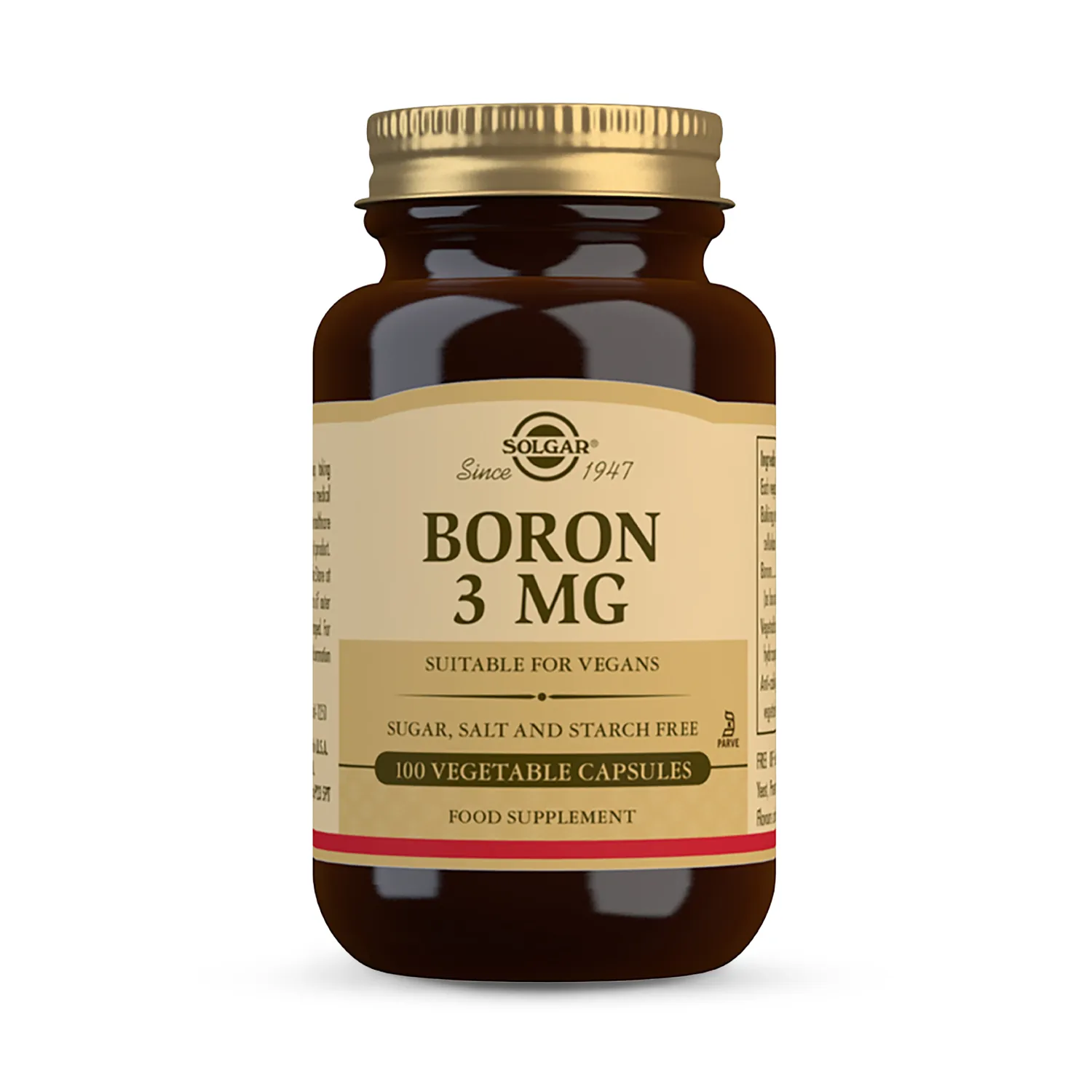
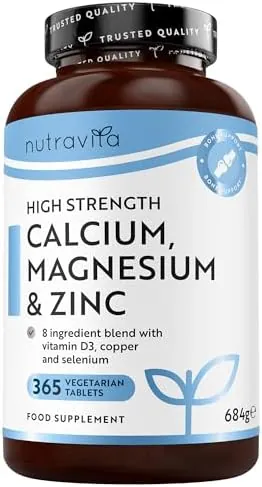
Nutravita Calcium Magnesium & Zinc with Vitamin D D3 Copper Selenium Boron and Manganese - 365 Tablets
Check interactions with your other supplements
Add Boron to our interactive Stack Analyzer and see how it works with everything else you take.
Add Boron to your stack →Related Ingredients
Frequently Asked Questions
Research suggests boron may modestly support testosterone levels. A 2011 study by Naghii et al. (J Trace Elem Med Biol) found that 10 mg per day supplementation in healthy men over one week was associated with a significant increase in free testosterone alongside reductions in sex hormone-binding globulin and pro-inflammatory cytokines. The study was small and short-term, however, and individual responses may vary considerably.
EFSA has established a Tolerable Upper Intake Level of 10 mg per day for adults. Most commercial supplements provide 3–9 mg per day, well within this limit. Long-term human safety data at supplemental doses remains limited. Those who are pregnant, breastfeeding, or have kidney conditions should consult a healthcare professional before supplementing, as boron is primarily excreted via the kidneys and concentrations may accumulate with impaired renal function.
Calcium fructoborate (commercially available as FruiteX-B) is a patented, naturally occurring boron-carbohydrate complex found in plant foods. It has been specifically studied in the context of joint comfort and bone health, with research suggesting it has favourable bioavailability compared to inorganic boron salts. Some studies indicate anti-inflammatory activity potentially relevant to joint health, though the clinical evidence base remains preliminary and further large-scale trials are warranted.