Important: This page is for informational purposes only, based on published peer-reviewed research and official UK dietary guidelines (NHS, EFSA, SACN). It does not constitute medical advice. Always consult your GP or pharmacist before starting, stopping, or combining supplements.
Chromium — Forms, Dosage & Interactions
Also known as: chromium picolinate, chromium polynicotinate, trivalent chromium
Overview
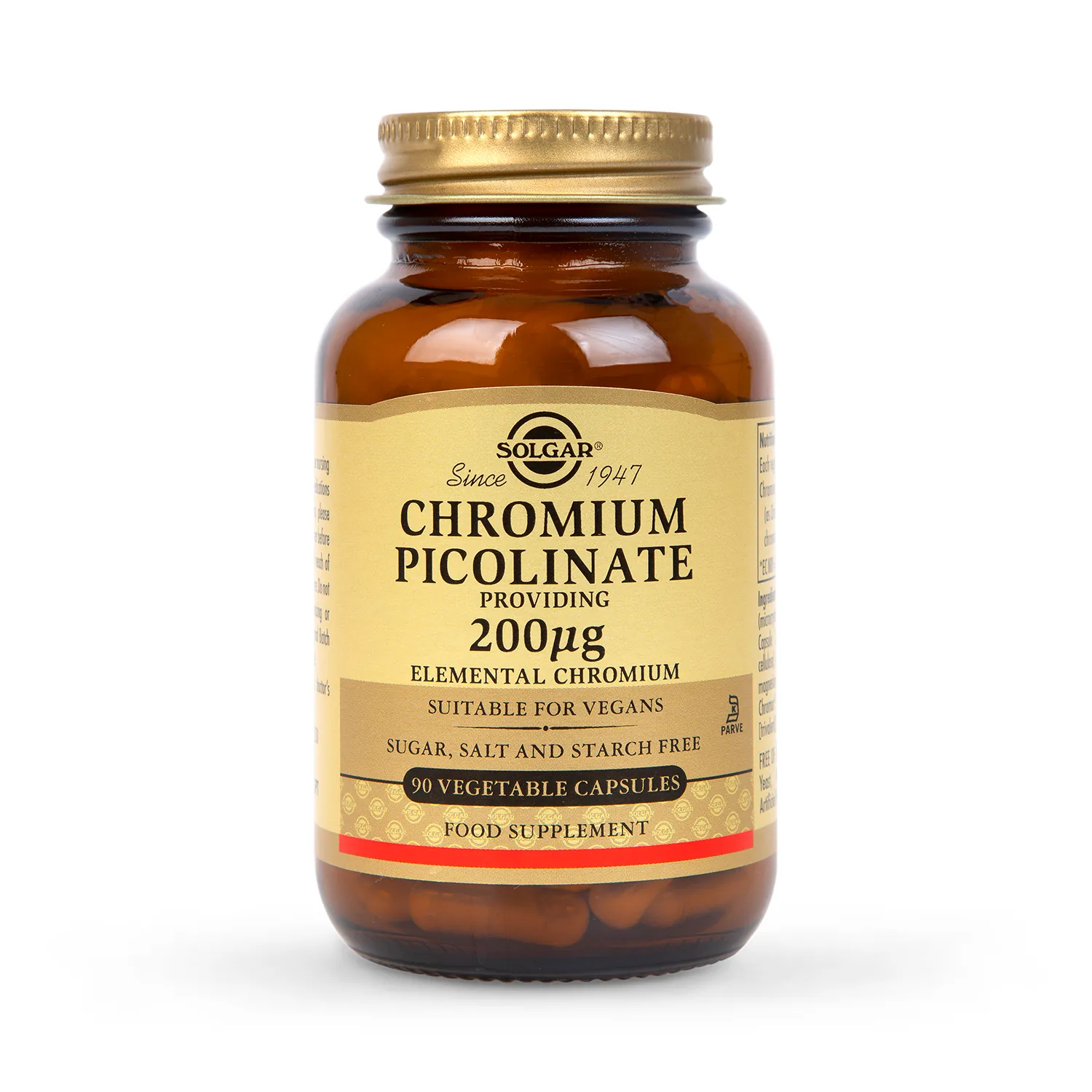
Chromium is a trace mineral found naturally in wholegrains, broccoli, meat, nuts, and certain spices. As a dietary supplement, the biologically active form — trivalent chromium (Cr³⁺) — is entirely distinct from the toxic industrial compound hexavalent chromium (Cr⁶⁺), and the two should not be conflated. Interest in chromium supplementation centres on its proposed role in carbohydrate and lipid metabolism, with particular focus on enhancing insulin sensitivity and supporting blood sugar management. The evidence base for chromium is moderate. Randomised controlled trials and meta-analyses suggest effects on fasting glucose and insulin are most pronounced in individuals with impaired glucose tolerance or insulin resistance, with limited benefit observed in healthy populations with adequate chromium status. Chromium is also commonly marketed for appetite regulation and carbohydrate craving reduction, though this evidence remains less robust. Chromium picolinate is the most extensively studied supplemental form and appears to offer superior bioavailability compared to inorganic salts such as chromium chloride. Chromium polynicotinate provides a niacin-bound alternative used in some formulations. Individual responses may vary considerably depending on baseline chromium status, metabolic health, and overall dietary intake. Supplementation is best considered as a complement to a balanced diet rather than a standalone intervention.
UK Dosage Guidelines
| Guideline | Value | Source |
|---|---|---|
|
Reference Nutrient Intake (RNI)
The amount sufficient for most people |
No established UK RDA (AI: 25 mcg) | NHS / SACN |
Forms Comparison
Chromium is available in several supplemental forms. Bioavailability and suitability vary.
| Form Name | Bioavailability | Notes |
|---|---|---|
| Chromium Picolinate | high | Most studied form, best absorbed |
| Chromium Polynicotinate | moderate | Niacin-bound chromium, alternative to picolinate |
When to Take Chromium
Recommended Time
☀️ Morning — research suggests taking Chromium in the morning
Additional Notes
Take with meals — may help support blood sugar metabolism after eating.
With or Without Food
Research suggests taking Chromium with food for better absorption.
Known Interactions
3 known interactions with other supplements.
Research suggests calcium carbonate may reduce chromium absorption when taken simultaneously. Chromium picolinate appears less affected.
Action: If supplementing both, taking them at different times of day may optimise chromium absorption.
Read full analysis →Research suggests iron and chromium may compete for absorption when taken simultaneously, particularly at higher doses.
Action: Separating iron and chromium supplements by a few hours may optimise absorption of both.
Read full analysis →Both niacin and chromium are involved in glucose and lipid metabolism. Research suggests chromium as part of the glucose tolerance factor (GTF) may work with niacin to support insulin sensitivity.
Action: These can be taken together. Both are relevant for metabolic health support.
Read full analysis →Top Chromium Products on AIScored




Check interactions with your other supplements
Add Chromium to our interactive Stack Analyzer and see how it works with everything else you take.
Add Chromium to your stack →Related Ingredients
Frequently Asked Questions
Chromium picolinate chelates chromium with picolinic acid, which research suggests significantly improves intestinal absorption compared to inorganic forms such as chromium chloride. It is the most extensively studied form in clinical trials. Chromium polynicotinate (niacin-bound chromium) offers moderate bioavailability as an alternative, though fewer head-to-head trials have directly compared the two forms. Individual responses may vary between formulations, and both are considered safe at commonly used doses.
Trivalent chromium has a well-established safety profile at typical supplemental doses of 200–1,000 mcg per day. EFSA has not established a Tolerable Upper Intake Level, suggesting toxicity from dietary or supplemental sources is unlikely under normal circumstances. Those taking medications that affect blood glucose — including certain treatments for type 2 diabetes — should consult a healthcare professional before supplementing, as additive effects on blood sugar levels are theoretically possible.
Research suggests the most meaningful effects are seen in individuals with impaired glucose tolerance, insulin resistance, or low baseline chromium status. Studies in healthy individuals with adequate chromium intake typically report little or no measurable benefit on glucose or insulin variables. Individual responses may vary considerably. Chromium supplementation is best considered alongside — not as a replacement for — dietary modification and other evidence-based lifestyle approaches to blood sugar management.