Important: This page is for informational purposes only, based on published peer-reviewed research and official UK dietary guidelines (NHS, EFSA, SACN). It does not constitute medical advice. Always consult your GP or pharmacist before starting, stopping, or combining supplements.
Copper — Forms, Dosage & Interactions
Also known as: copper bisglycinate, copper gluconate, cupric
Overview
Copper is an essential trace mineral required for the activity of over 30 metalloenzymes involved in energy metabolism, iron transport, antioxidant defence, and connective tissue integrity. Found naturally in liver, shellfish, nuts, seeds, and wholegrains, most UK adults obtain sufficient copper through a varied diet. EFSA establishes the adequate intake at 1.2 mg per day for adults, with a tolerable upper intake level of 5 mg per day. Standalone copper supplementation is relatively uncommon; the most frequent rationale is preventing depletion caused by high-dose zinc supplementation, as zinc and copper compete for intestinal absorption. Supplementation is also considered in individuals with malabsorption conditions — such as coeliac disease or Crohn's disease — where dietary copper uptake may be compromised. The evidence for supplementing copper in otherwise replete individuals is limited, and most research focuses on correcting or preventing deficiency states rather than enhancing function above normal levels. Individual responses to supplementation may vary based on baseline copper status and overall dietary intake.
UK Dosage Guidelines
| Guideline | Value | Source |
|---|---|---|
|
Reference Nutrient Intake (RNI)
The amount sufficient for most people |
1.2 mg | NHS / SACN |
|
Tolerable Upper Level (UL)
Maximum daily intake unlikely to cause harm |
5 mg (EFSA) | EFSA / SACN |
Forms Comparison
Copper is available in several supplemental forms. Bioavailability and suitability vary.
| Form Name | Bioavailability | Notes |
|---|---|---|
| Copper Bisglycinate | high | Chelated, well-absorbed, gentle on stomach |
| Copper Gluconate | moderate | Common supplemental form, reasonable absorption |
| Copper Citrate | moderate | Good absorption, widely available |
When to Take Copper
Recommended Time
🕑 Any — can be taken at this time
Additional Notes
Take with food. Must balance with zinc — high zinc intake depletes copper. Typical ratio: 15 mg zinc to 1-2 mg copper.
With or Without Food
Research suggests taking Copper with food for better absorption.
Known Interactions
3 known interactions with other supplements.
Copper and iron have a complex absorption relationship. Research suggests high-dose iron can reduce copper absorption, though copper is also needed for iron metabolism.
Action: At typical supplement doses, this interaction is rarely clinically significant. If taking high-dose iron, copper status may be worth monitoring.
Read full analysis →Long-term zinc supplementation above 40mg/day can deplete copper levels, potentially leading to copper deficiency anaemia. This is well-documented in clinical literature.
Action: If taking zinc above 25mg daily long-term, research supports monitoring copper status or taking a small copper supplement (1-2mg).
Read full analysis →Very high-dose Vitamin C (>1500mg/day) may reduce copper absorption over time. Research suggests monitoring copper status if taking megadose ascorbic acid long-term.
Action: At typical supplement doses (up to 1000mg), this interaction is unlikely to be significant. Megadose users may benefit from periodic copper status checks.
Read full analysis →Top Copper Products on AIScored
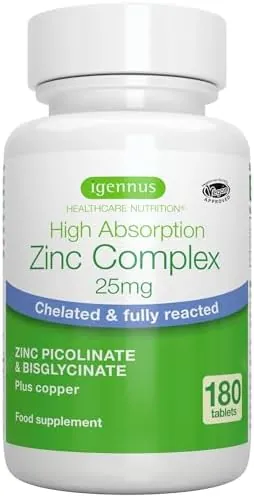
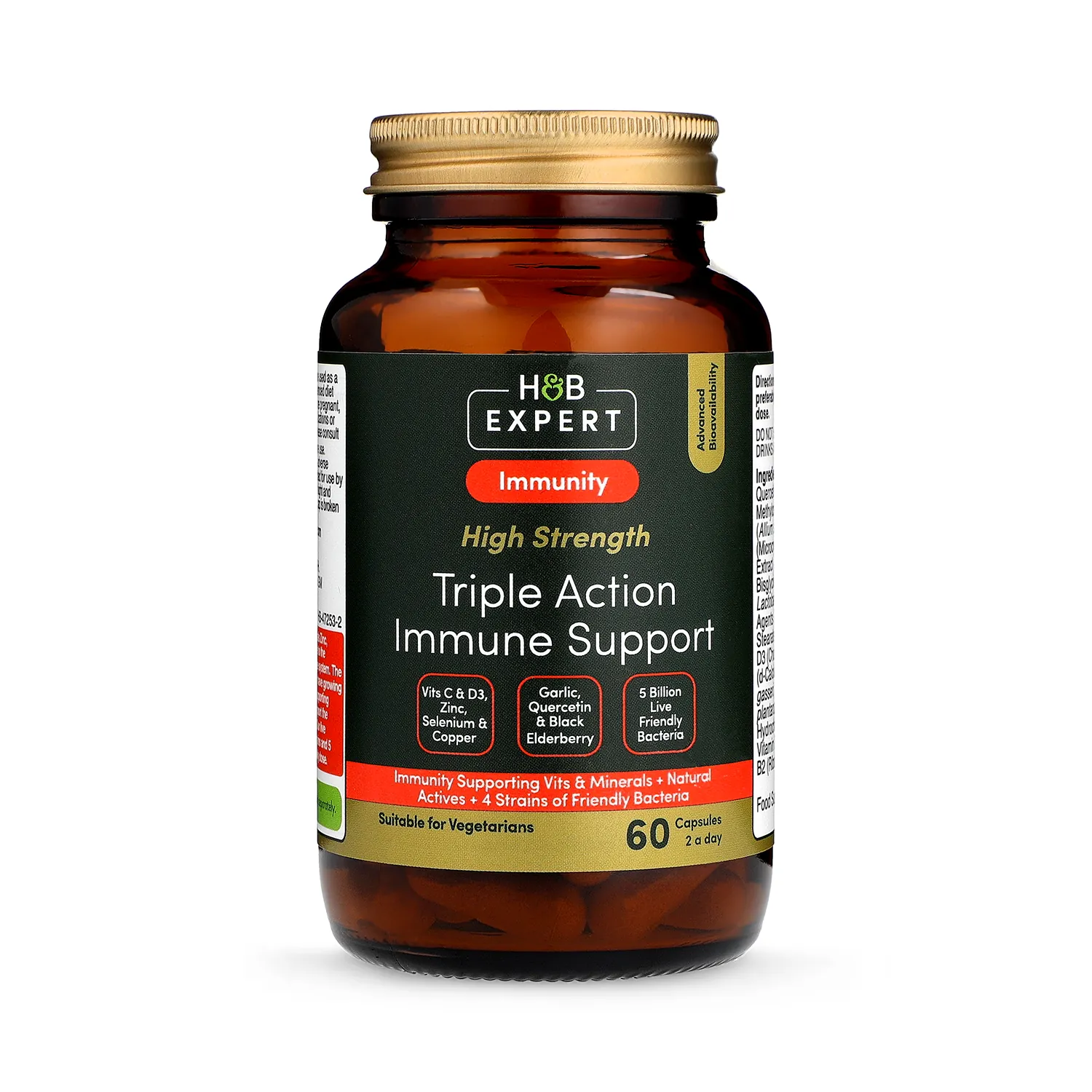
Igennus Clean Chelated Zinc Picolinate & Bisglycinate Complex 25mg with Copper, 6 Month Supply 180 Tablets, High Absorption & Lab Verified, Non-GMO, Supplement for Men & Women, Immune Support & Skin
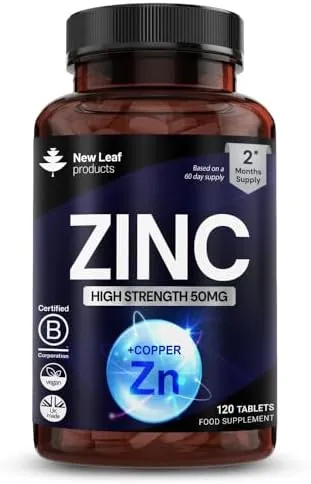
Zinc 50mg High Strength Tablets with Copper, Pure Zinc Supplements Contributes Towards The Immune System, Bone Health and Fertility, Vegan, Non-GMO, Made in UK by New Leaf 120 Tablets
Check interactions with your other supplements
Add Copper to our interactive Stack Analyzer and see how it works with everything else you take.
Add Copper to your stack →Related Ingredients
Frequently Asked Questions
Research indicates that zinc intake above approximately 25–50 mg per day can impair copper absorption by upregulating intestinal metallothionein, a protein that preferentially binds copper and prevents its uptake. This interaction appears dose- and duration-dependent. Studies suggest that individuals supplementing zinc long-term at higher doses may benefit from concurrent low-dose copper supplementation (typically 1–2 mg per day) to prevent depletion, though individual circumstances vary and guidance from a healthcare professional is advisable.
Copper deficiency — though uncommon in the UK general population — can present as microcytic or normocytic anaemia unresponsive to iron therapy, fatigue, and neurological symptoms including peripheral neuropathy. Research suggests marginal copper status may impair immune cell function and reduce antioxidant enzyme activity before overt clinical symptoms develop (Percival, 1998). Individuals with malabsorption conditions, short bowel syndrome, or those receiving prolonged parenteral nutrition without copper supplementation are at greatest risk. Individual responses may vary.
Copper bisglycinate — a chelated form bound to the amino acid glycine — is generally considered to offer superior bioavailability compared to inorganic forms, as chelation may protect the mineral from competing dietary ligands in the gut. Copper gluconate and copper citrate are widely used in commercial supplements and offer moderate absorption. Comparative bioavailability studies between copper forms remain limited at typical supplemental doses of 1–2 mg, and differences in clinical effect may be modest. Concurrent food intake and overall gastrointestinal health may also influence absorption.