Important: This page is for informational purposes only, based on published peer-reviewed research and official UK dietary guidelines (NHS, EFSA, SACN). It does not constitute medical advice. Always consult your GP or pharmacist before starting, stopping, or combining supplements.
Creatine — Forms, Dosage & Interactions
Also known as: creatine monohydrate, creatine hcl, creapure
Overview
Creatine is one of the most extensively researched sports nutrition compounds available. It is a naturally occurring substance synthesised in the body from the amino acids arginine, glycine, and methionine, primarily in the liver and kidneys. Around 95% of the body's creatine is stored in skeletal muscle as free creatine and phosphocreatine, where it plays a central role in rapid energy production. People supplement creatine primarily to enhance athletic performance in high-intensity, short-duration activities such as weightlifting, sprinting, and team sports. The evidence base is exceptionally robust: a 2003 meta-analysis published in Molecular and Cellular Biochemistry (Rawson & Volek) found creatine supplementation increased strength by approximately 8% and power output by 14% compared to placebo. Beyond physical performance, emerging research is investigating creatine's potential role in cognitive function and brain energy metabolism. Creatine monohydrate is the form backed by the most substantial research and remains the standard recommended by sports nutrition bodies. Creatine is generally recognised as safe for healthy adults at typical doses. Individual responses may vary depending on baseline dietary creatine intake — vegetarians and vegans, who obtain little creatine from food, tend to have lower baseline muscle stores and may experience a more pronounced response to supplementation.
UK Dosage Guidelines
| Guideline | Value | Source |
|---|---|---|
|
Reference Nutrient Intake (RNI)
The amount sufficient for most people |
No established RDA | NHS / SACN |
Forms Comparison
Creatine is available in several supplemental forms. Bioavailability and suitability vary.
| Form Name | Bioavailability | Notes |
|---|---|---|
| Creatine Monohydrate | high | Gold standard, most studied form, cheapest and most effective |
| Creatine HCl | high | More soluble, smaller doses claimed — but no evidence it outperforms monohydrate |
| Creapure | high | Premium German-manufactured monohydrate, tested for purity |
When to Take Creatine
Recommended Time
🕑 Any — can be taken at this time
Additional Notes
Timing does not matter — daily consistency is key. Take with water or carbohydrate-rich meal. No loading phase required at 3-5 g/day.
With or Without Food
Research suggests taking Creatine with food for better absorption.
Known Interactions
3 known interactions with other supplements.
Research suggests magnesium may play a role in creatine metabolism and cellular energy production. Both are involved in the ATP energy system.
Action: These can be taken together. Creatine is commonly taken with a meal, and magnesium can be included at the same time.
Read full analysis →Emerging research suggests combining creatine and Vitamin D3 may have additive benefits for bone health and muscle function, particularly in older adults.
Action: Both can be taken together. Creatine with a meal, Vitamin D3 with a fat-containing meal.
Read full analysis →Both CoQ10 and creatine support cellular energy production through the ATP system. Research suggests they may have complementary benefits for mitochondrial function.
Action: Both can be taken together with a meal. CoQ10 benefits from a fat-containing meal for absorption.
Read full analysis →Key Studies
1 peer-reviewed study cited. All links lead to PubMed abstracts.
Mol Cell Biochem (2003) · PMID: 12945830
Meta-analysis: creatine supplementation increased strength by 8% and power by 14% vs placebo
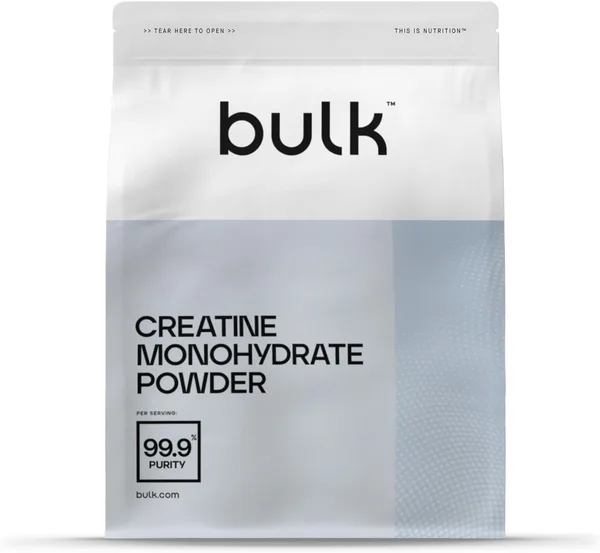
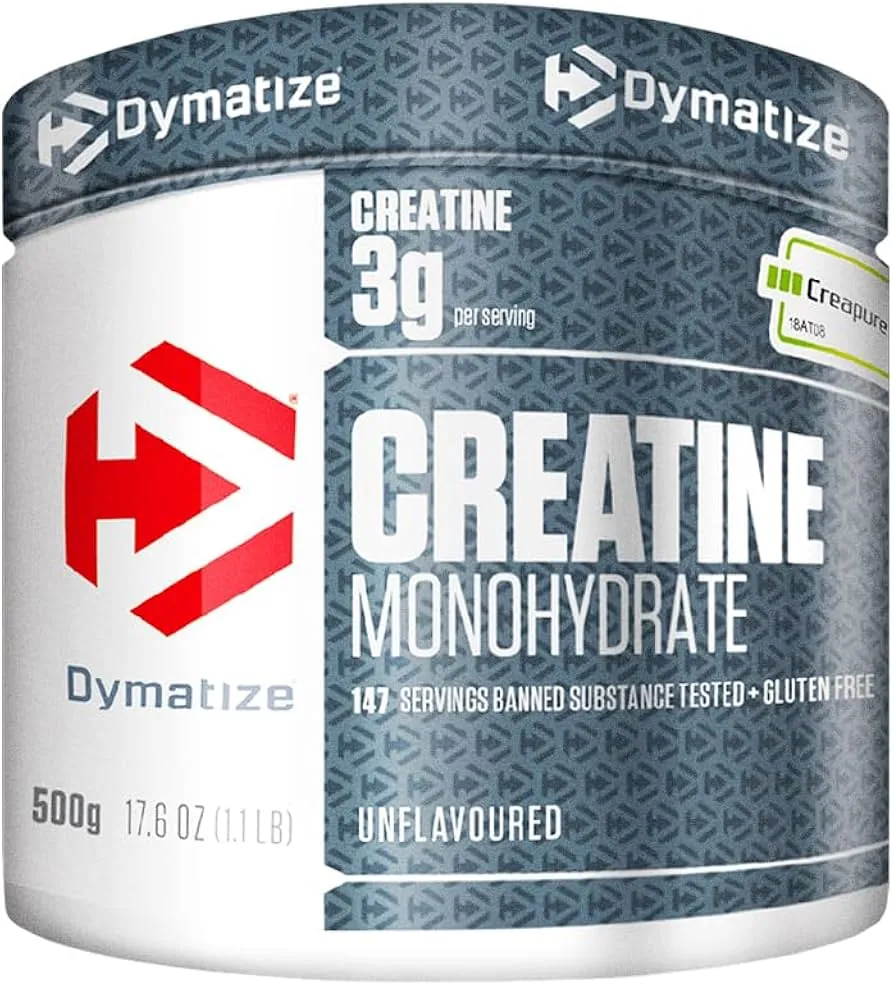
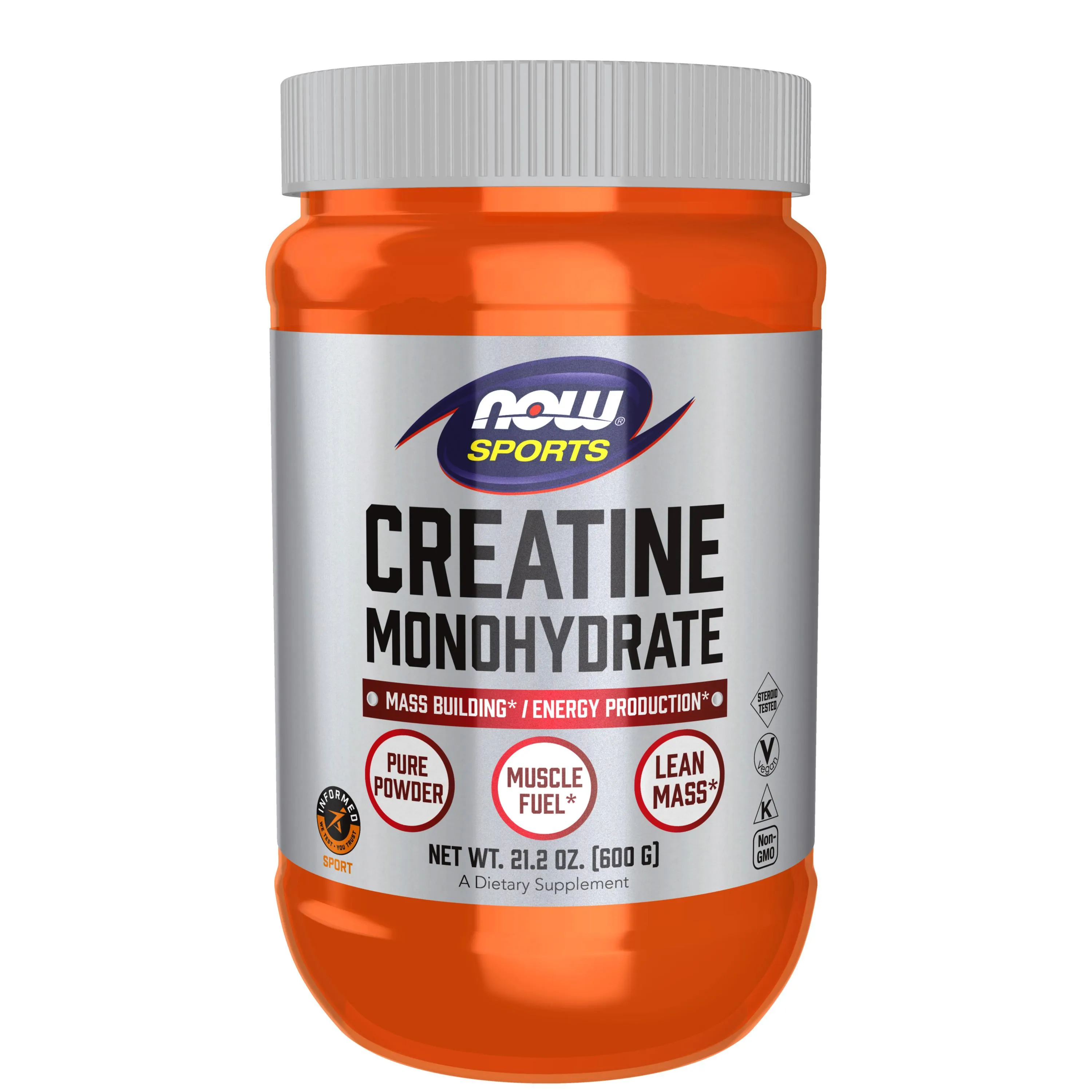
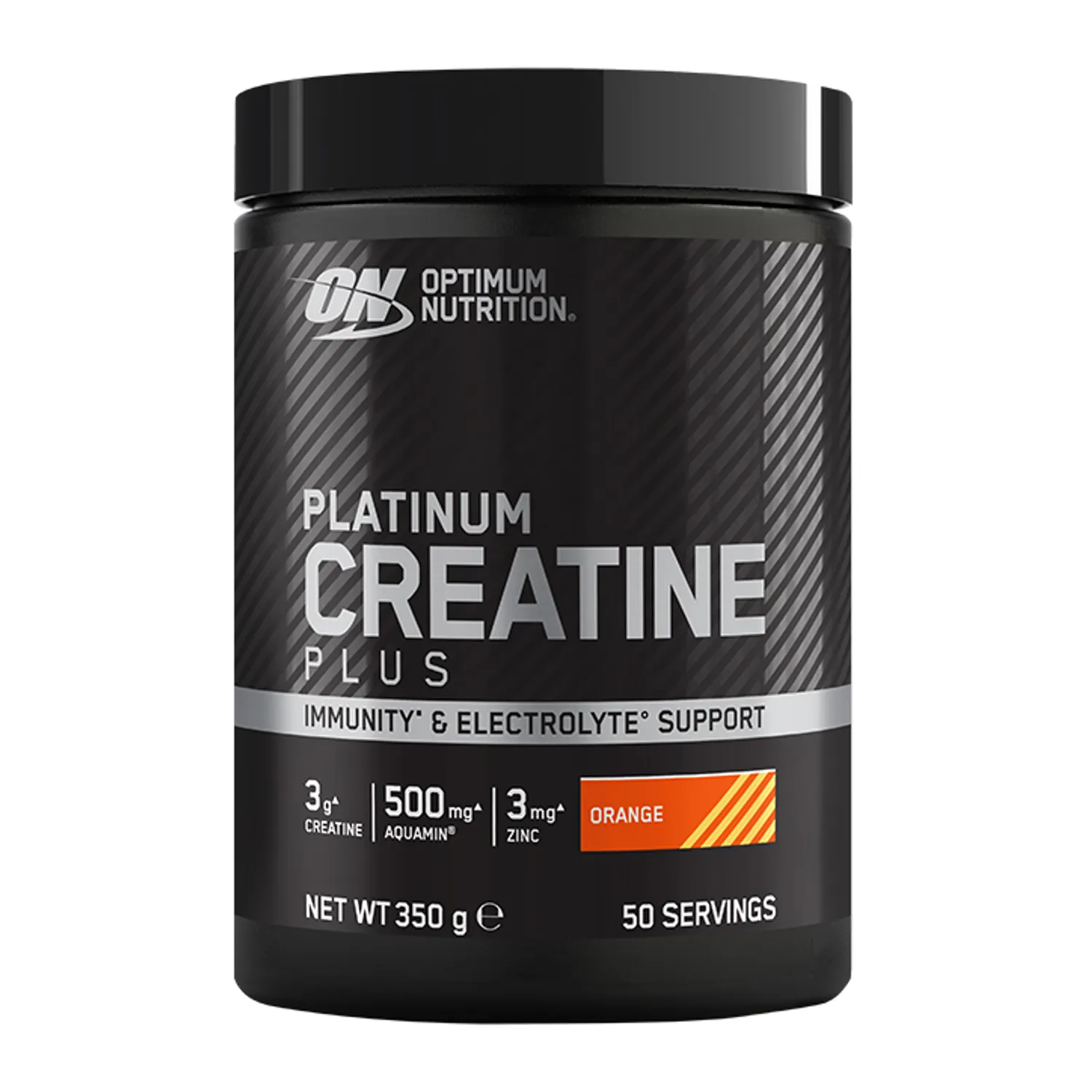
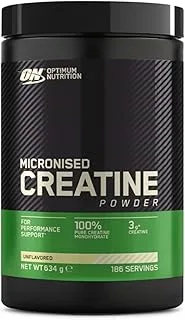
Top Creatine Products on AIScored

Check interactions with your other supplements
Add Creatine to our interactive Stack Analyzer and see how it works with everything else you take.
Add Creatine to your stack →Related Ingredients
Frequently Asked Questions
Research suggests creatine monohydrate is well tolerated over extended periods in healthy adults. A position paper published in the Journal of the International Society of Sports Nutrition (Buford et al., 2007) concluded that both short- and long-term supplementation at typical doses appears safe in healthy individuals. Those with pre-existing kidney conditions should consult a healthcare professional before supplementing, as creatine metabolism elevates creatinine — a marker routinely assessed in renal function tests. Individual responses may vary.
A loading protocol — typically 20 g daily divided into four doses across five to seven days — accelerates muscle creatine saturation but is not strictly necessary. Research indicates that a standard maintenance dose of 3–5 g daily achieves the same saturation level within three to four weeks without loading. The loading approach may cause temporary water retention and gastrointestinal discomfort in some individuals. Individual responses may vary, and either approach appears to produce equivalent long-term outcomes.
Emerging evidence suggests creatine may support cognitive performance, particularly under conditions of mental fatigue or in individuals with low dietary creatine intake. A double-blind crossover trial by Rae et al. (2003, Proceedings of the Royal Society B) found that creatine supplementation improved working memory and performance on intelligence tests in vegetarian participants. Effects appear less pronounced in omnivores with adequate baseline stores. This area of research continues to develop, and individual responses may vary.