Important: This page is for informational purposes only, based on published peer-reviewed research and official UK dietary guidelines (NHS, EFSA, SACN). It does not constitute medical advice. Always consult your GP or pharmacist before starting, stopping, or combining supplements.
Elderberry — Forms, Dosage & Interactions
Also known as: sambucus nigra, black elderberry, elderberry extract, sambucol
Overview
Elderberry (Sambucus nigra), also known as black elderberry, is a flowering shrub native to Europe with a long history of use in traditional herbal medicine. The dark purple berries contain high concentrations of anthocyanins, flavonoids, and other polyphenols, which are thought to confer immune-supporting properties. Elderberry is taken primarily to support the immune system during cold and flu season, and is available as standardised extracts, syrups, and gummies. The overall evidence base is rated as moderate. A 2019 meta-analysis published in the Journal of Functional Foods (Hawkins et al., PMID 30670267) found that elderberry supplementation substantially reduced upper respiratory symptom scores and illness duration across pooled clinical trial data. Earlier randomised controlled trials by Zakay-Rones et al. (1995, 2004) provided foundational clinical evidence, whilst a 2016 randomised controlled trial by Tiralongo et al., published in Nutrients (PMID 27023596), demonstrated reduced cold duration and severity in long-haul air travellers. Whilst the cumulative evidence is promising, individual trials have generally been small and several were commercially funded. Larger, independently funded trials are needed to strengthen confidence in these findings. Individual responses may vary depending on the preparation used and the specific pathogen involved.
UK Dosage Guidelines
| Guideline | Value | Source |
|---|---|---|
|
Reference Nutrient Intake (RNI)
The amount sufficient for most people |
No established RDA | NHS / SACN |
Forms Comparison
Elderberry is available in several supplemental forms. Bioavailability and suitability vary.
| Form Name | Bioavailability | Notes |
|---|---|---|
| Standardised Extract (Sambucol) | high | Most studied brand, standardised anthocyanin content |
| Elderberry Syrup | moderate | Traditional form, palatable, less precise dosing |
| Elderberry Gummies | moderate | Convenient, popular, but check sugar content |
When to Take Elderberry
Recommended Time
🕑 Any — can be taken at this time
Additional Notes
Take with food. Use at first sign of cold/flu symptoms. Concentrated extracts preferred — never consume raw elderberries (toxic).
With or Without Food
Research suggests taking Elderberry with food for better absorption.
Known Interactions
2 known interactions with other supplements.
Both elderberry and Vitamin C are commonly used for immune support. Research suggests they may have complementary effects on immune function.
Action: This combination is popular during cold and flu season. Both can be taken together.
Read full analysis →Both elderberry and zinc are used for immune support, particularly during cold season. Research suggests they may have additive antiviral and immune-stimulating effects.
Action: This combination is common in immune support products. They can be taken together at the onset of cold symptoms.
Read full analysis →Key Studies
1 peer-reviewed study cited. All links lead to PubMed abstracts.
J Funct Foods (2019) · PMID: 30670267
Meta-analysis: elderberry supplementation substantially reduced upper respiratory symptoms and duration of cold/flu
Top Elderberry Products on AIScored
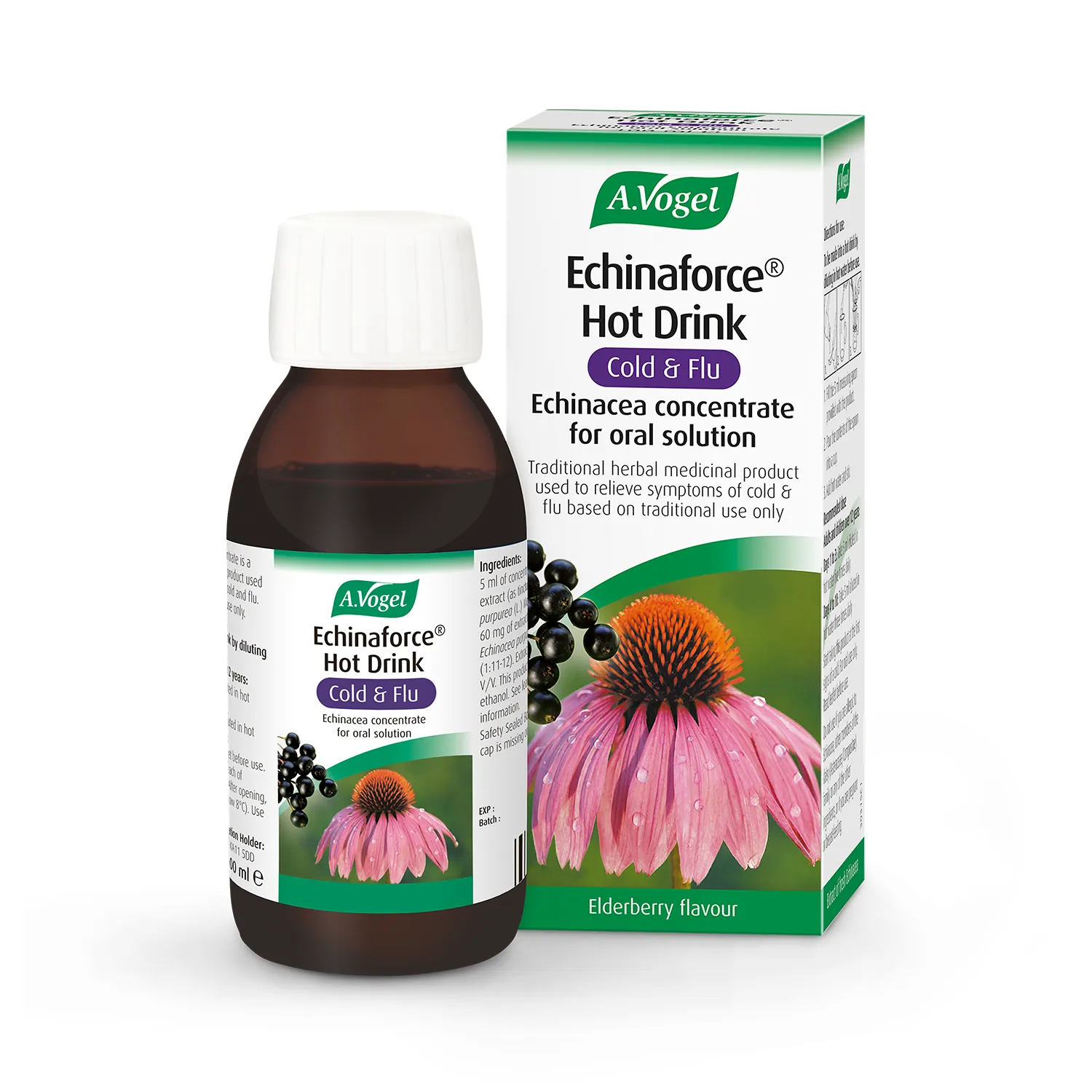
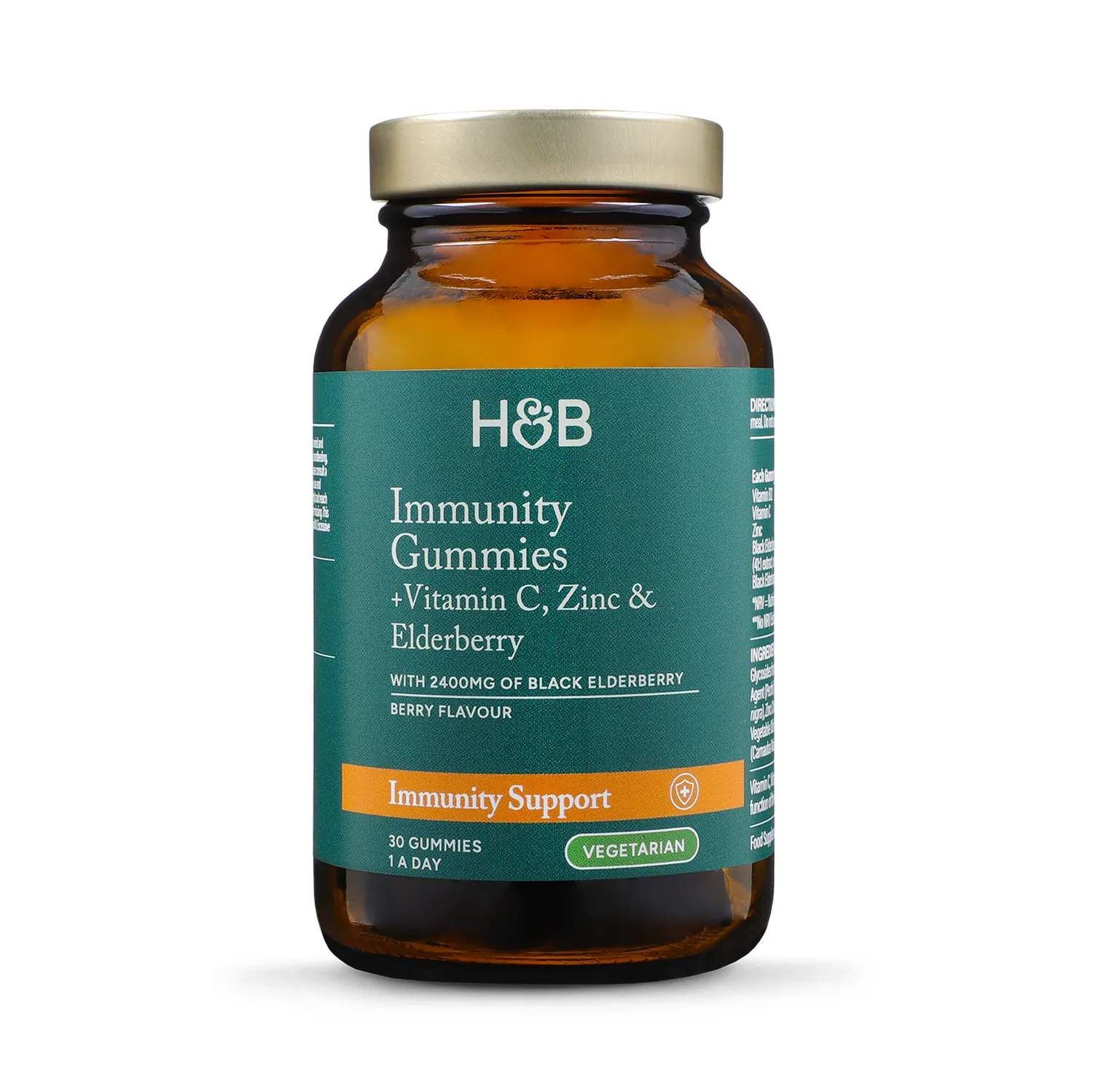
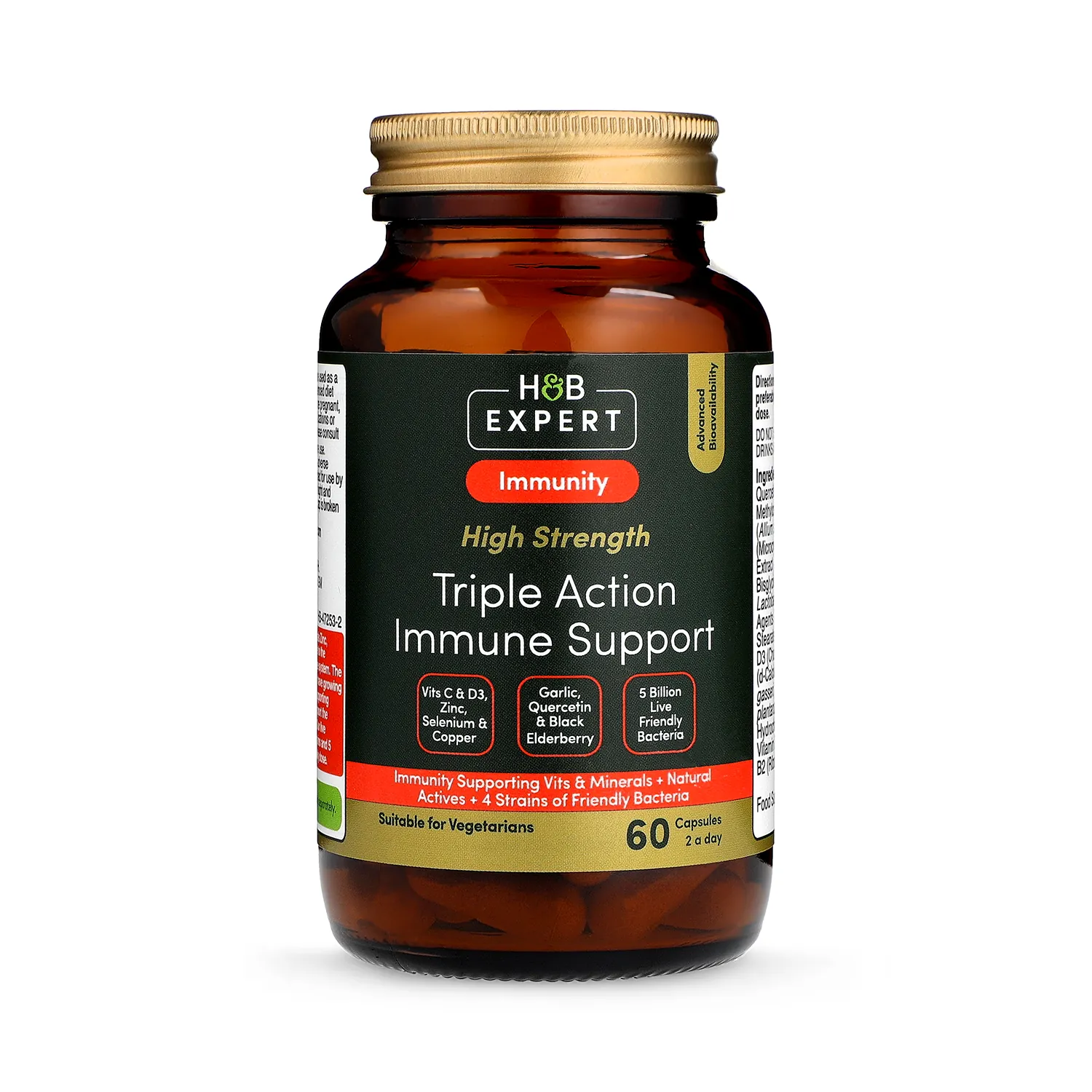
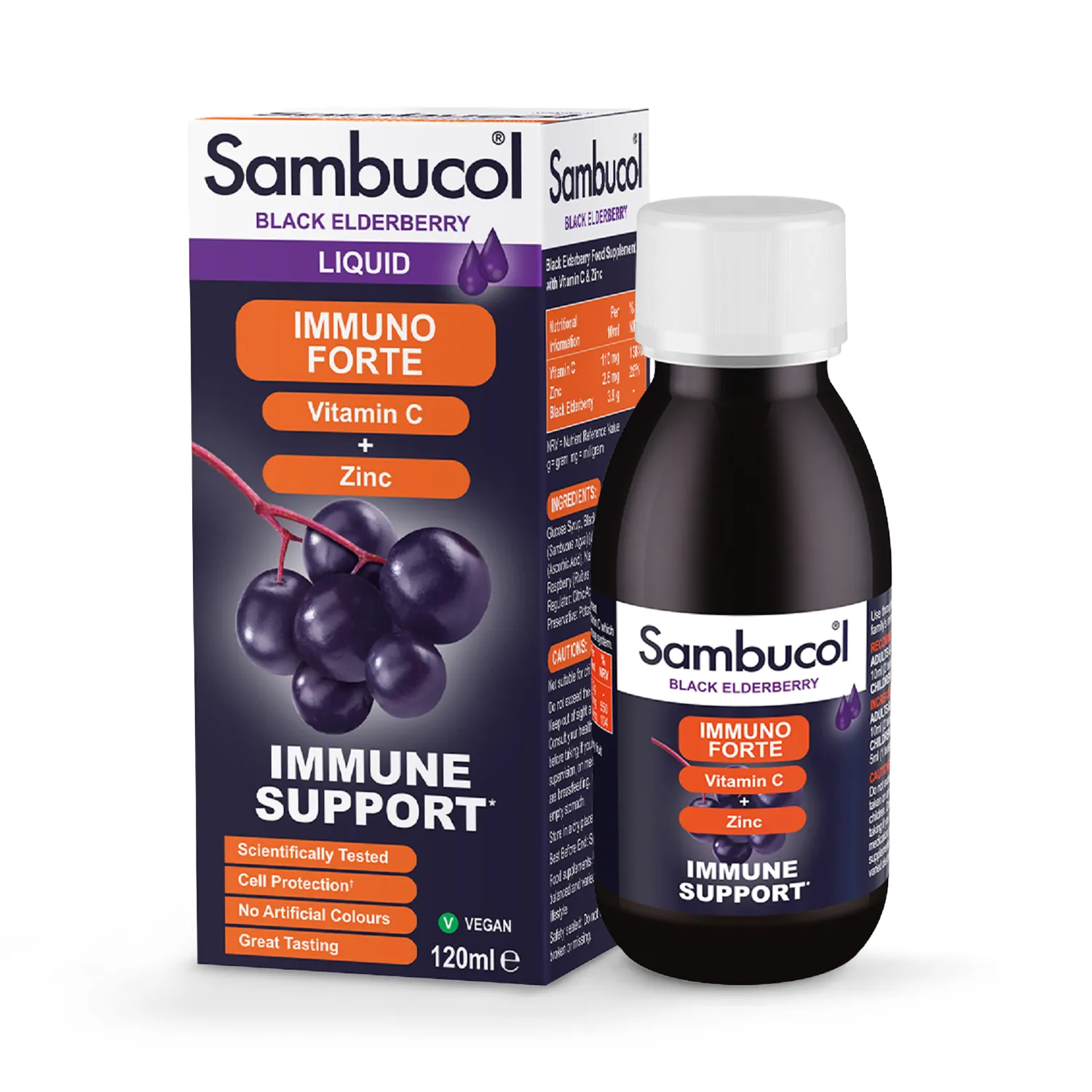
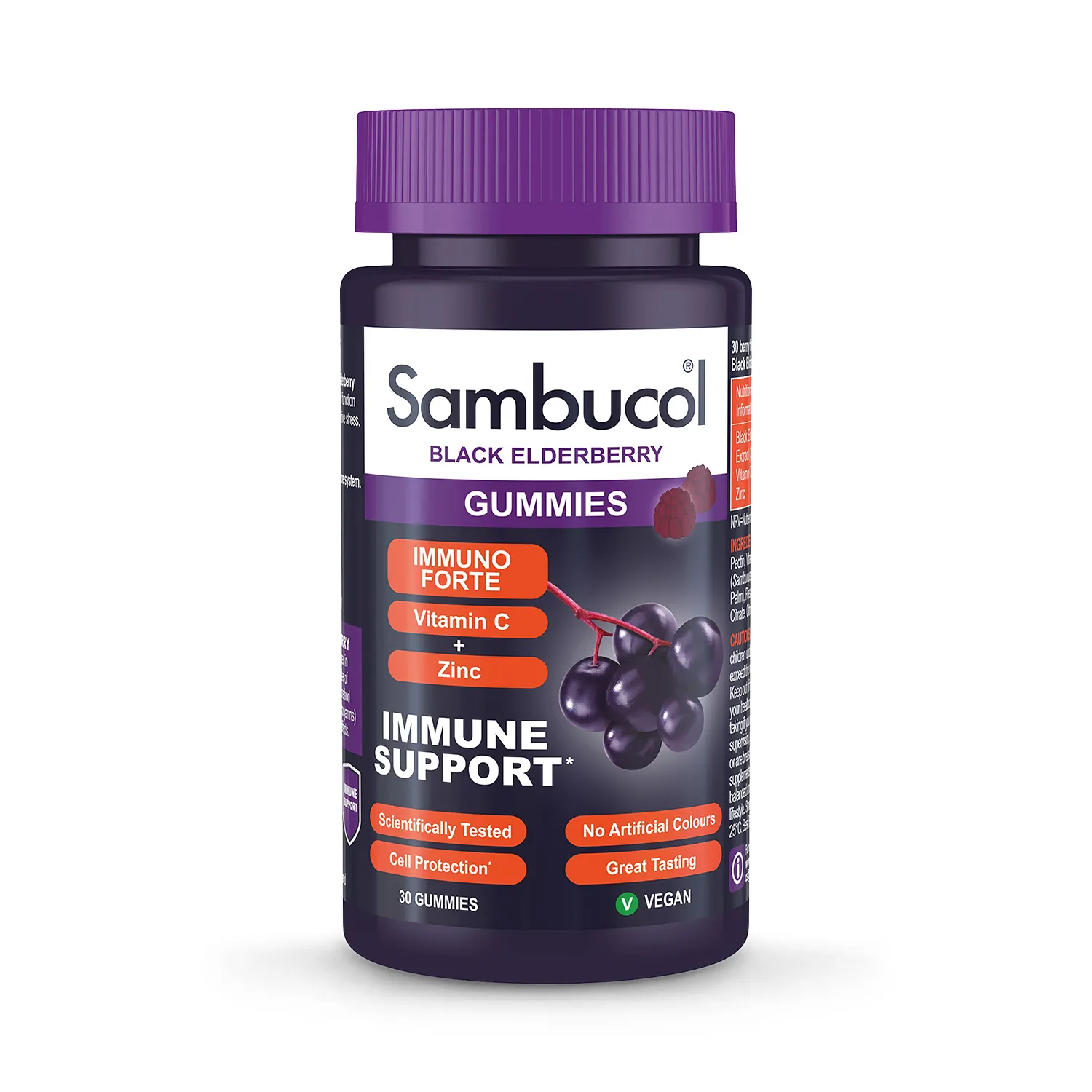
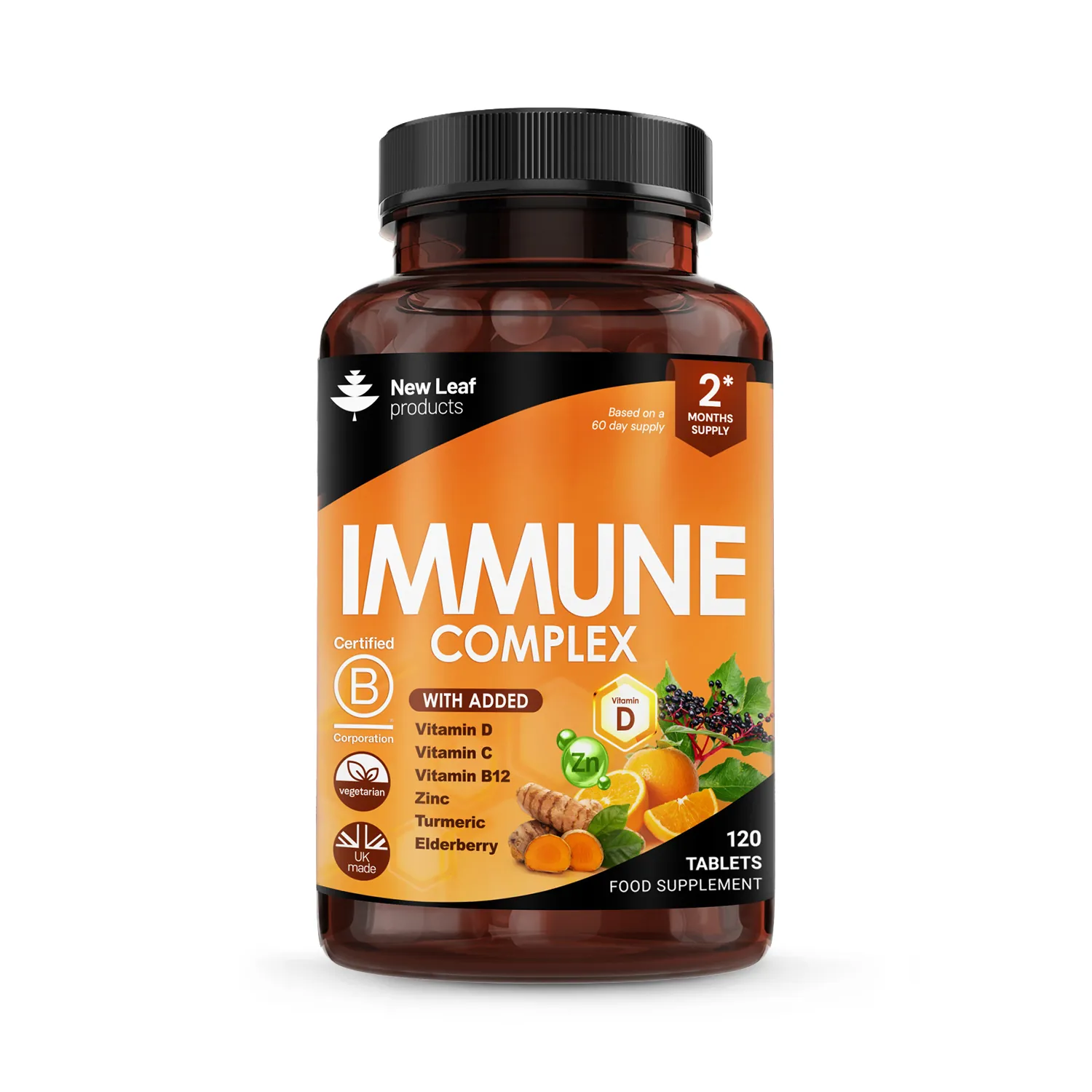
Immune Complex with Vitamins, Zinc, Turmeric, Elderberry Tablets 120 tablets
Check interactions with your other supplements
Add Elderberry to our interactive Stack Analyzer and see how it works with everything else you take.
Add Elderberry to your stack →Related Ingredients
Frequently Asked Questions
A 2019 meta-analysis in the Journal of Functional Foods (Hawkins et al., PMID 30670267) found that elderberry supplementation substantially reduced upper respiratory symptom scores and illness duration across pooled data from multiple randomised controlled trials. Whilst results are encouraging, most individual trials were small and some were commercially funded, so individual responses may vary. Elderberry should not replace standard medical care for confirmed influenza.
Raw elderberries, along with the plant's leaves, bark, and seeds, contain cyanogenic glycosides that can cause nausea and vomiting if consumed in significant quantities. Commercially standardised extracts and syrups are processed to neutralise these compounds and are generally considered safe for most adults at recommended doses. Individuals taking immunosuppressant medications should consult a qualified healthcare professional before use, as elderberry may stimulate immune activity.
Standardised elderberry extracts — such as Sambucol — are formulated to contain a defined quantity of anthocyanins, making dosing more consistent and directly comparable to clinical trial protocols. Elderberry syrups are the traditional preparation and are generally palatable, but anthocyanin content can vary considerably between products. Research suggests that standardised extracts were used in the majority of clinical trials to date, making them a more evidence-aligned choice when precise dosing is a priority.