Important: This page is for informational purposes only, based on published peer-reviewed research and official UK dietary guidelines (NHS, EFSA, SACN). It does not constitute medical advice. Always consult your GP or pharmacist before starting, stopping, or combining supplements.
Folate — Forms, Dosage & Interactions
Also known as: folic acid, vitamin b9, b9, methylfolate, 5-mthf, folacin
Overview
Folate (vitamin B9) is a water-soluble B vitamin essential for DNA synthesis, repair, and methylation — biochemical processes that underpin cell division, growth, and gene expression. It occurs naturally in leafy green vegetables, legumes, liver, and fortified cereals. The synthetic form, folic acid, is used widely in supplements and — since 2024 — in mandatory UK flour fortification. The biologically active circulating form is 5-methyltetrahydrofolate (5-MTHF), also available as a direct supplement. Supplementation is most strongly supported for pregnancy: the NHS recommends 400 mcg folic acid daily for women planning to conceive and during the first 12 weeks of pregnancy to reduce the risk of neural tube defects (NTDs) such as spina bifida — one of the most robustly evidenced benefits in nutritional medicine. Beyond pregnancy, research has explored folate's role in homocysteine regulation, cardiovascular health, and cognitive function, though evidence for these applications is more mixed. Approximately 40% of the population carries a common variant of the MTHFR gene that impairs conversion of folic acid to 5-MTHF. For these individuals, the methylated form of folate may be preferable. Individual responses to supplementation may vary depending on genetic background, dietary intake, and B12 status.
UK Dosage Guidelines
| Guideline | Value | Source |
|---|---|---|
|
Reference Nutrient Intake (RNI)
The amount sufficient for most people |
200 mcg (400 mcg for pregnancy) | NHS / SACN |
|
Tolerable Upper Level (UL)
Maximum daily intake unlikely to cause harm |
1,000 mcg folic acid (EFSA) | EFSA / SACN |
Forms Comparison
Folate is available in several supplemental forms. Bioavailability and suitability vary.
| Form Name | Bioavailability | Notes |
|---|---|---|
| Folic Acid | moderate | Synthetic form, requires MTHFR enzyme conversion — ~40% of population has reduced conversion |
| 5-Methyltetrahydrofolate (5-MTHF) | high | Active methylated form, bypasses MTHFR polymorphism, preferred |
| Folinic Acid | high | Active form, used clinically, does not require MTHFR conversion |
When to Take Folate
Recommended Time
☀️ Morning — research suggests taking Folate in the morning
Additional Notes
Water-soluble. Critical before and during early pregnancy to prevent neural tube defects.
With or Without Food
Research suggests taking Folate with food for better absorption.
Known Interactions
3 known interactions with other supplements.
B12 and folate are closely linked in the methylation cycle. Research indicates that B12 deficiency can trap folate in an unusable form, and supplementing one without the other may mask deficiency of the second.
Action: These are often taken together. Importantly, supplementing folate alone may mask B12 deficiency symptoms, so checking B12 status is advisable.
Read full analysis →Some research suggests high-dose zinc supplementation may impair folate absorption, though the evidence is mixed and dose-dependent.
Action: At typical supplement doses, this interaction is unlikely to be clinically significant. Separating high-dose zinc from folate may be prudent.
Read full analysis →When supplementing individual B vitamins alongside a B-complex, total doses may exceed intended amounts. Particularly for B6, which has a well-established UL, and folate, where high doses may mask B12 deficiency.
Action: Checking the B6 and folate content of all supplements taken together helps avoid inadvertent excess. Folate above 1mg/day may mask B12 deficiency anaemia.
Read full analysis →Top Folate Products on AIScored
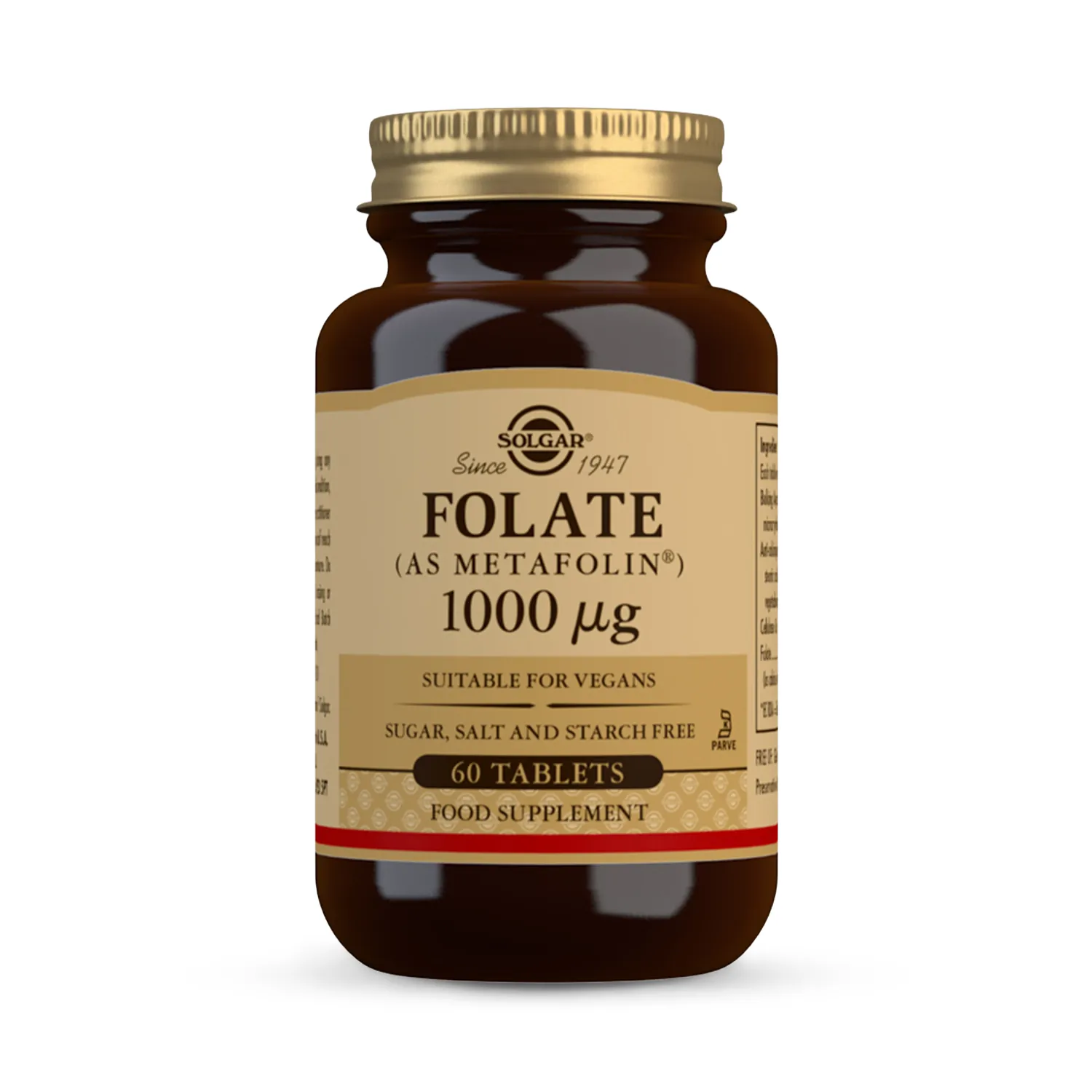
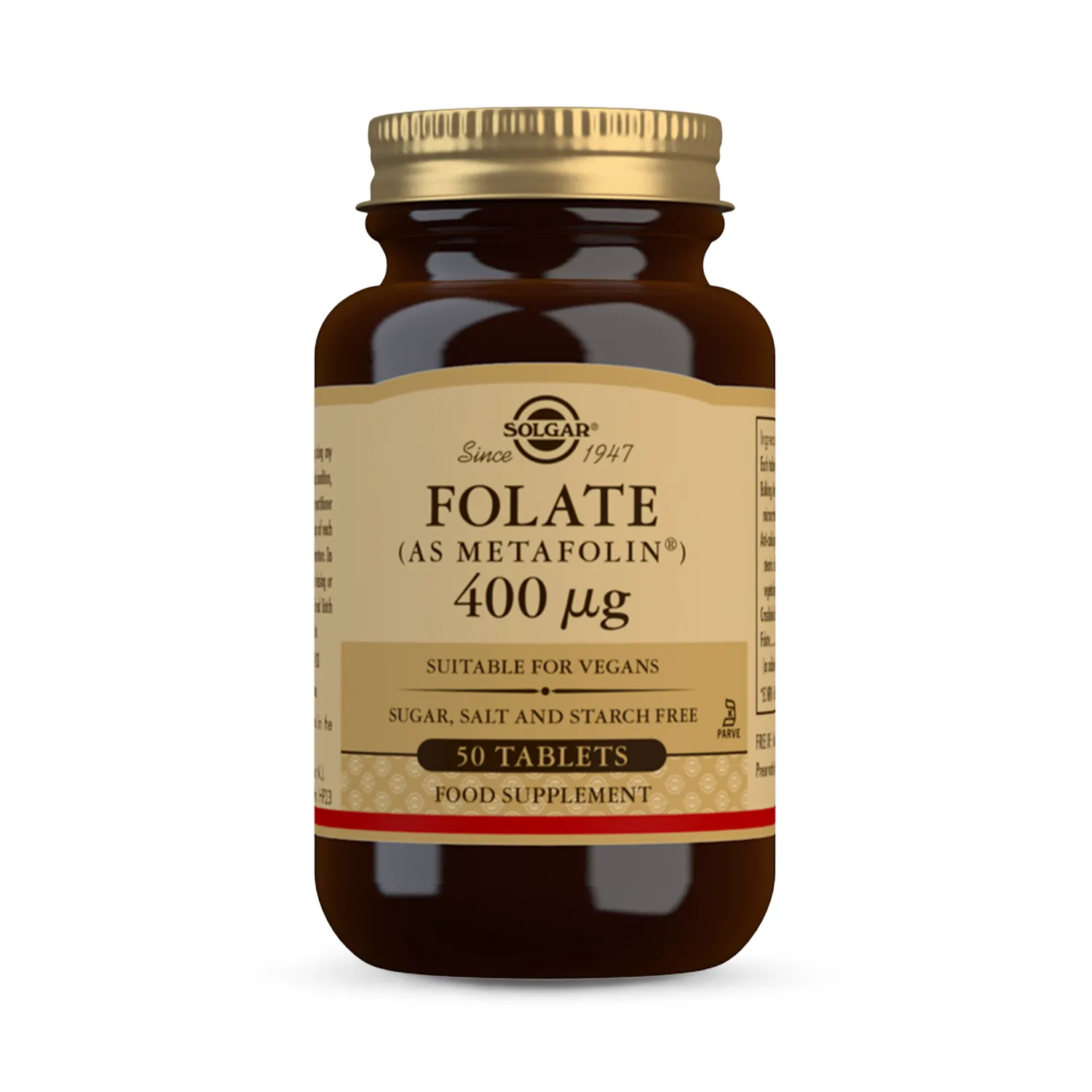
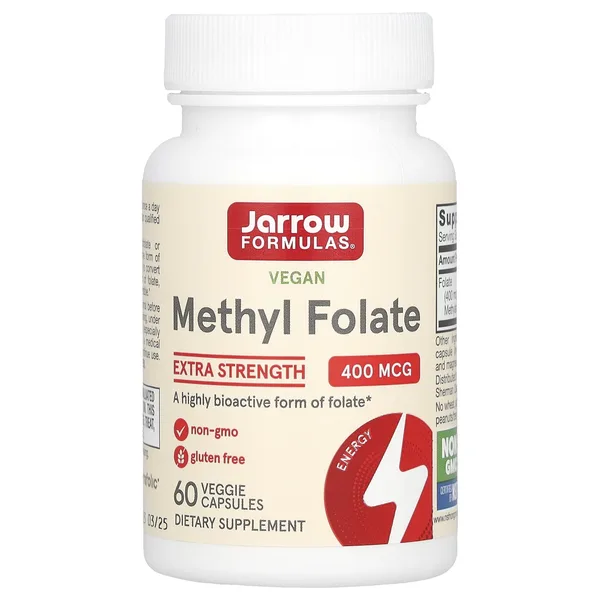
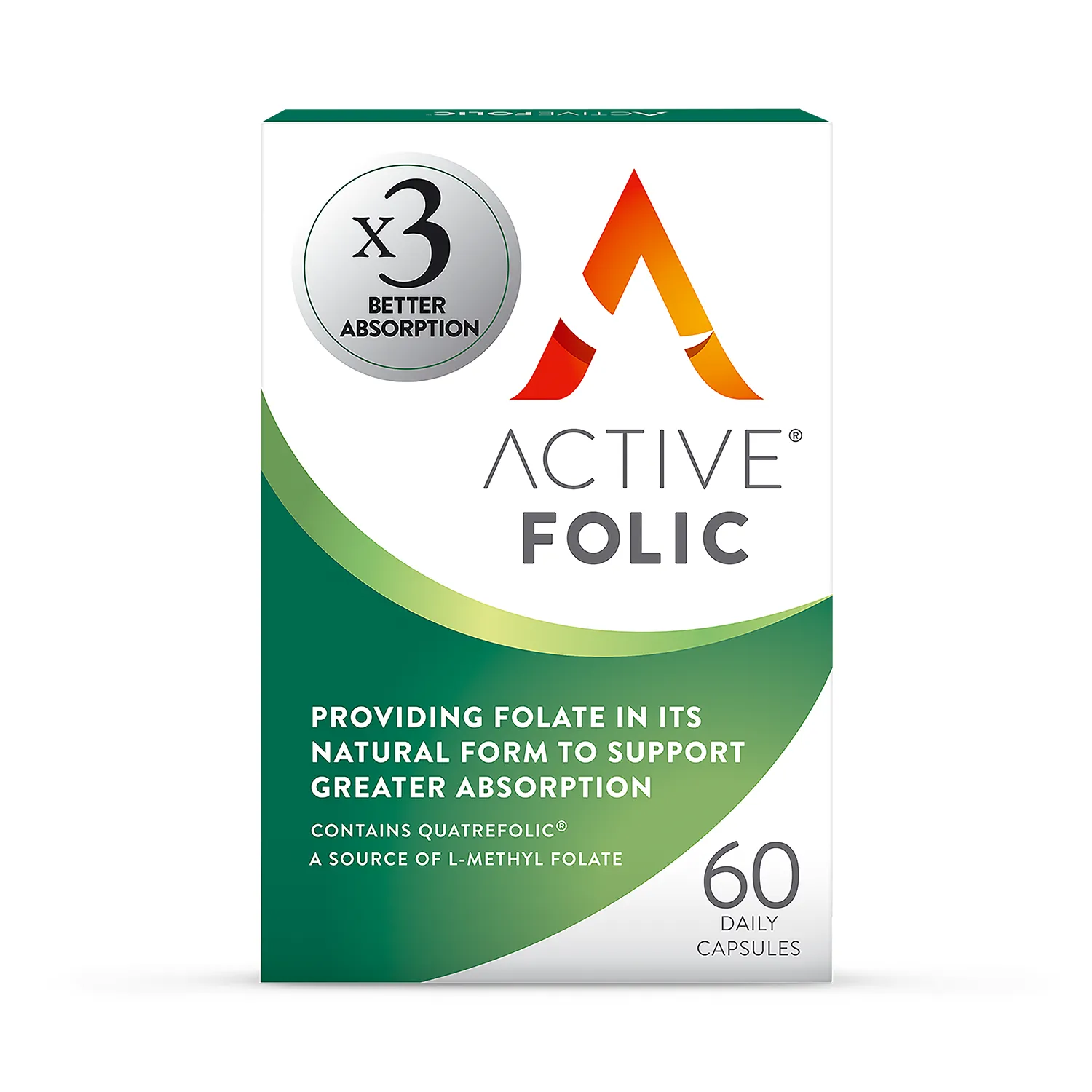
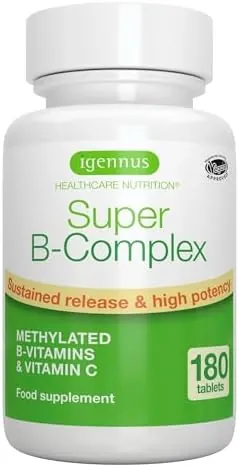
Igennus Super B-Complex - High Absorption Methylated B Vitamins, Clean Label, 180 Sustained Release Tablets - Complete Spectrum of B Vitamins with Folate, Boosted B12 & Vitamin C, 90 Servings
Check interactions with your other supplements
Add Folate to our interactive Stack Analyzer and see how it works with everything else you take.
Add Folate to your stack →Related Ingredients
Frequently Asked Questions
Folic acid is the synthetic form found in most supplements and fortified foods. It must be converted by the MTHFR enzyme to become metabolically active. Research suggests that roughly 40% of people carry a common MTHFR variant that reduces this conversion. Methylfolate (5-MTHF) is the pre-converted, bioactive form that bypasses this step entirely — making it potentially more suitable for those with MTHFR polymorphisms. Both forms support pregnancy outcomes in available trials, though 5-MTHF may offer more consistent bioavailability. Individual responses may vary.
Studies consistently indicate that folate — particularly combined with vitamins B6 and B12 — reduces elevated plasma homocysteine. However, the HOPE-2 trial (Lonn et al., 2006, NEJM) found that despite effective homocysteine lowering, B vitamin supplementation did not significantly reduce major cardiovascular events in patients with established vascular disease. Evidence for primary prevention is less conclusive. Homocysteine normalisation may be beneficial for other outcomes, but cardiovascular benefit remains uncertain.
EFSA's tolerable upper intake level for synthetic folic acid is 1,000 mcg per day for adults. The principal concern above this threshold is masking vitamin B12 deficiency: high folic acid can correct the megaloblastic anaemia associated with B12 deficiency while allowing neurological damage to progress undetected. Naturally occurring food folate carries no established upper limit. Those using high-dose folic acid supplements — particularly older adults — should also monitor B12 status, as absorption of B12 declines with age.