Important: This page is for informational purposes only, based on published peer-reviewed research and official UK dietary guidelines (NHS, EFSA, SACN). It does not constitute medical advice. Always consult your GP or pharmacist before starting, stopping, or combining supplements.
Panax Ginseng — Forms, Dosage & Interactions
Also known as: ginseng, korean ginseng, panax ginseng, asian ginseng, red ginseng, ginsenosides
Overview
Panax ginseng — commonly known as Korean or Asian ginseng — is a slow-growing perennial plant native to the mountainous regions of Korea, China, and Siberia. Its thick, fleshy root has been used in traditional East Asian medicine for over 2,000 years as a tonic to promote vitality, mental clarity, and resilience. It is classified as an adaptogen: a substance that may help the body adapt to physical and psychological stress without disrupting normal physiological function. The principal bioactive compounds are ginsenosides (also termed panaxosides), a family of steroidal saponins unique to the Panax genus. Commercially available extracts are typically standardised to contain 4–7% total ginsenosides, providing more consistent and predictable dosing than raw root powder. The evidence base for Panax ginseng is among the stronger ones in herbal supplementation, supported by multiple randomised controlled trials and systematic reviews across areas including cognitive performance, physical energy, blood sugar management, immune modulation, and stress adaptation. Most studies are, however, modest in scale and duration, and effect sizes tend to be measured rather than dramatic. A degree of variability across trials reflects differences in extract type, ginsenoside standardisation, and population studied. Individual responses may vary considerably depending on the product's ginsenoside profile and dose.
UK Dosage Guidelines
| Guideline | Value | Source |
|---|---|---|
|
Reference Nutrient Intake (RNI)
The amount sufficient for most people |
No established RDA | NHS / SACN |
Forms Comparison
Panax Ginseng is available in several supplemental forms. Bioavailability and suitability vary.
| Form Name | Bioavailability | Notes |
|---|---|---|
| Standardised Extract (4-7% ginsenosides) | high | Concentrated active compounds, most predictable dosing |
| Red Ginseng | high | Steamed and dried, contains unique ginsenosides (Rg3, Rk1), more warming |
| White Ginseng (dried root) | moderate | Air-dried, milder profile, less processing |
When to Take Panax Ginseng
Recommended Time
☀️ Morning — research suggests taking Panax Ginseng in the morning
Additional Notes
Morning with food. Stimulating — avoid evening use. Consider cycling (8 weeks on, 2 weeks off) to maintain efficacy.
With or Without Food
Research suggests taking Panax Ginseng with food for better absorption.
Known Interactions
3 known interactions with other supplements.
Ginseng has stimulant-like properties. Research suggests taking it at the same time as melatonin may create opposing pharmacological effects.
Action: Ginseng is best taken in the morning. Melatonin is taken at bedtime. Separating them by timing naturally avoids any conflict.
Read full analysis →Ginseng is a stimulating adaptogen while ashwagandha is calming. Research suggests they can be complementary if timed appropriately, but simultaneous use may produce conflicting effects.
Action: Some protocols use ginseng in the morning (for energy) and ashwagandha in the evening (for relaxation). Combining both at the same time may produce unpredictable results.
Read full analysis →Both are adaptogenic herbs that may support energy and stress resilience. Research suggests they work through partially overlapping but distinct mechanisms.
Action: This combination is used in some adaptogenic formulas for energy and focus. Both are best taken in the morning to avoid potential sleep interference.
Read full analysis →Top Panax Ginseng Products on AIScored
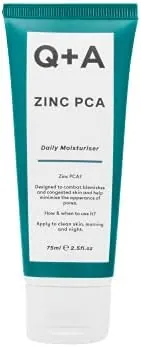
Q+A Zinc PCA Daily Moisturiser (75ml), Hydrating Moisturiser Face Cream for Oily and Blemish-Prone Skin, with Niacinamide and Ginseng, Oil Control and Pore Minimising, Fragrance Free Skincare


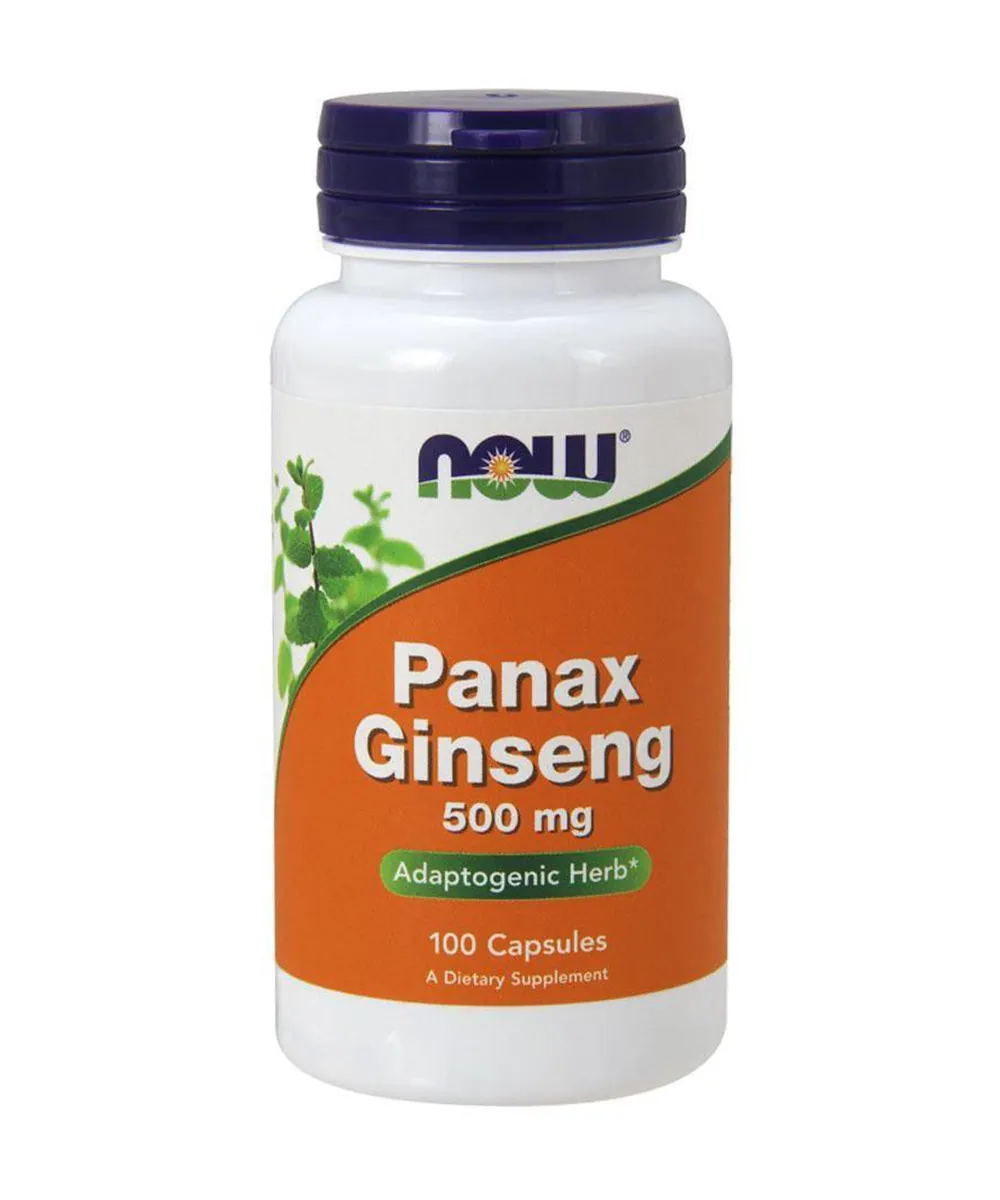
Check interactions with your other supplements
Add Panax Ginseng to our interactive Stack Analyzer and see how it works with everything else you take.
Add Panax Ginseng to your stack →Related Ingredients
Frequently Asked Questions
The distinction lies in processing. White ginseng is air-dried at low temperatures, preserving the native ginsenoside profile. Red ginseng is steamed before drying, which triggers chemical transformations that generate unique ginsenosides — including Rg3 and Rk1 — not present in significant quantities in white ginseng. Research suggests these additional compounds may have more pronounced immunomodulatory and vascular effects. Both forms are widely available in the UK. Individual responses may vary.
Acute effects on blood glucose levels and cognitive performance have been reported within hours of a single dose in short-term controlled trials (Reay et al., 2005, Journal of Psychopharmacology). For sustained benefits — including stress adaptation, energy management, and broader cognitive function — most research protocols run for 8–12 weeks of consistent daily supplementation. Evidence suggests regular daily use is more effective than occasional dosing. Individual responses may vary based on extract quality and ginsenoside content.
Panax ginseng is generally well tolerated at 200–400 mg standardised extract daily. Reported mild side effects include headache, gastrointestinal discomfort, and sleep disturbance. Clinically relevant interactions include warfarin (potential alteration of anticoagulant effect), hypoglycaemic agents (additive blood glucose-lowering effect), and MAO inhibitors. The MHRA advises consulting a GP or pharmacist before use if taking prescription medicines. Ginseng is not recommended during pregnancy owing to insufficient safety data.