Important: This page is for informational purposes only, based on published peer-reviewed research and official UK dietary guidelines (NHS, EFSA, SACN). It does not constitute medical advice. Always consult your GP or pharmacist before starting, stopping, or combining supplements.
Glutamine — Forms, Dosage & Interactions
Also known as: l-glutamine, glutamine powder
Overview
Glutamine is the most abundant free amino acid in human plasma and skeletal muscle, accounting for approximately 60% of the body's total free amino acid pool. It is classified as a conditionally essential amino acid: while the body synthesises it endogenously — primarily in skeletal muscle and the lungs — production may become insufficient during periods of physiological stress such as intense or prolonged exercise, surgery, serious illness, or injury. Under these conditions, demand from the gut, immune system, and kidneys can outpace supply. People supplement glutamine principally for three reasons: to support gut barrier integrity, to maintain immune function during heavy training periods, and to assist muscle recovery. The evidence base is moderate overall, with the most robust data coming from clinical and critical care settings, where gut permeability and immune competence are genuinely compromised. In healthy athletic populations, evidence for meaningful performance benefits is less convincing. A 2008 review by Gleeson in the Journal of Nutrition noted that while glutamine's physiological roles are well-characterised, translating these into measurable ergogenic outcomes in healthy individuals remains difficult to demonstrate consistently. Individual responses may vary depending on baseline status and the nature of the physiological stressor involved.
UK Dosage Guidelines
| Guideline | Value | Source |
|---|---|---|
|
Reference Nutrient Intake (RNI)
The amount sufficient for most people |
No established RDA | NHS / SACN |
Forms Comparison
Glutamine is available in several supplemental forms. Bioavailability and suitability vary.
| Form Name | Bioavailability | Notes |
|---|---|---|
| L-Glutamine | high | Free-form, most common and well-studied |
| Glutamine Peptides | high | Bonded form, more stable in solution, similar efficacy |
When to Take Glutamine
Recommended Time
🕑 Any — can be taken at this time
Additional Notes
Can be taken any time. Often used post-workout or before bed. Primary fuel source for gut lining cells.
With or Without Food
Research suggests taking Glutamine on an empty stomach for optimal absorption.
Known Interactions
1 known interaction with other supplements.
Research suggests glutamine supports intestinal barrier integrity, which may complement probiotic supplementation for gut health.
Action: Both can be taken together. Glutamine is often taken on an empty stomach, while probiotics can be taken with or without food depending on the strain.
Read full analysis →Top Glutamine Products on AIScored
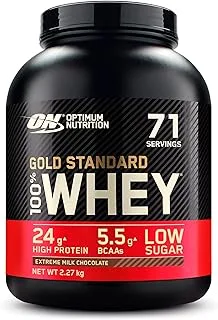
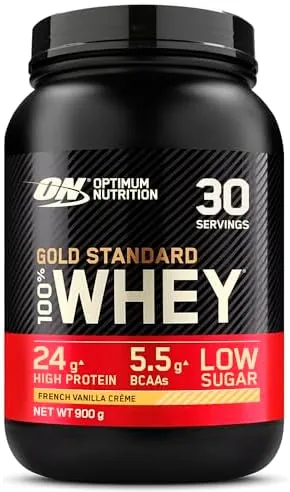
Optimum Nutrition Gold Standard Whey Protein Powder Muscle Building Supplements With Glutamine and Amino Acids, French Vanilla Creme, 30 Servings, 900 g, Packaging May Vary, 891 - 908 g
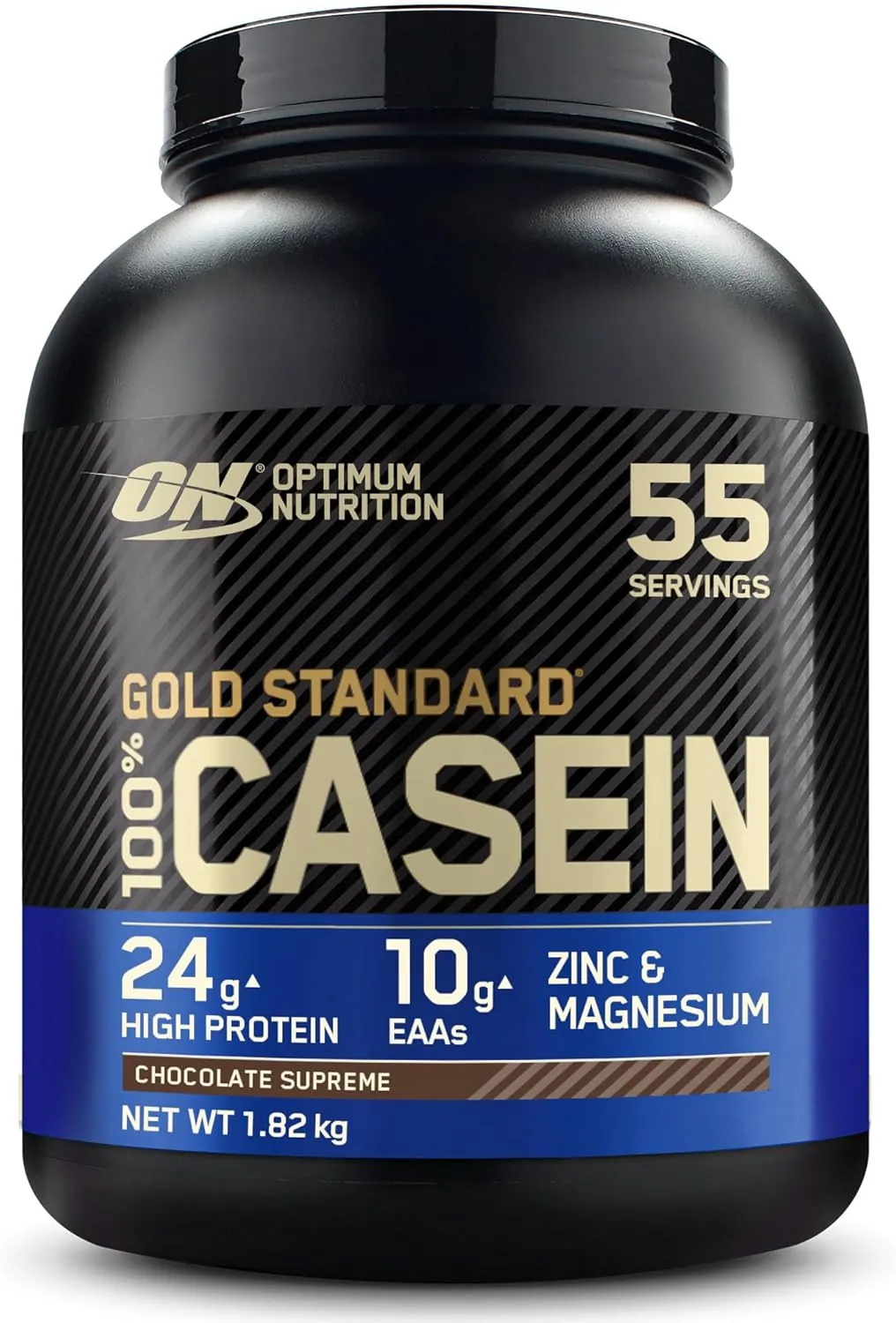
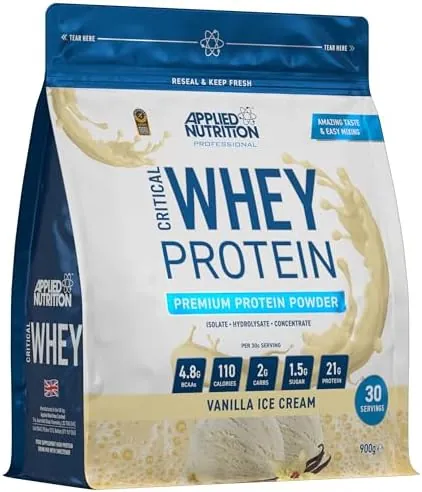
Applied Nutrition Critical Whey Protein Powder 900g - High Protein Powder, Protein Milkshake, Muscle Building Supplement with BCAAs & Glutamine (900g - 30 Servings) (Vanilla)
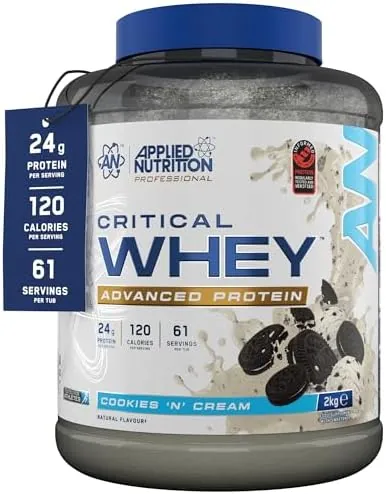
Applied Nutrition Critical Whey Protein Powder – 24g Protein per Serving, High Protein Powder, Protein Shake with BCAAs & Glutamine – Muscle Growth & Recovery (2Kg - 61 Servings) (Cookies ‘N’ Cream)
Check interactions with your other supplements
Add Glutamine to our interactive Stack Analyzer and see how it works with everything else you take.
Add Glutamine to your stack →Related Ingredients
Frequently Asked Questions
Evidence is limited. A study by Candow et al. (2001, European Journal of Applied Physiology) found no significant difference in muscle mass, strength, or body composition between glutamine-supplemented and placebo groups in healthy young adults undertaking resistance training over six weeks. Research suggests that individuals already consuming adequate dietary protein — which provides sufficient glutamine — are unlikely to benefit further from supplementation. Individual responses may vary.
Research suggests glutamine plays a meaningful role in maintaining intestinal barrier integrity by fuelling enterocytes and supporting tight junction proteins. Clinical evidence in critical care, major burns, and some inflammatory bowel disease settings is more substantial than evidence in otherwise healthy individuals with mild digestive discomfort. The concept of conditional essentiality — proposed by Lacey and Wilmore (1990, Nutrition Reviews) — underpins this clinical use. Those with a diagnosed gut condition should consult a healthcare professional before supplementing.
Studies in healthy adults have typically employed doses ranging from 5 g to 20 g per day. A 2008 review by Gleeson in the Journal of Nutrition noted that supplemental doses up to approximately 14 g per day appear well tolerated in healthy individuals. There is no established upper limit under UK or EFSA frameworks. Doses above 20–25 g per day have limited safety data in healthy populations, and those with hepatic or renal conditions should seek medical advice before supplementing. Individual responses may vary.