Important: This page is for informational purposes only, based on published peer-reviewed research and official UK dietary guidelines (NHS, EFSA, SACN). It does not constitute medical advice. Always consult your GP or pharmacist before starting, stopping, or combining supplements.
L-Theanine — Forms, Dosage & Interactions
Also known as: theanine, suntheanine, l-gamma-glutamylethylamide
Overview
L-theanine is a non-protein amino acid found predominantly in the leaves of Camellia sinensis — the plant from which green, black, and white teas are derived. Unlike most amino acids, it is not obtained in meaningful dietary quantities unless tea is consumed regularly, which has contributed to growing interest in standalone supplementation. Research suggests L-theanine promotes a state of calm alertness, modifying brain wave activity without inducing sedation — a profile that distinguishes it from conventional relaxation compounds. Studies indicate it may support cognitive performance, stress management, and sleep quality, both alone and in combination with caffeine, where synergistic effects on attention and focus have been documented. The evidence base is considered strong relative to many supplement ingredients, with multiple double-blind, placebo-controlled human trials published in peer-reviewed journals. Two commercially recognised forms exist: standard L-theanine and Suntheanine, a patented version representing the pure L-isomer used in the majority of clinical research. No UK Recommended Daily Amount or established upper limit exists, as L-theanine is not classified as an essential nutrient. Individual responses may vary depending on baseline stress levels, habitual caffeine intake, and individual variation in neurotransmitter pathways.
UK Dosage Guidelines
| Guideline | Value | Source |
|---|---|---|
|
Reference Nutrient Intake (RNI)
The amount sufficient for most people |
No established RDA | NHS / SACN |
Forms Comparison
L-Theanine is available in several supplemental forms. Bioavailability and suitability vary.
| Form Name | Bioavailability | Notes |
|---|---|---|
| L-Theanine | high | Standard form, well-absorbed |
| Suntheanine | high | Patented pure L-isomer form, used in most clinical trials |
When to Take L-Theanine
Recommended Time
🕑 Any — can be taken at this time
Additional Notes
Can be taken any time. Often paired with caffeine (2:1 ratio) for focused calm. Evening use supports relaxation.
With or Without Food
Research suggests taking L-Theanine on an empty stomach for optimal absorption.
Known Interactions
4 known interactions with other supplements.
Research suggests L-theanine and Lion's Mane may have complementary cognitive benefits. L-theanine promotes calm focus while Lion's Mane supports nerve growth factor production.
Action: This combination is popular in nootropic stacks. Both can be taken in the morning for cognitive support.
Read full analysis →Both L-theanine and ashwagandha may support relaxation and stress reduction through different mechanisms. Research suggests they can be complementary in an anxiolytic stack.
Action: This combination is popular for daytime stress management without sedation. L-theanine provides calm focus while ashwagandha addresses cortisol.
Read full analysis →Both valerian and L-theanine have calming effects. Research suggests combining them may produce a cumulative sedative effect, which is desirable at bedtime but could cause excessive drowsiness during the day.
Action: If combining, using them in the evening for sleep support is typical. Daytime use of both together may cause unwanted drowsiness.
Read full analysis →Both magnesium and L-theanine promote relaxation without sedation. Research suggests they may have complementary calming effects through different GABA-related mechanisms.
Action: This combination is popular for relaxation and focus. Both can be taken together, any time of day.
Read full analysis →Key Studies
1 peer-reviewed study cited. All links lead to PubMed abstracts.
Asia Pac J Clin Nutr (2008) · PMID: 18296328
200 mg L-theanine increased alpha brain wave activity, promoting relaxation without drowsiness
Top L-Theanine Products on AIScored
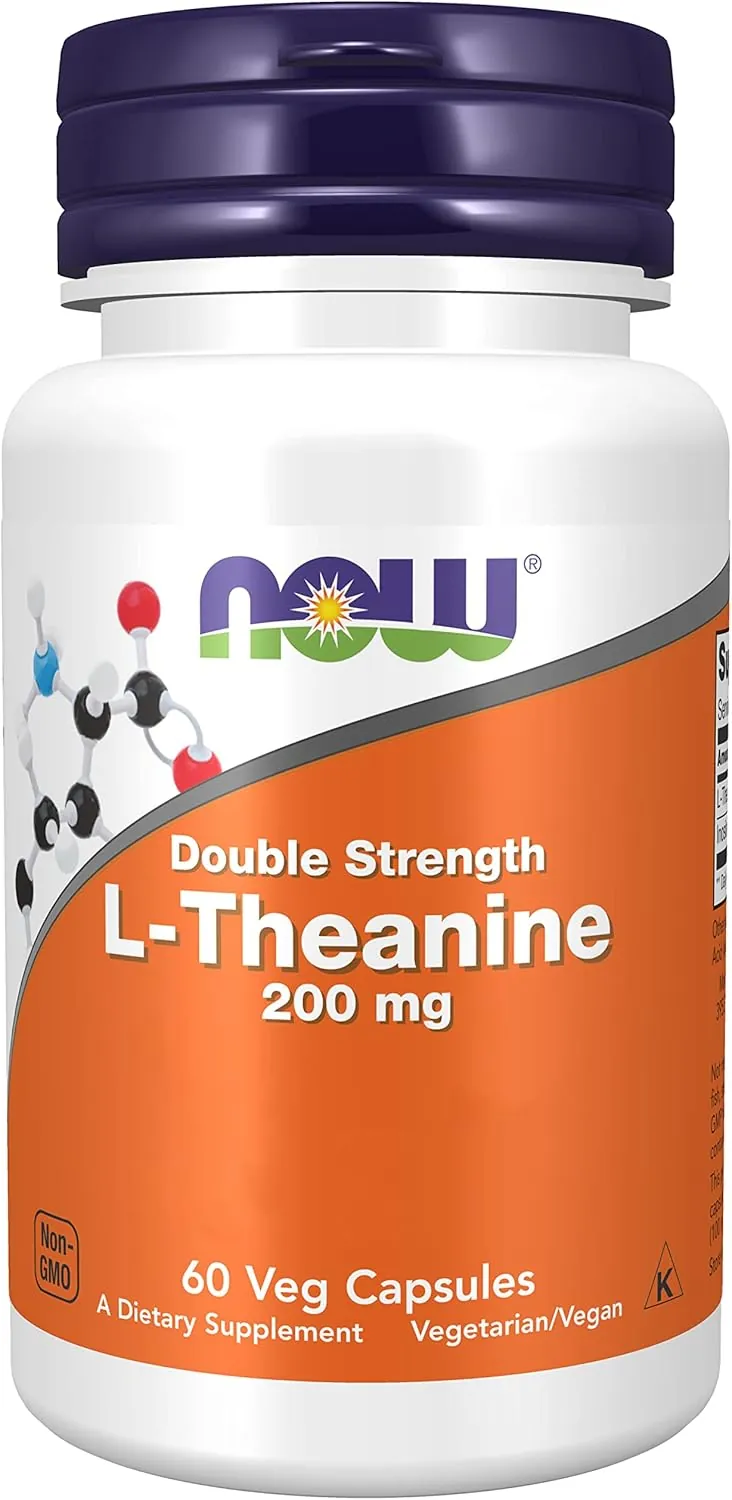
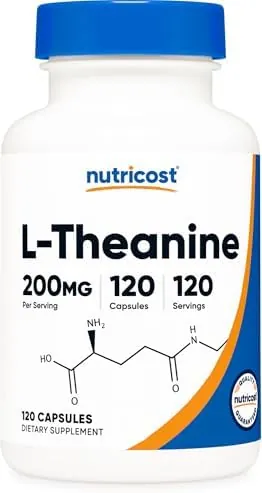
Nutricost L-Theanine 200mg, 120 Capsules, Double Strength - Non-GMO, Gluten Free
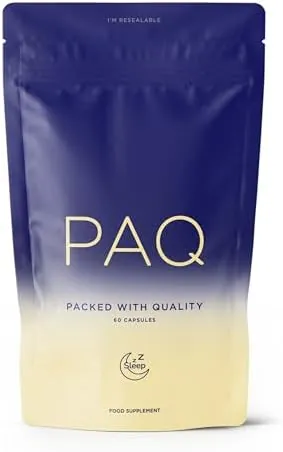
Sleep PAQ Natural Sleep Aid – 60 Vegan Capsules – Magnesium, L-Theanine, Passion Flower, Cherry – Non-Habit Forming, No Melatonin – Clinically Dosed for Sleep, Recovery & Relaxation
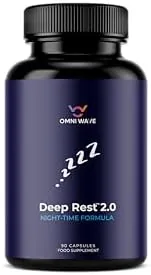
Deep Rest – Natural Sleep and Relaxation Support Supplement with Magnesium L-Threonate, Glycine, Apigenin, Lemon Balm, Griffonia 5HTP, L-Theanine & Vitamin B6 – 60 Vegan Capsules
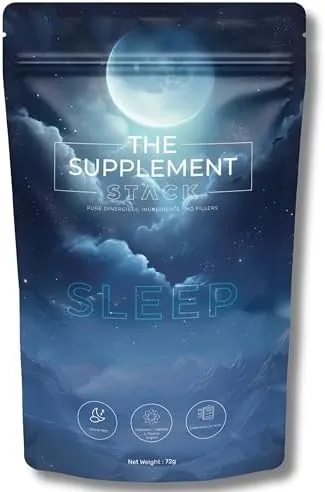
Sleep - 3 in 1 Magnesium L-Threonate, L-Theanine & Apigenin for Deeper Sleep, Relaxation, Cognitive Support, and Mood Enhancement. Clinically-Proven - UK Company
Check interactions with your other supplements
Add L-Theanine to our interactive Stack Analyzer and see how it works with everything else you take.
Add L-Theanine to your stack →Related Ingredients
Frequently Asked Questions
Research suggests L-theanine and caffeine in combination may produce a more balanced cognitive state than either compound alone. A double-blind, placebo-controlled trial by Haskell et al. (2008, Biological Psychology) found the combination improved accuracy and speed on cognitive tasks versus caffeine alone, with participants reporting reduced headache and fatigue. The proposed mechanism involves L-theanine moderating caffeine's stimulatory effects on the central nervous system. Individual responses may vary.
Based on available clinical data, L-theanine appears well-tolerated, with no significant adverse effects reported in trials lasting up to eight weeks at doses of 200–400 mg daily. Long-term safety data beyond this window remains limited in the published literature. L-theanine is not a controlled substance in the UK and is available without prescription. Those taking prescribed medications — particularly for blood pressure or mood — should consult a GP or pharmacist before supplementing.
Suntheanine is a patented form manufactured by Taiyo International to represent only the pure L-isomer. Standard L-theanine supplements may contain variable proportions of the pharmacologically inactive D-isomer. Most published clinical trials have used Suntheanine, so findings are most directly applicable to this form. In practice, high-quality standard L-theanine products with verified purity should deliver comparable effects, though independent quality testing varies between manufacturers.