Important: This page is for informational purposes only, based on published peer-reviewed research and official UK dietary guidelines (NHS, EFSA, SACN). It does not constitute medical advice. Always consult your GP or pharmacist before starting, stopping, or combining supplements.
L-Tryptophan — Forms, Dosage & Interactions
Also known as: tryptophan, 5-htp precursor, trp
Overview
L-Tryptophan is an essential amino acid — one the human body cannot synthesise and must obtain through diet or supplementation. It occurs naturally in protein-rich foods including turkey, eggs, milk, cheese, oats, and pumpkin seeds. Tryptophan serves as a biosynthetic precursor to serotonin and, subsequently, melatonin, which is why supplementation interest centres primarily on sleep support and mood regulation. As an essential amino acid, tryptophan also participates directly in protein synthesis, but it is the least abundant essential amino acid in the diet, and its conversion to serotonin is tightly regulated. Studies suggest that typical Western diets provide adequate tryptophan for baseline physiological needs, but supplemental doses — typically ranging from 500 mg to 2,000 mg — may support specific outcomes in individuals with heightened metabolic demand, poor dietary intake, or disrupted sleep architecture. The overall evidence base for L-tryptophan supplementation is rated as moderate. The most consistent evidence relates to sleep-onset and sleep-quality outcomes. Effects on mood and stress management are plausible given its serotonergic role, though study quality varies. Individual responses may vary considerably, influenced by competing amino acid levels, gut microbiome status, and co-nutrient availability.
UK Dosage Guidelines
| Guideline | Value | Source |
|---|---|---|
|
Reference Nutrient Intake (RNI)
The amount sufficient for most people |
No established RDA | NHS / SACN |
Forms Comparison
L-Tryptophan is available in several supplemental forms. Bioavailability and suitability vary.
| Form Name | Bioavailability | Notes |
|---|---|---|
| L-Tryptophan | high | Free-form amino acid, well-absorbed on empty stomach |
| 5-HTP | high | One step closer to serotonin than tryptophan, faster acting but different supplement |
When to Take L-Tryptophan
Recommended Time
🌙 Evening — research suggests taking L-Tryptophan in the evening
Additional Notes
Take on empty stomach for best absorption — competes with other amino acids for transport. Evening use supports serotonin/melatonin production.
With or Without Food
Research suggests taking L-Tryptophan on an empty stomach for optimal absorption.
Known Interactions
2 known interactions with other supplements.
L-tryptophan is converted to serotonin and then melatonin in the body. Taking both may be redundant and could potentially lead to excessive serotonergic effects.
Action: Using one or the other for sleep support is generally sufficient. If combining, starting with low doses of each and monitoring for excessive drowsiness is prudent.
Read full analysis →Both ashwagandha and L-tryptophan may support serotonin-related pathways. Research suggests they can be complementary for mood and sleep support.
Action: This combination is sometimes used for evening relaxation and sleep support. Both can be taken in the evening.
Read full analysis →Top L-Tryptophan Products on AIScored
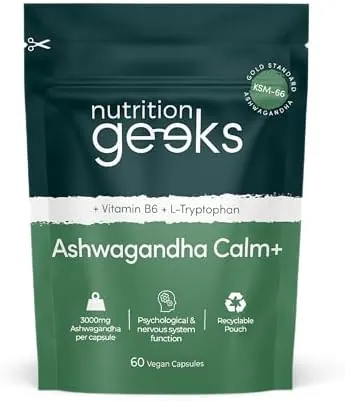
Ashwagandha KSM 66 Complex – 3000mg Enhanced with L-Tryptophan & Vitamin B6 (2 Month Supply) – Ashwagandha High Strength Capsules with 250mg Extract (Not Gummies or Powder) - Vegan, UK Made
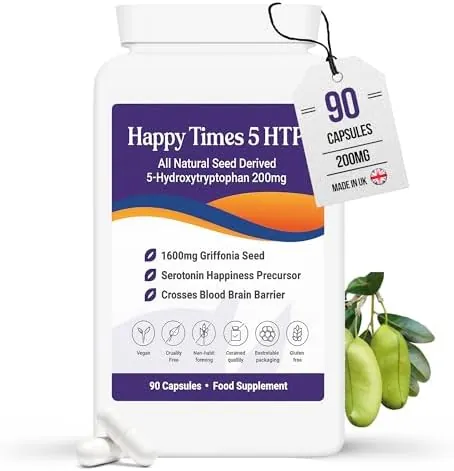
Happy Times Double Strength 5-HTP Supplement (200mg) Amino Acid 5 Hydroxytryptophan -Serotonin Melatonin Happiness Hormone Precursor Natural Griffonia Seed Extract Herbal Healthy Sleeping
Check interactions with your other supplements
Add L-Tryptophan to our interactive Stack Analyzer and see how it works with everything else you take.
Add L-Tryptophan to your stack →Related Ingredients
Frequently Asked Questions
L-Tryptophan is an essential amino acid that the body first converts to 5-HTP, and then to serotonin. 5-HTP is a separate supplement representing one metabolic step closer to serotonin synthesis, and research suggests it may produce faster-acting effects on serotonin levels. L-Tryptophan has a broader physiological role including protein synthesis. Both are available in the UK. Individual responses may vary; some people tolerate one form better than the other.
Research suggests evening supplementation may be most relevant for those seeking sleep support, given tryptophan's role as a melatonin precursor via serotonin. Taking it alongside a carbohydrate-containing meal — rather than a high-protein meal — may improve central uptake by reducing competition from other large neutral amino acids at the blood-brain barrier. This mechanism was described by Wurtman and colleagues in studies examining dietary tryptophan ratios. Individual responses may vary.
Caution is warranted. Research indicates that combining tryptophan with serotonergic medications — including SSRIs, SNRIs, or MAOIs — raises the theoretical risk of excessive serotonergic activity (serotonin syndrome), characterised by agitation, tremor, and rapid heart rate. Anyone taking prescription medication affecting serotonin pathways should consult a GP or pharmacist before supplementing. At standard supplemental doses in otherwise healthy individuals the risk is considered low, but individual responses may vary and medical guidance is advised.