Important: This page is for informational purposes only, based on published peer-reviewed research and official UK dietary guidelines (NHS, EFSA, SACN). It does not constitute medical advice. Always consult your GP or pharmacist before starting, stopping, or combining supplements.
Maca — Forms, Dosage & Interactions
Also known as: lepidium meyenii, maca root, peruvian ginseng, black maca, red maca
Overview
Maca (Lepidium meyenii) is a cruciferous root vegetable native to the Peruvian Andes, cultivated at altitudes of 4,000–4,500 metres above sea level. Used by Andean peoples for over 2,000 years as a food staple and traditional remedy for energy, fertility, and stamina, maca has attracted growing scientific interest over the past two decades. The dried root is typically ground into a powder and is available raw, gelatinised, or as a concentrated extract — with yellow, red, and black colour variants each possessing a slightly distinct phytochemical profile. Contemporary supplementation interest centres primarily on libido and sexual function, hormonal balance (particularly during perimenopause and menopause), sustained energy, and mood support. Notably, research suggests maca does not appear to operate through direct androgenic or oestrogenic pathways — several clinical trials have observed subjective improvements in sexual function and wellbeing without detectable changes in circulating sex hormone levels. The overall evidence base is rated moderate: a number of small-to-medium randomised controlled trials (RCTs) support its effects on libido and menopausal symptom relief, though most studies are short in duration, use varying doses and preparations, and independent large-scale trials remain lacking. In the UK, maca is sold as a food supplement and is not licensed as a medicinal product.
UK Dosage Guidelines
| Guideline | Value | Source |
|---|---|---|
|
Reference Nutrient Intake (RNI)
The amount sufficient for most people |
No established RDA | NHS / SACN |
Forms Comparison
Maca is available in several supplemental forms. Bioavailability and suitability vary.
| Form Name | Bioavailability | Notes |
|---|---|---|
| Gelatinised Maca | high | Starch removed, easier to digest, concentrated |
| Raw Maca Powder | moderate | Whole root, traditional use, higher doses needed |
| Maca Extract | high | Concentrated, standardised active compounds |
When to Take Maca
Recommended Time
☀️ Morning — research suggests taking Maca in the morning
Additional Notes
Morning with food. Mildly energising. Different colours (red, black, yellow) may have different profiles — black for energy/libido, red for prostate/bone.
With or Without Food
Research suggests taking Maca with food for better absorption.
Known Interactions
2 known interactions with other supplements.
Maca may have mild energising effects. Research suggests taking it in the morning rather than in the evening with melatonin to avoid conflicting effects.
Action: Maca is typically taken in the morning with breakfast. Melatonin is taken at bedtime. This natural separation avoids any potential conflict.
Read full analysis →Both maca and zinc are associated with reproductive health and hormone support. Research suggests they may have complementary effects on testosterone and fertility.
Action: This combination is used in men's health formulas. Both can be taken together with food.
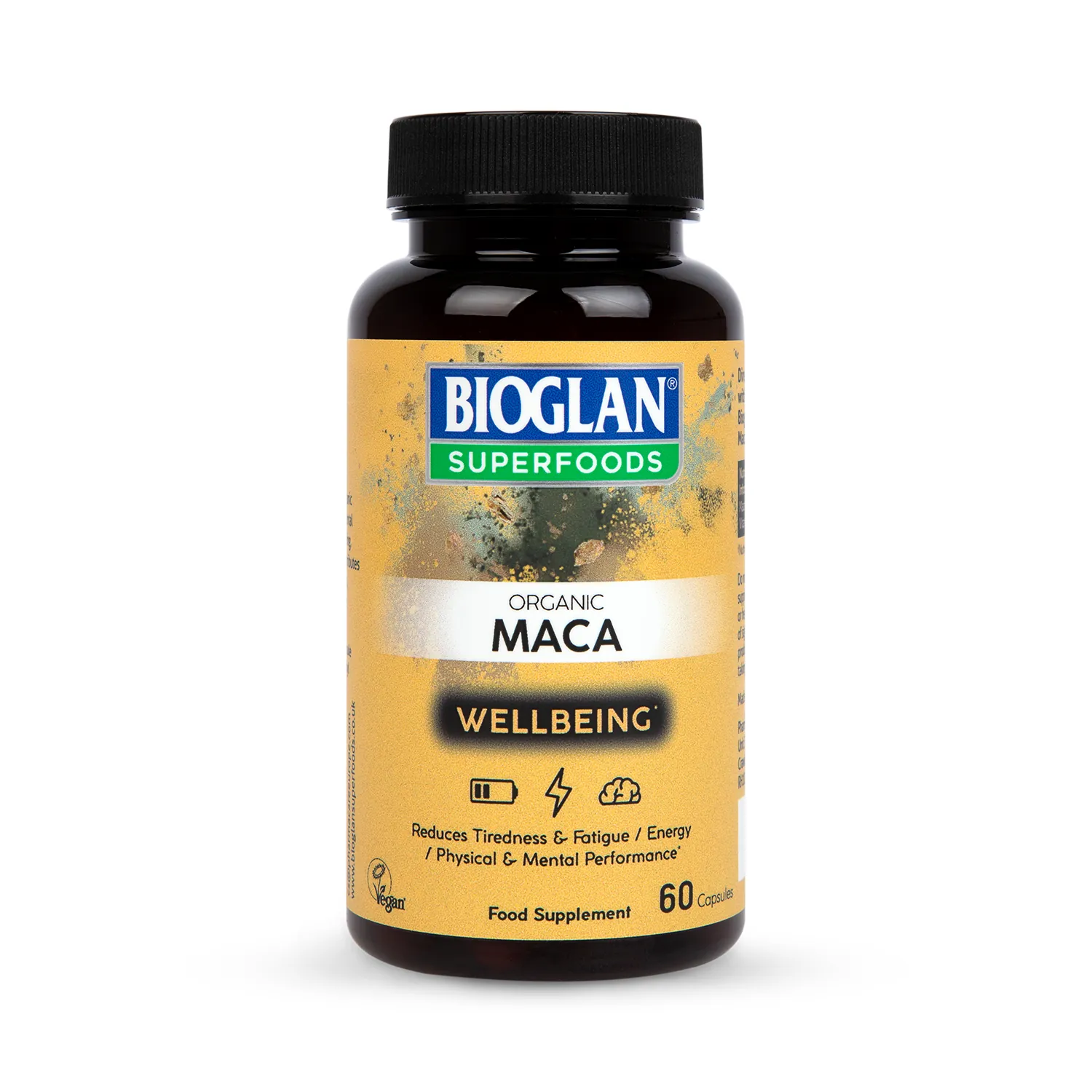
Read full analysis →Top Maca Products on AIScored
Check interactions with your other supplements
Add Maca to our interactive Stack Analyzer and see how it works with everything else you take.
Add Maca to your stack →Related Ingredients
Frequently Asked Questions
Research suggests maca does not significantly alter serum testosterone concentrations. Gonzales et al. (2002, Andrologia) found improvements in self-reported sexual desire in healthy men taking maca for eight weeks without any measurable changes in testosterone, FSH, LH, prolactin, or 17-OH progesterone. Current evidence indicates maca's effects on libido are likely mediated through non-hormonal mechanisms. Individual responses may vary.
Several small RCTs suggest maca may support relief from certain menopausal symptoms. Brooks et al. (2008, Menopause) reported improvements in psychological symptoms and sexual dysfunction scores in postmenopausal women without detectable hormonal changes, pointing to a non-oestrogenic mechanism. Evidence remains limited by study size and duration. Women with hormone-sensitive conditions should consult their GP before use, as the safety profile in this group has not been fully established. Individual responses may vary.
Gelatinised maca undergoes a heating process that removes starch, improving digestibility and concentrating active compounds per gram. Raw powder retains the full unprocessed nutrient profile but typically requires higher doses for equivalent effect and may cause digestive discomfort in some individuals. Most published clinical trials have used gelatinised or extract forms. For consistent absorption, gelatinised maca or a standardised extract is generally preferable to raw powder, though head-to-head human trials directly comparing forms remain limited.