Important: This page is for informational purposes only, based on published peer-reviewed research and official UK dietary guidelines (NHS, EFSA, SACN). It does not constitute medical advice. Always consult your GP or pharmacist before starting, stopping, or combining supplements.
Magnesium — Forms, Dosage & Interactions
Also known as: mag, magnesium glycinate, magnesium citrate, magnesium oxide
Overview
Magnesium is an essential mineral and the fourth most abundant cation in the human body, with approximately 60% stored in bone, 27% in muscle, and the remainder distributed across soft tissue and fluids. It serves as a cofactor in over 300 enzymatic reactions, placing it at the centre of energy metabolism, protein synthesis, DNA repair, and neuromuscular signalling. Despite this critical role, population data from the UK National Diet and Nutrition Survey (NDNS) indicate that a substantial proportion of adults — particularly women and older individuals — fall below the recommended daily intake through diet alone, driven largely by declining consumption of whole grains, legumes, nuts, and leafy vegetables. Supplementation interest is broad, with research exploring applications in sleep support, stress management, muscle recovery, cardiovascular health, and blood sugar management. The overall evidence base is rated strong for several of these areas, supported by randomised controlled trials and systematic reviews. Efficacy varies considerably by the chemical form used — glycinate, citrate, oxide, taurate, and L-threonate each carry different absorption profiles and tissue targets. Individual responses may vary, and the benefit of supplementation is generally most pronounced in those with suboptimal dietary magnesium intake.
UK Dosage Guidelines
| Guideline | Value | Source |
|---|---|---|
|
Reference Nutrient Intake (RNI)
The amount sufficient for most people |
300 mg (men), 270 mg (women) | NHS / SACN |
|
Tolerable Upper Level (UL)
Maximum daily intake unlikely to cause harm |
400 mg (supplemental, EFSA) | EFSA / SACN |
Forms Comparison
Magnesium is available in several supplemental forms. Bioavailability and suitability vary.
| Form Name | Bioavailability | Notes |
|---|---|---|
| Magnesium Glycinate | high | Chelated form, well-absorbed, least likely to cause GI issues, calming effect |
| Magnesium Citrate | high | Good absorption, mild laxative effect at higher doses |
| Magnesium Oxide | low | ~4% bioavailability, primarily used as laxative, poor supplement choice |
| Magnesium Taurate | high | Combined with taurine, studied for cardiovascular and sleep support |
| Magnesium L-Threonate | high | Crosses blood-brain barrier, studied for cognitive function |
When to Take Magnesium
Recommended Time
🌙 Evening — research suggests taking Magnesium in the evening
Additional Notes
Evening preferred — may promote relaxation. Take with food to reduce GI discomfort.
With or Without Food
Research suggests taking Magnesium with food for better absorption.
Known Interactions
14 known interactions with other supplements.
Magnesium is a cofactor in Vitamin D metabolism. Research suggests adequate magnesium is necessary for the body to activate and utilise Vitamin D3 effectively.
Action: Ensuring adequate magnesium intake alongside Vitamin D3 supplementation may improve D3 utilisation.
Read full analysis →Research suggests Vitamin B6 may enhance magnesium uptake into cells. A landmark study found the combination more effective for stress reduction than magnesium alone.
Action: Many magnesium supplements include B6. The combination may be particularly relevant for individuals dealing with stress or PMS symptoms.
Read full analysis →Research suggests magnesium may play a role in creatine metabolism and cellular energy production. Both are involved in the ATP energy system.
Action: These can be taken together. Creatine is commonly taken with a meal, and magnesium can be included at the same time.
Read full analysis →Magnesium is required for the activation of thiamine (B1). Research suggests that magnesium deficiency may impair thiamine utilisation even when B1 intake is adequate.
Action: Ensuring adequate magnesium intake may support thiamine function, particularly relevant for individuals with higher B1 requirements.
Read full analysis →Ashwagandha and magnesium may have complementary effects on stress and sleep. Both are associated with cortisol reduction and relaxation through different pathways.
Action: This combination is commonly used in evening routines for relaxation. Magnesium glycinate in the evening pairs well with ashwagandha.
Read full analysis →Calcium and magnesium work together in muscle and nerve function. Research suggests maintaining a balanced ratio (roughly 2:1 calcium to magnesium) supports optimal function of both.
Action: At moderate doses these can be taken together. At high doses (above 250mg each), taking them at different times may improve absorption of both.
Read full analysis →Research suggests taurine and magnesium may have complementary effects on cardiovascular function and blood pressure regulation.
Action: This combination is sometimes used for cardiovascular support. Both can be taken together.
Read full analysis →Both magnesium and melatonin support sleep through different mechanisms. Research suggests magnesium may enhance melatonin production and improve sleep quality alongside it.
Action: Both are commonly taken in the evening 30-60 minutes before bed. They can be taken together.
Read full analysis →Both CoQ10 and magnesium are important for cellular energy production. Research suggests they support mitochondrial function through complementary mechanisms.
Action: These can be taken together with a meal. CoQ10 is fat-soluble, so a meal with some fat is preferred.
Read full analysis →Research suggests magnesium may be important for Vitamin K-dependent carboxylation reactions. Both nutrients support bone health through different mechanisms.
Action: Both can be taken with a meal. No special separation needed.
Read full analysis →High-dose magnesium and zinc may compete for absorption when taken simultaneously. The effect is most pronounced at higher supplemental doses.
Action: If taking both at high doses, separating them by a few hours may optimise absorption — for example, zinc in the morning and magnesium in the evening.
Read full analysis →Emerging research suggests magnesium and probiotics may support gut health through complementary mechanisms. Magnesium oxide in particular has osmotic effects that can alter the gut environment.
Action: These can generally be taken together. However, magnesium oxide at high doses may cause loose stools, which could affect probiotic transit time.
Read full analysis →Both riboflavin (B2) and magnesium have been studied for migraine prevention. Research suggests the combination may be more effective than either alone.
Action: This combination is commonly used as a natural approach to migraine prevention. Both can be taken together with food.
Read full analysis →Both magnesium and L-theanine promote relaxation without sedation. Research suggests they may have complementary calming effects through different GABA-related mechanisms.
Action: This combination is popular for relaxation and focus. Both can be taken together, any time of day.
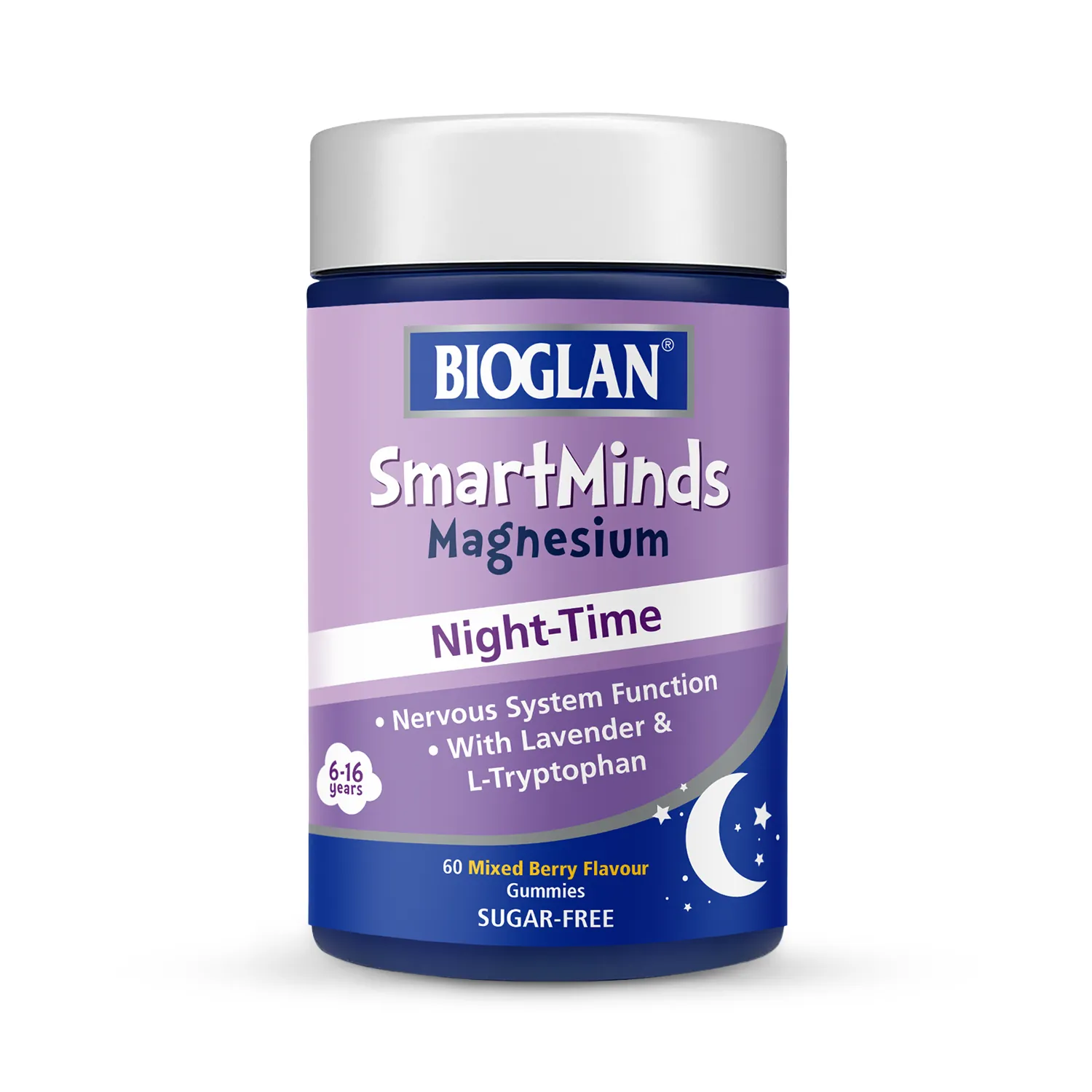
Read full analysis →Top Magnesium Products on AIScored




Check interactions with your other supplements
Add Magnesium to our interactive Stack Analyzer and see how it works with everything else you take.
Add Magnesium to your stack →Related Ingredients
Frequently Asked Questions
Bioavailability varies significantly between forms. Magnesium glycinate and magnesium citrate are among the best-absorbed options. A randomised study by Walker et al. (2003, Magnesium Research) found magnesium citrate superior to magnesium oxide in raising serum magnesium levels. Magnesium oxide has approximately 4% bioavailability and is used primarily as a laxative rather than a nutritional supplement, making it a poor choice for those seeking to address dietary shortfalls. Individual responses may vary depending on gut health and baseline status.
Research suggests taking magnesium in the evening, ideally with food to reduce the risk of gastrointestinal discomfort — particularly associated with citrate and oxide forms at higher doses. Evening dosing is commonly recommended because of magnesium's proposed role in supporting normal muscle relaxation and sleep architecture. There are no specific NHS or EFSA guidelines on timing; individual tolerance and the reason for supplementation should guide the approach. Splitting doses across the day may reduce the likelihood of loose stools at higher intakes.
Many adults can meet the UK RDA through a varied diet rich in whole grains, nuts, seeds, legumes, and dark leafy vegetables such as spinach. However, NDNS data indicate a sizeable minority of UK adults fall short, particularly those consuming low-fibre or heavily processed diets. Factors that further impair absorption or increase losses include high alcohol intake, long-term use of proton pump inhibitors or thiazide diuretics, type 2 diabetes, and certain gastrointestinal conditions such as Crohn's disease or coeliac disease.