Important: This page is for informational purposes only, based on published peer-reviewed research and official UK dietary guidelines (NHS, EFSA, SACN). It does not constitute medical advice. Always consult your GP or pharmacist before starting, stopping, or combining supplements.
Manganese — Forms, Dosage & Interactions
Also known as: manganese bisglycinate, manganese gluconate, manganese citrate
Overview
Manganese is an essential trace mineral required in small but critical amounts by the human body. It functions primarily as a cofactor for a range of metalloenzymes involved in antioxidant defence, bone formation, amino acid metabolism, and carbohydrate processing. Unlike many minerals associated with widespread deficiency, dietary manganese insufficiency is uncommon in people consuming a varied diet — wholegrains, nuts, legumes, and tea, a staple of UK diets, are all rich sources. Supplementation is most often considered by individuals with restricted diets, those focused on bone health support, or those taking broad-spectrum mineral formulations. The evidence base for manganese supplementation is moderate: mechanistic and animal data are plentiful, but large-scale human clinical trials remain limited. EFSA has established an Adequate Intake (AI) of 3 mg per day for adults, reflecting observed typical dietary intake rather than a precisely defined physiological requirement. Individual responses to supplementation may vary, and the majority of people in the UK are likely meeting their needs through food alone without the need for dedicated supplementation.
UK Dosage Guidelines
| Guideline | Value | Source |
|---|---|---|
|
Reference Nutrient Intake (RNI)
The amount sufficient for most people |
No established UK RDA (AI: 3 mg) | NHS / SACN |
Forms Comparison
Manganese is available in several supplemental forms. Bioavailability and suitability vary.
| Form Name | Bioavailability | Notes |
|---|---|---|
| Manganese Bisglycinate | high | Chelated form, well-absorbed |
| Manganese Gluconate | moderate | Common form in multivitamins |
| Manganese Citrate | moderate | Reasonable absorption |
When to Take Manganese
Recommended Time
🕑 Any — can be taken at this time
Additional Notes
Take with food. Competes with iron and calcium for absorption — separate if supplementing both.
With or Without Food
Research suggests taking Manganese with food for better absorption.
Known Interactions
2 known interactions with other supplements.
Iron and manganese compete for the same intestinal transporter (DMT1). Research suggests high iron intake can reduce manganese absorption and vice versa.
Action: If supplementing both, taking them at different meals may improve absorption of each.
Read full analysis →Calcium and manganese may compete for intestinal absorption. Research suggests high calcium intake can reduce manganese bioavailability.
Action: If supplementing both, taking them at different times may improve manganese absorption.
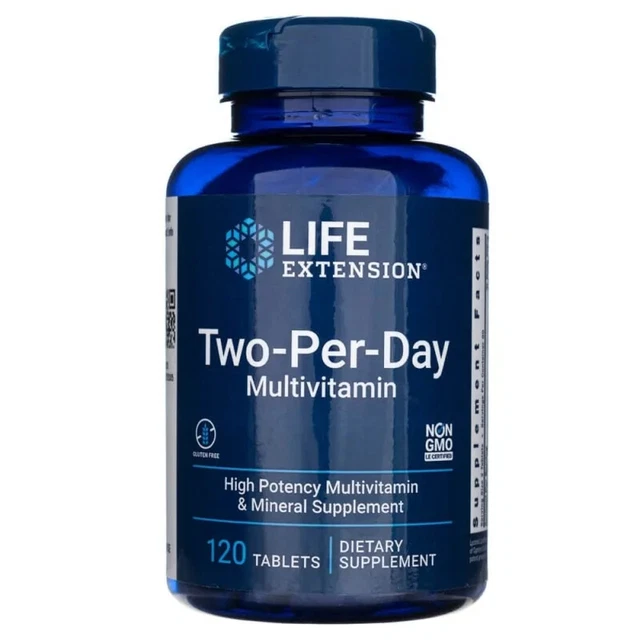
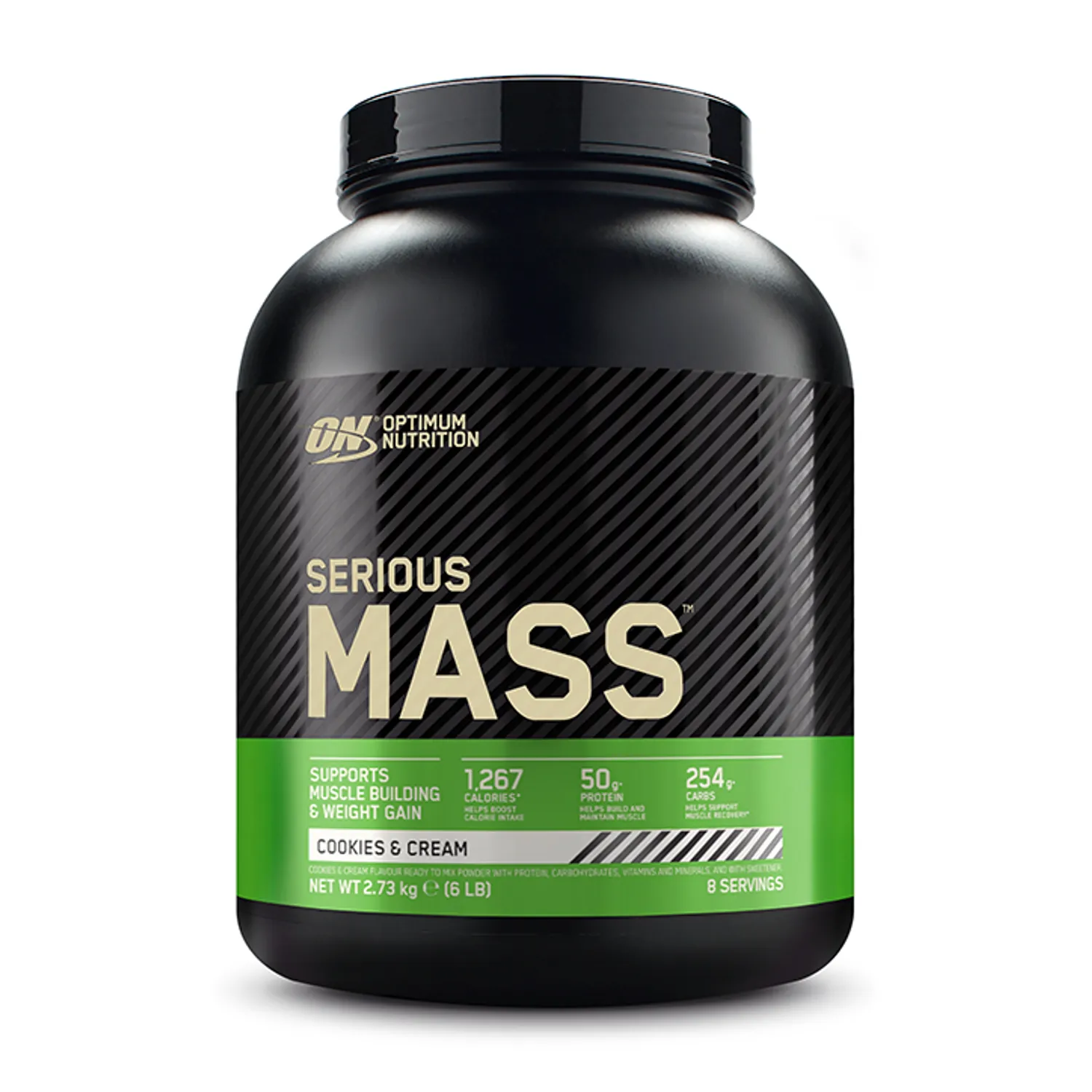
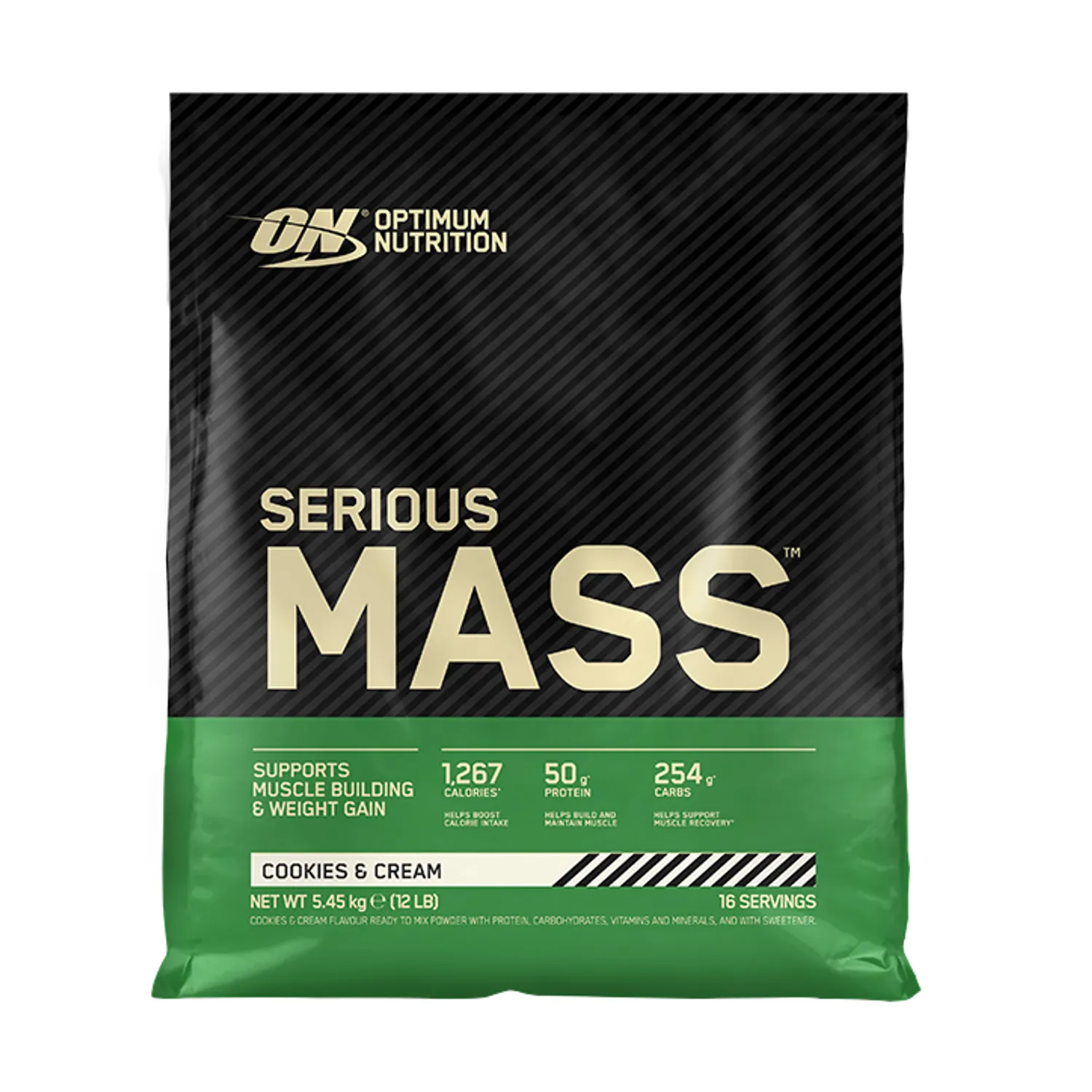
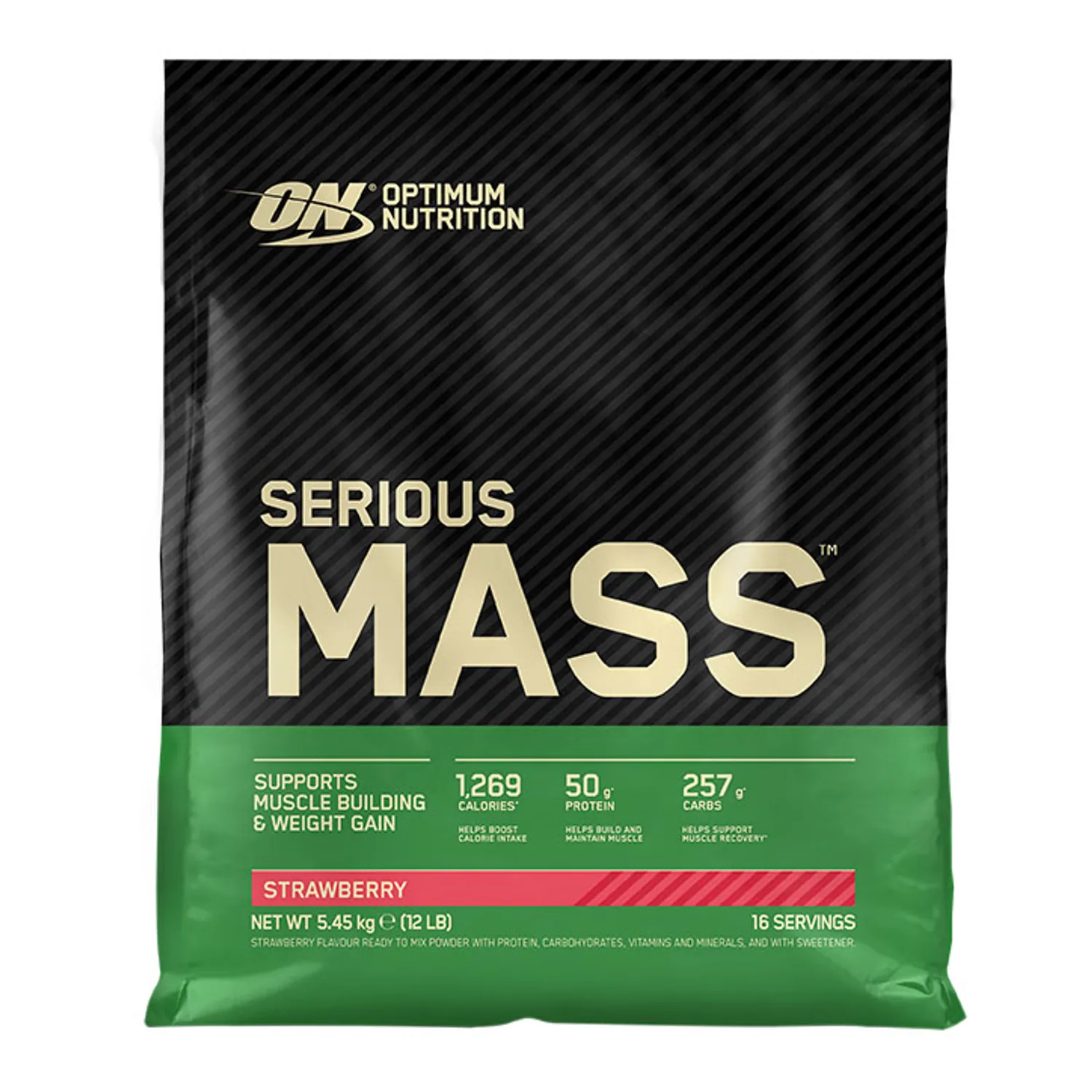
Read full analysis →Top Manganese Products on AIScored


Check interactions with your other supplements
Add Manganese to our interactive Stack Analyzer and see how it works with everything else you take.
Add Manganese to your stack →Related Ingredients
Frequently Asked Questions
Research suggests that most UK adults obtain sufficient manganese through diet, particularly from tea, wholegrains, nuts, and leafy vegetables. Supplementation may be considered by individuals with highly restricted diets or specific bone health goals, but for the general population dietary intake is typically adequate. Individual responses may vary, and a qualified health professional should be consulted if deficiency is suspected.
Manganese bisglycinate is generally considered the most bioavailable form, as the chelated glycinate structure facilitates intestinal absorption more effectively than many inorganic salts. Manganese gluconate and manganese citrate, commonly found in multivitamins, offer moderate bioavailability. Comparative human trials on manganese forms are limited, so individual responses to different formulations may vary.
Manganese toxicity from food sources alone is not considered a practical concern by EFSA. However, chronic high-dose supplementation or occupational inhalation exposure can lead to neurological effects — a condition known as manganism. Caution is advised with prolonged supplementation above typical dietary intakes. Individuals with liver conditions may face greater risk, as manganese is primarily excreted via bile rather than the kidneys.