Important: This page is for informational purposes only, based on published peer-reviewed research and official UK dietary guidelines (NHS, EFSA, SACN). It does not constitute medical advice. Always consult your GP or pharmacist before starting, stopping, or combining supplements.
Melatonin — Forms, Dosage & Interactions
Also known as: n-acetyl-5-methoxytryptamine, sleep hormone
Overview
Melatonin is a hormone produced naturally by the pineal gland, released in response to darkness as part of the body's circadian rhythm — the internal clock governing sleep-wake cycles. Unlike most supplements sourced entirely from external compounds, melatonin is endogenous, meaning the body synthesises it throughout life, though production typically declines with age. People supplement melatonin primarily for sleep support, particularly for difficulties with sleep onset, jet lag adjustment, and disruption caused by shift work. Its hormonal nature and well-documented evidence base distinguish it from most herbal sleep aids. A 2013 meta-analysis published in PLoS One (Ferracioli-Oda et al., PMID 23691095) analysed 19 randomised controlled trials and found melatonin supplementation significantly reduced sleep onset latency, increased total sleep time, and improved overall sleep quality compared to placebo. Evidence is strongest for circadian-related disruption such as jet lag. Effects on primary sleep difficulties are more modest but consistent across multiple independent analyses. As with any supplement, individual responses may vary depending on factors such as age, dose timing, and underlying sleep physiology.
UK Dosage Guidelines
| Guideline | Value | Source |
|---|---|---|
|
Reference Nutrient Intake (RNI)
The amount sufficient for most people |
No established RDA | NHS / SACN |
Forms Comparison
Melatonin is available in several supplemental forms. Bioavailability and suitability vary.
| Form Name | Bioavailability | Notes |
|---|---|---|
| Immediate Release | high | Standard form, helps with sleep onset |
| Sustained Release | high | Designed for sleep maintenance, mimics natural release pattern |
| Sublingual | high | Dissolves under tongue, faster onset, bypasses first-pass metabolism |
When to Take Melatonin
Recommended Time
🌙 Evening — research suggests taking Melatonin in the evening
Additional Notes
Take 30-60 minutes before bed in dim light. Lower doses (0.5-1 mg) are often more effective than high doses. In UK, doses above 2 mg are prescription only (Circadin).
With or Without Food
Research suggests taking Melatonin on an empty stomach for optimal absorption.
Known Interactions
9 known interactions with other supplements.
Both magnesium and melatonin support sleep through different mechanisms. Research suggests magnesium may enhance melatonin production and improve sleep quality alongside it.
Action: Both are commonly taken in the evening 30-60 minutes before bed. They can be taken together.
Read full analysis →B vitamins, particularly B12 and B6, may promote alertness and energy. Research suggests taking them in the morning rather than alongside melatonin in the evening.
Action: B vitamins are generally best taken in the morning with breakfast. Melatonin is taken 30-60 minutes before bed. Separating them by timing naturally resolves the conflict.
Read full analysis →Vitamin B6 is involved in melatonin synthesis (converting tryptophan to serotonin to melatonin). However, B6's energising effects in the evening may interfere with sleep onset.
Action: Taking B6 in the morning may be preferable to avoid any interference with evening melatonin. Paradoxically, B6 earlier in the day may support the body's natural melatonin production at night.
Read full analysis →Rhodiola is considered a stimulating adaptogen. Taking it alongside melatonin may produce conflicting effects — one promotes alertness, the other sleep.
Action: Rhodiola is best taken in the morning for energy and focus. Melatonin is taken in the evening before bed. Natural timing separation avoids the conflict.
Read full analysis →Ginseng has stimulant-like properties. Research suggests taking it at the same time as melatonin may create opposing pharmacological effects.
Action: Ginseng is best taken in the morning. Melatonin is taken at bedtime. Separating them by timing naturally avoids any conflict.
Read full analysis →Maca may have mild energising effects. Research suggests taking it in the morning rather than in the evening with melatonin to avoid conflicting effects.
Action: Maca is typically taken in the morning with breakfast. Melatonin is taken at bedtime. This natural separation avoids any potential conflict.
Read full analysis →L-tryptophan is converted to serotonin and then melatonin in the body. Taking both may be redundant and could potentially lead to excessive serotonergic effects.
Action: Using one or the other for sleep support is generally sufficient. If combining, starting with low doses of each and monitoring for excessive drowsiness is prudent.
Read full analysis →Both valerian and melatonin promote sleep. Combining them may produce excessive sedation in some individuals. Research suggests starting with one and adding the second cautiously.
Action: If combining for sleep, starting with lower doses of each and assessing response is a prudent approach. Both are taken 30-60 minutes before bed.
Read full analysis →Both ashwagandha and melatonin can promote sleepiness. Research suggests their combined use may enhance sedation, which is beneficial for sleep but should be dosed carefully.
Action: If combining for sleep support, using lower doses of each is a prudent strategy. Both can be taken in the evening.
Read full analysis →Key Studies
1 peer-reviewed study cited. All links lead to PubMed abstracts.
PLoS One (2013) · PMID: 23691095
Melatonin significantly improved sleep onset latency, total sleep time, and sleep quality vs placebo
Top Melatonin Products on AIScored
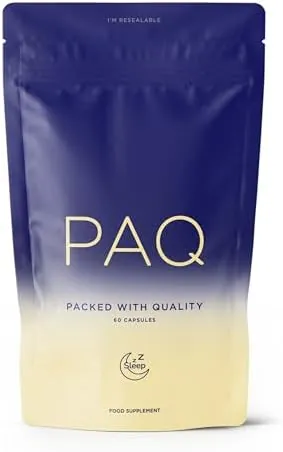
Sleep PAQ Natural Sleep Aid – 60 Vegan Capsules – Magnesium, L-Theanine, Passion Flower, Cherry – Non-Habit Forming, No Melatonin – Clinically Dosed for Sleep, Recovery & Relaxation
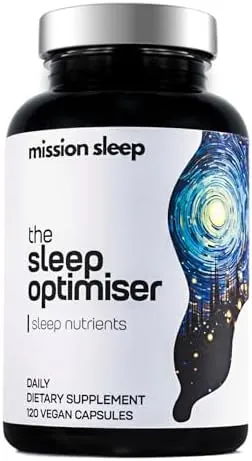
The Sleep Optimiser Sleeping Capsules - Non Melatonin Tablets Sleep Supplement for Adults with Magnesium Glycinate, L Theanine, Apigenin & Zinc - Nutrient-Based Sleeping Aid Suitable for Long Term Use
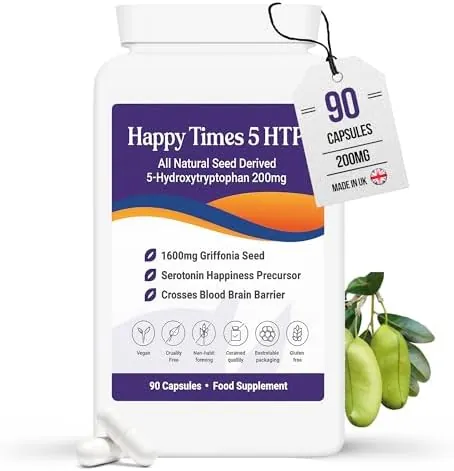
Happy Times Double Strength 5-HTP Supplement (200mg) Amino Acid 5 Hydroxytryptophan -Serotonin Melatonin Happiness Hormone Precursor Natural Griffonia Seed Extract Herbal Healthy Sleeping

Vedic Saffron + Chamomile + Ashwagandha. Melatonin Alternative Natural Sleep Aid
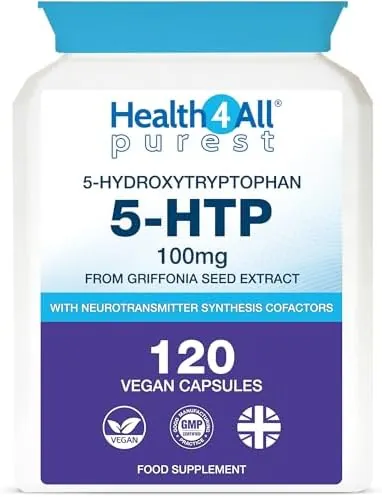
5-HTP 100mg per Capsule 120 Capsules 4 Month Supply High Strength 5 HTP Supplement from Griffonia Seed Extract with Serotonin & Melatonin Conversion Support for Sleep, Mood & Relaxation - Health4All
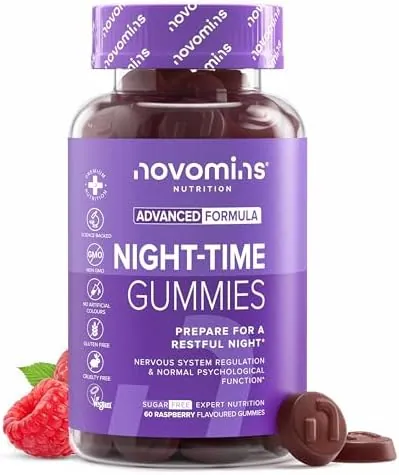
Night Time Gummies - Sugar-Free - Sleep Gummies for Adults - High Strength Natural Alternative to Melatonin Tablets - with Magnesium for Sleep, L-Theanine, Vitamin B12 - Novomins
Check interactions with your other supplements
Add Melatonin to our interactive Stack Analyzer and see how it works with everything else you take.
Add Melatonin to your stack →Related Ingredients
Frequently Asked Questions
The MHRA classifies melatonin as a prescription-only medicine due to its hormonal nature, applying a precautionary regulatory standard. This does not reflect evidence of particular harm at low doses — EFSA has approved a health claim for 0.5 mg — but rather the UK's stricter classification framework compared to EU or US markets, where melatonin is widely available over-the-counter without a prescription.
Research suggests lower doses are often equally effective as higher ones. EFSA's approved health claim applies to 0.5 mg, and multiple meta-analyses have found significant effects across a range of doses. Doses above 1–3 mg do not appear to confer proportionally greater benefit and may increase the likelihood of next-day grogginess. Individual responses may vary based on age, body weight, and the specific sleep difficulty being addressed.
Timing matters considerably. For general sleep onset support, studies suggest taking melatonin 30–60 minutes before the intended sleep time. For jet lag, a 2002 Cochrane review by Herxheimer and Petrie (PMID 12076414) found that taking melatonin at destination bedtime was most effective, particularly for eastward travel across five or more time zones. Taking it at the wrong circadian phase may shift the clock in an unintended direction.