Important: This page is for informational purposes only, based on published peer-reviewed research and official UK dietary guidelines (NHS, EFSA, SACN). It does not constitute medical advice. Always consult your GP or pharmacist before starting, stopping, or combining supplements.
NAC — Forms, Dosage & Interactions
Also known as: n-acetyl cysteine, n-acetylcysteine, acetylcysteine
Overview
N-Acetyl Cysteine (NAC) is a semi-essential amino acid derivative and the direct precursor to glutathione — the body's primary endogenous antioxidant. It is synthesised from L-cysteine, an amino acid found in high-protein foods such as meat, eggs, and dairy, though dietary intake alone rarely raises glutathione levels meaningfully. NAC has one of the longest clinical track records of any supplement compound, having been used in NHS hospitals for decades as an intravenous antidote for paracetamol overdose, where it rapidly restores hepatic glutathione to prevent liver failure. Beyond its well-established pharmaceutical applications, a substantial body of research has investigated NAC's potential for supporting respiratory health, liver function, cognitive wellbeing, and oxidative stress management. Studies indicate it may reduce circulating oxidative stress markers, modulate inflammatory signalling cascades, and influence glutamate neurotransmission in the central nervous system. The overall evidence base is rated strong relative to most supplement ingredients — notable given that many dietary supplements have limited clinical trial data. Individual responses may vary depending on baseline glutathione status, dietary cysteine intake, and health context. In the UK, NAC is available over the counter as a food supplement, entirely distinct from its licensed pharmaceutical use.
UK Dosage Guidelines
| Guideline | Value | Source |
|---|---|---|
|
Reference Nutrient Intake (RNI)
The amount sufficient for most people |
No established RDA | NHS / SACN |
Forms Comparison
NAC is available in several supplemental forms. Bioavailability and suitability vary.
| Form Name | Bioavailability | Notes |
|---|---|---|
| N-Acetyl Cysteine | high | Standard form, well-studied, good oral bioavailability |
When to Take NAC
Recommended Time
🕑 Any — can be taken at this time
Additional Notes
Can be taken on empty stomach. Precursor to glutathione — the body's master antioxidant. Pair with vitamin C for synergy.
With or Without Food
Research suggests taking NAC on an empty stomach for optimal absorption.
Known Interactions
4 known interactions with other supplements.
Both NAC and Vitamin C support the body's glutathione system. Research suggests they may have complementary antioxidant effects through different mechanisms.
Action: These can be taken together. NAC is often taken on an empty stomach, while Vitamin C can be taken with or without food.
Read full analysis →Both milk thistle (silymarin) and NAC support liver health and glutathione production. Research suggests they may have complementary hepatoprotective effects.
Action: This combination is commonly used for liver support. Both can be taken together, ideally on an empty stomach for NAC.
Read full analysis →NAC's thiol group can chelate zinc and other minerals in the gut. Research suggests taking NAC separately from mineral supplements may optimise absorption of both.
Action: Taking NAC on an empty stomach (30 min before food) and zinc with a meal may help avoid the chelation interaction.
Read full analysis →NAC's thiol group can chelate iron in the gut. Research suggests separating them for optimal absorption of both, though NAC may also have hepatoprotective benefits against iron-induced oxidative stress.
Action: Taking NAC on an empty stomach and iron with a meal (ideally with Vitamin C) at a different time may optimise absorption of both.
Read full analysis →Top NAC Products on AIScored

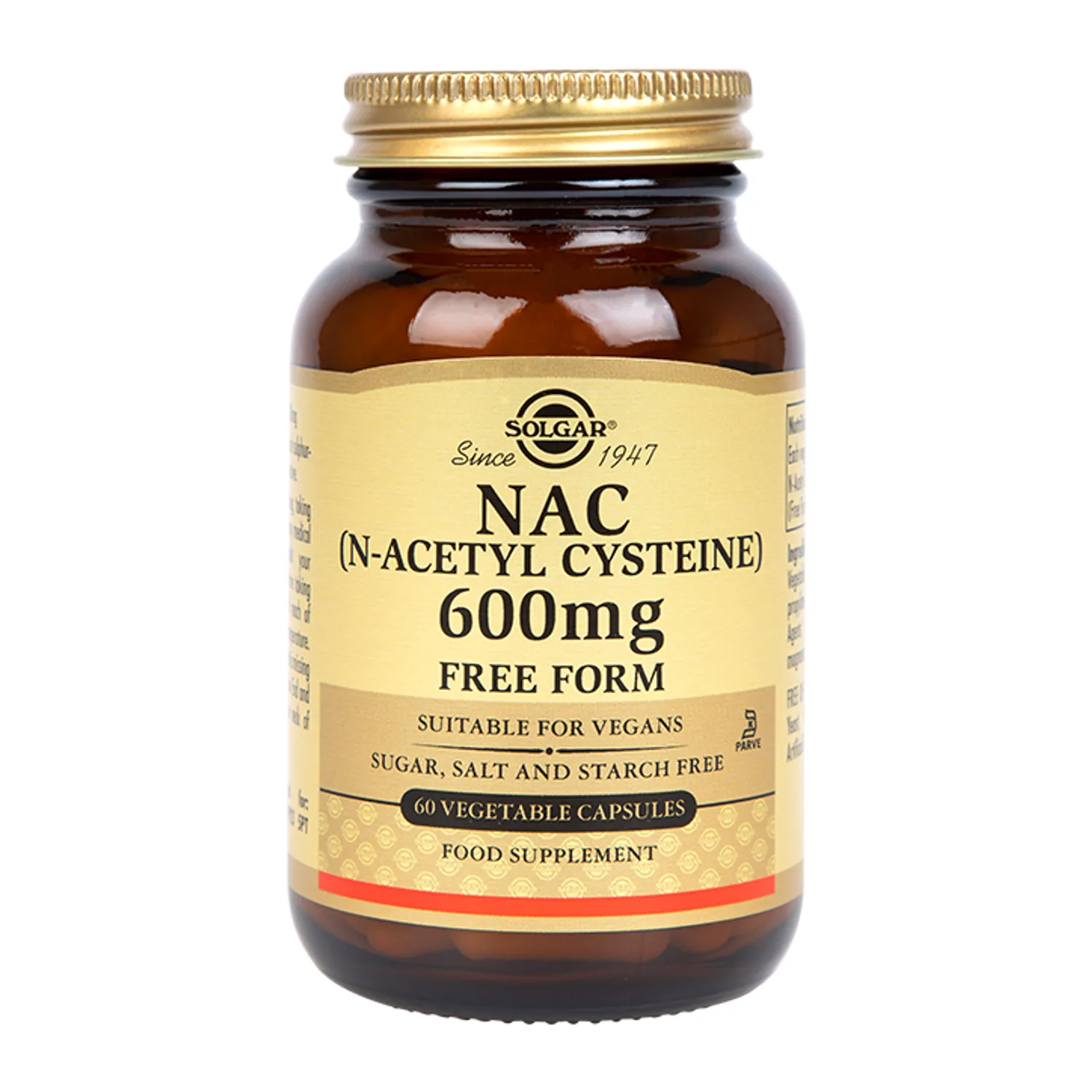
WOOLF Soft Duck Fillet Dog Treats - Complementary Snacks for Dogs. All-Natural Ingredients, High Meat Content, Nutritional, Free from Artificial Additives. Suitable for Dogs (100g)
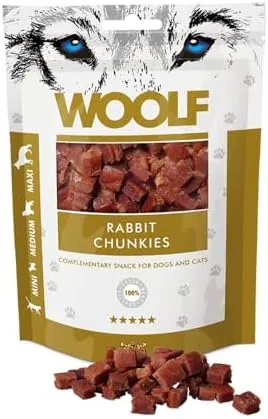
WOOLF Chunkies - Complementary Snacks for Dogs. Dog Treats with Natural Ingredients and High Meat Content, Balanced Nutrition, Free from Artificial Additives. Suitable for Puppies (Rabbit, 100g)
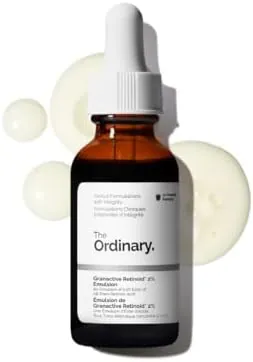
The Ordinary Granactive Retinoid 2% Emulsion, Advanced Retinoid Alternative for Anti-Aging and Skin Texture Improvement, 30ml
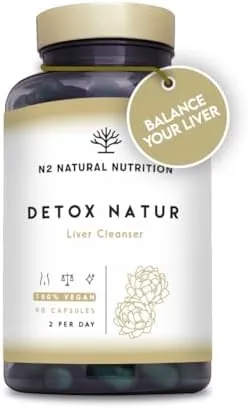
Milk Thistle Detox Complex (38:1) 6840mg with Artichoke, Choline, NAC, and More. Liver Cleanse Detox and Repair, with, Vitamin B, Selenium and Burdock. 90 Capsules. Vegan. CE. N2 Natural Nutrition

Check interactions with your other supplements
Add NAC to our interactive Stack Analyzer and see how it works with everything else you take.
Add NAC to your stack →Related Ingredients
Frequently Asked Questions
NAC is acetylated cysteine, which confers greater stability and oral bioavailability compared to plain L-cysteine. Oral glutathione itself has poor bioavailability due to breakdown in the gastrointestinal tract before reaching cells. Research suggests NAC is a more effective strategy for raising cellular glutathione levels than supplementing glutathione directly, as it provides cysteine — the limiting building block — in a form that survives digestion. Individual responses may vary.
Studies indicate NAC is generally well tolerated at typical supplemental doses. However, it may interact with certain medications — including nitroglycerin and some chemotherapy agents — and theoretically potentiate the effects of blood-thinning supplements. Individuals taking prescription medicines, particularly those with liver or kidney conditions, should consult a GP or pharmacist before supplementing. As with all supplements, NAC is not a substitute for medical treatment.
Clinical research has employed a broad range of doses, most commonly 600 mg to 1,800 mg daily. Studies investigating respiratory conditions and oxidative stress have frequently used 600 mg twice daily (1,200 mg total). Higher doses of up to 2,400 mg have appeared in psychiatric and neurological research. There is no established UK recommended daily amount. Individual responses may vary, and higher doses are not necessarily more effective for all outcomes.