Important: This page is for informational purposes only, based on published peer-reviewed research and official UK dietary guidelines (NHS, EFSA, SACN). It does not constitute medical advice. Always consult your GP or pharmacist before starting, stopping, or combining supplements.
Omega-3 — Forms, Dosage & Interactions
Also known as: fish oil, epa, dha, epa+dha, algae oil, omega 3 fatty acids, n-3
Overview
Omega-3 fatty acids are a family of polyunsaturated fatty acids (PUFAs) essential for human health that the body cannot synthesise in sufficient quantities — making dietary or supplemental intake necessary. The two primary active forms, eicosapentaenoic acid (EPA) and docosahexaenoic acid (DHA), are found predominantly in oily fish and marine algae, whilst alpha-linolenic acid (ALA) occurs in plant sources such as flaxseed and walnuts. Conversion of ALA to EPA and DHA is metabolically inefficient, typically under 10%, which is why direct EPA and DHA supplementation is generally preferred for achieving meaningful tissue levels. Research suggests omega-3 fatty acids support cardiovascular health, brain function, inflammation regulation, and eye health. The evidence base is among the most robust of any supplement category. The landmark VITAL trial (Manson et al., 2019, New England Journal of Medicine) demonstrated a 28% reduction in major cardiovascular events in participants with low fish intake, whilst the REDUCE-IT trial (Bhatt et al., 2019, NEJM) found that high-dose EPA reduced cardiovascular events by 25% in those with elevated triglycerides. Supplementation is particularly relevant for individuals who do not regularly consume oily fish — a significant proportion of the UK population. Individual responses may vary based on baseline EPA and DHA status, dietary patterns, and existing health conditions.
UK Dosage Guidelines
| Guideline | Value | Source |
|---|---|---|
|
Reference Nutrient Intake (RNI)
The amount sufficient for most people |
SACN recommends 450 mg EPA+DHA per week (no formal RDA) | NHS / SACN |
|
Tolerable Upper Level (UL)
Maximum daily intake unlikely to cause harm |
5,000 mg EPA+DHA combined (EFSA considers safe) | EFSA / SACN |
Forms Comparison
Omega-3 is available in several supplemental forms. Bioavailability and suitability vary.
| Form Name | Bioavailability | Notes |
|---|---|---|
| Triglyceride (rTG) Fish Oil | high | Re-esterified triglyceride, best absorbed form, premium |
| Ethyl Ester (EE) Fish Oil | moderate | Most common, requires more processing by the body, cheaper |
| Algae Oil (DHA-rich) | high | Vegan source, primarily DHA, sustainable |
| Krill Oil | high | Phospholipid-bound, contains astaxanthin, well-absorbed but lower EPA+DHA per capsule |
When to Take Omega-3
Recommended Time
🕑 Any — can be taken at this time
Additional Notes
Take with a meal containing fat for best absorption. Split high doses across meals to reduce fishy burps. Freeze capsules to reduce aftertaste.
With or Without Food
Research suggests taking Omega-3 with food for better absorption.
Known Interactions
11 known interactions with other supplements.
Research suggests curcumin and omega-3 fatty acids may have complementary anti-inflammatory effects. Both target overlapping inflammatory pathways through different mechanisms.
Action: Taking curcumin with a fat-containing meal or alongside omega-3 may also improve curcumin's lipophilic absorption.
Read full analysis →CoQ10 and omega-3 fatty acids may have complementary cardiovascular benefits. Research suggests both support heart function through different mechanisms.
Action: Taking CoQ10 with omega-3 (or any fat source) may improve CoQ10 absorption, as it is fat-soluble.
Read full analysis →Vitamin E may help protect omega-3 fatty acids from oxidation. Research suggests that high omega-3 intake increases the body's requirement for Vitamin E as an antioxidant.
Action: Many fish oil supplements include Vitamin E for stability. If taking a high-dose omega-3 without added E, a separate Vitamin E supplement may be considered.
Read full analysis →Research suggests omega-3 fatty acids and Vitamin D3 may have complementary anti-inflammatory and immune-supporting effects. The VITAL study examined their combined benefits.
Action: Taking Vitamin D3 with omega-3 (fish oil) provides the fat needed for D3 absorption. They can be taken together at a meal.
Read full analysis →Vitamin A is fat-soluble. Research suggests taking it with omega-3 or other fat sources significantly improves absorption.
Action: Taking Vitamin A (or beta-carotene) with omega-3 or during a fat-containing meal improves bioavailability.
Read full analysis →At high doses, calcium may form insoluble soaps with fatty acids (including omega-3), potentially reducing absorption of both. This is mainly a concern at very high calcium doses.
Action: At typical supplement doses, this is unlikely to be clinically significant. Separating large calcium doses from fish oil by an hour is a practical option.
Read full analysis →Emerging research suggests omega-3 fatty acids may positively influence gut microbiome composition, potentially complementing probiotic supplementation.
Action: These can be taken together. Omega-3 with food and probiotics as directed (strain-dependent timing).
Read full analysis →Both glucosamine and omega-3 are used for joint health. Research suggests they may have complementary anti-inflammatory and structural benefits for joints.
Action: These can be taken together with a meal for joint support.
Read full analysis →Both taurine and omega-3 have been studied for cardiovascular benefits. Research suggests they may have complementary cardioprotective effects.
Action: These can be taken together with a meal. Both support heart health through different mechanisms.
Read full analysis →Research suggests a balanced ratio of omega-6 to omega-3 fatty acids is important for managing inflammation. GLA (gamma-linolenic acid) is an anti-inflammatory omega-6, unlike most omega-6 fats.
Action: GLA from evening primrose or borage oil can be taken alongside omega-3 fish oil. Both support anti-inflammatory prostaglandin production.
Read full analysis →CLA (conjugated linoleic acid) and omega-3 are both fatty acids that may support body composition. Research suggests they may have complementary effects on fat metabolism.
Action: Both can be taken with a meal containing fat. They are sometimes combined in body composition support formulas.
Read full analysis →Key Studies
1 peer-reviewed study cited. All links lead to PubMed abstracts.
N Engl J Med (2019) · PMID: 30019766
VITAL trial: omega-3 supplementation reduced major cardiovascular events by 28% in those with low fish intake
Top Omega-3 Products on AIScored
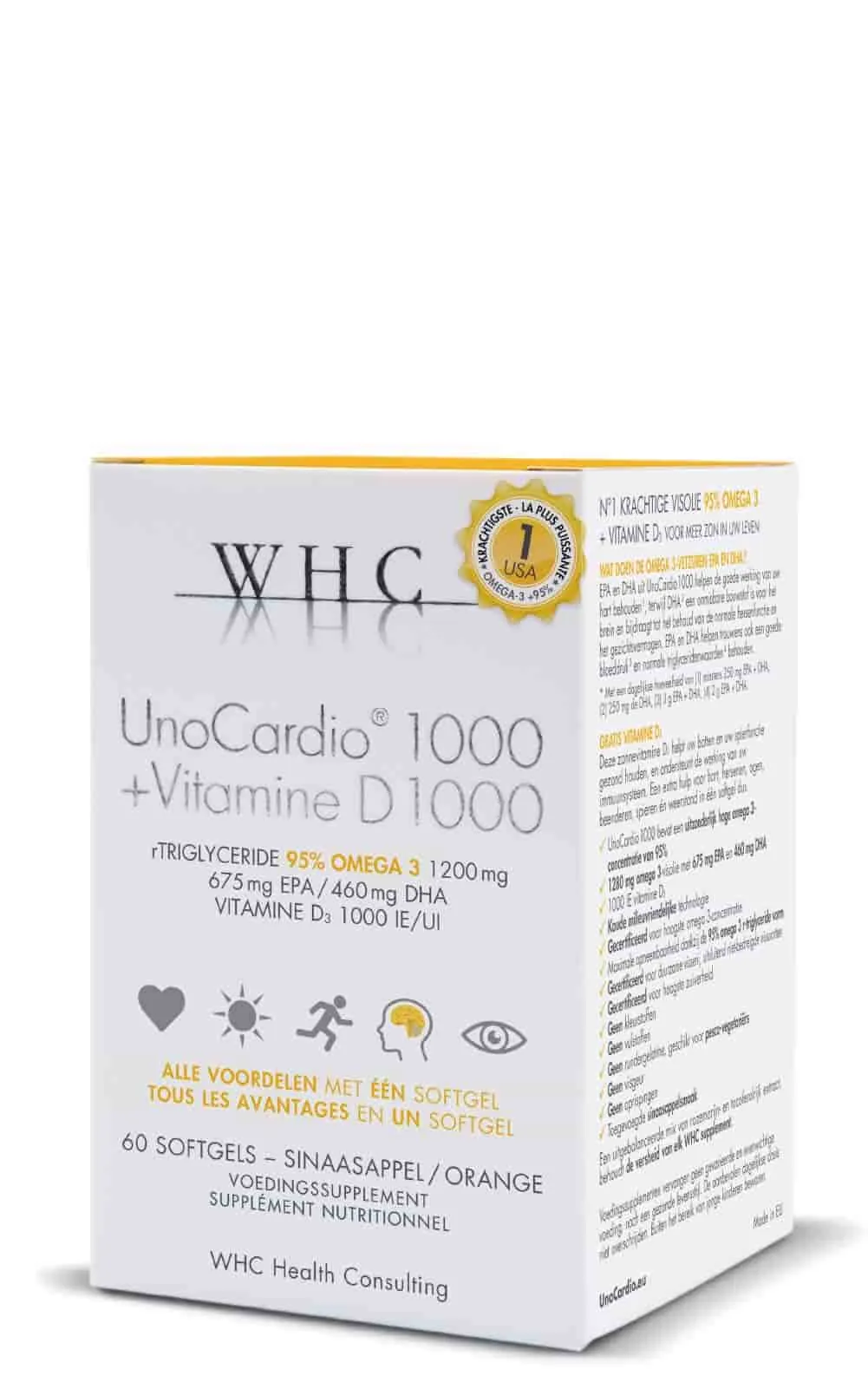
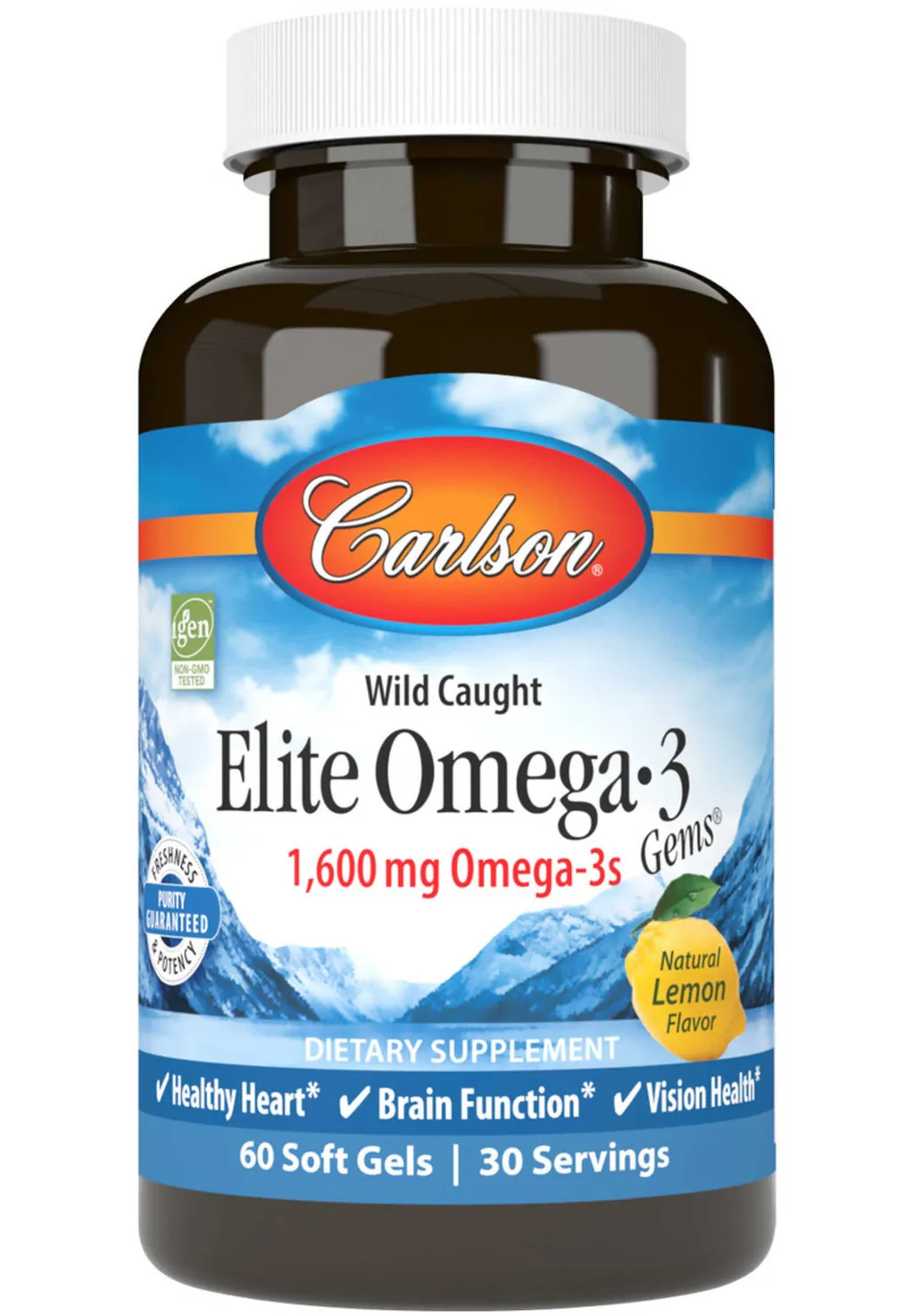
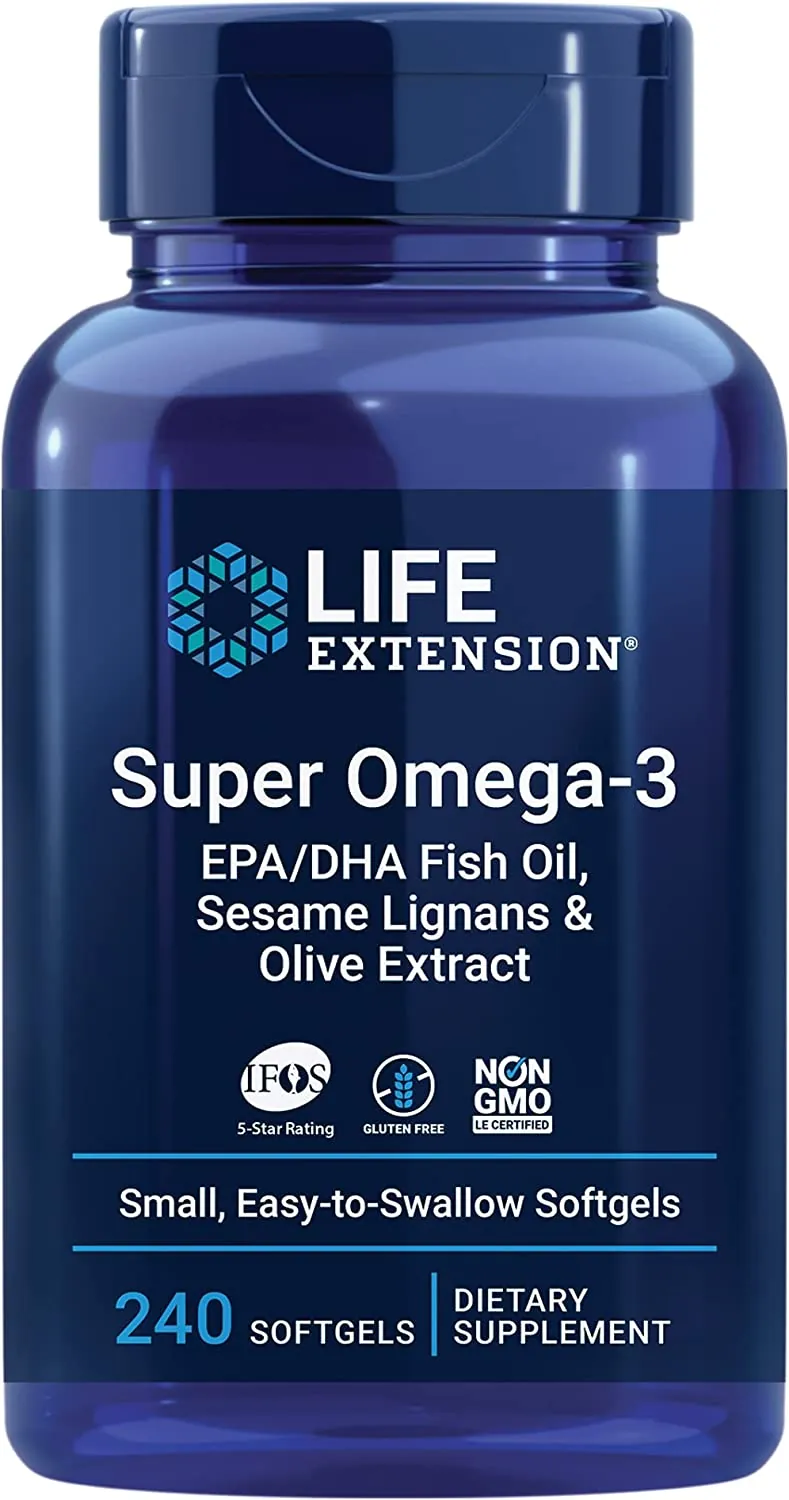
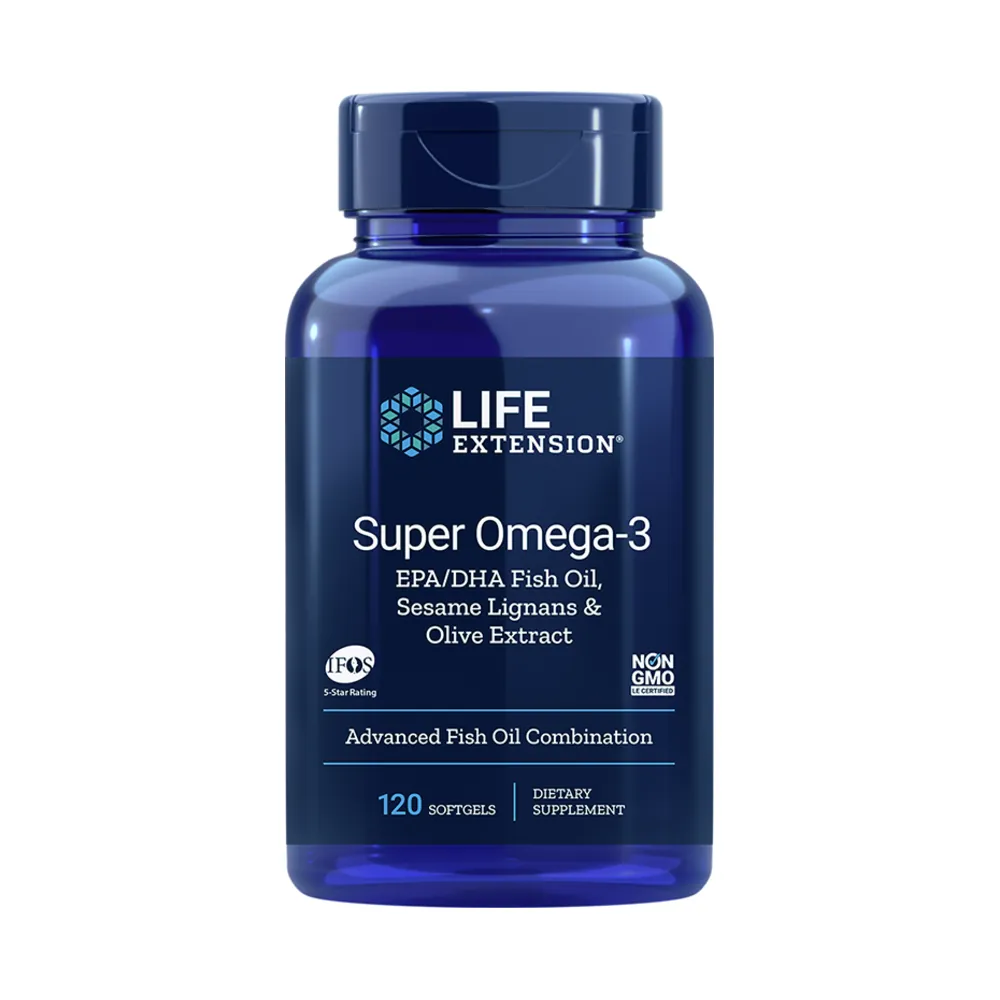

Nutravita Organic Ashwagandha KSM-66® 500mg - Premium Full-Spectrum Root Extract - Naturally Occurring Withanolides - 60 Vegan Capsules – Certified Organic Ashwagandha Supplement - Made in the UK
Check interactions with your other supplements
Add Omega-3 to our interactive Stack Analyzer and see how it works with everything else you take.
Add Omega-3 to your stack →Related Ingredients
Frequently Asked Questions
Fish oil in re-esterified triglyceride (rTG) form is the most extensively studied omega-3 source and is highly bioavailable. Krill oil delivers EPA and DHA bound to phospholipids alongside the antioxidant astaxanthin, which may enhance absorption. Algae oil is a plant-based alternative providing primarily DHA — and is the original source from which fish accumulate omega-3s. Research suggests triglyceride-form fish oil and phospholipid-bound forms absorb more effectively than ethyl ester forms, though the clinical significance of this difference remains debated.
SACN recommends a minimum of 450 mg EPA and DHA per week for adults. Research on cardiovascular outcomes typically uses 1,000–4,000 mg EPA and DHA daily, whilst EFSA considers up to 5,000 mg per day safe for long-term supplementation. Appropriate dosing depends on health goals, dietary fish intake, and individual health status. Those with elevated triglycerides or cardiovascular risk factors may require higher intakes — a GP or registered dietitian can advise on personalised dosing.
Research suggests EPA-rich formulations may support mood. A 2016 meta-analysis (Mocking et al., Translational Psychiatry) found a statistically significant association between omega-3 supplementation and improved outcomes in major depressive disorder, with EPA-dominant formulations showing greater benefit than DHA-dominant ones. Effect sizes vary between studies, and omega-3 should not be considered a substitute for established therapeutic approaches. Individual responses may vary considerably. Anyone experiencing mental health difficulties should consult a qualified healthcare professional.