Important: This page is for informational purposes only, based on published peer-reviewed research and official UK dietary guidelines (NHS, EFSA, SACN). It does not constitute medical advice. Always consult your GP or pharmacist before starting, stopping, or combining supplements.
GLA (Omega-6) — Forms, Dosage & Interactions
Also known as: gamma-linolenic acid, gla, evening primrose oil, borage oil, starflower oil
Overview
Gamma-linolenic acid (GLA) is a long-chain omega-6 fatty acid found in select plant seed oils — most notably evening primrose, borage (starflower), and blackcurrant seed oil. Unlike the linoleic acid (LA) prevalent in most vegetable oils, GLA represents a metabolically elongated form that sits further along the fatty acid conversion pathway. The body can synthesise GLA from dietary LA via the delta-6-desaturase enzyme, but this conversion becomes progressively less efficient due to ageing, high alcohol intake, elevated saturated fat consumption, zinc or magnesium insufficiency, and chronic stress. This enzymatic bottleneck has driven interest in supplemental GLA as a means of bypassing the conversion step entirely. Research into GLA has focused primarily on inflammatory skin conditions (particularly atopic eczema), premenstrual symptoms, joint discomfort in rheumatoid arthritis, and diabetic peripheral neuropathy. The overall evidence base comprises several small-to-medium randomised controlled trials, with effect sizes generally modest. No established RDA exists for GLA in the UK, and the evidence is rated as moderate — promising in specific populations, but not yet sufficient to support broad supplementation recommendations. Individual responses may vary considerably.
UK Dosage Guidelines
| Guideline | Value | Source |
|---|---|---|
|
Reference Nutrient Intake (RNI)
The amount sufficient for most people |
No established RDA | NHS / SACN |
Forms Comparison
GLA (Omega-6) is available in several supplemental forms. Bioavailability and suitability vary.
| Form Name | Bioavailability | Notes |
|---|---|---|
| Evening Primrose Oil | moderate | Contains ~8-10% GLA, traditional use for hormonal balance |
| Borage Oil (Starflower) | high | Contains ~20-24% GLA, most concentrated source |
| Blackcurrant Seed Oil | moderate | Contains ~15-17% GLA plus some omega-3 (ALA) |
When to Take GLA (Omega-6)
Recommended Time
🕑 Any — can be taken at this time
Additional Notes
Fat-soluble — take with a meal. Unlike most omega-6 fats, GLA is anti-inflammatory.
With or Without Food
Research suggests taking GLA (Omega-6) with food for better absorption.
Known Interactions
1 known interaction with other supplements.
Research suggests a balanced ratio of omega-6 to omega-3 fatty acids is important for managing inflammation. GLA (gamma-linolenic acid) is an anti-inflammatory omega-6, unlike most omega-6 fats.
Action: GLA from evening primrose or borage oil can be taken alongside omega-3 fish oil. Both support anti-inflammatory prostaglandin production.
Read full analysis →Top GLA (Omega-6) Products on AIScored
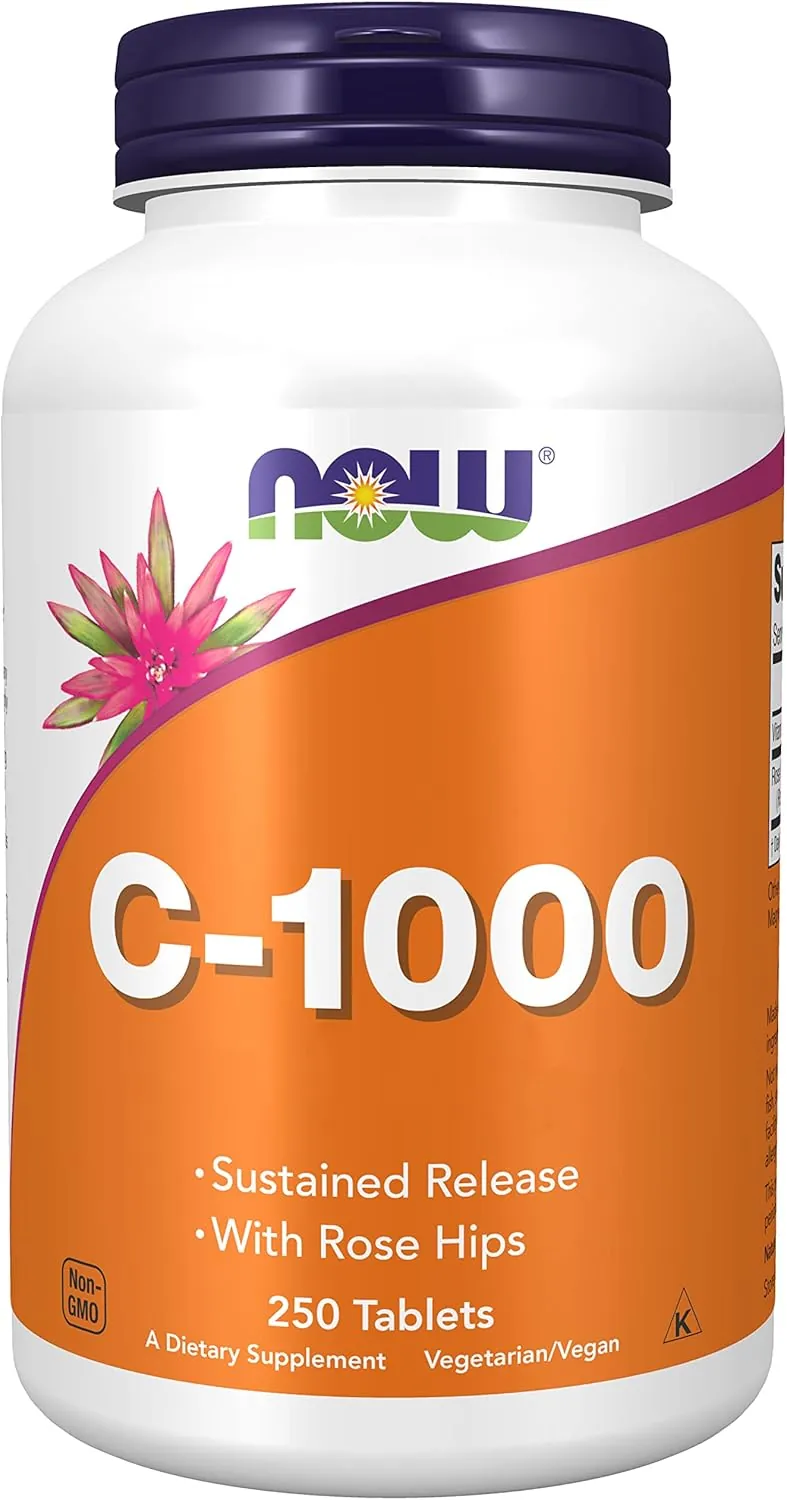
NOW Foods Vitamin C-1000 with Rose Hips & Bioflavonoids - 250 Tablets
Forthglade Dry Dog Food, Cold Pressed (6kg), Hypoallergenic and Grain Free Dog Food, Duck & Vegetables, Natural Senior, Adult and Puppy Meal, Vet Approved For Good Gut Health
Forthglade Wet Dog Food Variety Pack (12 x 395g Trays) - Grain Free & Hypoallergenic Dog Food, Adult 1 Year+, Chicken, Chicken with Liver & Turkey, Vegetables, Stomach Sensitive, Natural Ingredients
Forthglade Wet Dog Food (18 x 395g Trays) - Grain Free & Hypoallergenic Dog Food, Adult 1 Year+, Turkey with Vegetables, Complete Stomach Sensitive Meals with Natural Ingredients
Forthglade Dry Dog Food, Cold Pressed (6kg), Hypoallergenic and Grain Free Dog Food, Chicken & Vegetables, Natural Senior, Adult and Puppy Meal, Vet Approved For Good Gut Health
Forthglade Wet Dog Food (18 x 395g Trays) - Senior 7 Years+, Grain Free & Hypoallergenic Dog Food, Turkey with Vegetables, Stomach Sensitive Meals with Natural Ingredients
Check interactions with your other supplements
Add GLA (Omega-6) to our interactive Stack Analyzer and see how it works with everything else you take.
Add GLA (Omega-6) to your stack →Related Ingredients
Frequently Asked Questions
Clinical trials examining GLA for atopic eczema typically run for 12–16 weeks before primary outcomes are assessed. A meta-analysis by Morse et al. (1989, British Journal of Dermatology) found that meaningful reductions in itch and skin inflammation generally required at least three months of consistent supplementation. Individual responses may vary considerably depending on baseline fatty acid status and severity of skin barrier dysfunction.
Borage oil contains approximately 20–24% GLA by weight, compared with 8–10% in evening primrose oil, meaning a smaller daily capsule volume can deliver an equivalent GLA dose. However, borage seed oil may contain pyrrolizidine alkaloids — compounds associated with hepatotoxicity — so it is important to select certified alkaloid-free products. Blackcurrant seed oil (15–17% GLA) offers a middle ground and additionally provides alpha-linolenic acid (ALA), an omega-3 fatty acid.
GLA's conversion to PGE1 may exert mild antiplatelet effects, which could theoretically potentiate anticoagulant or antiplatelet medications such as warfarin or aspirin. Individuals on these therapies should seek GP or pharmacist advice before supplementing. Previous prescribing guidance for licensed evening primrose oil also noted a theoretical risk of lowering the seizure threshold in patients taking phenothiazine antipsychotics, though robust clinical evidence for this interaction remains limited.