Important: This page is for informational purposes only, based on published peer-reviewed research and official UK dietary guidelines (NHS, EFSA, SACN). It does not constitute medical advice. Always consult your GP or pharmacist before starting, stopping, or combining supplements.
Prebiotics — Forms, Dosage & Interactions
Also known as: inulin, fos, fructooligosaccharides, galactooligosaccharides, gos, prebiotic fibre
Overview
Prebiotics are non-digestible food components — primarily dietary fibres — that selectively stimulate the growth and activity of beneficial gut bacteria, particularly Bifidobacteria and Lactobacillus species. Unlike probiotics, which introduce live bacteria, prebiotics function as a fuel source for microorganisms already residing in the colon. The most studied supplemental forms include inulin (derived from chicory root), fructooligosaccharides (FOS), galactooligosaccharides (GOS), and partially hydrolysed guar gum (PHGG), each with distinct fermentation profiles and tolerability characteristics. Prebiotic compounds occur naturally in everyday foods such as garlic, onions, leeks, asparagus, and oats. Supplemental forms allow for more consistent and measurable daily intake — particularly relevant given that most UK adults fall considerably short of the recommended 30g daily fibre target. The evidence base for prebiotics is considered strong for improving bowel regularity, supporting immune function, and enhancing mineral absorption. Research also suggests potential roles in blood sugar management and mood regulation via the gut-brain axis. Individual responses may vary considerably depending on baseline microbiome composition, dietary habits, and the specific prebiotic form used.
UK Dosage Guidelines
| Guideline | Value | Source |
|---|---|---|
|
Reference Nutrient Intake (RNI)
The amount sufficient for most people |
No established RDA | NHS / SACN |
Forms Comparison
Prebiotics is available in several supplemental forms. Bioavailability and suitability vary.
| Form Name | Bioavailability | Notes |
|---|---|---|
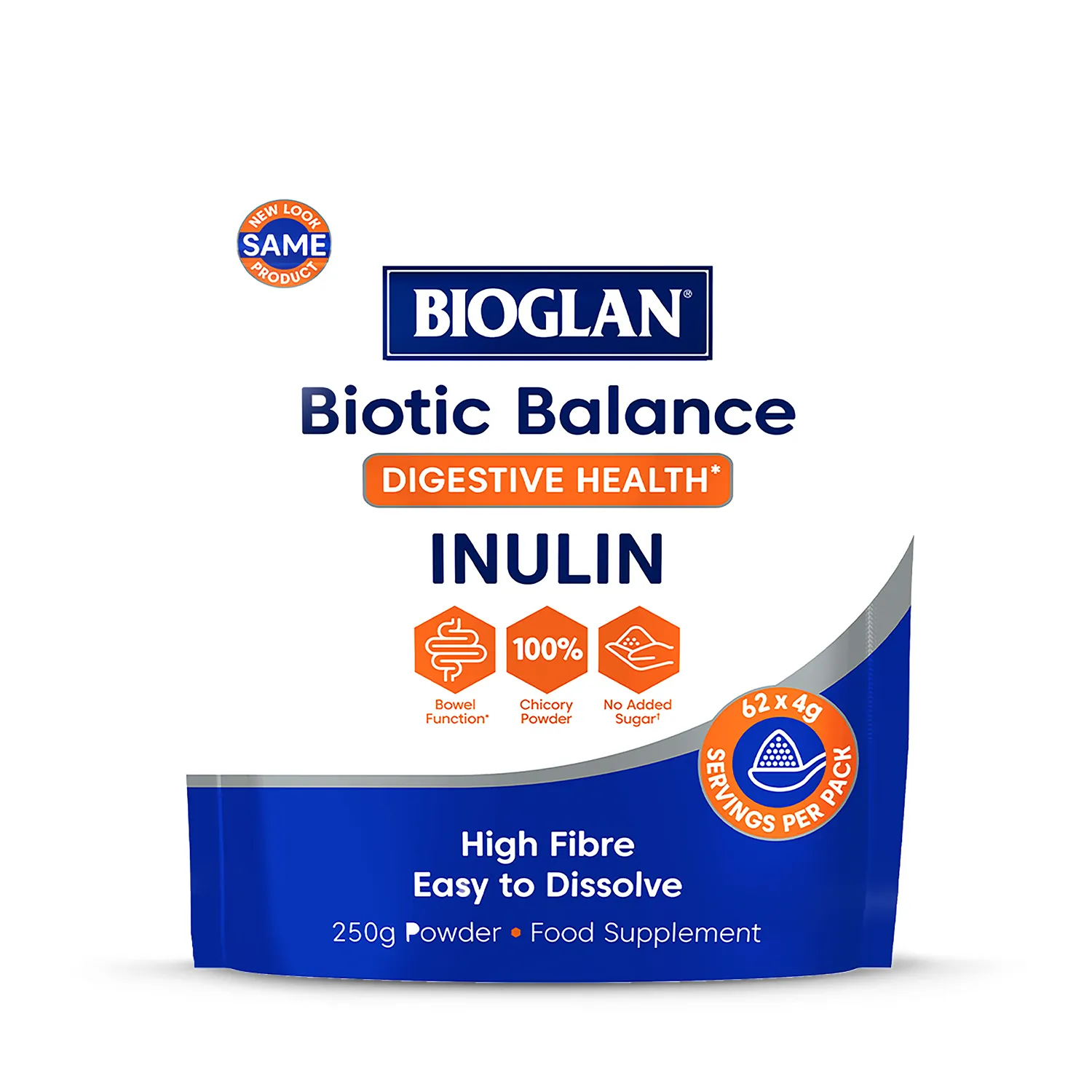
| Inulin | high | From chicory root, most studied prebiotic fibre |
| FOS (Fructooligosaccharides) | high | Shorter chain than inulin, fermented faster, may cause more initial gas |
| GOS (Galactooligosaccharides) | high | Particularly supports Bifidobacteria, well-studied in infants and adults |
| Partially Hydrolysed Guar Gum (PHGG) | high | Well-tolerated, less gas than inulin/FOS, supports regularity |
When to Take Prebiotics
Recommended Time
🕑 Any — can be taken at this time
Additional Notes
Take with food. Start with low doses (2-3 g) and increase gradually to avoid bloating and gas. Feed beneficial gut bacteria already in your colon.
With or Without Food
Research suggests taking Prebiotics with food for better absorption.
Known Interactions
1 known interaction with other supplements.
Prebiotics serve as fuel for probiotic bacteria. Research suggests combining them (a 'synbiotic' approach) may enhance probiotic survival and colonisation in the gut.
Action: Taking prebiotics alongside probiotics may improve outcomes. Many combined products exist as 'synbiotics'.
Read full analysis →Top Prebiotics Products on AIScored

Q+A Niacinamide Gentle Exfoliating Face Cleanser (125ml), Face Scrub, Exfoliating Face Wash with Jojoba Esters and Prebiotics, Cleanses While Calming Sensitivity and Blemish-Prone Skin, Fragrance Free



Nutravita Probiotics Cultures 60 Billion CFU, 21 Strain Complex with Lactobacillus Reuteri & Acidophilus - Bio Cultures Complex Probiotics & Prebiotics Supplements, 60 Vegan Capsules - Made in the UK

Clear Skin Vitamin Gummies with Zinc, Selenium & Vitamin B2 - Complexion & Blemish Support
Check interactions with your other supplements
Add Prebiotics to our interactive Stack Analyzer and see how it works with everything else you take.
Add Prebiotics to your stack →Related Ingredients
Frequently Asked Questions
Prebiotics are non-digestible fibres that nourish beneficial bacteria already present in the gut. Probiotics are live microorganisms taken to supplement gut populations directly. The two are considered complementary — combined preparations, known as synbiotics, have been studied for potentially additive effects on gut microbiome composition and health markers. Individual responses to both prebiotics and probiotics may vary based on existing gut microbiome status and diet.
Gas, bloating, and loose stools are the most commonly reported effects, particularly at higher doses or when starting supplementation. These symptoms typically diminish over several weeks as the gut microbiome adapts. PHGG tends to be better tolerated than inulin or FOS owing to its slower fermentation rate. Starting at a lower dose — around 3g daily — and increasing gradually is a widely used approach to improve tolerability. Individual responses may vary.
Research suggests that taking prebiotics alongside food slows their transit and fermentation rate, which may reduce the likelihood of gas and bloating compared with taking them on an empty stomach. Splitting the daily dose across two or three meals is a common strategy in clinical studies. There is no evidence that food significantly alters the overall prebiotic effect on microbiome composition; tolerability is the primary consideration.