Important: This page is for informational purposes only, based on published peer-reviewed research and official UK dietary guidelines (NHS, EFSA, SACN). It does not constitute medical advice. Always consult your GP or pharmacist before starting, stopping, or combining supplements.
Probiotics — Forms, Dosage & Interactions
Also known as: lactobacillus, bifidobacterium, live cultures, friendly bacteria, saccharomyces boulardii
Overview
Probiotics are live microorganisms that, when administered in adequate amounts, confer a health benefit on the host — a definition established by the World Health Organisation and Food and Agriculture Organization in 2001. The most commonly studied genera are Lactobacillus and Bifidobacterium (bacteria) and Saccharomyces boulardii (yeast). The human gastrointestinal tract hosts an estimated 100 trillion microbial cells collectively known as the gut microbiome, and the composition of this ecosystem influences digestive function, immune regulation, and neurological signalling via the gut-brain axis. People supplement with probiotics primarily to restore microbial balance following antibiotic use, to support gastrointestinal comfort in conditions such as irritable bowel syndrome, and to maintain general digestive health. The overall evidence base is strongest for antibiotic-associated diarrhoea prevention, moderate for IBS symptom management, and emerging for immune and metabolic applications. Strain selection, CFU count, and product viability at point of consumption all influence outcomes significantly, and individual responses may vary considerably depending on baseline microbiome composition.
UK Dosage Guidelines
| Guideline | Value | Source |
|---|---|---|
|
Reference Nutrient Intake (RNI)
The amount sufficient for most people |
No established RDA | NHS / SACN |
Forms Comparison
Probiotics is available in several supplemental forms. Bioavailability and suitability vary.
| Form Name | Bioavailability | Notes |
|---|---|---|
| Multi-Strain Capsules | high | Combination of Lactobacillus + Bifidobacterium strains, broad-spectrum |
| Saccharomyces boulardii | high | Yeast-based probiotic, survives antibiotics, evidence for diarrhoea prevention |
| Spore-Based (Bacillus) | high | Naturally acid-resistant, no refrigeration needed, shelf-stable |
When to Take Probiotics
Recommended Time
☀️ Morning — research suggests taking Probiotics in the morning
Additional Notes
Take with or just before a meal — food buffers stomach acid, improving bacterial survival. Strain specificity matters — different strains have different effects.
With or Without Food
Research suggests taking Probiotics with food for better absorption.
Known Interactions
6 known interactions with other supplements.
Prebiotics serve as fuel for probiotic bacteria. Research suggests combining them (a 'synbiotic' approach) may enhance probiotic survival and colonisation in the gut.
Action: Taking prebiotics alongside probiotics may improve outcomes. Many combined products exist as 'synbiotics'.
Read full analysis →Research suggests glutamine supports intestinal barrier integrity, which may complement probiotic supplementation for gut health.
Action: Both can be taken together. Glutamine is often taken on an empty stomach, while probiotics can be taken with or without food depending on the strain.
Read full analysis →Emerging research suggests probiotics may enhance Vitamin D status. Some strains appear to improve 25(OH)D levels, possibly through gut-mediated mechanisms.
Action: These can be taken together. Both support immune function through different pathways.
Read full analysis →Iron supplements may create an unfavorable gut environment for certain probiotic strains. Research suggests unabsorbed iron in the colon can alter the gut microbiome.
Action: If taking both, separating iron from probiotics by 2 hours may reduce any negative interaction.
Read full analysis →Emerging research suggests magnesium and probiotics may support gut health through complementary mechanisms. Magnesium oxide in particular has osmotic effects that can alter the gut environment.
Action: These can generally be taken together. However, magnesium oxide at high doses may cause loose stools, which could affect probiotic transit time.
Read full analysis →Emerging research suggests omega-3 fatty acids may positively influence gut microbiome composition, potentially complementing probiotic supplementation.
Action: These can be taken together. Omega-3 with food and probiotics as directed (strain-dependent timing).
Read full analysis →Top Probiotics Products on AIScored

Beauty of Joseon Relief Sun Rice Probiotics SPF 50+ PA++++ Korean Sunscreen sunblock for Face Daily Sunscreen for Men Women Skincare 50ml


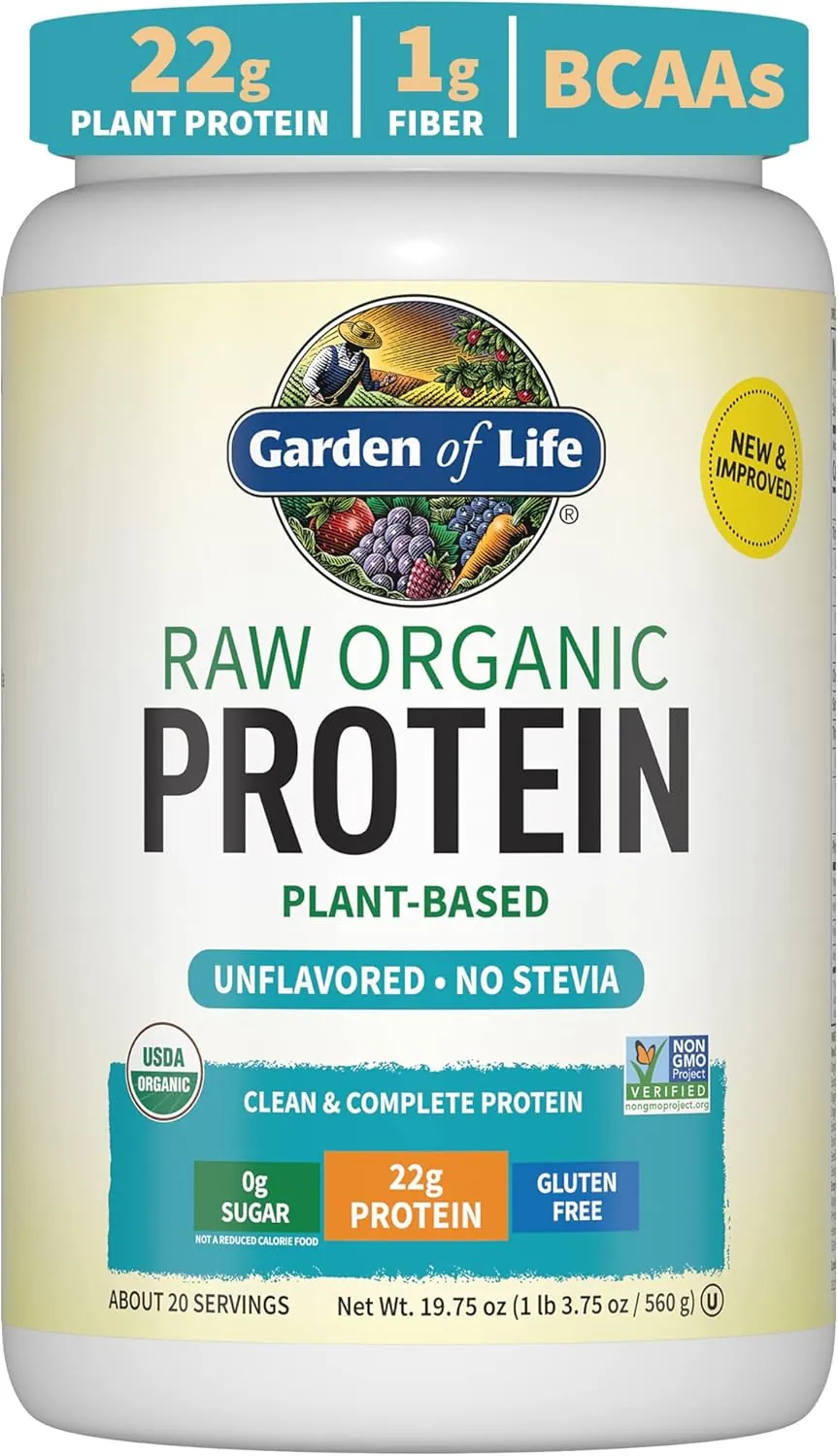
Garden of Life Dr. Formulated Probiotics Once Daily 30 Billion
Check interactions with your other supplements
Add Probiotics to our interactive Stack Analyzer and see how it works with everything else you take.
Add Probiotics to your stack →Related Ingredients
Frequently Asked Questions
Research suggests taking probiotics during and for at least one to two weeks after a course of antibiotics may reduce the risk of antibiotic-associated diarrhoea. A 2012 meta-analysis in JAMA (Hempel et al.) found a significant reduction in risk across 63 randomised controlled trials. Taking the probiotic a few hours apart from each antibiotic dose is generally advised to reduce direct antibiotic interference with probiotic viability. Individual responses may vary.
CFU count is only one variable — strain specificity, delivery mechanism, and product stability matter equally. Most clinical trials demonstrating benefit have used doses in the range of 5–40 billion CFU daily, though some Lactobacillus rhamnosus GG studies showed significant effects at 10 billion CFU. Higher counts do not automatically confer greater benefit. Look for products specifying viable CFU count at expiry rather than at manufacture, as counts typically decline over shelf life.
Not necessarily. Traditional Lactobacillus and Bifidobacterium strains are sensitive to heat and moisture and typically require refrigeration to maintain viability. However, spore-forming Bacillus strains and the yeast Saccharomyces boulardii are naturally heat-stable and retain potency at room temperature without refrigeration. The critical metric is viable CFU count at the time of consumption — the delivery format matters less than whether the organisms remain viable when you take them.