Important: This page is for informational purposes only, based on published peer-reviewed research and official UK dietary guidelines (NHS, EFSA, SACN). It does not constitute medical advice. Always consult your GP or pharmacist before starting, stopping, or combining supplements.
Rhodiola Rosea — Forms, Dosage & Interactions
Also known as: rhodiola, golden root, arctic root, rosavin
Overview
Rhodiola rosea — commonly known as golden root or arctic root — is a perennial flowering plant native to cold, high-altitude regions of Europe and Asia, including Scandinavia, Siberia, and the Arctic. It belongs to the adaptogen category: a group of botanical agents traditionally used to help the body resist physical and psychological stressors. The root has been used in Scandinavian and Russian folk medicine for centuries, valued for supporting endurance and mental resilience. Modern supplementation interest centres on its potential to reduce stress-related fatigue, support cognitive performance under pressure, and promote general wellbeing. The principal bioactive compounds are rosavins (rosavin, rosin, rosarin) and salidroside, with clinical extracts standardised to consistent ratios of these constituents. The evidence base is considered relatively strong for a botanical supplement. Multiple randomised controlled trials using the standardised SHR-5 extract have reported effects on fatigue and mental performance. A systematic review by Hung et al. (2011, Phytomedicine) identified several qualifying RCTs, though noted variability in trial quality. EFSA has not approved specific health claims for Rhodiola under retained UK regulations, and the NHS does not recognise it for any specific therapeutic indication. Individual responses may vary considerably based on lifestyle, stress load, and baseline health status.
UK Dosage Guidelines
| Guideline | Value | Source |
|---|---|---|
|
Reference Nutrient Intake (RNI)
The amount sufficient for most people |
No established RDA | NHS / SACN |
Forms Comparison
Rhodiola Rosea is available in several supplemental forms. Bioavailability and suitability vary.
| Form Name | Bioavailability | Notes |
|---|---|---|
| Standardised Extract (3% rosavins, 1% salidroside) | high | The clinical standard ratio matching the natural root profile |
| SHR-5 Extract | high | Specific extract used in many clinical trials |
When to Take Rhodiola Rosea
Recommended Time
☀️ Morning — research suggests taking Rhodiola Rosea in the morning
Additional Notes
Morning or early afternoon — mildly stimulating. Take before meals. Avoid evening use as it may affect sleep.
With or Without Food
Research suggests taking Rhodiola Rosea on an empty stomach for optimal absorption.
Known Interactions
3 known interactions with other supplements.
Both are classified as adaptogens. Research suggests they may support stress resilience through complementary mechanisms — rhodiola primarily through stimulating pathways, ashwagandha through calming ones.
Action: Some practitioners combine a morning rhodiola dose (for energy/focus) with an evening ashwagandha dose (for relaxation/sleep).
Read full analysis →Rhodiola is considered a stimulating adaptogen. Taking it alongside melatonin may produce conflicting effects — one promotes alertness, the other sleep.
Action: Rhodiola is best taken in the morning for energy and focus. Melatonin is taken in the evening before bed. Natural timing separation avoids the conflict.
Read full analysis →Both are adaptogenic herbs that may support energy and stress resilience. Research suggests they work through partially overlapping but distinct mechanisms.
Action: This combination is used in some adaptogenic formulas for energy and focus. Both are best taken in the morning to avoid potential sleep interference.
Read full analysis →Top Rhodiola Rosea Products on AIScored

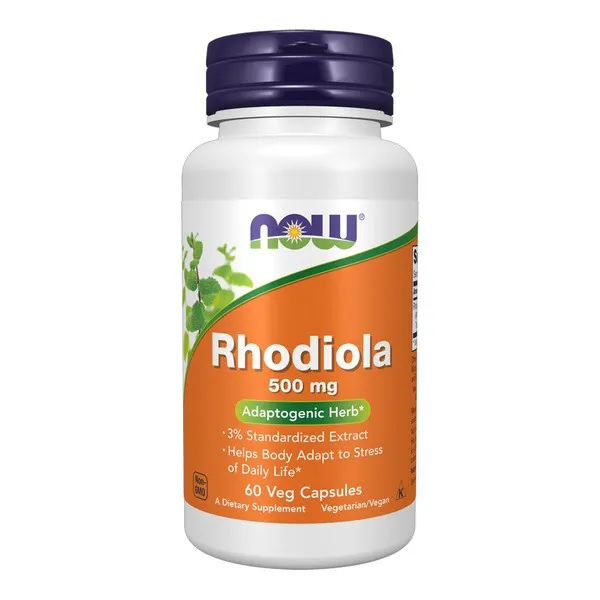
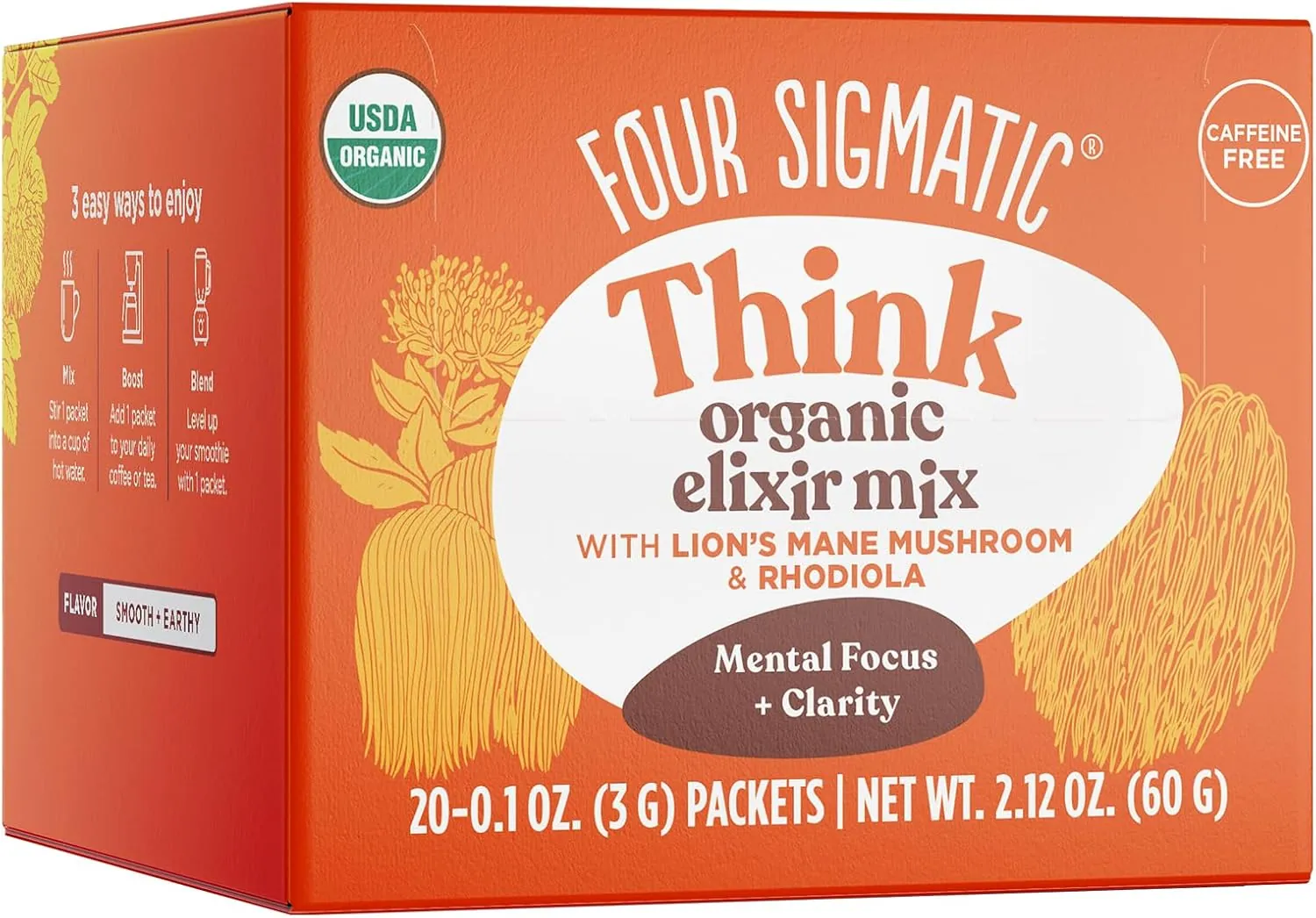
Check interactions with your other supplements
Add Rhodiola Rosea to our interactive Stack Analyzer and see how it works with everything else you take.
Add Rhodiola Rosea to your stack →Related Ingredients
Frequently Asked Questions
Clinical trials have generally used between 170 mg and 680 mg per day of standardised extract (3% rosavins, 1% salidroside). The SHR-5 extract trials by Shevtsov et al. (2003, Phytomedicine) found measurable effects at 170 mg and 340 mg daily. There is no officially recommended dose; most products target 200–400 mg. Individual responses may vary, and starting at the lower end of the studied range is generally advisable.
Research suggests the timeline differs depending on the outcome measured. For acute fatigue, some trials report effects within days. The Spasov et al. study (2000, Phytomedicine) observed improvements in student fatigue after 20 days of repeated low-dose supplementation, whilst Olsson et al. (2009, Planta Medica) reported reductions in stress-related fatigue over an 8-week intervention. Individual responses may vary based on baseline stress levels and overall health.
Short-term use at studied doses appears well-tolerated in clinical trials, with no serious adverse events reported at therapeutic amounts. However, robust long-term safety data remain limited. Rhodiola may theoretically interact with medicines that affect monoamine levels, blood pressure, or blood sugar management. Individuals taking prescription medication — particularly antidepressants, antihypertensives, or immunosuppressants — should seek guidance from a healthcare professional before supplementing.