Important: This page is for informational purposes only, based on published peer-reviewed research and official UK dietary guidelines (NHS, EFSA, SACN). It does not constitute medical advice. Always consult your GP or pharmacist before starting, stopping, or combining supplements.
Saw Palmetto — Forms, Dosage & Interactions
Also known as: serenoa repens, saw palmetto extract, sabal serrulatum
Overview
Saw palmetto (Serenoa repens) is a small fan palm native to the southeastern United States, where its berries have been used medicinally for centuries. Today, standardised liposterolic extracts of saw palmetto berry are among the most widely sold herbal supplements globally, primarily marketed to men for urinary tract symptoms associated with benign prostatic hyperplasia (BPH) — an enlarged prostate gland. BPH is extremely common in older men and produces symptoms including frequent urination, weak urine flow, and nocturia. The overall evidence base is moderate but contested: earlier trials and some meta-analyses reported modest improvements in urinary symptoms and flow rates, while larger, more rigorous randomised controlled trials — including the CAMUS trial (Barry et al., 2011, JAMA) — found no significant benefit over placebo. Saw palmetto is also explored in smaller studies for androgenetic alopecia (male pattern hair loss) due to its proposed anti-androgenic properties. The liposterolic extract standardised to 85–95% fatty acids is the form used in clinical research; dried berry powder is considered substantially less bioavailable. Individual responses may vary considerably.
UK Dosage Guidelines
| Guideline | Value | Source |
|---|---|---|
|
Reference Nutrient Intake (RNI)
The amount sufficient for most people |
No established RDA | NHS / SACN |
Forms Comparison
Saw Palmetto is available in several supplemental forms. Bioavailability and suitability vary.
| Form Name | Bioavailability | Notes |
|---|---|---|
| Liposterolic Extract (85-95% fatty acids) | high | Hexane or CO2 extracted, standardised to fatty acids and sterols — used in clinical trials |
| Dried Berry Powder | low | Unextracted, requires much higher doses, less evidence |
When to Take Saw Palmetto
Recommended Time
🕑 Any — can be taken at this time
Additional Notes
Take with food. Fat-soluble extract. Most studies use 320 mg/day (as single dose or 160 mg twice daily).
With or Without Food
Research suggests taking Saw Palmetto with food for better absorption.
Known Interactions
1 known interaction with other supplements.
Both saw palmetto and zinc are used for prostate health. Research suggests they may have complementary effects on 5-alpha-reductase activity.
Action: This combination is common in prostate health formulas. Both can be taken together with food.
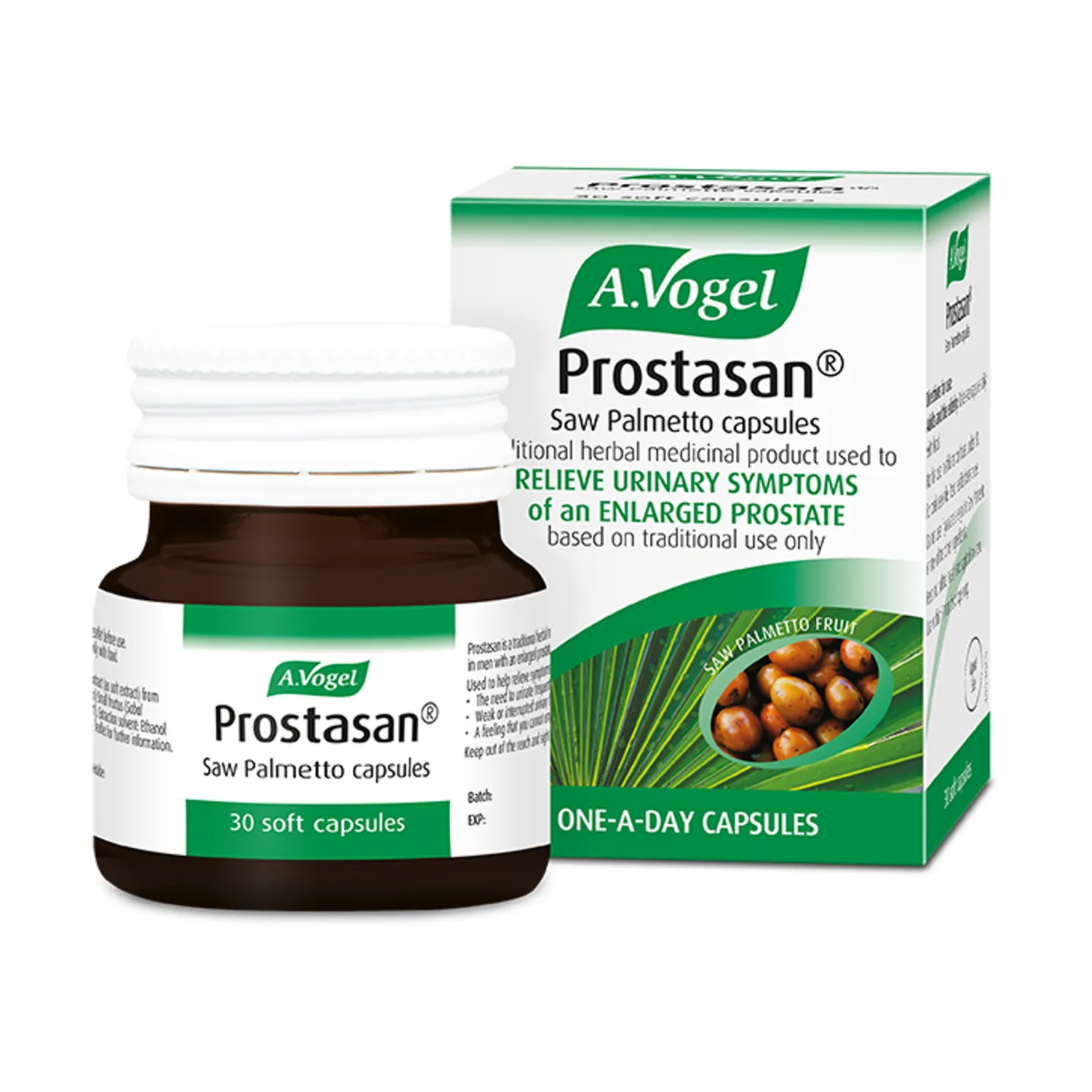
Read full analysis →Top Saw Palmetto Products on AIScored
Check interactions with your other supplements
Add Saw Palmetto to our interactive Stack Analyzer and see how it works with everything else you take.
Add Saw Palmetto to your stack →Related Ingredients
Frequently Asked Questions
Most trials have used 160 mg twice daily or 320 mg once daily of a standardised liposterolic extract (85–95% fatty acids and sterols). The CAMUS trial (Barry et al., 2011, JAMA) tested escalating doses from 320 mg to 960 mg daily and found no significant improvement over placebo at any dose. Dried berry powder requires considerably higher doses and lacks the evidence base of the extract form.
No. The NHS does not endorse saw palmetto as a treatment for BPH or lower urinary tract symptoms. Men with urinary symptoms are advised to seek GP assessment, as symptoms can have multiple causes requiring medical evaluation. Conventional treatments — including alpha-blockers and 5-alpha reductase inhibitors — have a stronger evidence base and are available through NHS prescription.
Saw palmetto is generally considered well-tolerated in research, with mild and infrequent reported side effects including gastrointestinal discomfort, headache, and dizziness. Rare cases of hepatotoxicity have been reported in post-marketing surveillance. Due to its anti-androgenic and potential anticoagulant properties, individuals taking warfarin, hormone therapies, or finasteride should consult a healthcare professional before use. Individual responses may vary.