Important: This page is for informational purposes only, based on published peer-reviewed research and official UK dietary guidelines (NHS, EFSA, SACN). It does not constitute medical advice. Always consult your GP or pharmacist before starting, stopping, or combining supplements.
Selenium — Forms, Dosage & Interactions
Also known as: selenomethionine, sodium selenite, selenium yeast, se
Overview
Selenium is an essential trace mineral that functions primarily through incorporation into selenoproteins — a diverse family of at least 25 proteins critical to antioxidant defence, thyroid hormone metabolism, immune function, and fertility. Unlike most nutrients, selenium's biological activity is mediated almost entirely via these selenoproteins, with selenocysteine serving as the functional amino acid at their active sites. Despite being required only in microgram quantities, deficiency carries significant health consequences, and insufficiency is more prevalent in the UK than is often appreciated. Research suggests that UK dietary intakes frequently fall below the NHS Reference Nutrient Intake, largely due to the selenium-poor nature of UK soils. People supplement selenium primarily to support thyroid function, bolster antioxidant capacity, and maintain healthy immune responses. There is also ongoing research interest in selenium's role in male and female fertility and in cardiovascular health. The overall evidence base is rated as strong for thyroid support and antioxidant function. Studies indicate that benefits are most pronounced in individuals who are deficient or insufficient at baseline; those already replete may see limited additional gain from supplementation. Individual responses may vary considerably depending on dietary habits, baseline selenium status, and the supplement form used.
UK Dosage Guidelines
| Guideline | Value | Source |
|---|---|---|
|
Reference Nutrient Intake (RNI)
The amount sufficient for most people |
75 mcg (men), 60 mcg (women) | NHS / SACN |
|
Tolerable Upper Level (UL)
Maximum daily intake unlikely to cause harm |
300 mcg (EFSA) | EFSA / SACN |
Forms Comparison
Selenium is available in several supplemental forms. Bioavailability and suitability vary.
| Form Name | Bioavailability | Notes |
|---|---|---|
| Selenomethionine | high | Organic form, incorporated into body proteins, preferred |
| Sodium Selenite | moderate | Inorganic form, lower bioavailability, cheaper |
| Selenium Yeast | high | Whole-food form, naturally contains selenomethionine |
When to Take Selenium
Recommended Time
🕑 Any — can be taken at this time
Additional Notes
Take with food. UK soils are low in selenium — supplementation is common.
With or Without Food
Research suggests taking Selenium with food for better absorption.
Known Interactions
5 known interactions with other supplements.
Selenium and Vitamin E work together as part of the body's antioxidant defence system. Research suggests they have complementary roles in protecting cells from oxidative damage.
Action: These are commonly found together in antioxidant formulas. Both can be taken with a fat-containing meal.
Read full analysis →Selenium and iodine work together in thyroid function. Research indicates selenium-dependent deiodinase enzymes are essential for converting T4 to the active T3 thyroid hormone.
Action: Both nutrients support thyroid health. Supplementing iodine without adequate selenium may be counterproductive, as selenium protects the thyroid from oxidative damage during hormone synthesis.
Read full analysis →Research suggests Vitamin C and selenium may have complementary antioxidant effects. However, very high-dose Vitamin C taken simultaneously may reduce selenite absorption.
Action: At typical supplement doses, these can be taken together. If taking high-dose Vitamin C (>1000mg), separating from selenium by an hour may be prudent.
Read full analysis →At high doses, zinc and selenium may compete for absorption. However, at typical supplement doses, research suggests they are compatible and even complementary for immune function.
Action: At standard doses (15-30mg zinc, 55-200mcg selenium), these can generally be taken together without concern.
Read full analysis →Both selenium and Vitamin A (retinol) have relatively narrow safety margins. Research suggests monitoring total intake from all sources to avoid exceeding upper limits.
Action: Selenium UL is 400mcg/day (EFSA: 300mcg). Vitamin A (retinol) UL is 3000mcg/day. Checking combined intake from supplements, fortified foods, and diet is prudent.
Read full analysis →Top Selenium Products on AIScored
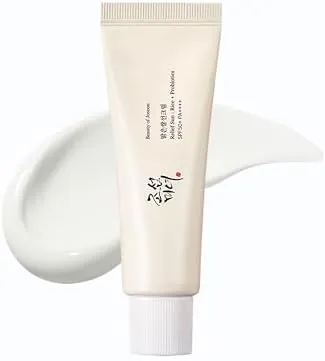
Beauty of Joseon Relief Sun Rice Probiotics SPF 50+ PA++++ Korean Sunscreen sunblock for Face Daily Sunscreen for Men Women Skincare 50ml
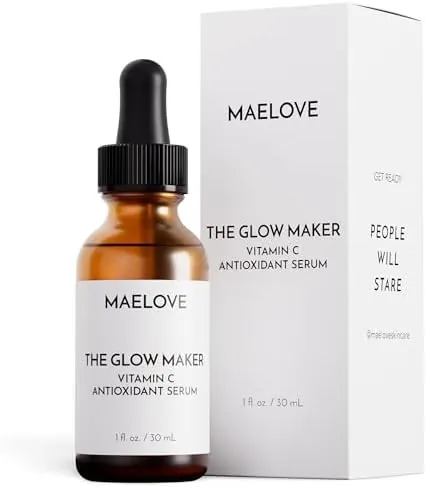
MAELOVE Vitamin C Serum, Glow Maker with Vitamins C, E, Ferulic Acid and Hyaluronic Acid, Fragrance-Free, Award-Winning Highlighting and Moisturizing Face Serum, 50 ml
The Ordinary Glucoside Foaming Cleanser, Gentle Foaming Face Wash for All Skin Types Including Sensitive Skin, 150ml
The INKEY List 2% Hyaluronic Acid Face Serum 60ml, Hydrating Skincare, Combats Dry Skin, Vegan Friendly, Suitable For All Skin Types
Check interactions with your other supplements
Add Selenium to our interactive Stack Analyzer and see how it works with everything else you take.
Add Selenium to your stack →Related Ingredients
Frequently Asked Questions
UK soils are naturally low in selenium due to their geological history, meaning home-grown plant foods contain significantly less selenium than those from selenium-rich regions. The UK's reduction in imports of North American wheat — which is inherently higher in selenium — has further reduced average dietary intakes over recent decades. Research suggests that average UK intakes frequently sit below the NHS Reference Nutrient Intake, particularly among women and individuals following plant-based diets. Individual responses to low dietary intake may vary.
Research indicates that selenomethionine — the organic form found naturally in selenium yeast supplements — is generally better absorbed and retained than inorganic sodium selenite. Selenomethionine is incorporated into body proteins in place of methionine, creating a physiological storage pool that helps maintain selenium status during periods of low intake. Sodium selenite, whilst absorbed at a reasonable rate, is metabolised differently and excreted more readily. For most supplementation purposes, selenomethionine or selenium yeast is considered the preferable form, though individual responses may vary.
Selenium has a relatively narrow margin between beneficial and potentially harmful intakes. EFSA has established a Tolerable Upper Intake Level of 300 mcg/day for adults, above which the risk of selenosis — characterised by hair loss, brittle nails, gastrointestinal disturbance, and in severe cases neurological symptoms — increases meaningfully. The NHS advises caution with long-term supplementation above 350 mcg/day. Standard supplemental doses of 50–200 mcg fall well within the safe range for healthy adults, but ongoing high-dose use warrants attention.