Important: This page is for informational purposes only, based on published peer-reviewed research and official UK dietary guidelines (NHS, EFSA, SACN). It does not constitute medical advice. Always consult your GP or pharmacist before starting, stopping, or combining supplements.
Taurine — Forms, Dosage & Interactions
Also known as: l-taurine, 2-aminoethanesulfonic acid
Overview
Taurine is a conditionally essential sulphonic acid — often described as an amino acid, though it lacks the carboxyl group that defines true amino acids. Found naturally throughout the body, it is particularly concentrated in the heart muscle, retina, skeletal muscle, and brain. The body synthesises taurine from cysteine and methionine via the cysteine sulphinic acid pathway, yet dietary intake from meat, fish, and shellfish makes a meaningful contribution to plasma levels. Vegans and vegetarians typically have significantly lower circulating taurine concentrations due to limited plant-based sources. People supplement taurine for cardiovascular support, exercise performance, cognitive function, and sleep support. It is also ubiquitous in energy drinks — Red Bull contains approximately 1,000 mg per 250 ml can — though the specific contribution of taurine to their effects remains debated. The overall evidence base is rated moderate: there are promising mechanistic and animal data supported by a growing body of human clinical trials, though many are small-scale. Interest intensified following a 2023 study in Science suggesting that taurine decline with age may be a conserved driver of the ageing process across mammals.
UK Dosage Guidelines
| Guideline | Value | Source |
|---|---|---|
|
Reference Nutrient Intake (RNI)
The amount sufficient for most people |
No established RDA | NHS / SACN |
Forms Comparison
Taurine is available in several supplemental forms. Bioavailability and suitability vary.
| Form Name | Bioavailability | Notes |
|---|---|---|
| Taurine | high | Standard supplemental form, well-absorbed |
When to Take Taurine
Recommended Time
🕑 Any — can be taken at this time
Additional Notes
Conditionally essential amino acid. Can be taken any time. Found abundantly in heart, brain, and eyes.
With or Without Food
Research suggests taking Taurine on an empty stomach for optimal absorption.
Known Interactions
2 known interactions with other supplements.
Research suggests taurine and magnesium may have complementary effects on cardiovascular function and blood pressure regulation.
Action: This combination is sometimes used for cardiovascular support. Both can be taken together.
Read full analysis →Both taurine and omega-3 have been studied for cardiovascular benefits. Research suggests they may have complementary cardioprotective effects.
Action: These can be taken together with a meal. Both support heart health through different mechanisms.
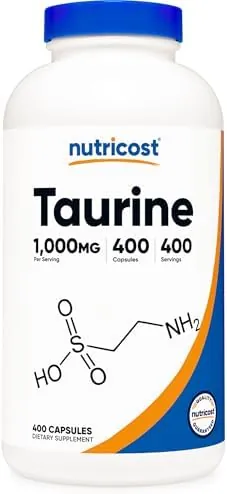
Read full analysis →Top Taurine Products on AIScored
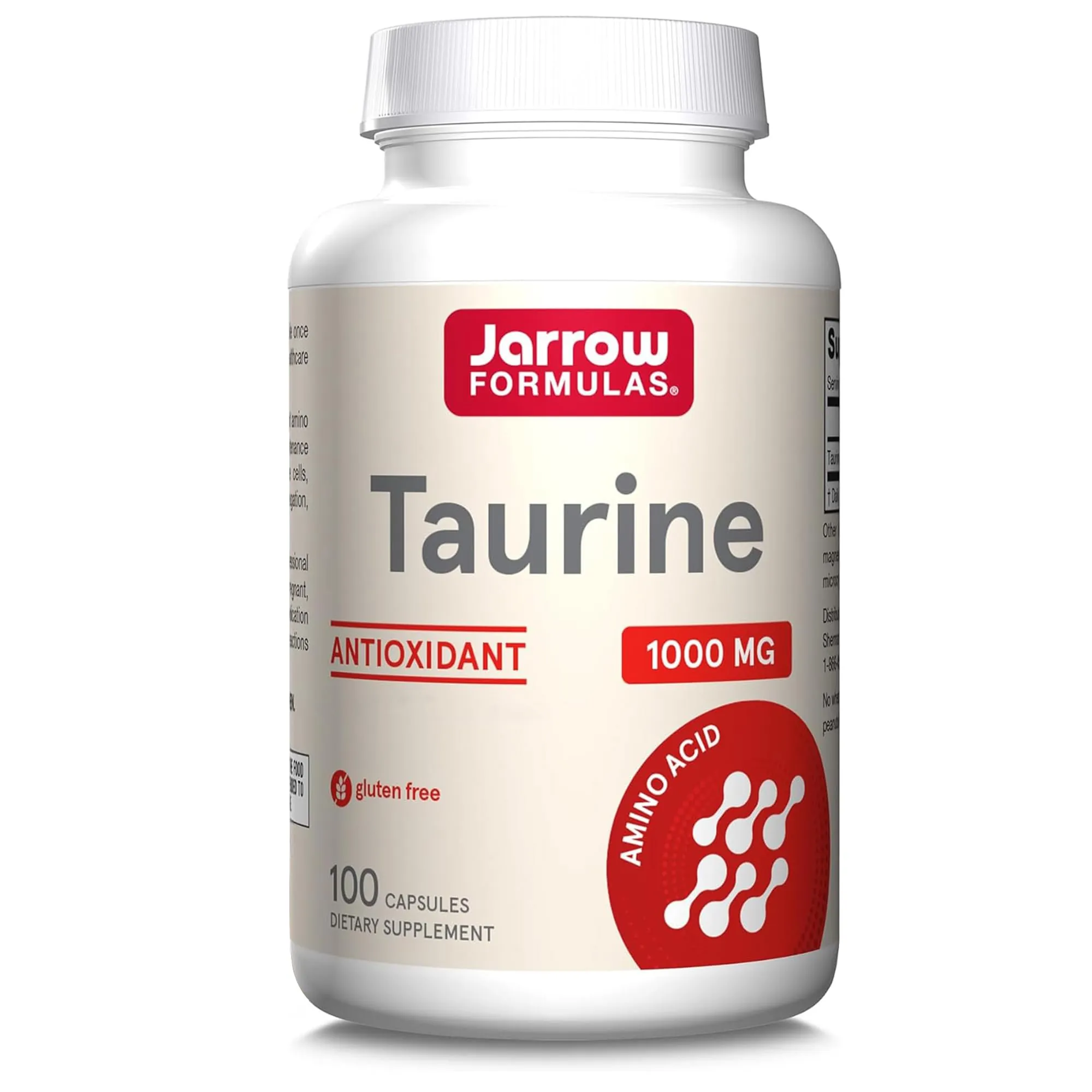
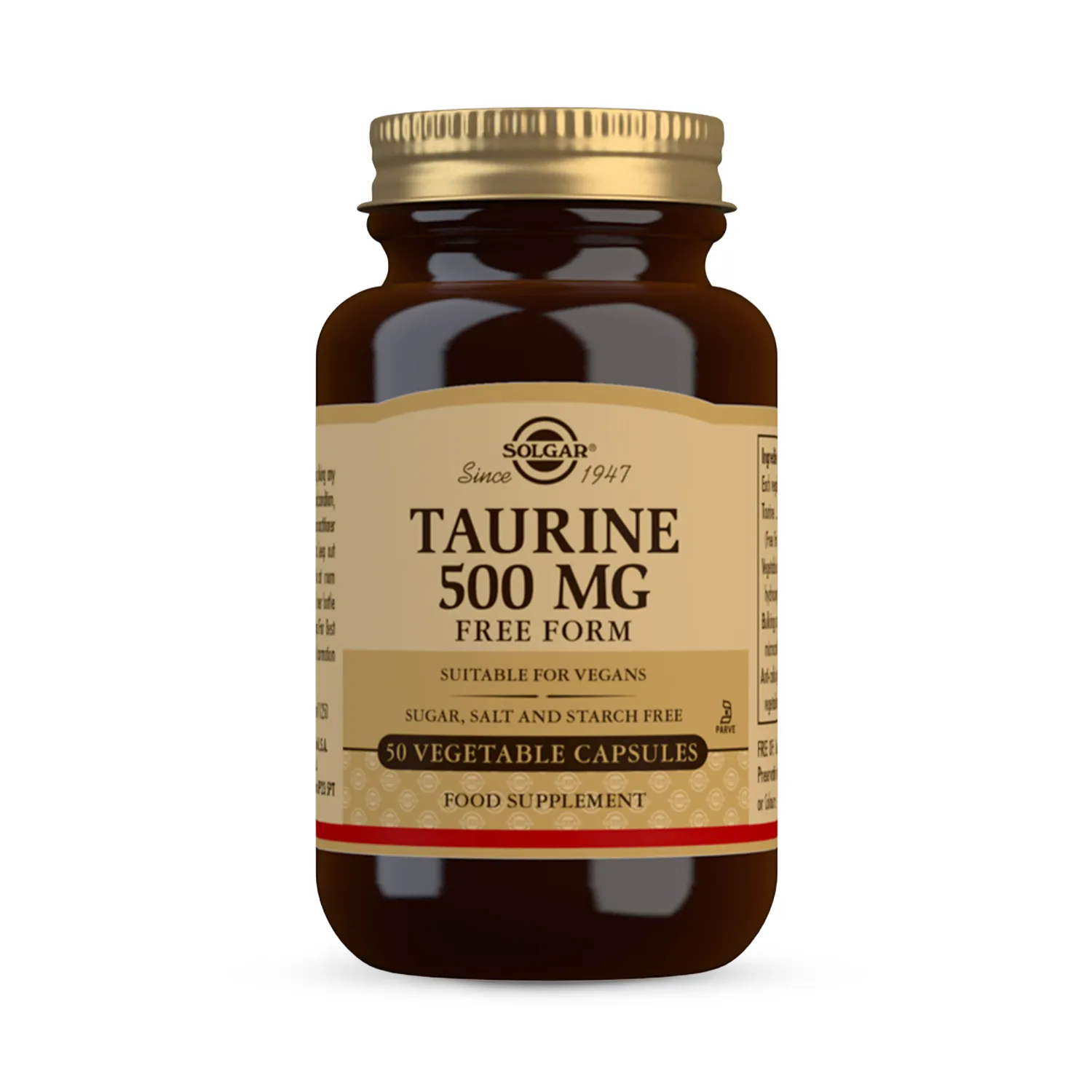
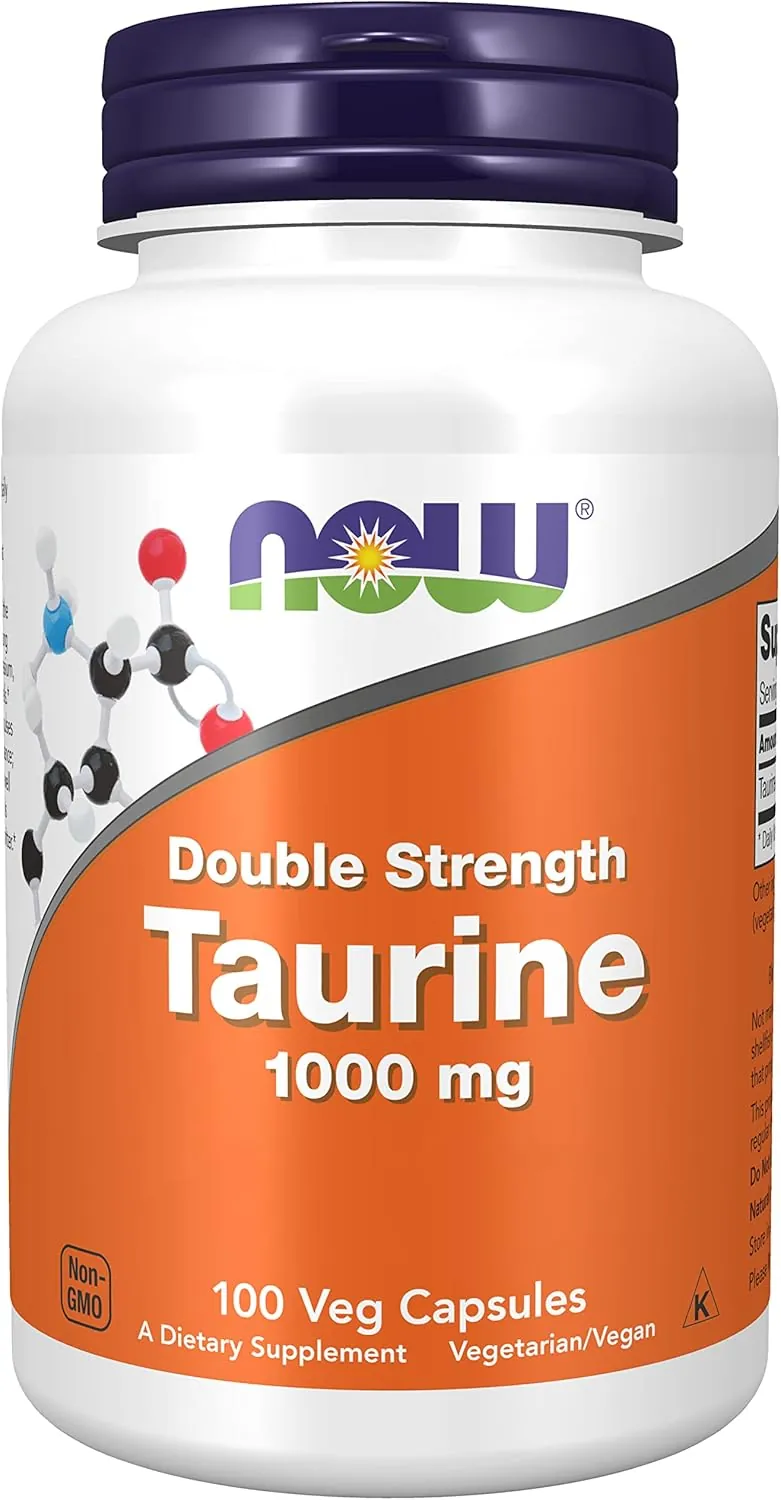

Check interactions with your other supplements
Add Taurine to our interactive Stack Analyzer and see how it works with everything else you take.
Add Taurine to your stack →Related Ingredients
Frequently Asked Questions
Available evidence suggests taurine is well-tolerated in healthy adults. EFSA's scientific review found no adverse effects associated with taurine intake up to 6,000 mg per day from all dietary sources combined. Human studies typically using 500–3,000 mg per day have not reported significant adverse effects. Individuals with impaired kidney function should seek guidance from a healthcare professional before supplementing, as the kidneys regulate amino acid excretion. Individual responses may vary.
Research suggests taurine may modestly support endurance performance. A 2018 meta-analysis by Waldron et al. in Sports Medicine found oral taurine supplementation produced small but statistically significant improvements in time-trial performance, potentially via reduced oxidative stress and enhanced calcium handling in skeletal muscle. Effects appear more consistent at doses of 1,000–2,000 mg taken one to two hours before exercise. Larger-scale trials are needed to confirm these findings, and individual responses may vary.
Taurine acts as an inhibitory neuromodulator by binding to GABA-A and glycine receptors in the brain — pathways associated with relaxation and sleep onset. Preclinical studies in rodents demonstrate reduced sleep latency following taurine administration, and it is commonly combined with magnesium and glycine in sleep-focused formulations. However, robust, double-blind human trials specifically investigating taurine's effects on sleep outcomes remain limited, so conclusions should be treated with appropriate caution.