Important: This page is for informational purposes only, based on published peer-reviewed research and official UK dietary guidelines (NHS, EFSA, SACN). It does not constitute medical advice. Always consult your GP or pharmacist before starting, stopping, or combining supplements.
Vitamin B1 — Forms, Dosage & Interactions
Also known as: thiamine, thiamin, b1, aneurin
Overview
Vitamin B1 — known chemically as thiamine (also spelt thiamin, and historically as aneurin) — is a water-soluble vitamin that the body cannot synthesise and must obtain from diet or supplementation. It is found naturally in wholegrains, legumes, pork, and nutritional yeast, and is also added to white flour by law in the UK under the Bread and Flour Regulations 1998. Thiamine is essential to energy metabolism and is particularly critical for the nervous system and heart muscle, both of which have high energy demands. Supplementation is most commonly pursued by individuals at risk of dietary insufficiency — including people with high alcohol intake, older adults, and those following highly refined diets — as well as those seeking to support energy levels or neurological health. The evidence base for thiamine is strongest in the context of frank deficiency, where it addresses conditions such as beriberi and Wernicke's encephalopathy. Research is also growing for the fat-soluble derivative benfotiamine, particularly for blood sugar management and peripheral nerve support. Individual responses to supplementation may vary depending on baseline nutritional status and overall diet.
UK Dosage Guidelines
| Guideline | Value | Source |
|---|---|---|
|
Reference Nutrient Intake (RNI)
The amount sufficient for most people |
1 mg | NHS / SACN |
Forms Comparison
Vitamin B1 is available in several supplemental forms. Bioavailability and suitability vary.
| Form Name | Bioavailability | Notes |
|---|---|---|
| Thiamine HCl | moderate | Most common supplemental form, water-soluble |
| Benfotiamine | high | Fat-soluble derivative, higher bioavailability, better tissue penetration |
When to Take Vitamin B1
Recommended Time
☀️ Morning — research suggests taking Vitamin B1 in the morning
Additional Notes
Water-soluble — morning with food. B vitamins may affect sleep if taken late.
With or Without Food
Research suggests taking Vitamin B1 with food for better absorption.
Known Interactions
2 known interactions with other supplements.
Magnesium is required for the activation of thiamine (B1). Research suggests that magnesium deficiency may impair thiamine utilisation even when B1 intake is adequate.
Action: Ensuring adequate magnesium intake may support thiamine function, particularly relevant for individuals with higher B1 requirements.
Read full analysis →B vitamins generally work synergistically as a family. Research suggests B1 and B12 together support nervous system function through complementary mechanisms.
Action: These are commonly found together in B-complex supplements. They can be taken together with food.
Read full analysis →Top Vitamin B1 Products on AIScored
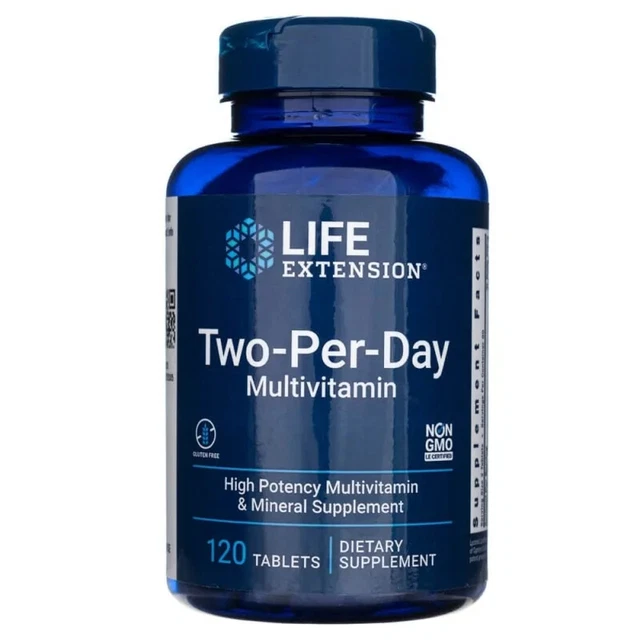
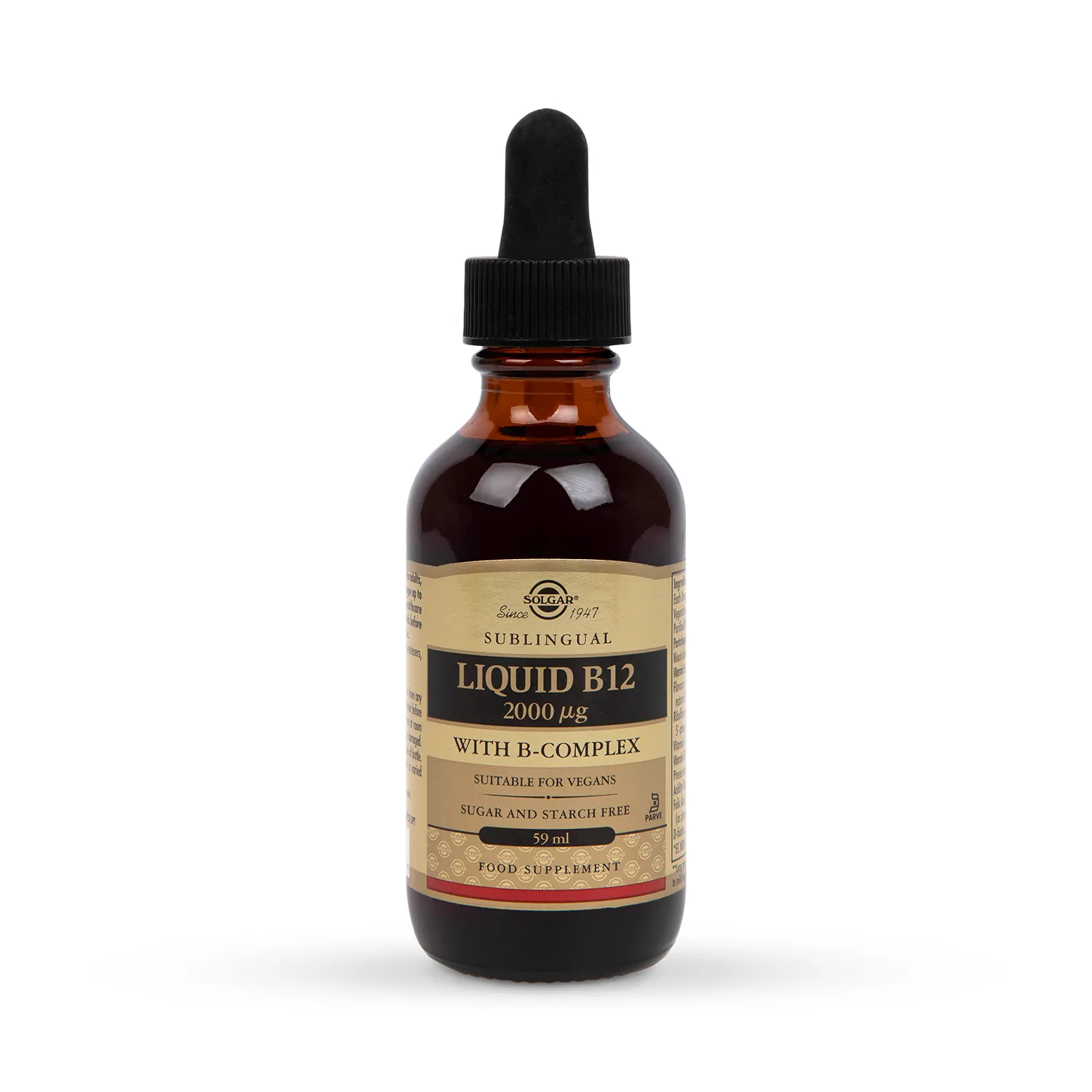
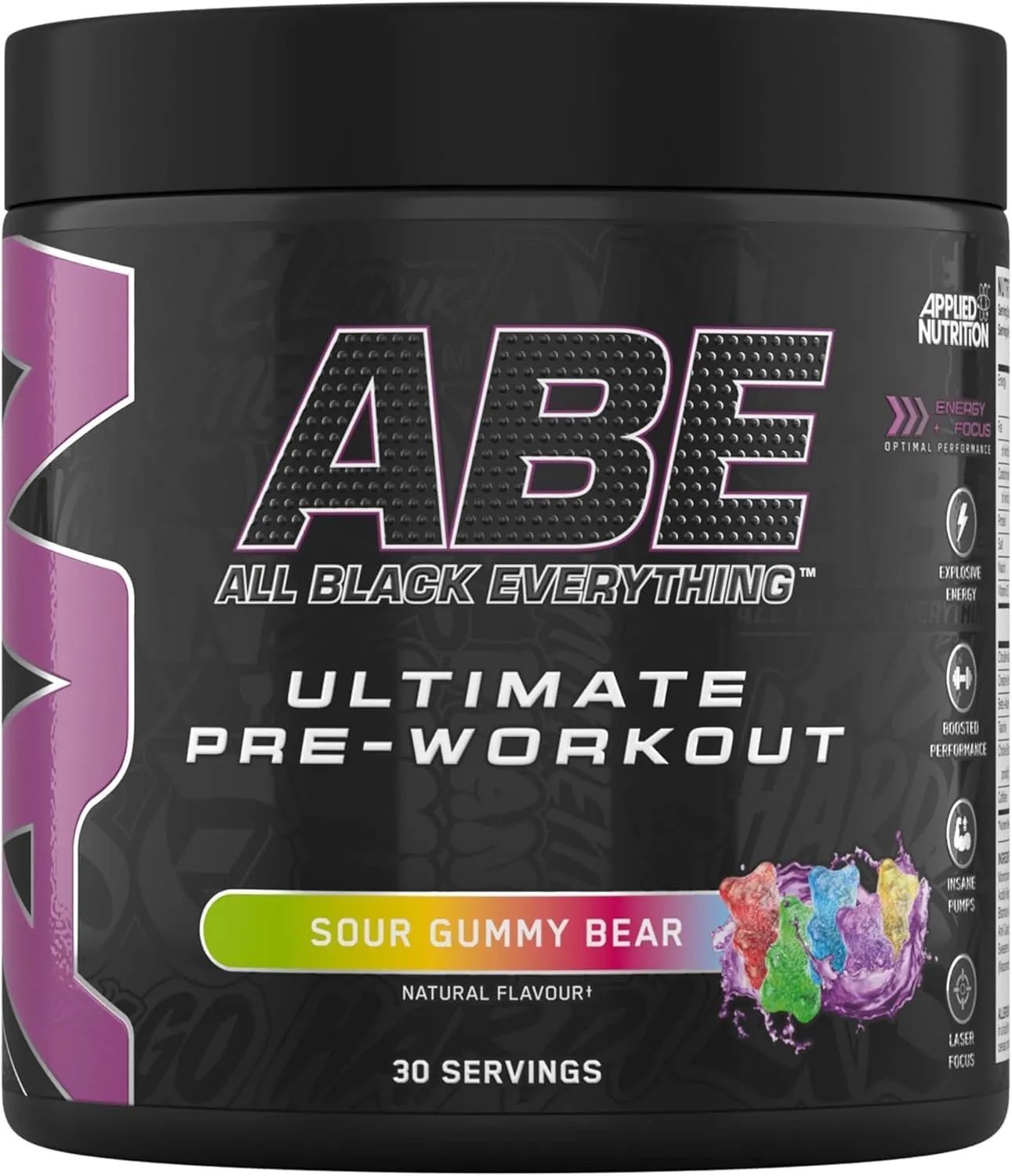
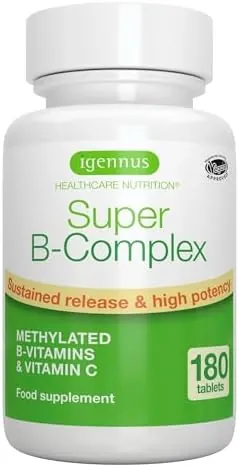
Igennus Super B-Complex - High Absorption Methylated B Vitamins, Clean Label, 180 Sustained Release Tablets - Complete Spectrum of B Vitamins with Folate, Boosted B12 & Vitamin C, 90 Servings


Shilajit Gummies with 50% Fulvic Acid & Ashwagandha - Energy Support & Brain Health
Check interactions with your other supplements
Add Vitamin B1 to our interactive Stack Analyzer and see how it works with everything else you take.
Add Vitamin B1 to your stack →Related Ingredients
Frequently Asked Questions
Thiamine hydrochloride (HCl) is the most widely used supplemental form — water-soluble, well-studied, and cost-effective. However, its intestinal absorption is limited by a saturable transport mechanism, meaning higher doses do not proportionally raise tissue levels. Benfotiamine is a fat-soluble thiamine derivative that bypasses this restriction, achieving significantly higher plasma and intracellular concentrations. Research suggests benfotiamine may be particularly relevant for applications requiring elevated intracellular thiamine, such as supporting peripheral nerve function. Individual responses may vary.
In the UK, thiamine insufficiency is most prevalent among people with alcohol dependence (alcohol impairs both intestinal absorption and renal reabsorption of thiamine), older adults in residential care, individuals with malabsorption conditions such as Crohn's disease or those who have undergone bariatric surgery, and people whose diets rely heavily on unfortified refined foods. NICE guideline CG115 specifically recommends high-dose thiamine for alcohol-dependent individuals at clinical risk.
EFSA has not established a tolerable upper intake level for thiamine, as no adverse effects from high oral doses have been reliably demonstrated in human studies. Because thiamine is water-soluble, excess amounts are excreted in urine rather than accumulating in tissue. Doses of 50–100 mg are commonly used in research and clinical settings without reported toxicity, though this should not be interpreted as a universal recommendation. Individual responses may vary and those with underlying health conditions should seek guidance from a qualified healthcare professional.