Important: This page is for informational purposes only, based on published peer-reviewed research and official UK dietary guidelines (NHS, EFSA, SACN). It does not constitute medical advice. Always consult your GP or pharmacist before starting, stopping, or combining supplements.
Vitamin B12 — Forms, Dosage & Interactions
Also known as: cobalamin, methylcobalamin, cyanocobalamin, b12
Overview
Vitamin B12 (cobalamin) is a water-soluble B vitamin essential for red blood cell formation, neurological function, and DNA synthesis. Unlike most water-soluble vitamins, the body stores B12 primarily in the liver, often sustaining reserves for several years — yet deficiency remains one of the most prevalent nutritional shortfalls in the UK. The NHS estimates B12 deficiency affects approximately 6% of adults under 60, rising to nearly 20% of those over 60, with higher rates among vegans and vegetarians due to the near-exclusive presence of B12 in animal-derived foods. Dietary sources include meat, fish, eggs, and dairy. For those following plant-based diets, fortified foods (plant milks, nutritional yeast) provide some B12, though amounts and absorption are variable, making supplementation particularly relevant. The evidence base for B12 supplementation is strong in the context of deficiency correction. Research also points to roles in homocysteine regulation, cognitive health maintenance, and neurological support. Individual responses may vary depending on baseline B12 status, age, and gastrointestinal absorption capacity — notably, many older adults produce less gastric acid, which impairs absorption of food-bound B12, though crystalline B12 in supplements bypasses this limitation and is generally better absorbed.
UK Dosage Guidelines
| Guideline | Value | Source |
|---|---|---|
|
Reference Nutrient Intake (RNI)
The amount sufficient for most people |
1.5 mcg | NHS / SACN |
Forms Comparison
Vitamin B12 is available in several supplemental forms. Bioavailability and suitability vary.
| Form Name | Bioavailability | Notes |
|---|---|---|
| Methylcobalamin | high | Active/coenzyme form, no conversion needed, preferred by practitioners |
| Cyanocobalamin | moderate | Synthetic, requires conversion, but most studied and shelf-stable |
| Hydroxocobalamin | high | Used in injections, longer retention in body |
When to Take Vitamin B12
Recommended Time
☀️ Morning — research suggests taking Vitamin B12 in the morning
Additional Notes
Water-soluble — morning preferred as it may support energy levels
With or Without Food
Research suggests taking Vitamin B12 on an empty stomach for optimal absorption.
Known Interactions
6 known interactions with other supplements.
Some older research raised concerns about Vitamin C degrading B12, but modern studies indicate this is not clinically significant at normal supplement doses.
Action: These can be taken together without concern at typical supplement doses.
Read full analysis →Both iron and Vitamin B12 are essential for red blood cell production. Deficiency in either can cause anaemia, and research suggests addressing both simultaneously when levels are low.
Action: If blood tests indicate both iron and B12 are low, supplementing both may be more effective than addressing one alone. They can generally be taken at the same time.
Read full analysis →B12 and folate are closely linked in the methylation cycle. Research indicates that B12 deficiency can trap folate in an unusable form, and supplementing one without the other may mask deficiency of the second.
Action: These are often taken together. Importantly, supplementing folate alone may mask B12 deficiency symptoms, so checking B12 status is advisable.
Read full analysis →B vitamins, particularly B12 and B6, may promote alertness and energy. Research suggests taking them in the morning rather than alongside melatonin in the evening.
Action: B vitamins are generally best taken in the morning with breakfast. Melatonin is taken 30-60 minutes before bed. Separating them by timing naturally resolves the conflict.
Read full analysis →B vitamins generally work synergistically as a family. Research suggests B1 and B12 together support nervous system function through complementary mechanisms.
Action: These are commonly found together in B-complex supplements. They can be taken together with food.
Read full analysis →Both Lion's Mane and Vitamin B12 support nervous system health. Research suggests they may be complementary for cognitive function and nerve health.
Action: These can be taken together. Lion's Mane is typically taken with food, and B12 can be taken any time.
Read full analysis →Top Vitamin B12 Products on AIScored
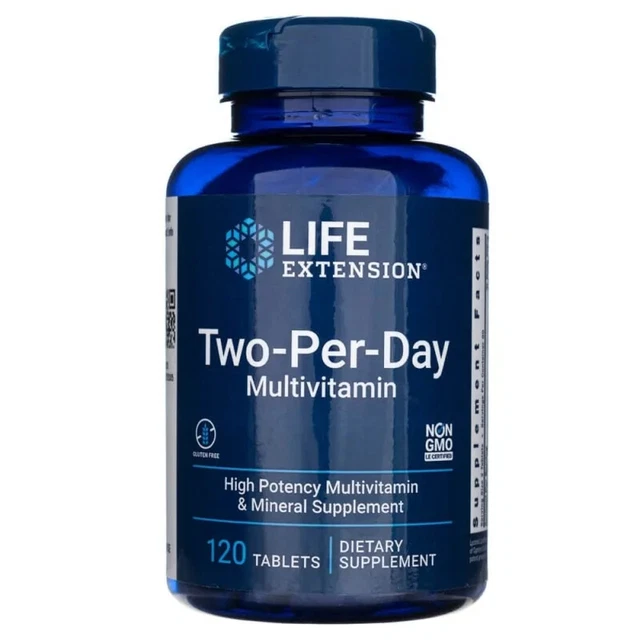
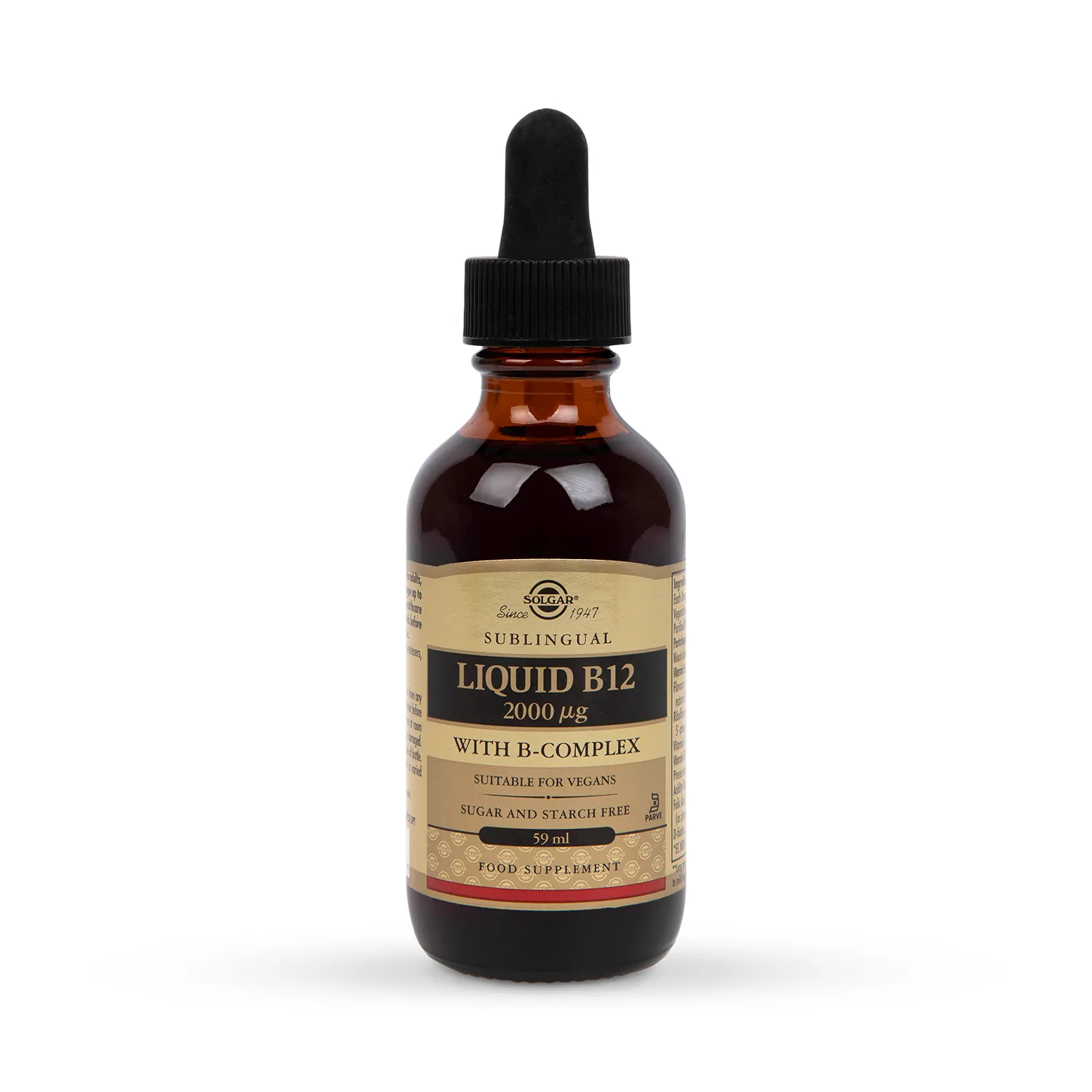
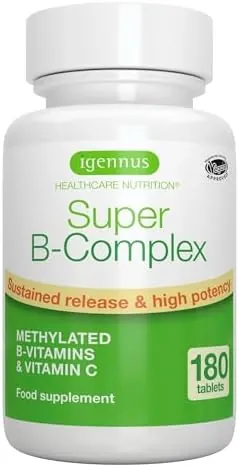
Igennus Super B-Complex - High Absorption Methylated B Vitamins, Clean Label, 180 Sustained Release Tablets - Complete Spectrum of B Vitamins with Folate, Boosted B12 & Vitamin C, 90 Servings


Shilajit Gummies with 50% Fulvic Acid & Ashwagandha - Energy Support & Brain Health
Check interactions with your other supplements
Add Vitamin B12 to our interactive Stack Analyzer and see how it works with everything else you take.
Add Vitamin B12 to your stack →Related Ingredients
Frequently Asked Questions
Methylcobalamin is the active coenzyme form of B12 used directly in cellular reactions without prior conversion. Cyanocobalamin is a synthetic, highly shelf-stable form that requires enzymatic conversion to active forms upon absorption. Both effectively raise serum B12 levels in research settings. Individual responses may vary; some practitioners prefer methylcobalamin for those who may have reduced conversion capacity, though the clinical significance of this distinction in healthy adults remains debated.
The NHS RDA of 1.5 mcg greatly underestimates supplementation needs for vegans, because only roughly 1–2% of a large oral dose is absorbed via passive diffusion once intrinsic factor-mediated absorption is saturated. Research by Pawlak et al. (2013, Nutrition Reviews) found widespread B12 insufficiency across vegan populations. Studies suggest consistent supplementation of at least 250 mcg daily — or 2,000 mcg weekly — effectively maintains B12 status. Individual needs vary based on dietary fortified food intake and absorption.
EFSA and the NHS have not established a tolerable upper intake level for B12, as excess is excreted renally and the nutrient has a well-established low-toxicity profile at typical supplementation doses (500–5,000 mcg). High-dose oral B12 is routinely used in clinical settings for deficiency correction. Some observational data have suggested a possible association between very high supplemental intakes and acne-like skin reactions, though causation is not established. Individuals with kidney conditions should seek guidance from a healthcare professional before supplementing.