Important: This page is for informational purposes only, based on published peer-reviewed research and official UK dietary guidelines (NHS, EFSA, SACN). It does not constitute medical advice. Always consult your GP or pharmacist before starting, stopping, or combining supplements.
Vitamin B2 — Forms, Dosage & Interactions
Also known as: riboflavin, b2, riboflavin-5-phosphate
Overview
Vitamin B2, formally known as riboflavin, is a water-soluble B vitamin that serves as the metabolic precursor to two critical coenzymes — flavin mononucleotide (FMN) and flavin adenine dinucleotide (FAD) — involved in over 100 enzymatic reactions throughout the body. Because riboflavin is not stored in significant quantities, regular dietary intake or supplementation is necessary to maintain adequate status. Riboflavin occurs naturally in dairy products, eggs, lean meats, oily fish, and leafy green vegetables. Most adults following a varied diet can meet the UK reference nutrient intake of 1.3 mg per day (NHS). However, those following plant-based or restricted diets, older adults, and individuals with certain malabsorption conditions may be at greater risk of marginal status. Beyond its well-established roles in energy metabolism and tissue maintenance, riboflavin has attracted particular clinical interest for migraine prevention at pharmacological doses (400 mg per day) and for its involvement in homocysteine regulation — especially in those carrying the common MTHFR 677C→T genetic variant. The European Food Safety Authority (EFSA) has approved multiple health claims for riboflavin, and its overall evidence base for core physiological roles is rated as strong. Individual responses to supplementation may vary.
UK Dosage Guidelines
| Guideline | Value | Source |
|---|---|---|
|
Reference Nutrient Intake (RNI)
The amount sufficient for most people |
1.3 mg | NHS / SACN |
Forms Comparison
Vitamin B2 is available in several supplemental forms. Bioavailability and suitability vary.
| Form Name | Bioavailability | Notes |
|---|---|---|
| Riboflavin | moderate | Standard form, adequate for most uses |
| Riboflavin-5-Phosphate (R5P) | high | Active coenzyme form, no conversion needed |
When to Take Vitamin B2
Recommended Time
☀️ Morning — research suggests taking Vitamin B2 in the morning
Additional Notes
Water-soluble. Bright yellow urine after taking is harmless — it is the excess being excreted.
With or Without Food
Research suggests taking Vitamin B2 with food for better absorption.
Known Interactions
1 known interaction with other supplements.
Both riboflavin (B2) and magnesium have been studied for migraine prevention. Research suggests the combination may be more effective than either alone.
Action: This combination is commonly used as a natural approach to migraine prevention. Both can be taken together with food.
Read full analysis →Top Vitamin B2 Products on AIScored
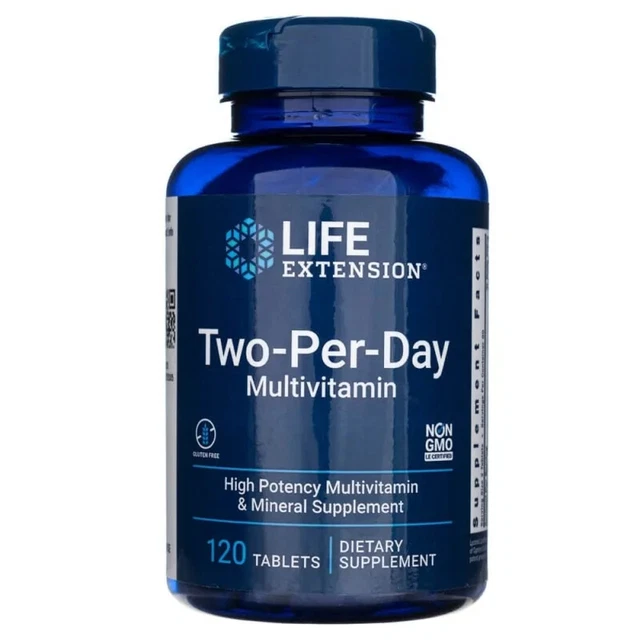
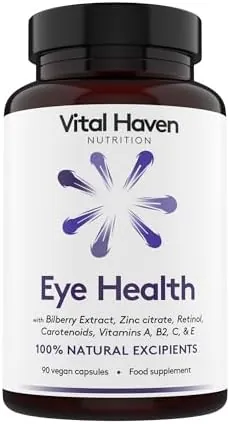
Eye Health Supplement - Meso Zeaxanthin + Lutein + Zeaxanthin + Bilberry and VIT C/A/E/B2 with Zinc - UK Made

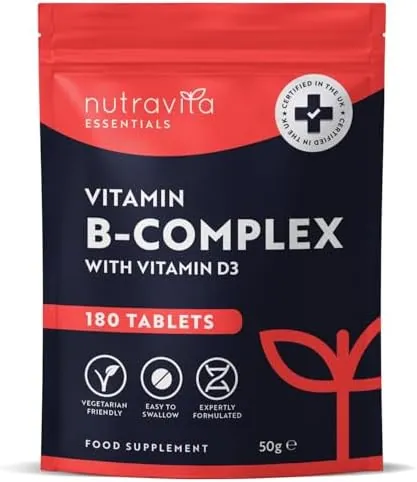
Nutravita Vitamin B Complex - 180 High Strength Tablets (6 Months Supply) - All 8 B Vitamins B1-B2-B5-B6-B12, Biotin, Folic Acid and Vitamin D3
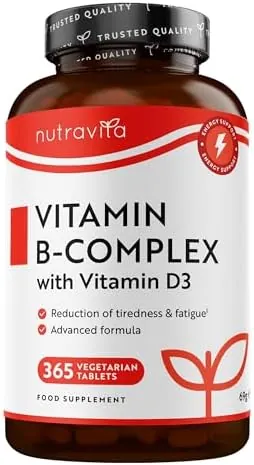
Nutravita Vitamin B Complex High Potency - 1 Full Year Supply - 8 Vitamins B1-B2-B3-B5-B6-B12, Biotin, Folic Acid & VIT D3 in 1 High Strength Micro Tablet - Reduction of Tiredness - Made in The UK

Check interactions with your other supplements
Add Vitamin B2 to our interactive Stack Analyzer and see how it works with everything else you take.
Add Vitamin B2 to your stack →Related Ingredients
Frequently Asked Questions
Research suggests high-dose riboflavin may reduce migraine frequency. A landmark randomised controlled trial by Schoenen et al. (1998, Neurology) found that 400 mg per day of riboflavin significantly outperformed placebo in reducing attack frequency and headache days over three months. The European Headache Federation cites riboflavin among options for migraine prophylaxis. Effects typically emerge after several weeks of consistent use, and individual responses may vary.
Riboflavin-5-Phosphate (R5P) is the active coenzyme form the body normally produces from standard riboflavin. Because R5P bypasses the enzymatic conversion step, it is theoretically more directly bioavailable — a potential advantage for individuals with impaired digestive function or genetic variants affecting riboflavin metabolism. However, direct comparative trials in healthy adults remain limited, and standard riboflavin is effective for most supplementation purposes. Individual responses may vary.
Research indicates riboflavin is a critical cofactor for the MTHFR enzyme, which regulates folate metabolism and homocysteine levels. Studies suggest individuals homozygous for the MTHFR 677C→T polymorphism — present in approximately 10–15% of the UK population — may experience elevated homocysteine that responds favourably to riboflavin supplementation. Those with this genotype may particularly benefit from ensuring adequate riboflavin status, though individual responses may vary based on overall dietary intake and baseline nutritional status.