Important: This page is for informational purposes only, based on published peer-reviewed research and official UK dietary guidelines (NHS, EFSA, SACN). It does not constitute medical advice. Always consult your GP or pharmacist before starting, stopping, or combining supplements.
Vitamin B3 — Forms, Dosage & Interactions
Also known as: niacin, nicotinamide, niacinamide, nicotinic acid, b3
Overview
Vitamin B3 is a water-soluble essential nutrient that occurs in two principal supplemental forms: nicotinic acid and nicotinamide (also called niacinamide). Both act as precursors to nicotinamide adenine dinucleotide (NAD+), a coenzyme involved in hundreds of enzymatic reactions governing energy metabolism, DNA repair, and cellular regulation. Dietary sources include meat, oily fish, wholegrains, mushrooms, and peanuts, with the body also capable of synthesising limited B3 from tryptophan. The NHS sets reference nutrient intakes of 16.5 mg/day for men and 13.2 mg/day for women. Supplementation interest has grown substantially due to research into nicotinamide's role in DNA repair and photoprotection. A randomised controlled trial by Chen et al. (2015, New England Journal of Medicine) found that oral nicotinamide 500 mg twice daily significantly reduced new non-melanoma skin cancers in high-risk individuals. Separately, nicotinic acid has a long clinical history in lipid management, though large-scale outcome trials have led to a reassessment of its role in this context. The overall evidence base is strongest for skin health and NAD+ biology. Individual responses may vary depending on supplemental form, dose, and metabolic background.
UK Dosage Guidelines
| Guideline | Value | Source |
|---|---|---|
|
Reference Nutrient Intake (RNI)
The amount sufficient for most people |
16.5 mg (men), 13.2 mg (women) | NHS / SACN |
|
Tolerable Upper Level (UL)
Maximum daily intake unlikely to cause harm |
10 mg nicotinic acid (flushing); no UL for nicotinamide (EFSA) | EFSA / SACN |
Forms Comparison
Vitamin B3 is available in several supplemental forms. Bioavailability and suitability vary.
| Form Name | Bioavailability | Notes |
|---|---|---|
| Nicotinamide (Niacinamide) | high | No-flush form, preferred for general supplementation and skin health |
| Nicotinic Acid | high | Causes flushing but used therapeutically for lipid management |
| Inositol Hexanicotinate | moderate | Marketed as 'flush-free niacin', slower release |
When to Take Vitamin B3
Recommended Time
☀️ Morning — research suggests taking Vitamin B3 in the morning
Additional Notes
Water-soluble. Nicotinic acid form causes flushing at >10 mg; nicotinamide does not.
With or Without Food
Research suggests taking Vitamin B3 with food for better absorption.
Known Interactions
2 known interactions with other supplements.
If taking individual B6 alongside a B-complex or multivitamin containing B6, the combined dose may exceed the tolerable upper limit (25mg/day in the UK, 100mg/day per EFSA). Chronic high-dose B6 may cause peripheral neuropathy.
Action: Total B6 from all supplement sources combined is best kept below 100mg/day long-term. Symptoms of B6 excess include tingling in hands and feet.
Read full analysis →Both niacin and chromium are involved in glucose and lipid metabolism. Research suggests chromium as part of the glucose tolerance factor (GTF) may work with niacin to support insulin sensitivity.
Action: These can be taken together. Both are relevant for metabolic health support.
Read full analysis →Top Vitamin B3 Products on AIScored
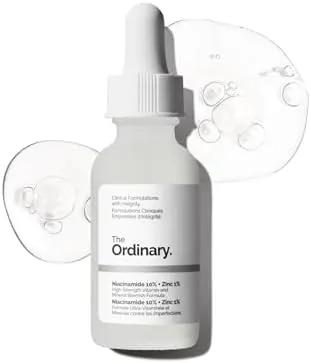
The Ordinary Niacinamide 10% + Zinc 1%, Brightening & Smoothing Serum for Blemish-Prone Skin, 30ml
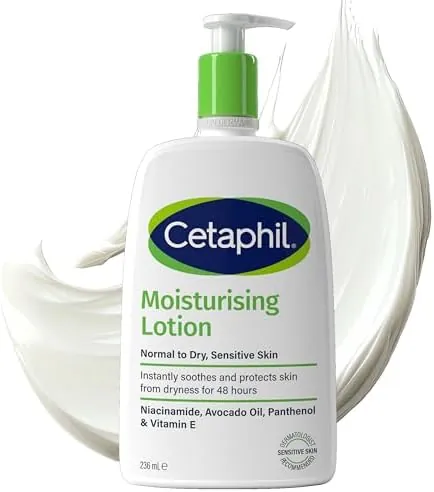
Cetaphil Moisturising Lotion, 236ml, Face & Body Moisturiser, For Normal To Dry Sensitive Skin, With Niacinamide, Packaging May Vary
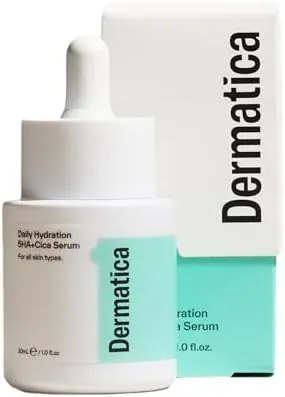
Dermatica Daily Hydration 5HA+Cica Serum – Lightweight Face Serum with 5 Types of Hyaluronic Acid, Cica & Niacinamide for Deep Hydration, Barrier Support & Plumper-Looking Skin

PURITO TXA 6% Niacinamide 10 Retinal Facial Serum, for Dark Spots, Post-Acne Marks, Uneven Tone & Hyperpigmentation, 16% Triple Active Formula for Clear Skin, Korean skincare, 30mL 1.01 fl.oz
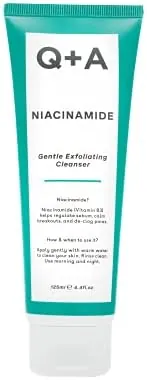
Q+A Niacinamide Gentle Exfoliating Face Cleanser (125ml), Face Scrub, Exfoliating Face Wash with Jojoba Esters and Prebiotics, Cleanses While Calming Sensitivity and Blemish-Prone Skin, Fragrance Free
Check interactions with your other supplements
Add Vitamin B3 to our interactive Stack Analyzer and see how it works with everything else you take.
Add Vitamin B3 to your stack →Related Ingredients
Frequently Asked Questions
Both forms provide vitamin B3 and support NAD+ synthesis, but differ markedly in tolerability. Nicotinic acid (niacin) causes cutaneous flushing at doses above approximately 50 mg due to prostaglandin release via GPR109A receptor activation. Nicotinamide (niacinamide) does not activate this receptor and is generally better tolerated, making it the preferred form for general supplementation and skin health applications. Individual responses may vary.
Research suggests nicotinamide has clinically relevant effects on skin integrity and photoprotection. Chen et al. (2015, N Engl J Med) demonstrated in a phase 3 randomised trial that 500 mg nicotinamide twice daily significantly reduced rates of new non-melanoma skin cancers and actinic keratoses in high-risk participants. This evidence applies specifically to high-risk individuals; generalised population benefits have not been established to the same degree.
EFSA sets an upper tolerable intake of 10 mg/day for nicotinic acid due to flushing effects at higher doses. No formal upper intake level has been established for nicotinamide, though doses exceeding 3,000 mg/day have been associated with adverse hepatic effects in some studies. Standard supplemental doses of 50–500 mg nicotinamide are considered well-tolerated in the published literature. Individuals considering high-dose regimens should consult a qualified healthcare professional.