Important: This page is for informational purposes only, based on published peer-reviewed research and official UK dietary guidelines (NHS, EFSA, SACN). It does not constitute medical advice. Always consult your GP or pharmacist before starting, stopping, or combining supplements.
Vitamin B5 — Forms, Dosage & Interactions
Also known as: pantothenic acid, pantothenate, b5, calcium pantothenate
Overview
Vitamin B5, known chemically as pantothenic acid, is a water-soluble B vitamin essential to energy metabolism and the synthesis of coenzyme A (CoA) — a cofactor involved in over 400 enzymatic reactions across the body. Its name derives from the Greek pantothen, meaning 'from everywhere', reflecting its widespread occurrence in meat, fish, eggs, dairy, legumes, and wholegrains. Outright deficiency is exceedingly rare in the UK population. Supplementation is most commonly studied in two contexts: cardiovascular risk management using the active metabolite pantethine at higher doses (600–900 mg/day), and skin health, particularly acne management using calcium D-pantothenate at doses around 500–2,000 mg/day. Evidence in both areas is considered moderate — showing directional effects in controlled trials but requiring larger confirmatory studies. B5 is also a standard inclusion in B-complex and multivitamin formulations at lower doses (5–50 mg) for general energy metabolism support. EFSA has set an Adequate Intake (AI) of 5 mg/day for adults but has not established a formal Recommended Dietary Allowance or Tolerable Upper Intake Level, reflecting the broad dietary availability of B5 and its favourable safety profile. Individual responses to supplementation may vary.
UK Dosage Guidelines
| Guideline | Value | Source |
|---|---|---|
|
Reference Nutrient Intake (RNI)
The amount sufficient for most people |
No established UK RDA (AI: 5 mg) | NHS / SACN |
Forms Comparison
Vitamin B5 is available in several supplemental forms. Bioavailability and suitability vary.
| Form Name | Bioavailability | Notes |
|---|---|---|
| Calcium D-Pantothenate | moderate | Standard supplemental form |
| Pantethine | high | Active form, studied for lipid support at 600-900 mg/day |
When to Take Vitamin B5
Recommended Time
☀️ Morning — research suggests taking Vitamin B5 in the morning
Additional Notes
Water-soluble. Ubiquitous in food — deficiency very rare.
With or Without Food
Research suggests taking Vitamin B5 with food for better absorption.
Known Interactions
1 known interaction with other supplements.
Pantothenic acid (B5) is a precursor to Coenzyme A, which is involved in CoQ10 biosynthesis. Research suggests adequate B5 may support the body's CoQ10 production.
Action: These can be taken together. Both support energy metabolism.
Read full analysis →Top Vitamin B5 Products on AIScored
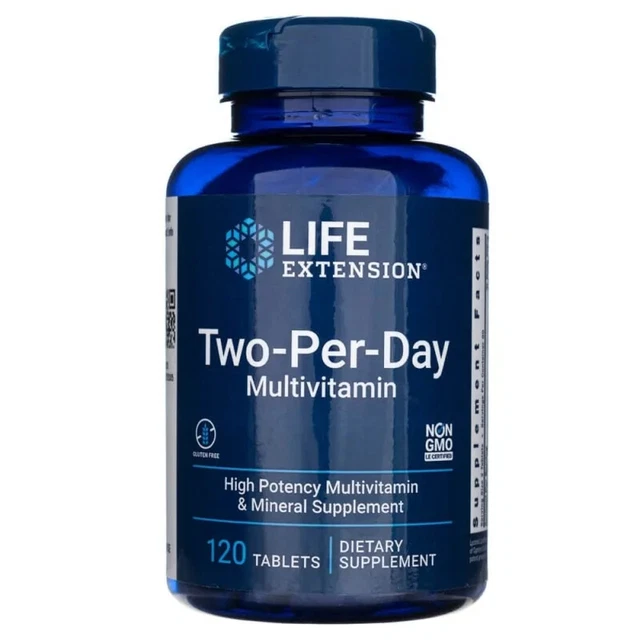
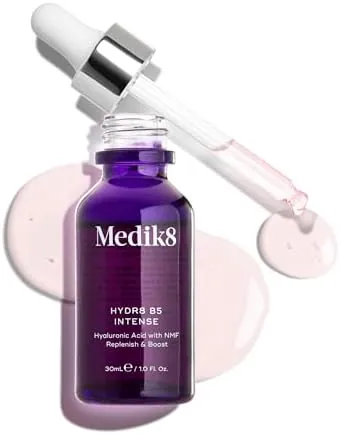
Medik8 Hydr8 B5 Intense - Supercharged Multi-Weight Hyaluronic Acid Serum - Replenishes, Smooths & Plumps Skin - Ideal For Normal to Dry Skin Types - 30ml

Advanced Hydrolysed Marine Liquid Collagen Couples Supply (2x 28-Day Supply)
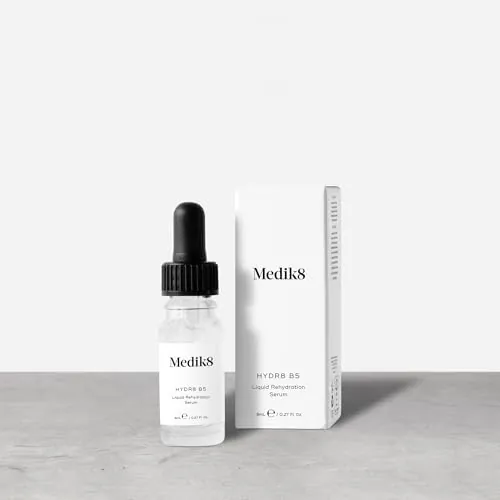
Medik8 Hydr8 B5 Travel Size - Liquid Rehydration Serum With Hyaluronic Acid - Replenishes, Smooths & Plumps Skin - Ideal For Normal to Sensitive Skin Types - 8ml
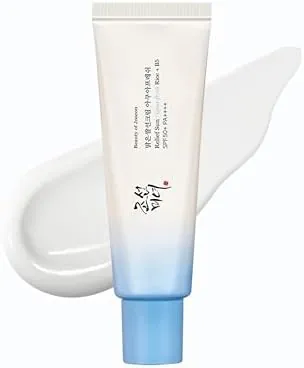
Beauty of Joseon Aqua Fresh Relief Sun : B5 Rice (Spf50 Pa) By

Check interactions with your other supplements
Add Vitamin B5 to our interactive Stack Analyzer and see how it works with everything else you take.
Add Vitamin B5 to your stack →Related Ingredients
Frequently Asked Questions
The appropriate dose depends on the intended purpose. General multivitamins and B-complex products typically supply 5–50 mg, which aligns with meeting adequate intake. Research on lipid management has used pantethine at 600–900 mg/day, whilst acne studies have employed calcium D-pantothenate at higher doses. As EFSA has not set a Tolerable Upper Intake Level, individual responses may vary. It is advisable to follow the product label and consult a healthcare professional for higher-dose regimens.
Yes. Pantethine is a biologically active derivative — a disulphide dimer of pantetheine, an intermediate between pantothenic acid and coenzyme A — and is generally regarded as having higher bioavailability. It has been more specifically studied for lipid metabolism support (Rumberger et al., 2011, Nutrition Research). Standard supplements contain calcium D-pantothenate, a stable salt of pantothenic acid, which is less expensive. Pantethine is sold separately at higher cost for targeted cardiovascular support.
Research suggests a possible role. Leung (1995, Medical Hypotheses) proposed that relative B5 insufficiency impairs CoA-mediated fatty acid metabolism, leading to excess sebum production. A subsequent randomised, double-blind, placebo-controlled trial found that a pantothenic acid-based supplement significantly reduced facial lesion counts versus placebo in adults with mild to moderate acne (Bissett et al., 2014, Dermatology and Therapy). Evidence remains preliminary and individual responses may vary. Pantothenic acid does not treat acne and is not a substitute for dermatological care.