Important: This page is for informational purposes only, based on published peer-reviewed research and official UK dietary guidelines (NHS, EFSA, SACN). It does not constitute medical advice. Always consult your GP or pharmacist before starting, stopping, or combining supplements.
Vitamin C — Forms, Dosage & Interactions
Also known as: ascorbic acid, l-ascorbic acid, ascorbate
Overview
Vitamin C (ascorbic acid) is a water-soluble essential micronutrient that humans cannot synthesise endogenously, making regular dietary intake or supplementation necessary to maintain adequate status. It is one of the most extensively researched vitamins, with a broad and well-established evidence base across immune function, connective tissue formation, and antioxidant defence. As a cofactor for several biosynthetic enzymes, vitamin C participates in the production of collagen, L-carnitine, and certain neurotransmitters, meaning its roles extend well beyond simple antioxidant activity. Research suggests supplementation may be particularly relevant for individuals with low dietary intake, smokers — who experience elevated oxidative stress and accelerated vitamin C turnover — and those under sustained physical or psychological stress. In the UK, the NHS recommends 40 mg per day for adults, a target largely achievable through a varied diet; however, supplementation at doses of 250–1,000 mg is widely practised for immune support, especially during winter months. The overall evidence base is considered strong, though the magnitude of benefit is influenced substantially by baseline nutritional status. Individual responses may vary, and those with existing health conditions should seek guidance from a qualified healthcare professional before supplementing.
UK Dosage Guidelines
| Guideline | Value | Source |
|---|---|---|
|
Reference Nutrient Intake (RNI)
The amount sufficient for most people |
40 mg | NHS / SACN |
|
Tolerable Upper Level (UL)
Maximum daily intake unlikely to cause harm |
1,000 mg | EFSA / SACN |
Forms Comparison
Vitamin C is available in several supplemental forms. Bioavailability and suitability vary.
| Form Name | Bioavailability | Notes |
|---|---|---|
| Ascorbic Acid | high | Most studied form, affordable, but may cause stomach upset at high doses |
| Sodium Ascorbate | high | Buffered, gentler on stomach |
| Liposomal Vitamin C | high | Enhanced absorption via lipid encapsulation, higher cost |
When to Take Vitamin C
Recommended Time
🕑 Any — can be taken at this time
Additional Notes
Water-soluble — can be taken any time. Split doses improve absorption at higher amounts.
With or Without Food
Research suggests taking Vitamin C on an empty stomach for optimal absorption.
Known Interactions
9 known interactions with other supplements.
Some older research raised concerns about Vitamin C degrading B12, but modern studies indicate this is not clinically significant at normal supplement doses.
Action: These can be taken together without concern at typical supplement doses.
Read full analysis →Vitamin C is an essential cofactor for collagen synthesis. Research indicates that without adequate Vitamin C, the body cannot properly hydroxylate proline and lysine residues needed for stable collagen formation.
Action: Taking collagen supplements alongside Vitamin C may support the body's ability to utilise the supplemental collagen peptides.
Read full analysis →Both NAC and Vitamin C support the body's glutathione system. Research suggests they may have complementary antioxidant effects through different mechanisms.
Action: These can be taken together. NAC is often taken on an empty stomach, while Vitamin C can be taken with or without food.
Read full analysis →Research suggests Vitamin C can regenerate Vitamin E after it has neutralised a free radical, extending its antioxidant capacity.
Action: These can be taken together as part of an antioxidant strategy. Vitamin E with a fat-containing meal, Vitamin C any time.
Read full analysis →Research suggests Vitamin C and selenium may have complementary antioxidant effects. However, very high-dose Vitamin C taken simultaneously may reduce selenite absorption.
Action: At typical supplement doses, these can be taken together. If taking high-dose Vitamin C (>1000mg), separating from selenium by an hour may be prudent.
Read full analysis →Both elderberry and Vitamin C are commonly used for immune support. Research suggests they may have complementary effects on immune function.
Action: This combination is popular during cold and flu season. Both can be taken together.
Read full analysis →Zinc and Vitamin C are frequently combined for immune support. Research suggests both independently support immune function and may have additive benefits.
Action: These are commonly found together in cold/immune supplements. They can be taken at the same time.
Read full analysis →Vitamin C significantly enhances non-heme iron absorption. Studies indicate it can increase iron uptake by 2-3 times when taken together.
Action: Taking iron with a source of Vitamin C (supplement or citrus juice) is a well-established strategy to improve absorption.
Read full analysis →Very high-dose Vitamin C (>1500mg/day) may reduce copper absorption over time. Research suggests monitoring copper status if taking megadose ascorbic acid long-term.
Action: At typical supplement doses (up to 1000mg), this interaction is unlikely to be significant. Megadose users may benefit from periodic copper status checks.
Read full analysis →Top Vitamin C Products on AIScored
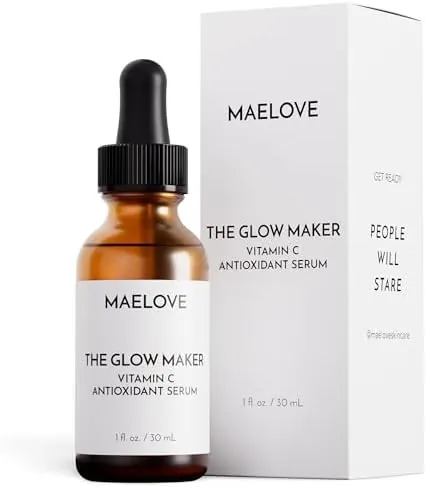
MAELOVE Vitamin C Serum, Glow Maker with Vitamins C, E, Ferulic Acid and Hyaluronic Acid, Fragrance-Free, Award-Winning Highlighting and Moisturizing Face Serum, 50 ml
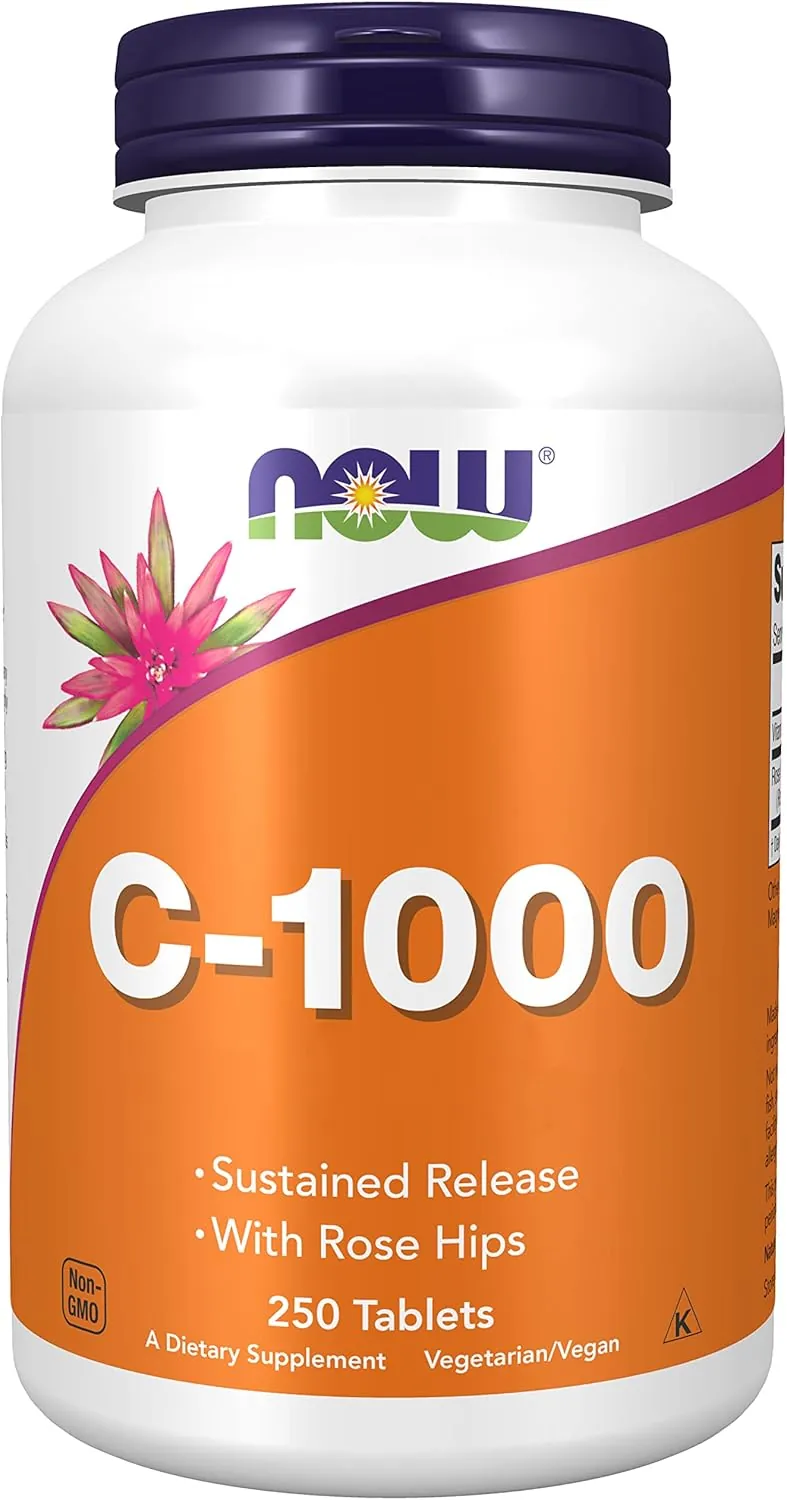
NOW Foods Vitamin C-1000 with Rose Hips & Bioflavonoids - 250 Tablets

Advanced Hydrolysed Marine Liquid Collagen Couples Supply (2x 28-Day Supply)
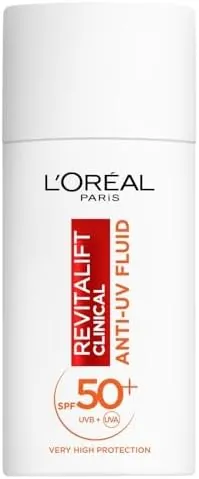
L’Oréal Paris Revitalift Clinical SPF 50+ Invisible UV Fluid, Protect, Prevent and Improve Ageing Signs, Non-Oily Formula for All Skin Tones, Advanced UV Protection and Antioxidant Vitamin C, 50ml
Check interactions with your other supplements
Add Vitamin C to our interactive Stack Analyzer and see how it works with everything else you take.
Add Vitamin C to your stack →Related Ingredients
Frequently Asked Questions
A Cochrane review by Hemilä and Chalker (2013) found that regular vitamin C supplementation does not significantly reduce cold incidence in the general population. However, it may modestly shorten cold duration and reduce symptom severity. Among individuals under high physical stress — such as marathon runners and military personnel — supplementation was associated with up to a 50% reduction in cold incidence. Individual responses may vary.
Ascorbic acid is the most studied and cost-effective form, with high bioavailability, though its acidity may cause gastrointestinal discomfort at higher doses. Buffered forms such as sodium ascorbate are mineral salts with a higher pH, which are generally better tolerated by those with a sensitive stomach. Liposomal vitamin C uses lipid encapsulation to potentially enhance cellular uptake, though head-to-head clinical evidence comparing it to standard oral forms remains limited.
The NHS advises against taking more than 1,000 mg of supplemental vitamin C per day. Above this threshold, common adverse effects include nausea, diarrhoea, and abdominal cramping — collectively termed 'osmotic diarrhoea'. Prolonged high-dose intake may also elevate urinary oxalate excretion, raising theoretical risk of kidney stones in susceptible individuals. EFSA notes that vitamin C from food alone is unlikely to cause harm; caution is warranted with high-dose supplements.