Important: This page is for informational purposes only, based on published peer-reviewed research and official UK dietary guidelines (NHS, EFSA, SACN). It does not constitute medical advice. Always consult your GP or pharmacist before starting, stopping, or combining supplements.
Vitamin D3 — Forms, Dosage & Interactions
Also known as: cholecalciferol, vitamin d, d3, sunshine vitamin
Overview
Vitamin D3 (cholecalciferol) is a fat-soluble vitamin that functions as a prohormone, playing a fundamental role in calcium and phosphate metabolism, bone mineralisation, and immune regulation. Unlike most micronutrients, the body can synthesise vitamin D3 endogenously: ultraviolet B (UVB) radiation converts 7-dehydrocholesterol in the skin to pre-vitamin D3, which is subsequently converted to cholecalciferol. In the UK, however, the seasonal angle of the sun means adequate cutaneous synthesis is only achievable from approximately April to September, making supplementation important for a significant proportion of the population during autumn and winter months. Supplementation is among the most evidence-backed in the consumer market. The Scientific Advisory Committee on Nutrition (SACN) 2016 review confirmed vitamin D's established role in musculoskeletal health and noted emerging evidence across immune function and other physiological processes. A meta-analysis of 18 randomised controlled trials published in Archives of Internal Medicine (PMID 21154195) found that D3 supplementation was associated with a statistically significant decrease in all-cause mortality, lending support to broad supplementation in populations with inadequate sun exposure. Common reasons for supplementation include prevention of deficiency, bone health support, immune function maintenance, and general wellbeing. Individual responses to supplementation may vary based on baseline serum 25(OH)D levels, body composition, and genetic polymorphisms affecting vitamin D metabolism.
UK Dosage Guidelines
| Guideline | Value | Source |
|---|---|---|
|
Reference Nutrient Intake (RNI)
The amount sufficient for most people |
10 mcg (400 IU) | NHS / SACN |
|
Tolerable Upper Level (UL)
Maximum daily intake unlikely to cause harm |
100 mcg (4,000 IU) | EFSA / SACN |
Forms Comparison
Vitamin D3 is available in several supplemental forms. Bioavailability and suitability vary.
| Form Name | Bioavailability | Notes |
|---|---|---|
| Cholecalciferol (D3) | high | Preferred form; raises serum 25(OH)D more effectively than D2 |
| Ergocalciferol (D2) | moderate | Vegan-friendly (plant/fungal) but less potent per IU |
When to Take Vitamin D3
Recommended Time
☀️ Morning — research suggests taking Vitamin D3 in the morning
Additional Notes
Fat-soluble — better absorbed with a meal containing dietary fat
With or Without Food
Research suggests taking Vitamin D3 with food for better absorption.
Known Interactions
10 known interactions with other supplements.
Research suggests Vitamin K2 helps direct calcium mobilised by Vitamin D3 to bones rather than soft tissue, potentially reducing arterial calcification risk.
Action: These are commonly taken together with a meal containing fat, as both are fat-soluble.
Read full analysis →Magnesium is a cofactor in Vitamin D metabolism. Research suggests adequate magnesium is necessary for the body to activate and utilise Vitamin D3 effectively.
Action: Ensuring adequate magnesium intake alongside Vitamin D3 supplementation may improve D3 utilisation.
Read full analysis →Vitamin D3 is essential for calcium absorption. However, combining high-dose D3 with high-dose calcium supplementation may increase the risk of hypercalcaemia. Research suggests monitoring total calcium intake (diet + supplements) to stay within recommended ranges.
Action: Vitamin D3 enhances calcium absorption. When supplementing both, total daily calcium intake (including dietary sources) ideally stays within 1000-1200mg for most adults. High-dose Vitamin D3 (>4000 IU) may warrant serum calcium monitoring.
Read full analysis →Emerging research suggests boron may help the body retain and utilise Vitamin D more effectively by inhibiting its degradation. Some studies indicate boron supplementation increases serum 25(OH)D levels. At very high D3 doses (>10,000 IU), this reduced clearance may theoretically contribute to Vitamin D excess.
Action: Boron is typically taken in small amounts (3-6mg). It may complement Vitamin D3 supplementation at standard doses (1000-4000 IU), particularly in individuals with low dietary boron intake.
Read full analysis →Research suggests omega-3 fatty acids and Vitamin D3 may have complementary anti-inflammatory and immune-supporting effects. The VITAL study examined their combined benefits.
Action: Taking Vitamin D3 with omega-3 (fish oil) provides the fat needed for D3 absorption. They can be taken together at a meal.
Read full analysis →Emerging research suggests combining creatine and Vitamin D3 may have additive benefits for bone health and muscle function, particularly in older adults.
Action: Both can be taken together. Creatine with a meal, Vitamin D3 with a fat-containing meal.
Read full analysis →Emerging research suggests probiotics may enhance Vitamin D status. Some strains appear to improve 25(OH)D levels, possibly through gut-mediated mechanisms.
Action: These can be taken together. Both support immune function through different pathways.
Read full analysis →Both Vitamin A and D3 are fat-soluble and stored in the body. Research suggests high-dose retinol (preformed Vitamin A) may antagonise Vitamin D's bone-protective effects.
Action: Total retinol intake (diet + supplements) above 1500mcg/day may interfere with Vitamin D3 benefits. Beta-carotene (provitamin A) does not carry this risk.
Read full analysis →Both are fat-soluble vitamins that accumulate in adipose tissue. Research suggests monitoring combined intake from multiple supplement sources to avoid exceeding upper limits.
Action: Vitamin D3 UL is 4000 IU/day (EFSA) though some researchers argue for higher. Vitamin E UL is 1000mg/day (alpha-tocopherol). Checking combined intake from all supplements is prudent.
Read full analysis →Research suggests curcumin and Vitamin D3 may have complementary anti-inflammatory and immune-modulating effects. Both influence NF-kB and other inflammatory pathways.
Action: Both can be taken with a fat-containing meal. The fat improves absorption of both curcumin and Vitamin D3.
Read full analysis →Key Studies
1 peer-reviewed study cited. All links lead to PubMed abstracts.
Arch Intern Med (2007) · PMID: 21154195
Meta-analysis of 18 RCTs: D3 supplementation associated with decreased mortality
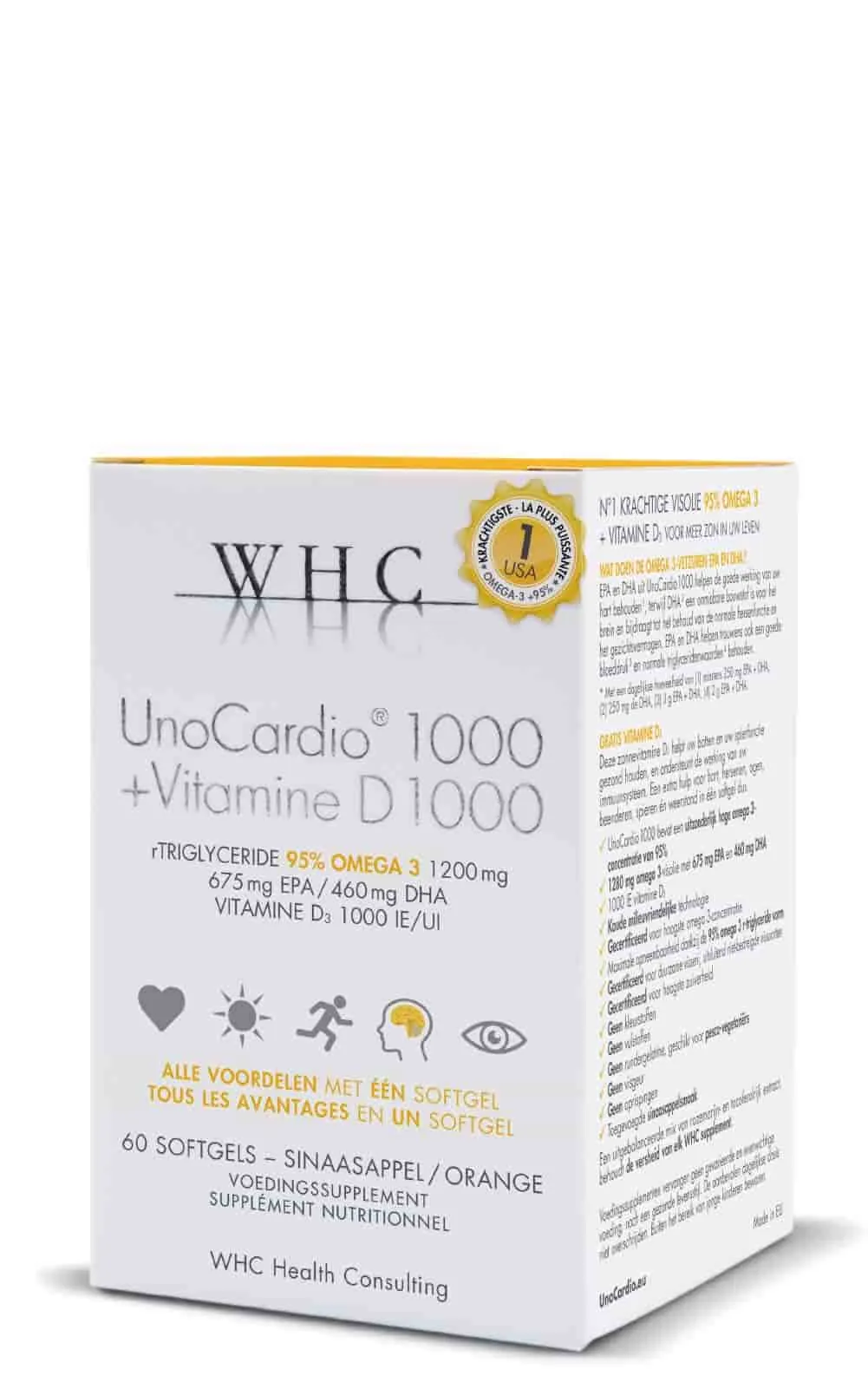
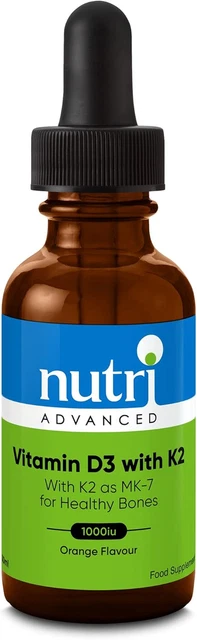
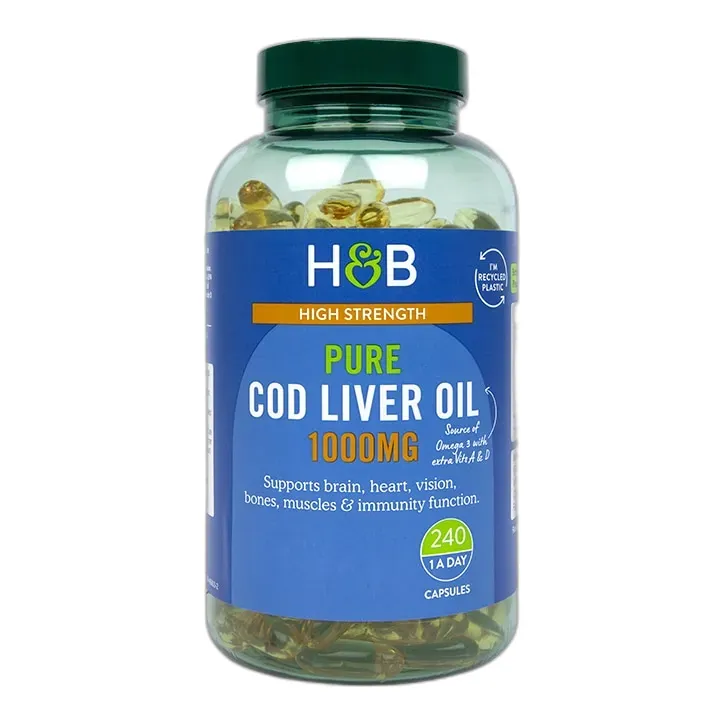
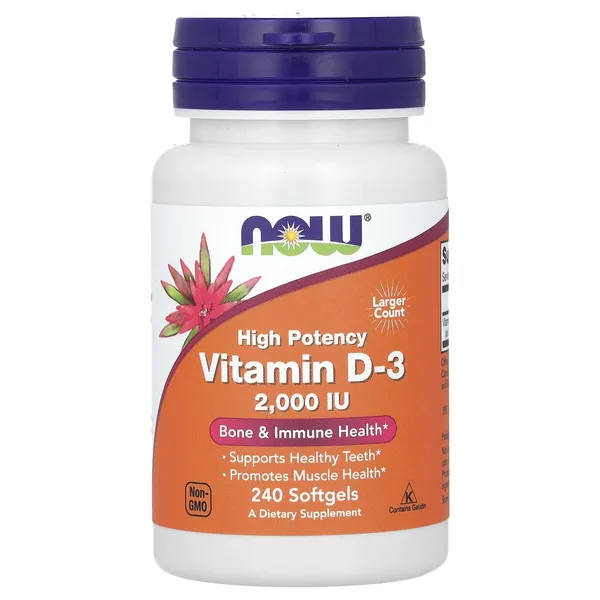
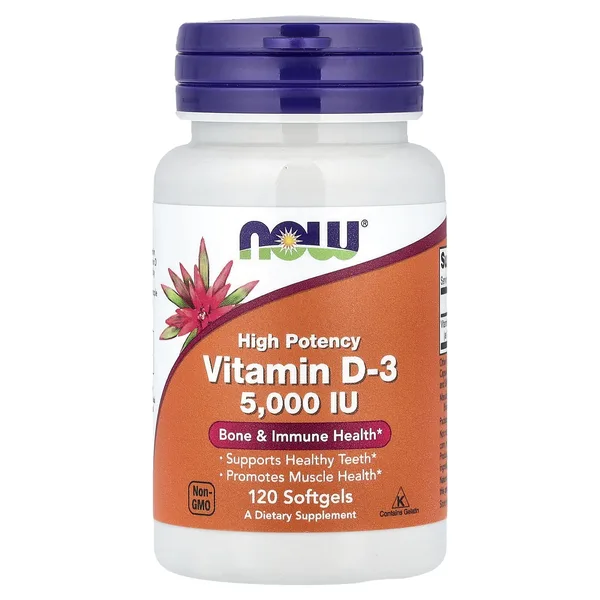
Top Vitamin D3 Products on AIScored
Check interactions with your other supplements
Add Vitamin D3 to our interactive Stack Analyzer and see how it works with everything else you take.
Add Vitamin D3 to your stack →Related Ingredients
Frequently Asked Questions
NHS guidance recommends 10 mcg (400 IU) daily for most adults during autumn and winter. Research indicates that individuals with confirmed deficiency may require higher doses — commonly 1,000–2,000 IU — to restore adequate serum 25(OH)D levels. SACN defines vitamin D sufficiency as a serum 25(OH)D concentration above 25 nmol/L. A blood test through your GP is the most reliable way to determine whether higher supplementation is appropriate for your circumstances. Individual requirements may vary.
Research suggests vitamin D3 plays a meaningful role in immune regulation. A 2017 meta-analysis by Martineau et al. (BMJ), analysing individual participant data from 25 randomised controlled trials involving over 11,000 participants, found that vitamin D supplementation reduced the risk of acute respiratory tract infection. The protective effect was most pronounced in individuals with baseline deficiency. Individual responses may vary depending on existing vitamin D status and other health factors.
Research suggests D3 (cholecalciferol) is more effective than D2 (ergocalciferol) at raising and sustaining serum 25(OH)D concentrations. A systematic review by Tripkovic et al. (Am J Clin Nutr, 2012) found D3 to be approximately 87% more potent than D2 in raising 25(OH)D levels. D2 is derived from plant or fungal sources and is common in vegan-certified products, though lichen-derived D3 offers a vegan alternative with superior bioavailability. Individual responses may vary.