Important: This page is for informational purposes only, based on published peer-reviewed research and official UK dietary guidelines (NHS, EFSA, SACN). It does not constitute medical advice. Always consult your GP or pharmacist before starting, stopping, or combining supplements.
Vitamin E — Forms, Dosage & Interactions
Also known as: alpha-tocopherol, tocopherol, tocotrienol, d-alpha-tocopherol
Overview
Vitamin E is a fat-soluble antioxidant encompassing a family of eight structurally related compounds — four tocopherols (alpha, beta, gamma, delta) and four tocotrienols. Alpha-tocopherol is the form most recognised by the body and predominates in commercial supplements. It plays a central role in protecting cell membranes from oxidative damage, supporting normal immune function, and contributing to skin health. Supplementation is most commonly sought for antioxidant protection, cardiovascular wellbeing, and skin support. However, the evidence base is more nuanced than early research suggested. Large randomised controlled trials — including the Heart Outcomes Prevention Evaluation (HOPE) trial — found that high-dose supplementation did not confer the cardiovascular benefits initially hypothesised from observational studies. This "antioxidant paradox" has meaningfully shaped how researchers interpret vitamin E trials. Genuine deficiency is uncommon in healthy adults consuming a varied diet, but individuals with fat malabsorption conditions such as Crohn's disease, cystic fibrosis, or cholestasis are at elevated risk. For most supplementers, the evidence supports a profile of modest potential benefit at moderate doses, with increasing caution warranted at higher intakes. Individual responses may vary depending on dietary background, genetic variation in tocopherol metabolism, and baseline status.
UK Dosage Guidelines
| Guideline | Value | Source |
|---|---|---|
|
Reference Nutrient Intake (RNI)
The amount sufficient for most people |
4 mg (men), 3 mg (women) | NHS / SACN |
|
Tolerable Upper Level (UL)
Maximum daily intake unlikely to cause harm |
300 mg (EFSA) | EFSA / SACN |
Forms Comparison
Vitamin E is available in several supplemental forms. Bioavailability and suitability vary.
| Form Name | Bioavailability | Notes |
|---|---|---|
| d-Alpha-Tocopherol | high | Natural form, twice the bioactivity of synthetic dl-form |
| dl-Alpha-Tocopherol | moderate | Synthetic racemic mix, cheaper but less potent |
| Mixed Tocopherols | high | Contains alpha, beta, gamma, delta forms — broader antioxidant coverage |
| Tocotrienols | high | Less studied but emerging evidence for cardiovascular and neuroprotective benefits |
When to Take Vitamin E
Recommended Time
☀️ Morning — research suggests taking Vitamin E in the morning
Additional Notes
Fat-soluble — take with a meal containing dietary fat. High doses may increase bleeding risk.
With or Without Food
Research suggests taking Vitamin E with food for better absorption.
Known Interactions
7 known interactions with other supplements.
Selenium and Vitamin E work together as part of the body's antioxidant defence system. Research suggests they have complementary roles in protecting cells from oxidative damage.
Action: These are commonly found together in antioxidant formulas. Both can be taken with a fat-containing meal.
Read full analysis →Research suggests Vitamin C can regenerate Vitamin E after it has neutralised a free radical, extending its antioxidant capacity.
Action: These can be taken together as part of an antioxidant strategy. Vitamin E with a fat-containing meal, Vitamin C any time.
Read full analysis →Vitamin E may help protect omega-3 fatty acids from oxidation. Research suggests that high omega-3 intake increases the body's requirement for Vitamin E as an antioxidant.
Action: Many fish oil supplements include Vitamin E for stability. If taking a high-dose omega-3 without added E, a separate Vitamin E supplement may be considered.
Read full analysis →CoQ10 and Vitamin E work together in the mitochondrial membrane as antioxidants. Research suggests CoQ10 can regenerate Vitamin E, similar to Vitamin C's role.
Action: Both are fat-soluble and can be taken together with a meal containing fat for improved absorption.
Read full analysis →Research suggests inorganic iron (ferrous sulfate) may oxidise and reduce Vitamin E in the gut. This interaction is less relevant with chelated iron forms.
Action: If taking both, separating them by a few hours or using a chelated iron form (ferrous bisglycinate) may reduce the interaction.
Read full analysis →Both are fat-soluble vitamins stored in the body. Research suggests excessive supplementation of both together increases the risk of exceeding safe upper limits.
Action: Monitoring total intake from all sources (multivitamins, individual supplements, fortified foods) is advisable to stay within established upper limits.
Read full analysis →Both are fat-soluble vitamins that accumulate in adipose tissue. Research suggests monitoring combined intake from multiple supplement sources to avoid exceeding upper limits.
Action: Vitamin D3 UL is 4000 IU/day (EFSA) though some researchers argue for higher. Vitamin E UL is 1000mg/day (alpha-tocopherol). Checking combined intake from all supplements is prudent.
Read full analysis →Top Vitamin E Products on AIScored

Advanced Hydrolysed Marine Liquid Collagen Couples Supply (2x 28-Day Supply)

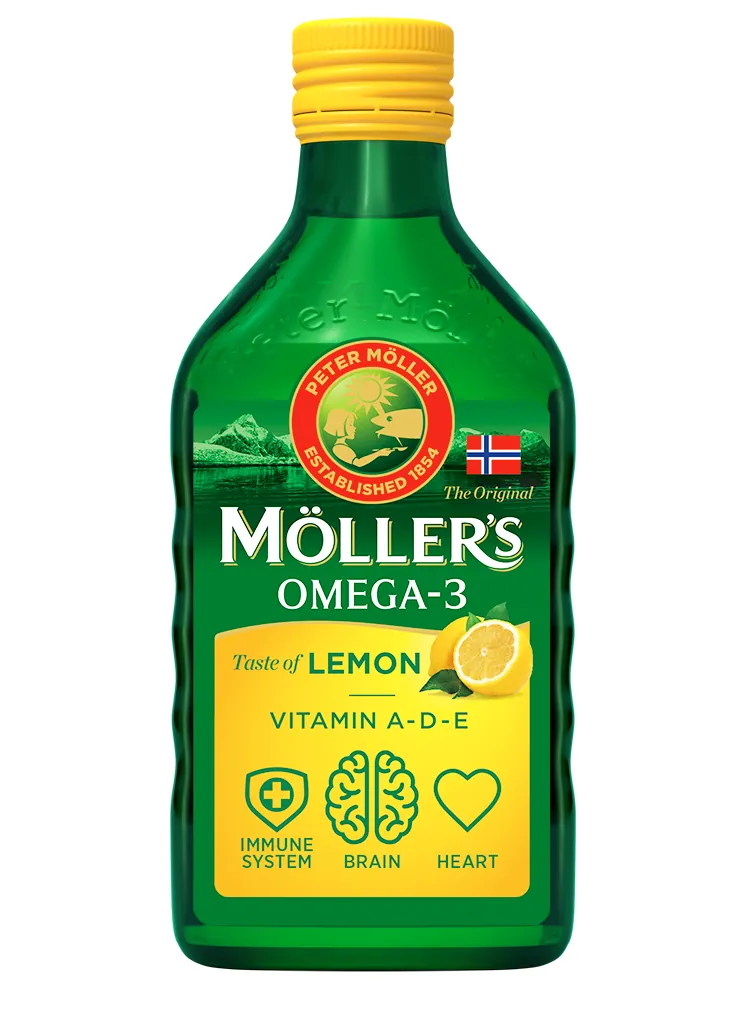
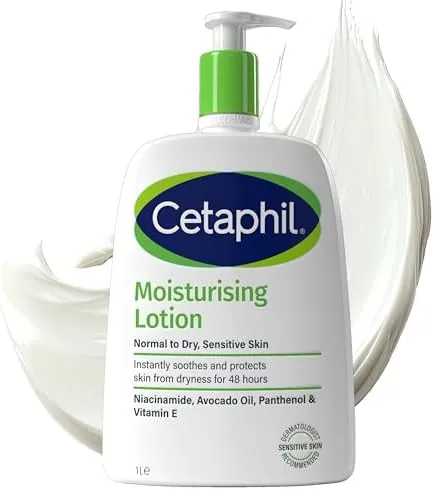
Cetaphil Face & Body Moisturiser, 1L, Moisturising Lotion For Normal To Dry, Sensitive Skin, With Niacinamide & Vitamin E, Packaging May Vary
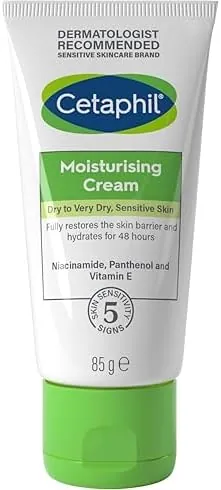
Cetaphil Moisturising Cream for Face, Hand & Body, Travel size, Moisturiser for Dry and Sensitive Skin, 85g, With Niacinamide & Vitamin E
Check interactions with your other supplements
Add Vitamin E to our interactive Stack Analyzer and see how it works with everything else you take.
Add Vitamin E to your stack →Related Ingredients
Frequently Asked Questions
Natural vitamin E (d-alpha-tocopherol, or RRR-alpha-tocopherol) has approximately twice the bioactivity of the synthetic form (dl-alpha-tocopherol), which is a racemic mixture of eight stereoisomers. Only the RRR form is preferentially retained by the liver's alpha-tocopherol transfer protein. Research suggests that roughly double the dose of synthetic vitamin E is required to achieve equivalent plasma levels compared to the natural form, making label reading important when comparing products.
Early observational data suggested a cardiovascular benefit, but large randomised controlled trials have not confirmed this. The HOPE trial (Yusuf et al., 2000, New England Journal of Medicine) found that 400 IU/day of natural-source vitamin E did not significantly reduce cardiovascular events in high-risk patients. Current evidence does not support supplementation specifically for cardiovascular protection, though research into tocotrienols for this purpose remains ongoing. Individual responses may vary.
EFSA has set a tolerable upper intake level of 300 mg/day from supplements for adults. A 2005 meta-analysis by Miller et al. (Annals of Internal Medicine) found that doses above approximately 400 IU/day were associated with a statistically significant increase in all-cause mortality across 19 clinical trials. At moderate supplemental doses (100–200 IU/day), risk appears low for healthy adults, but high-dose, long-term use warrants caution. Individual responses may vary, and those on anticoagulant therapy should seek medical advice before supplementing.