Important: This page is for informational purposes only, based on published peer-reviewed research and official UK dietary guidelines (NHS, EFSA, SACN). It does not constitute medical advice. Always consult your GP or pharmacist before starting, stopping, or combining supplements.
Vitamin K2 — Forms, Dosage & Interactions
Also known as: menaquinone, mk-7, mk-4, k2, vitamin k
Overview
Vitamin K2 is a fat-soluble vitamin belonging to the menaquinone family, functionally distinct from Vitamin K1 (phylloquinone), which primarily supports blood clotting. K2's principal role is calcium regulation — specifically activating proteins that direct calcium into bone and away from soft tissues such as arterial walls. It exists in several forms, of which MK-7 (menaquinone-7) and MK-4 (menaquinone-4) are the most relevant to supplementation. MK-7, typically derived from fermented natto, offers superior bioavailability and a half-life of approximately 72 hours, making once-daily dosing practical. MK-4 is cleared more rapidly (half-life ~4 hours) and requires higher doses to maintain circulating levels. Dietary sources of K2 include fermented foods — notably natto, a Japanese fermented soybean product — along with certain aged cheeses and egg yolks. These foods are not dietary staples in the UK, and menaquinone intakes among Western populations tend to be low. Research suggests supplemental MK-7 at doses of 100–180 mcg daily may support bone mineral density, particularly in postmenopausal women (Knapen et al., 2013, Thrombosis and Haemostasis). Evidence for a role in cardiovascular health, specifically maintaining arterial flexibility and limiting vascular calcification, is accumulating. Individual responses may vary.
UK Dosage Guidelines
| Guideline | Value | Source |
|---|---|---|
|
Reference Nutrient Intake (RNI)
The amount sufficient for most people |
75 mcg (as total Vitamin K) | NHS / SACN |
Forms Comparison
Vitamin K2 is available in several supplemental forms. Bioavailability and suitability vary.
| Form Name | Bioavailability | Notes |
|---|---|---|
| MK-7 (Menaquinone-7) | high | Longer half-life (~72h), most studied form for bone and cardiovascular health |
| MK-4 (Menaquinone-4) | moderate | Shorter half-life (~4h), requires higher doses |
When to Take Vitamin K2
Recommended Time
☀️ Morning — research suggests taking Vitamin K2 in the morning
Additional Notes
Fat-soluble — take with a meal containing dietary fat
With or Without Food
Research suggests taking Vitamin K2 with food for better absorption.
Known Interactions
3 known interactions with other supplements.
Research suggests Vitamin K2 helps direct calcium mobilised by Vitamin D3 to bones rather than soft tissue, potentially reducing arterial calcification risk.
Action: These are commonly taken together with a meal containing fat, as both are fat-soluble.
Read full analysis →Research suggests Vitamin K2 helps direct dietary and supplemental calcium to bones rather than soft tissues. This may reduce the risk associated with calcium supplementation.
Action: Adding Vitamin K2 when supplementing calcium is increasingly recommended in the literature to support proper calcium utilisation.
Read full analysis →Research suggests magnesium may be important for Vitamin K-dependent carboxylation reactions. Both nutrients support bone health through different mechanisms.
Action: Both can be taken with a meal. No special separation needed.
Read full analysis →Key Studies
1 peer-reviewed study cited. All links lead to PubMed abstracts.
Thromb Haemost (2013) · PMID: 23525894
MK-7 improved bone mineral content and femoral neck geometry vs placebo over 3 years
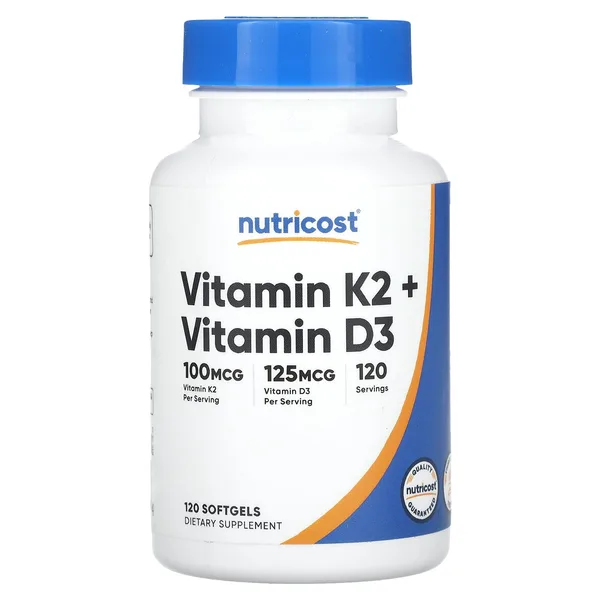
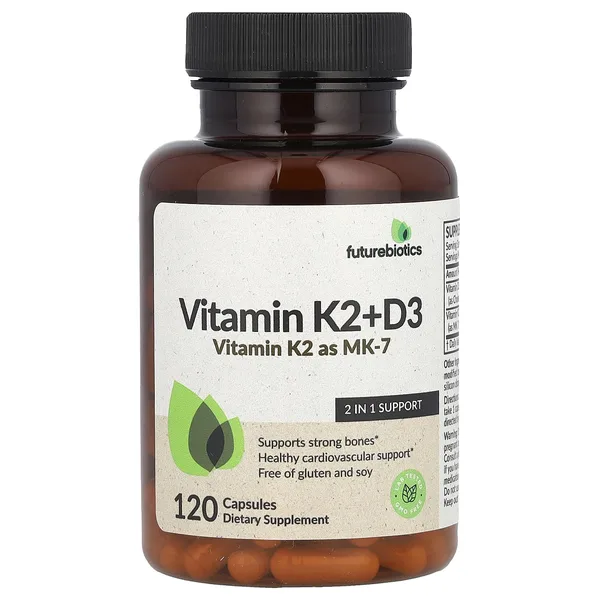
Top Vitamin K2 Products on AIScored
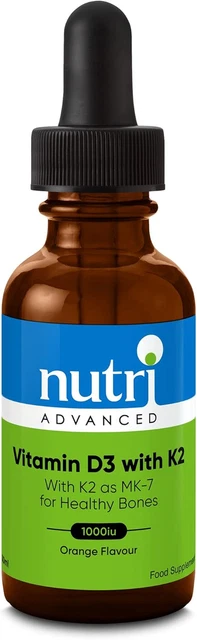
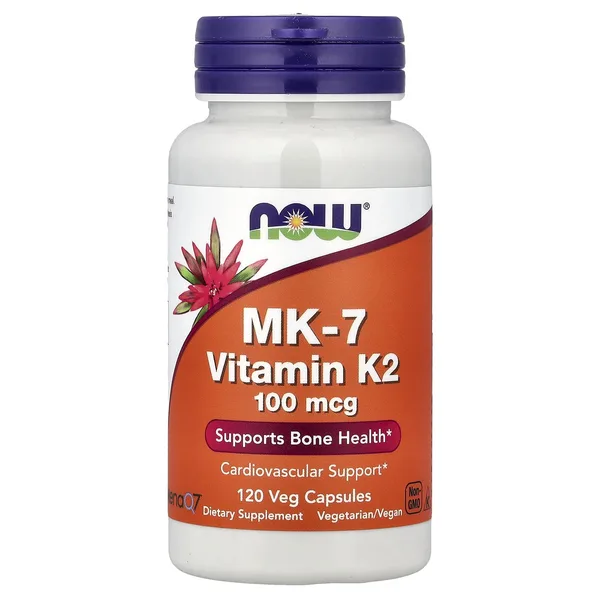
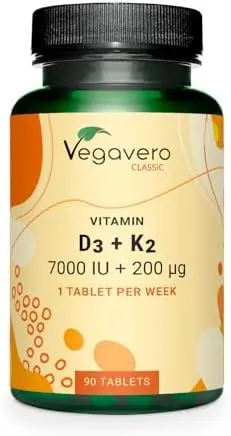
Check interactions with your other supplements
Add Vitamin K2 to our interactive Stack Analyzer and see how it works with everything else you take.
Add Vitamin K2 to your stack →Related Ingredients
Frequently Asked Questions
MK-7 has a half-life of approximately 72 hours, allowing once-daily supplementation at lower doses (typically 100–200 mcg). MK-4 is cleared from the bloodstream within around 4 hours and requires higher doses to maintain activity. The majority of clinical trials examining bone mineral density and cardiovascular outcomes have used MK-7. Individual responses to each form may vary, and direct head-to-head comparisons remain limited.
Yes. All forms of Vitamin K can reduce the effectiveness of vitamin K antagonist anticoagulants such as warfarin by counteracting their mechanism of action, potentially lowering INR readings. Even modest supplemental doses of K2 may have a clinically relevant effect. Anyone prescribed warfarin, acenocoumarol, or similar anticoagulants should seek advice from their GP or anticoagulant monitoring service before taking any K2-containing supplement.
Research suggests Vitamin D3 enhances intestinal calcium absorption, while K2 activates the proteins (osteocalcin and MGP) required to direct absorbed calcium into bone rather than soft tissues. Some researchers propose a complementary relationship between the two. Van Ballegooijen et al. (2017, Nutrients) reviewed mechanistic evidence for this interaction. Clinical evidence for combined supplementation remains an active area of research, and individual responses may vary. Neither nutrient substitutes for medical management of bone or cardiovascular conditions.