Important: This page is for informational purposes only, based on published peer-reviewed research and official UK dietary guidelines (NHS, EFSA, SACN). It does not constitute medical advice. Always consult your GP or pharmacist before starting, stopping, or combining supplements.
Zinc — Forms, Dosage & Interactions
Also known as: zinc picolinate, zinc bisglycinate, zinc citrate, zinc gluconate
Overview
Zinc is an essential trace mineral involved in over 300 enzymatic reactions, making it one of the most functionally diverse micronutrients in the body. Unlike many nutrients, the body maintains no dedicated zinc storage system, meaning regular dietary intake is critical for adequate levels. Rich dietary sources include oysters, red meat, poultry, legumes, and pumpkin seeds, though plant-based sources are less bioavailable due to the presence of phytates. Research interest in zinc supplementation centres primarily on immune function, reproductive health, skin integrity, and wound healing. The overall evidence base is relatively strong — systematic reviews and randomised controlled trials have investigated zinc across a range of outcomes, with the most robust data relating to immune support and reductions in common cold duration. In the UK context, overt zinc deficiency is uncommon in the general population, though insufficiency is more prevalent among older adults, those following plant-based diets, and individuals with gastrointestinal conditions affecting absorption. Supplementation may be relevant for these subgroups. Individual responses to zinc supplementation may vary depending on baseline zinc status and habitual dietary intake.
UK Dosage Guidelines
| Guideline | Value | Source |
|---|---|---|
|
Reference Nutrient Intake (RNI)
The amount sufficient for most people |
9.5 mg (men), 7 mg (women) | NHS / SACN |
|
Tolerable Upper Level (UL)
Maximum daily intake unlikely to cause harm |
25 mg | EFSA / SACN |
Forms Comparison
Zinc is available in several supplemental forms. Bioavailability and suitability vary.
| Form Name | Bioavailability | Notes |
|---|---|---|
| Zinc Picolinate | high | Well-absorbed chelated form |
| Zinc Bisglycinate | high | Gentle on stomach, good absorption |
| Zinc Citrate | moderate | Reasonable absorption, affordable |
| Zinc Gluconate | moderate | Common in lozenges, moderate absorption |
| Zinc Oxide | low | Poorly absorbed, cheap, avoid for supplementation |
When to Take Zinc
Recommended Time
☀️ Morning — research suggests taking Zinc in the morning
Additional Notes
Take with food to prevent nausea. Away from iron and calcium supplements.
With or Without Food
Research suggests taking Zinc with food for better absorption.
Known Interactions
13 known interactions with other supplements.
Zinc is involved in the conversion of pyridoxine to its active form (pyridoxal-5'-phosphate). Research suggests adequate zinc status supports B6 metabolism.
Action: These are commonly found together in multivitamins and B-complex formulas. No special timing considerations needed.
Read full analysis →Zinc and Vitamin C are frequently combined for immune support. Research suggests both independently support immune function and may have additive benefits.
Action: These are commonly found together in cold/immune supplements. They can be taken at the same time.
Read full analysis →Research indicates that zinc and iron compete for absorption via the DMT1 transporter when taken simultaneously. Studies suggest this can reduce absorption of both minerals by 30-50%.
Action: Taking these at least 2 hours apart may help avoid the absorption competition. For example, iron in the morning and zinc with lunch or dinner.
Read full analysis →High-dose magnesium and zinc may compete for absorption when taken simultaneously. The effect is most pronounced at higher supplemental doses.
Action: If taking both at high doses, separating them by a few hours may optimise absorption — for example, zinc in the morning and magnesium in the evening.
Read full analysis →Research suggests calcium may inhibit zinc absorption when taken simultaneously at high doses. The interaction is more significant with supplemental calcium than dietary calcium.
Action: If taking both, separating calcium and zinc supplements by 2 hours may optimise absorption.
Read full analysis →Some research suggests high-dose zinc supplementation may impair folate absorption, though the evidence is mixed and dose-dependent.
Action: At typical supplement doses, this interaction is unlikely to be clinically significant. Separating high-dose zinc from folate may be prudent.
Read full analysis →NAC's thiol group can chelate zinc and other minerals in the gut. Research suggests taking NAC separately from mineral supplements may optimise absorption of both.
Action: Taking NAC on an empty stomach (30 min before food) and zinc with a meal may help avoid the chelation interaction.
Read full analysis →At high doses, zinc and selenium may compete for absorption. However, at typical supplement doses, research suggests they are compatible and even complementary for immune function.
Action: At standard doses (15-30mg zinc, 55-200mcg selenium), these can generally be taken together without concern.
Read full analysis →Long-term zinc supplementation above 40mg/day can deplete copper levels, potentially leading to copper deficiency anaemia. This is well-documented in clinical literature.
Action: If taking zinc above 25mg daily long-term, research supports monitoring copper status or taking a small copper supplement (1-2mg).
Read full analysis →Both saw palmetto and zinc are used for prostate health. Research suggests they may have complementary effects on 5-alpha-reductase activity.
Action: This combination is common in prostate health formulas. Both can be taken together with food.
Read full analysis →Both elderberry and zinc are used for immune support, particularly during cold season. Research suggests they may have additive antiviral and immune-stimulating effects.
Action: This combination is common in immune support products. They can be taken together at the onset of cold symptoms.
Read full analysis →Zinc plays a role in collagen synthesis and wound healing. Research suggests adequate zinc is important for the body to effectively utilise supplemental collagen.
Action: These can be taken together for skin health and wound healing support.
Read full analysis →Both maca and zinc are associated with reproductive health and hormone support. Research suggests they may have complementary effects on testosterone and fertility.
Action: This combination is used in men's health formulas. Both can be taken together with food.
Read full analysis →Top Zinc Products on AIScored
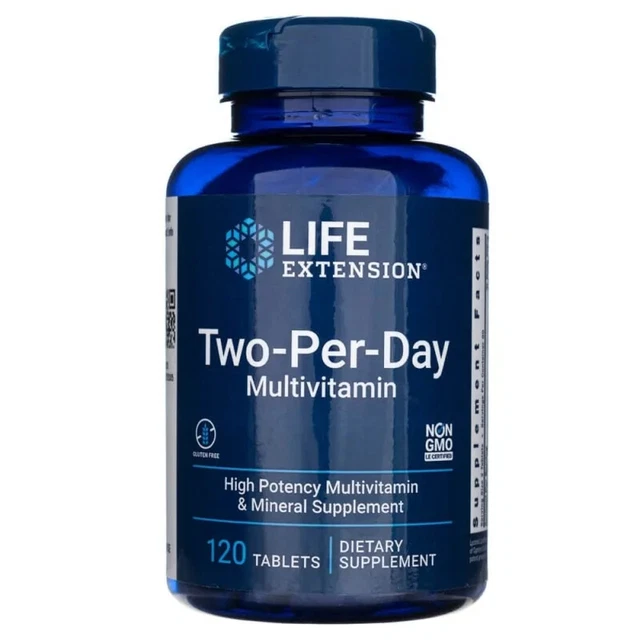
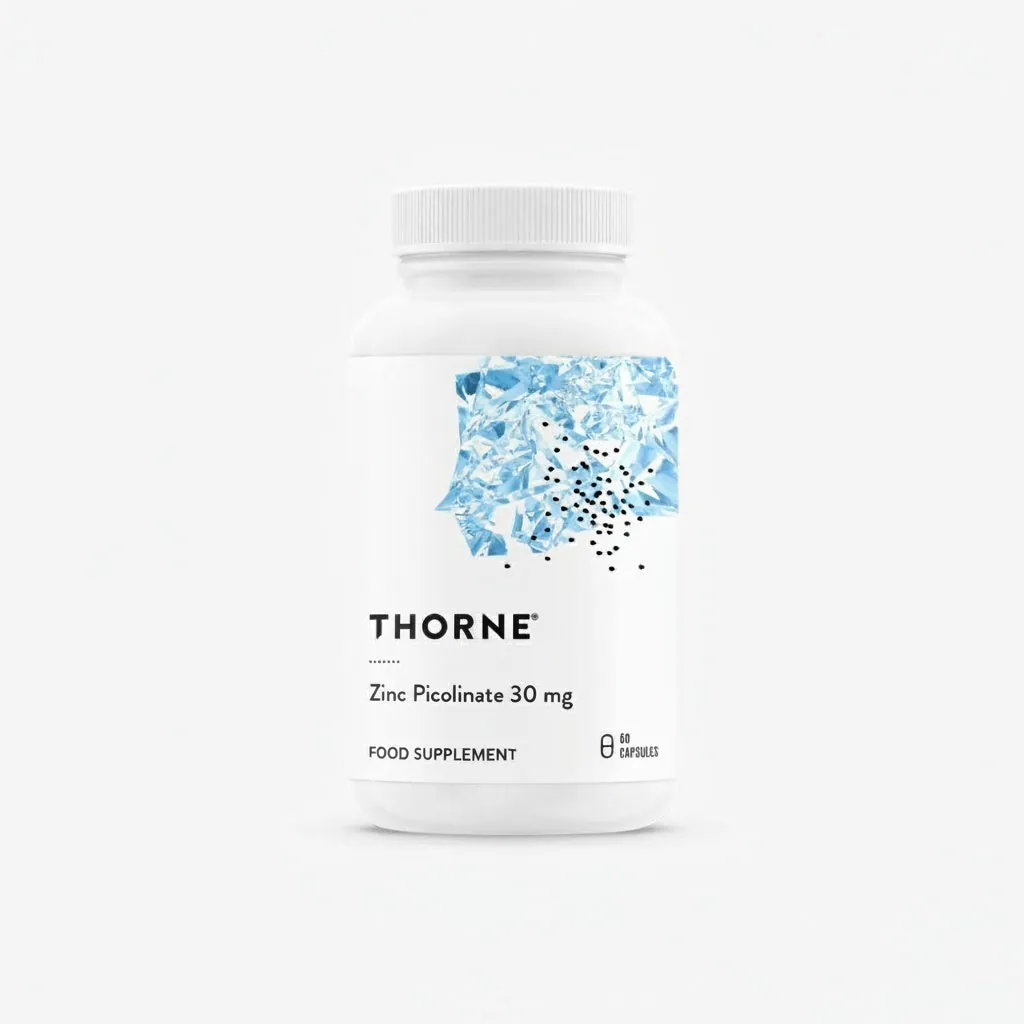
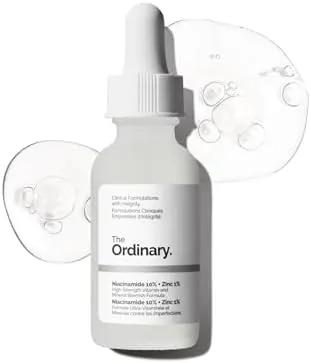
The Ordinary Niacinamide 10% + Zinc 1%, Brightening & Smoothing Serum for Blemish-Prone Skin, 30ml
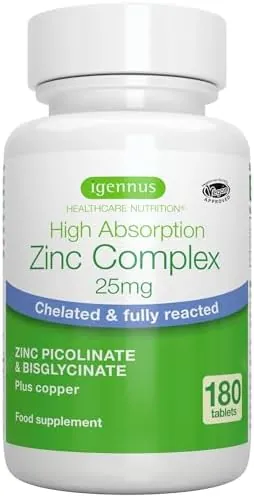
Igennus Clean Chelated Zinc Picolinate & Bisglycinate Complex 25mg with Copper, 6 Month Supply 180 Tablets, High Absorption & Lab Verified, Non-GMO, Supplement for Men & Women, Immune Support & Skin

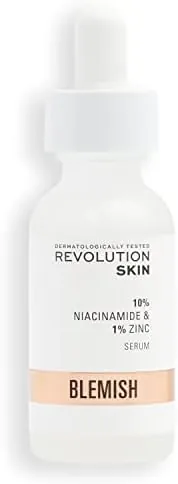
Revolution Skincare London, 10% Niacinamide + 1% Zinc Serum, Tackles Blemishes, Minimises Pore Appearance, Face Serum, 30 ml
Check interactions with your other supplements
Add Zinc to our interactive Stack Analyzer and see how it works with everything else you take.
Add Zinc to your stack →Related Ingredients
Frequently Asked Questions
Research suggests chelated forms — particularly zinc picolinate and zinc bisglycinate — offer higher bioavailability compared with inorganic forms such as zinc oxide, which is poorly absorbed and best avoided in supplementation. Zinc bisglycinate is often considered a suitable option for those with gastrointestinal sensitivity. Zinc citrate and gluconate represent more affordable alternatives with reasonable absorption. Individual responses may vary based on digestive health and dietary context.
A Cochrane systematic review (Singh and Das, 2011) found that zinc supplementation initiated within 24 hours of symptom onset was associated with reduced duration and severity of common cold symptoms in otherwise healthy adults. Zinc lozenges containing zinc acetate or gluconate are most studied for this application. Evidence for prevention of colds in healthy adults is less conclusive. Individual responses may vary.
Yes — EFSA sets the tolerable upper intake level for supplemental zinc at 25 mg per day for adults. Chronic intake above this threshold may impair copper absorption, as the two minerals compete for intestinal transporters. Very high intakes can also cause nausea and gastrointestinal discomfort. Long-term supplementation above recommended levels should be discussed with a healthcare professional.