Important: This page is for informational purposes only, based on published peer-reviewed research and official UK dietary guidelines (NHS, EFSA, SACN). It does not constitute medical advice. Always consult your GP or pharmacist before starting, stopping, or combining supplements.
Iodine and Selenium — Can You Take Them Together?
Overview
Iodine and selenium are two trace minerals with a well-documented functional relationship centred on thyroid health. Whilst iodine provides the raw material for thyroid hormone synthesis, selenium is essential for the enzymatic machinery that activates those hormones and protects the thyroid gland from oxidative damage in the process. Research suggests that deficiency in either nutrient can compromise thyroid function, and that the two work most effectively when adequate levels of both are maintained. For anyone considering supplementation of either mineral, understanding how they interact may be relevant to achieving the intended benefit. Individual responses may vary.
How They Interact
The relationship between iodine and selenium operates primarily through a family of selenium-containing enzymes called deiodinases (DIO1, DIO2, and DIO3). These selenoproteins catalyse the conversion of the prohormone thyroxine (T4) into biologically active triiodothyronine (T3) — the form that exerts physiological effects in peripheral tissues. DIO2 is particularly significant for local T3 production in the brain, pituitary, and skeletal muscle. Selenium also contributes to thyroid protection via glutathione peroxidase (GPx), another class of selenoproteins that neutralises hydrogen peroxide (H₂O₂). H₂O₂ is generated as a necessary by-product of iodine organification — the process by which iodine is incorporated into thyroglobulin during hormone synthesis — but accumulation in excess is cytotoxic to thyroid follicular cells. Studies indicate that selenium inadequacy therefore impairs both the downstream activation of thyroid hormones and the antioxidant defence of the gland itself, creating a dual vulnerability when selenium status is low (Zimmermann & Köhrle, 2002, Thyroid).
Timing & Dosage Guidance
No evidence suggests that iodine and selenium compete for intestinal absorption or require separation in timing. Both are generally well absorbed when taken with food, which may also reduce the risk of mild gastrointestinal discomfort sometimes associated with mineral supplements at higher doses. Taking both as part of a morning routine with breakfast is a practical and widely used approach. Selenomethionine — the organic form found in selenium yeast — has demonstrated superior bioavailability compared with inorganic sodium selenite, particularly in the fed state. Those taking thyroid medication such as levothyroxine should seek guidance from their GP or pharmacist regarding timing of any mineral supplements.
The UK Reference Nutrient Intake (RNI) for iodine is 140 mcg per day for adults, as established by SACN (Scientific Advisory Committee on Nutrition, 2014). EFSA has set a tolerable upper intake level (UL) of 600 mcg/day for adults. For selenium, the UK RNI is 75 mcg/day for men and 60 mcg/day for women, with EFSA's UL set at 300 mcg/day. Research suggests that supplementing iodine without first addressing a co-existing selenium deficiency may be counterproductive. A study by Contempré et al. (1991) demonstrated that in populations with dual deficiency, correcting selenium alone — without concurrent iodine repletion — transiently worsened thyroid function, underscoring the importance of addressing both nutrients. Combined supplementation within RNI ranges is generally considered appropriate for most healthy adults, though individual responses may vary.
Recommended Action
Both nutrients support thyroid health. Supplementing iodine without adequate selenium may be counterproductive, as selenium protects the thyroid from oxidative damage during hormone synthesis.
Iodine Timing
When: Morning
Note: Morning with food. Common deficiency in UK — dairy and fish are main dietary sources.
Selenium Timing
When: Any
Note: Take with food. UK soils are low in selenium — supplementation is common.
Scientific Evidence
3 peer-reviewed studies cited. All links lead to PubMed abstracts.
Lancet (2000) · PMID: 10963212
Selenium deficiency impairs thyroid hormone metabolism via reduced deiodinase and glutathione peroxidase activity, with selenoprotein function identified as central to both thyroid hormone activation and antioxidant defence.
Thyroid (2002) · PMID: 12487769
Selenium and iodine deficiencies interact synergistically to impair thyroid hormone synthesis and conversion, with combined deficiency producing more severe dysfunction than either deficiency alone.
Journal of Clinical Endocrinology and Metabolism (1991) · PMID: 1905934
Selenium supplementation without correcting concurrent iodine deficiency transiently worsened hypothyroidism, demonstrating that adequate iodine status is a prerequisite for selenium to exert its beneficial thyroid effects.
Frequently Asked Questions
Research suggests that taking iodine and selenium together is not only safe but potentially complementary, as the two minerals serve distinct but interdependent roles in thyroid physiology. They do not appear to compete for absorption, and both are well tolerated with food at doses within UK RNI levels. Those with a diagnosed thyroid condition — including Hashimoto's thyroiditis or Graves' disease — or those taking thyroid medication should consult a GP or endocrinologist before supplementing either mineral, as individual circumstances vary considerably.
Studies indicate that supplementing iodine without adequate selenium may increase oxidative stress within the thyroid gland. Iodine organification generates hydrogen peroxide as a by-product, which under normal conditions is neutralised by selenium-dependent glutathione peroxidase. If selenium status is insufficient, this H₂O₂ may accumulate and damage thyroid follicular cells. Contempré et al. (1991) demonstrated in a dual-deficient population that selenium supplementation alone worsened hypothyroidism in the absence of iodine repletion, illustrating how closely the two nutrients are linked.
Selenomethionine — found in selenium yeast and many licensed supplements — is generally considered to have higher bioavailability than inorganic sodium selenite, based on comparative human absorption studies. It is also the predominant form in selenium-rich foods such as Brazil nuts and fish. For thyroid support specifically, selenomethionine has been the most commonly studied form in clinical research. All selenium supplements sold in the UK must comply with EFSA maximum permitted levels, and product labelling will indicate both the form and the elemental selenium dose per serving.
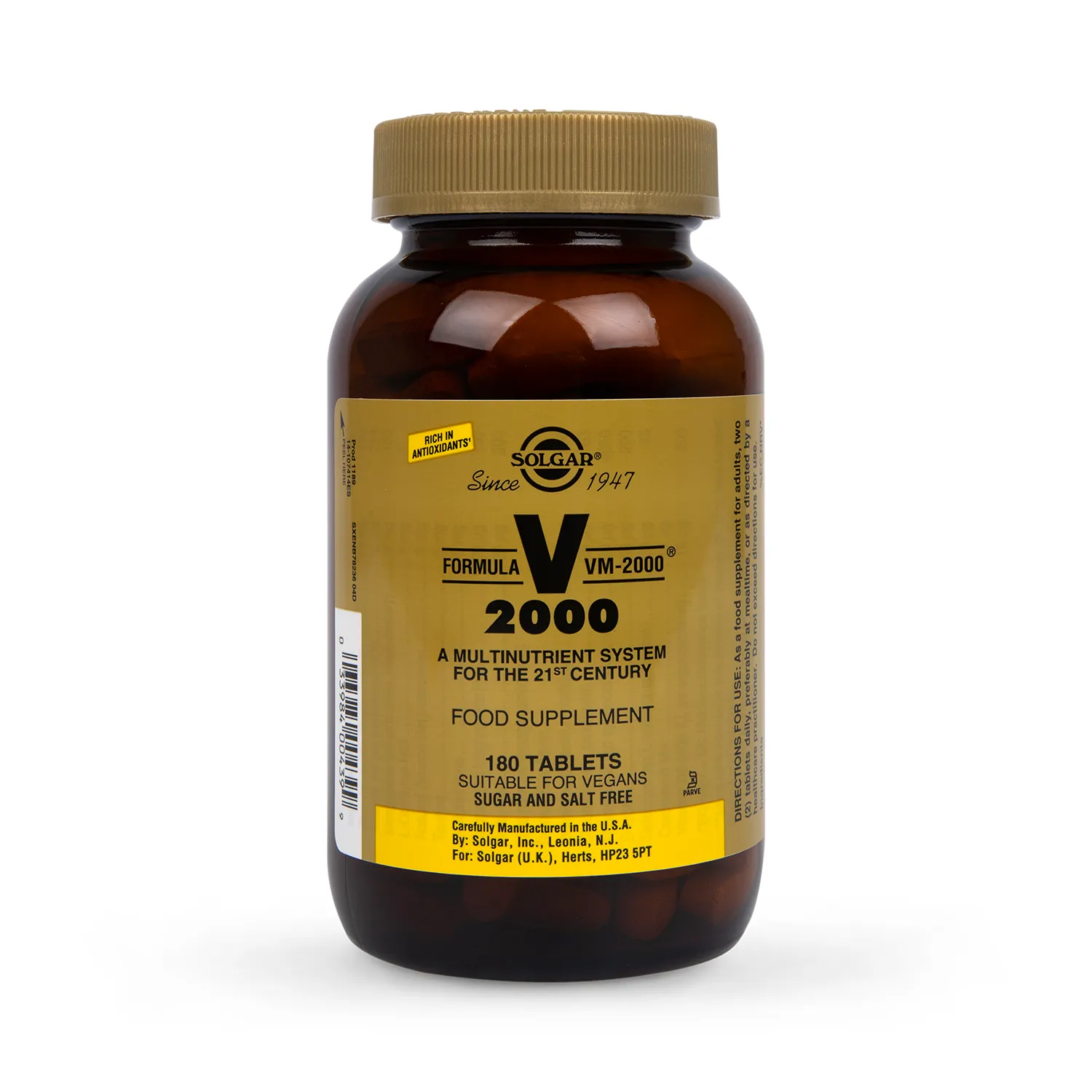
Top Iodine Products on AIScored


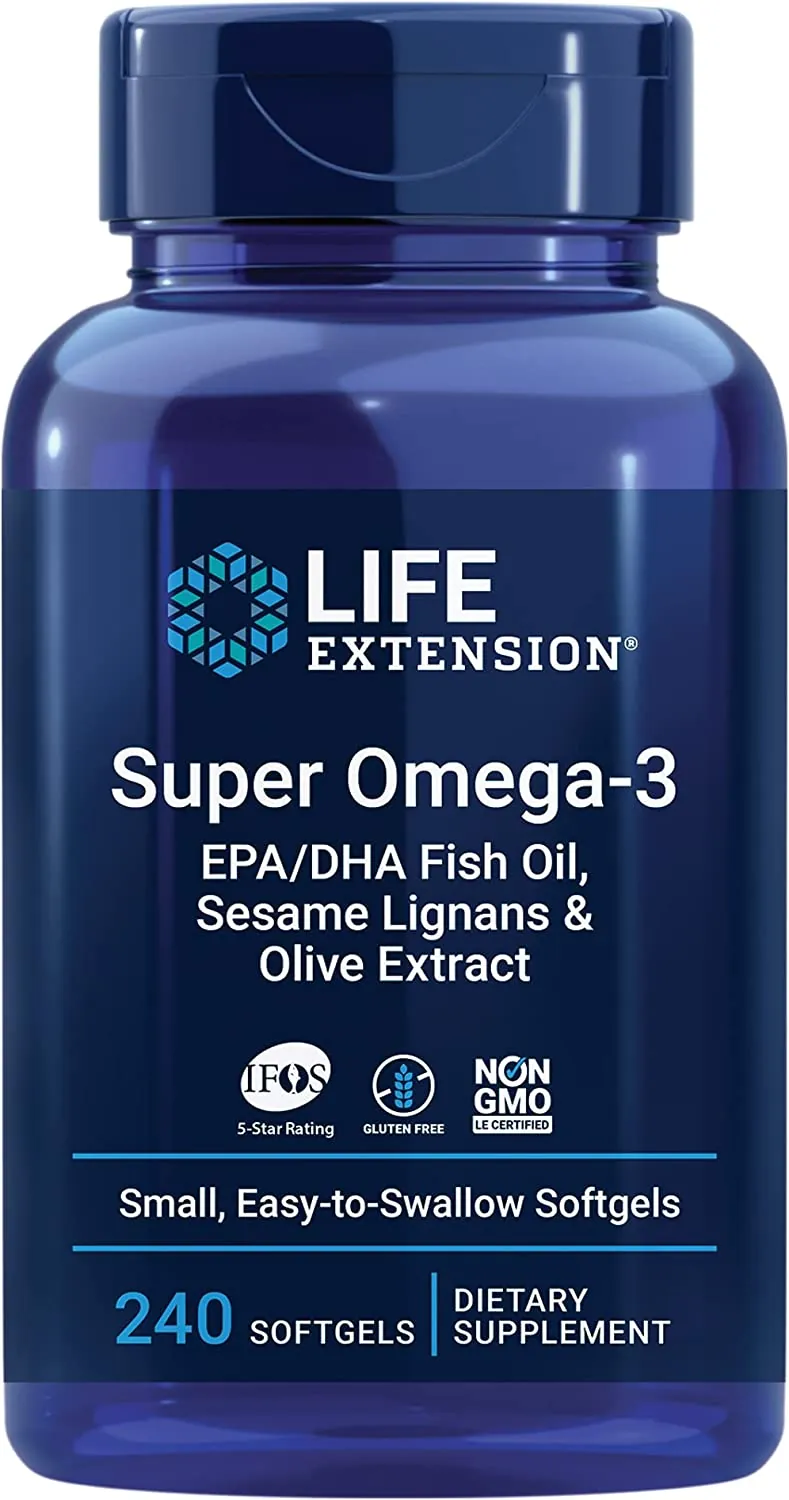
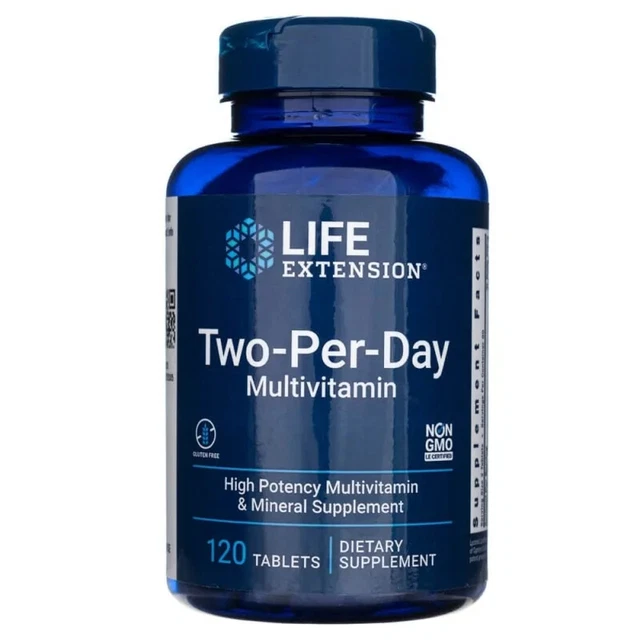
Top Selenium Products on AIScored
Beauty of Joseon Relief Sun Rice Probiotics SPF 50+ PA++++ Korean Sunscreen sunblock for Face Daily Sunscreen for Men Women Skincare 50ml
Want to check more interactions?
Add these and other supplements to our interactive Stack Analyzer for a full analysis.
Build your full stack →