Important: This page is for informational purposes only, based on published peer-reviewed research and official UK dietary guidelines (NHS, EFSA, SACN). It does not constitute medical advice. Always consult your GP or pharmacist before starting, stopping, or combining supplements.
Iron and NAC — Can You Take Them Together?
Overview
Iron and N-Acetyl Cysteine (NAC) sit at an interesting crossroads in the supplement world, presenting a dual interaction worth understanding before combining them. Iron is an essential mineral — the NHS recommends 8.7 mg daily for adult men and 14.8 mg for women aged 19–50 — and deficiency remains the most prevalent nutritional shortfall in the UK. NAC, a cysteine derivative and precursor to the master antioxidant glutathione, is widely taken for liver support, respiratory health, and oxidative stress management. The interaction cuts both ways: at the gut level, NAC's thiol group may interfere with iron absorption, yet systemically, NAC's antioxidant properties may protect tissues against iron-induced oxidative damage.
How They Interact
NAC contains a free thiol (-SH) group — the same reactive moiety found in cysteine — which has a well-documented chemical affinity for metal ions, including both ferrous iron (Fe²⁺) and ferric iron (Fe³⁺). In the gastrointestinal tract, these groups can form iron-NAC complexes, potentially reducing the pool of free ionic iron available for absorption through duodenal enterocyte transporters, principally DMT1 for Fe²⁺. Research in acute iron toxicity models has shown that oral NAC can influence gastrointestinal iron handling. Critically, however, a controlled human study found that two weeks of therapeutic oral NAC supplementation (200 mg three times daily) produced no statistically significant change in plasma iron concentration or urinary iron excretion in healthy volunteers (Hjortsø et al., Eur J Clin Pharmacol, 1990; PMID 2276385), suggesting the chelation concern may be modest at typical supplement doses. Once absorbed, the picture shifts considerably. NAC replenishes intracellular glutathione, the body's primary endogenous antioxidant. Free iron catalyses the Fenton reaction, generating highly reactive hydroxyl radicals that damage cellular lipids, proteins, and DNA. Aruoma and colleagues demonstrated that NAC directly scavenges these hydroxyl radicals with a rate constant of 1.36 × 10¹⁰ M⁻¹s⁻¹ (Free Radic Biol Med, 1989; PMID 2546864), underscoring its hepatoprotective potential in contexts of elevated systemic iron.
Timing & Dosage Guidance
Research suggests allowing at least two hours between iron and NAC supplementation to minimise any potential gut-level chelation. A practical approach is to take iron with a main meal — evidence indicates that co-ingestion with Vitamin C substantially enhances non-haem iron absorption (Hallberg & Hulthén, Am J Clin Nutr, 2000; PMID 10799377) — while taking NAC separately, ideally on an empty stomach or with a light, low-iron snack. Morning iron with breakfast (including a Vitamin C source such as a small glass of orange juice) combined with evening NAC is a straightforward separation strategy. Individual responses may vary, and those with a diagnosed deficiency should prioritise consistent, optimised iron timing above all else.
Iron supplements for adults range from approximately 14–17 mg for general maintenance to 65 mg or higher under medical guidance for confirmed deficiency. NAC is typically supplemented at 600–1,800 mg daily in divided doses. At standard supplement doses, the clinical significance of the iron-NAC interaction appears modest — the Hjortsø et al. study (PMID 2276385) found no meaningful iron depletion from oral NAC in healthy participants over two weeks. Higher NAC doses represent a greater theoretical concern, though controlled human evidence at these levels is limited. Women of reproductive age face the highest iron deficiency risk in the UK; serum ferritin, rather than haemoglobin alone, is the more sensitive marker of iron stores and should guide any supplementation decisions. Individual responses may vary.
Recommended Action
Taking NAC on an empty stomach and iron with a meal (ideally with Vitamin C) at a different time may optimise absorption of both.
Iron Timing
When: Morning
Note: Best absorbed on an empty stomach with Vitamin C. Avoid with tea, coffee, calcium, or zinc within 2 hours.
NAC Timing
When: Any
Note: Can be taken on empty stomach. Precursor to glutathione — the body's master antioxidant. Pair with vitamin C for synergy.
Scientific Evidence
3 peer-reviewed studies cited. All links lead to PubMed abstracts.
European Journal of Clinical Pharmacology (1990) · PMID: 2276385
Therapeutic oral NAC (200 mg three times daily for two weeks) produced no significant change in plasma iron concentration or urinary iron excretion in healthy volunteers, suggesting minimal chelation impact at standard supplemental doses.
Free Radical Biology & Medicine (1989) · PMID: 2546864
NAC directly scavenges hydroxyl radicals — the primary oxidative species generated by iron-driven Fenton chemistry — with a rate constant of 1.36 × 10¹⁰ M⁻¹s⁻¹, supporting its role as a systemic protector against iron-induced oxidative stress.
The American Journal of Clinical Nutrition (2000) · PMID: 10799377
Meal composition substantially modulates non-haem iron bioavailability; ascorbic acid significantly enhances absorption while chelating compounds reduce it, underscoring the importance of food pairing and timing when supplementing iron.
Frequently Asked Questions
Evidence is more reassuring than the mechanism alone might suggest. A controlled human study (Hjortsø et al., Eur J Clin Pharmacol, 1990; PMID 2276385) found no significant change in plasma iron or urinary iron excretion during two weeks of therapeutic oral NAC in healthy volunteers. The theoretical chelation concern appears modest at standard doses, though separating intake by at least two hours remains a sensible precaution. Individual responses may vary, particularly in those with existing iron deficiency.
Research suggests it can, via a complementary systemic mechanism. Once absorbed, NAC replenishes intracellular glutathione, which helps neutralise reactive oxygen species generated when free iron undergoes the Fenton reaction. Aruoma et al. (Free Radic Biol Med, 1989; PMID 2546864) demonstrated NAC's direct capacity to scavenge iron-catalysed hydroxyl radicals, positioning it as potentially beneficial alongside higher-dose iron therapy where oxidative stress is a recognised concern.
For most healthy adults at typical supplement doses, co-ingestion is unlikely to cause significant harm. However, separating intake by at least two hours is a prudent strategy to avoid any theoretical absorption interference. If iron has been prescribed for a confirmed deficiency, it is advisable to discuss additional supplements — including NAC — with a GP or registered dietitian, as absorption optimisation carries greater clinical importance in a deficiency context.
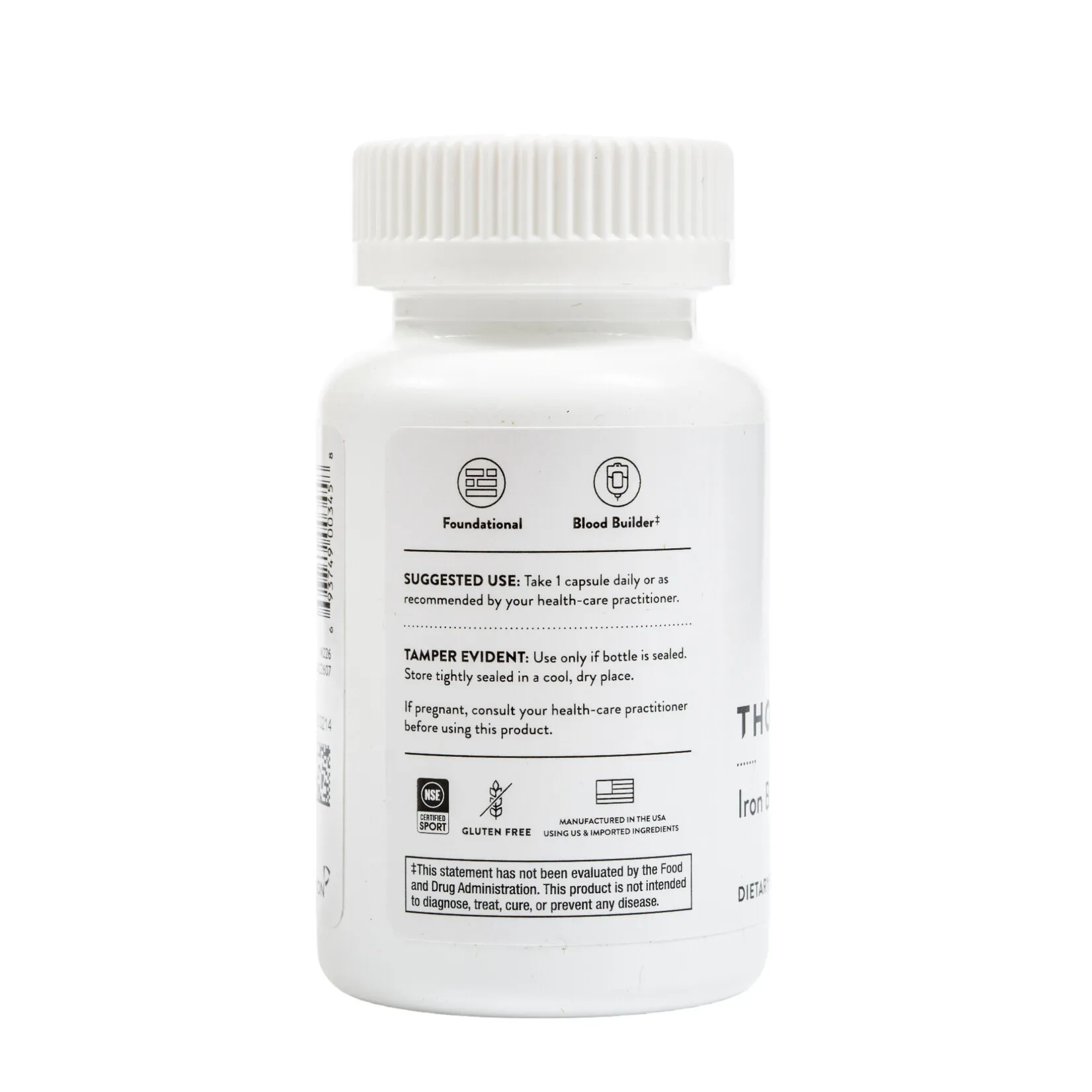
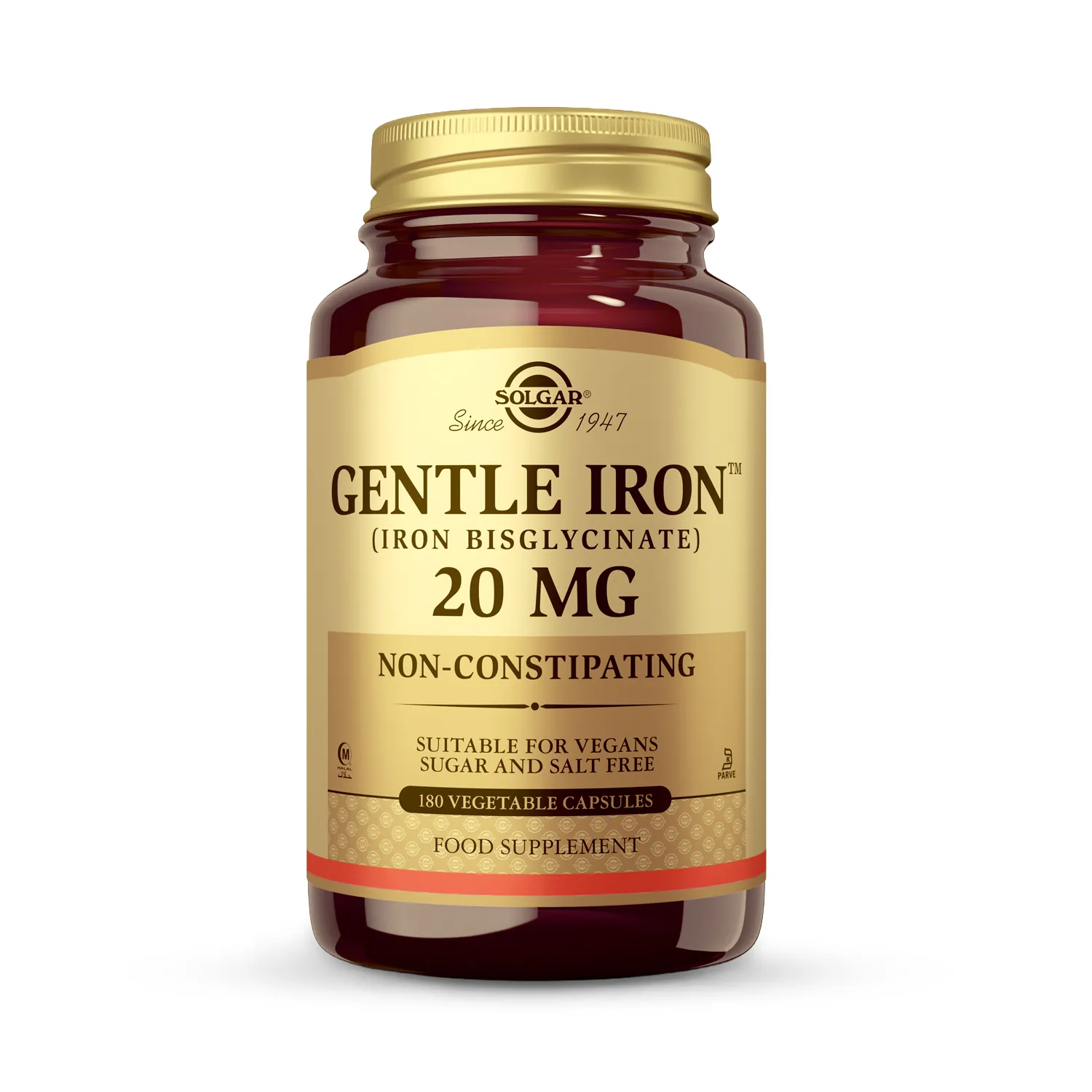
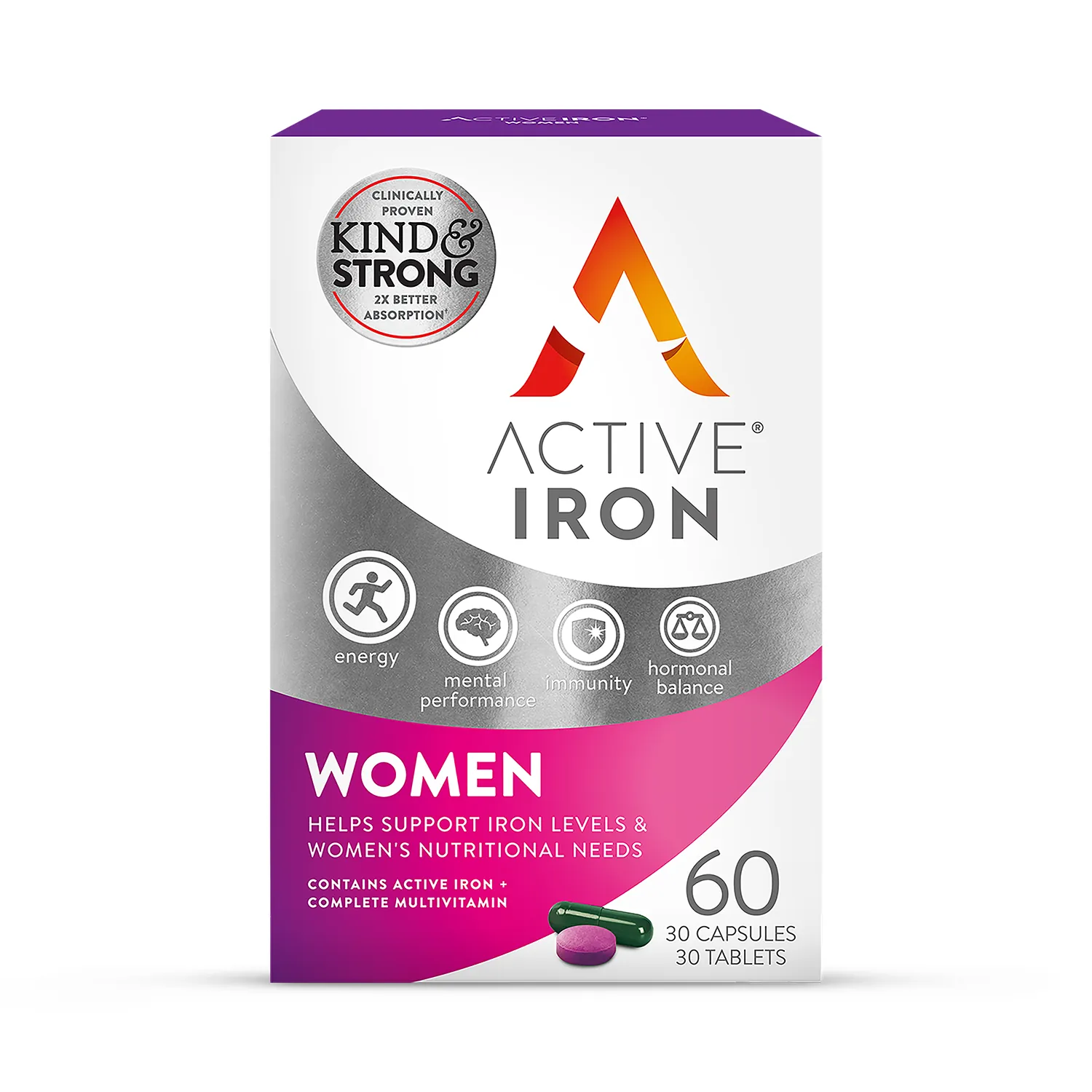
Top Iron Products on AIScored
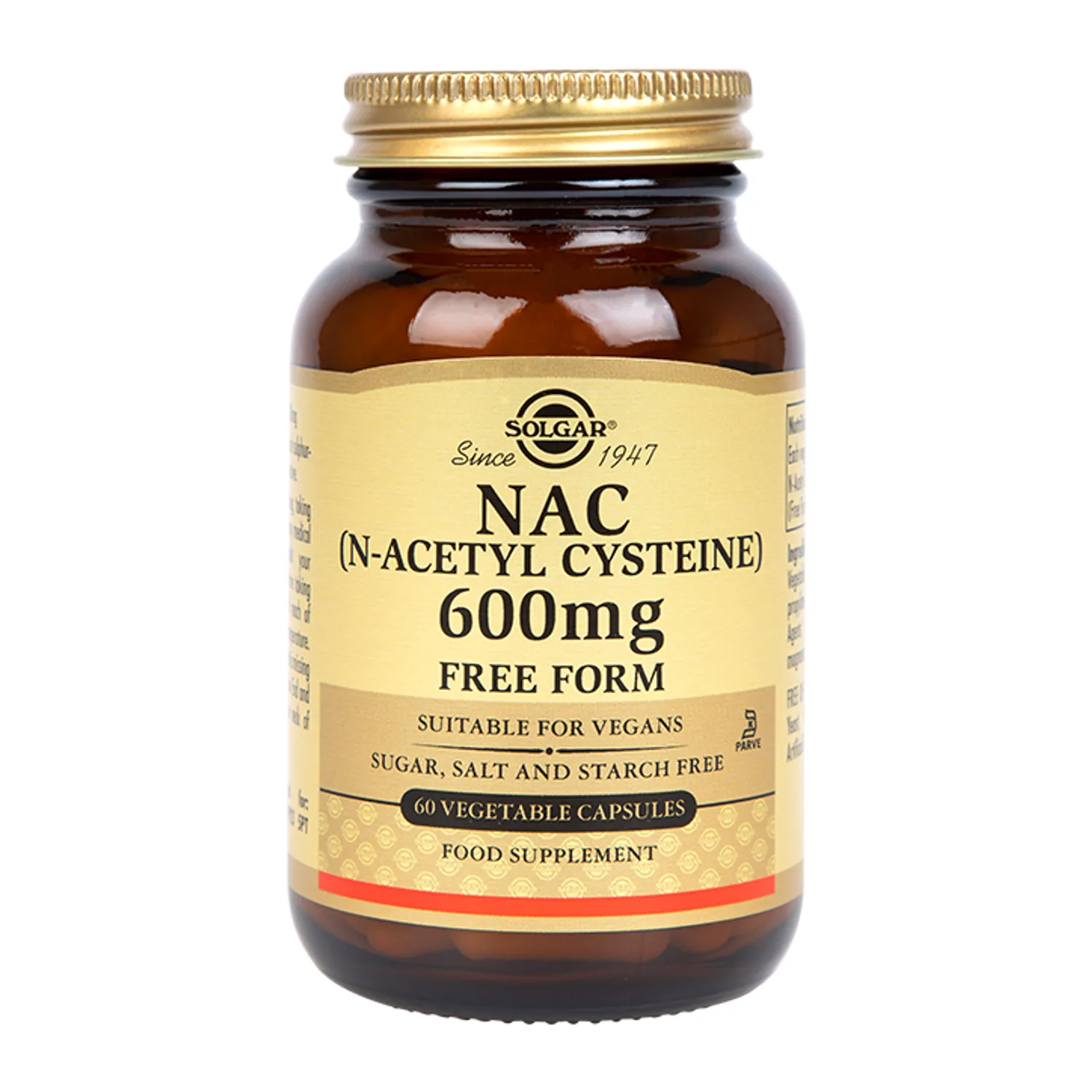
Top NAC Products on AIScored
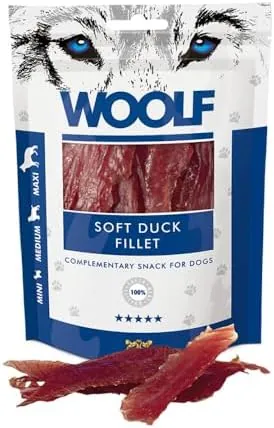
WOOLF Soft Duck Fillet Dog Treats - Complementary Snacks for Dogs. All-Natural Ingredients, High Meat Content, Nutritional, Free from Artificial Additives. Suitable for Dogs (100g)
WOOLF Chunkies - Complementary Snacks for Dogs. Dog Treats with Natural Ingredients and High Meat Content, Balanced Nutrition, Free from Artificial Additives. Suitable for Puppies (Rabbit, 100g)
Want to check more interactions?
Add these and other supplements to our interactive Stack Analyzer for a full analysis.
Build your full stack →