Important: This page is for informational purposes only, based on published peer-reviewed research and official UK dietary guidelines (NHS, EFSA, SACN). It does not constitute medical advice. Always consult your GP or pharmacist before starting, stopping, or combining supplements.
Iron and Probiotics — Can You Take Them Together?
Overview
Iron and probiotics are among the most commonly recommended supplements for UK adults — iron for deficiency anaemia, which NHS guidelines identify as particularly prevalent among women of reproductive age, and probiotics for digestive health and immune support. Research suggests, however, that taking these two together may be counterproductive. Unabsorbed iron reaching the large intestine can alter the gut microbiome in ways that may undermine the probiotic strains you are supplementing. Understanding this interaction allows for smarter supplementation timing that supports both goals simultaneously. Individual responses may vary depending on iron form, probiotic strain, and baseline gut composition.
How They Interact
The human colon houses both beneficial bacteria — primarily Lactobacillus and Bifidobacterium species — and opportunistic pathogens such as Escherichia coli and Clostridium species. These communities compete for nutrients, including iron. When oral iron supplements are inadequately absorbed in the small intestine, as is common with poorly bioavailable forms such as ferrous sulphate, the surplus iron passes into the colon where it becomes a growth substrate for iron-scavenging pathogenic bacteria. Zimmermann et al. (2010, Am J Clin Nutr; PMID 20962160) demonstrated in a randomised controlled trial that iron fortification significantly increased enterobacterial counts and decreased Lactobacillus populations in children. A subsequent RCT by Jaeggi et al. (2015, Gut; PMID 25143342) confirmed these findings in infants, observing reduced Bifidobacteria, elevated gut inflammation markers, and increased pathogenic E. coli. Beneficial Lactobacillus and Bifidobacterium species have evolved to thrive in relatively low-iron environments; a colonic iron surplus may therefore confer a competitive advantage to precisely the bacteria these strains are intended to displace.
Timing & Dosage Guidance
Research suggests separating iron supplements from probiotics by at least two hours may reduce the likelihood of this interaction. A practical approach is to take iron in the morning with a small amount of food — vitamin C-rich foods such as orange juice may enhance absorption, as supported by EFSA guidance on non-haem iron bioavailability — and delay probiotics until midday or evening. Probiotic survival through the gastrointestinal tract is also influenced by gastric acidity; studies indicate that taking probiotics with or shortly after a meal, when stomach pH is relatively higher, may improve viable delivery to the colon. Individual responses may vary based on iron form, probiotic strain, and personal gut microbiome composition.
The form and dose of iron are particularly relevant when considering gut microbiome effects. Ferrous sulphate, the most commonly NHS-prescribed form, has relatively low bioavailability (approximately 10–15%), meaning a larger proportion of each dose may reach the colon unabsorbed. Iron bisglycinate, widely available over the counter in the UK, demonstrates superior absorption at lower doses — studies suggest comparable clinical efficacy at 25–30 mg versus 65 mg for ferrous sulphate — potentially reducing the colonic iron load and associated microbiome disruption. For probiotic supplementation, higher CFU counts (typically ≥10 billion) and strains with demonstrated acid and bile resistance may offer greater resilience in a high-iron colonic environment. Anyone on NHS-prescribed iron therapy should consult their GP or a registered dietitian before adjusting dose or form.
Recommended Action
If taking both, separating iron from probiotics by 2 hours may reduce any negative interaction.
Iron Timing
When: Morning
Note: Best absorbed on an empty stomach with Vitamin C. Avoid with tea, coffee, calcium, or zinc within 2 hours.
Probiotics Timing
When: Morning
Note: Take with or just before a meal — food buffers stomach acid, improving bacterial survival. Strain specificity matters — different strains have different effects.
Scientific Evidence
4 peer-reviewed studies cited. All links lead to PubMed abstracts.
American Journal of Clinical Nutrition (2010) · PMID: 20962160
Iron fortification significantly increased enterobacterial counts and decreased Lactobacillus populations in the gut, accompanied by elevated faecal calprotectin, a marker of intestinal inflammation.
Gut (2015) · PMID: 25143342
Iron-containing micronutrient powders increased pathogenic E. coli and Clostridium species while reducing Bifidobacteria, and were associated with significantly higher rates of diarrhoea and intestinal inflammation markers.
Nutrients (2020) · PMID: 32635533
Excess iron concentration negatively impacts gut microbial communities, while probiotic, prebiotic, and synbiotic supplementation may improve iron bioavailability and partially mitigate microbiome disruption.
Food & Function (2018) · PMID: 29355277
Supplementation with Lactobacillus acidophilus or the prebiotic inulin reversed high-iron-induced depletion of beneficial gut bacteria and restored intestinal resistance to Salmonella infection in a murine model.
Frequently Asked Questions
Research suggests there is no acute safety concern, but the combination may reduce the effectiveness of both supplements. Unabsorbed iron in the colon can suppress beneficial Lactobacillus and Bifidobacterium populations, as demonstrated by Zimmermann et al. (2010, Am J Clin Nutr). To minimise this interaction, separating doses by at least two hours is commonly suggested. Individual responses may vary, and anyone on prescribed iron therapy should consult their GP before making changes to their regimen.
Evidence suggests iron form matters considerably. Ferrous sulphate — the standard NHS-prescribed form — has lower bioavailability, leaving more iron in the colon where it may alter microbial balance. More bioavailable forms such as iron bisglycinate may result in less colonic iron and potentially less disruption to Lactobacillus and Bifidobacterium species. A literature review by Rusu et al. (2020, Nutrients; PMID 32635533) noted that supplementation strategy — including form and dose — shapes the nature of any gut microbiome changes observed.
Animal research by Lin et al. (2018, Food & Function; PMID 29355277) found that supplementation with Lactobacillus acidophilus or the prebiotic inulin could partially reverse the reduction in beneficial gut bacteria caused by high dietary iron and restore intestinal resistance to infection. Human evidence is currently limited, and individual responses may vary. This remains an emerging area; further clinical trials are needed before definitive guidance for supplement users can be offered.
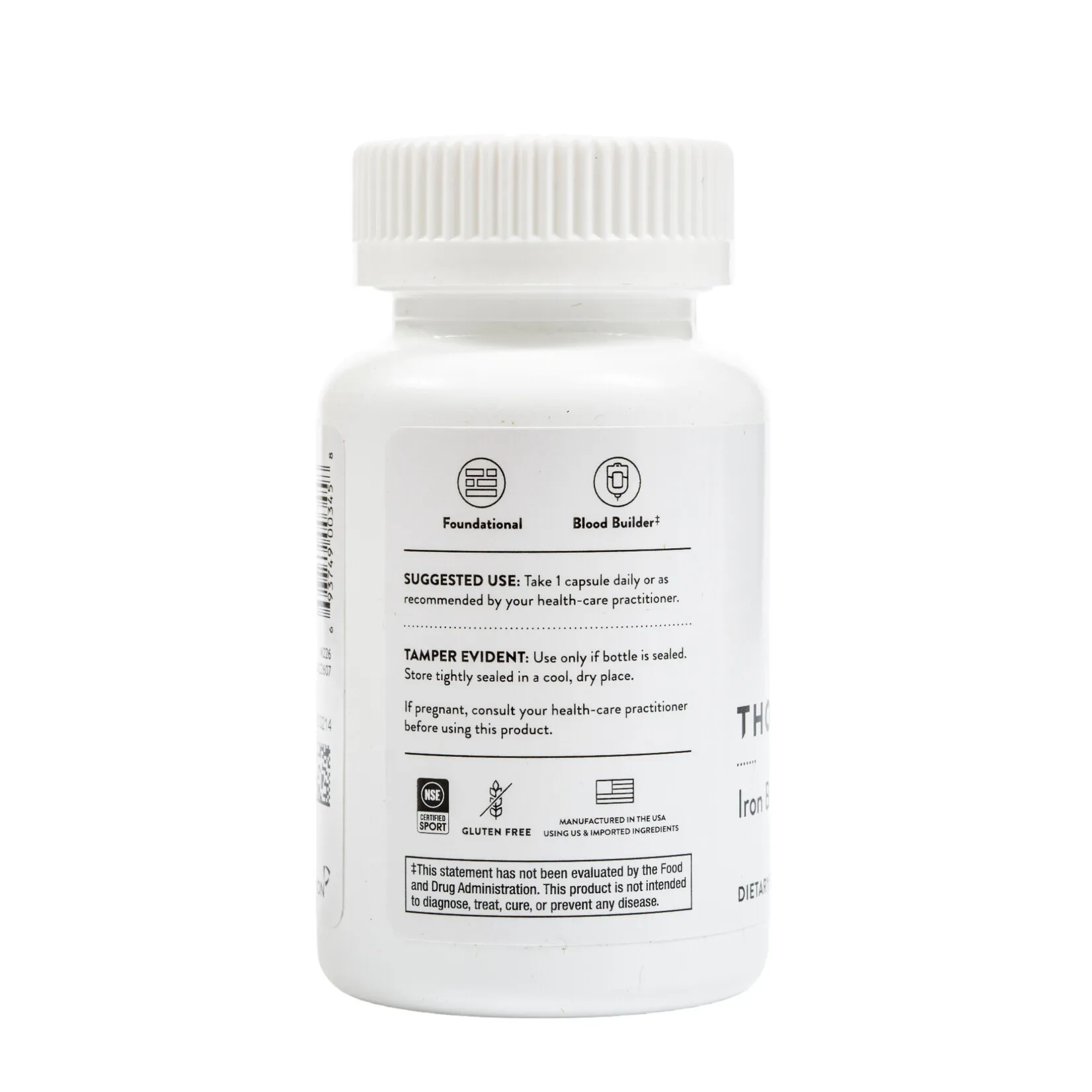
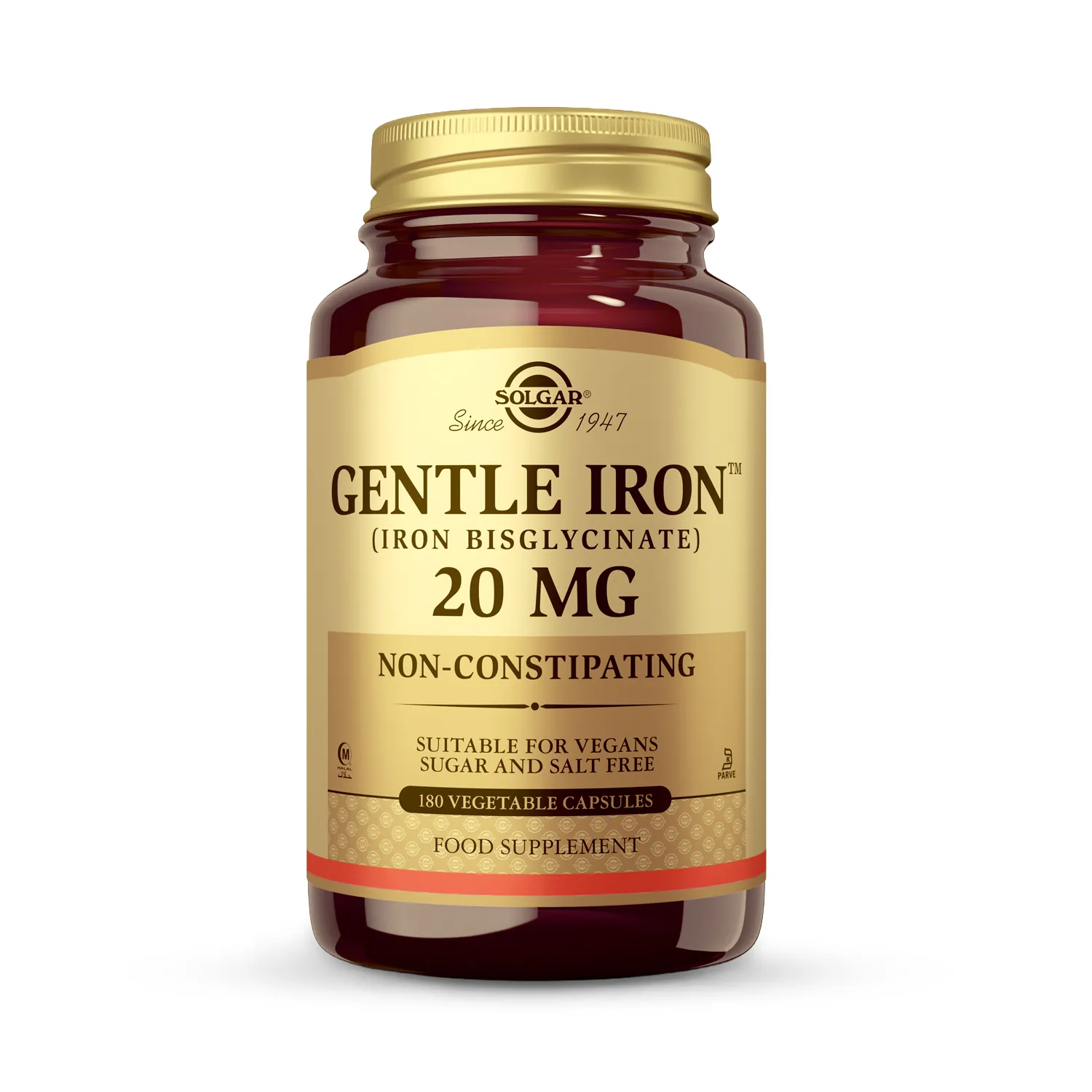
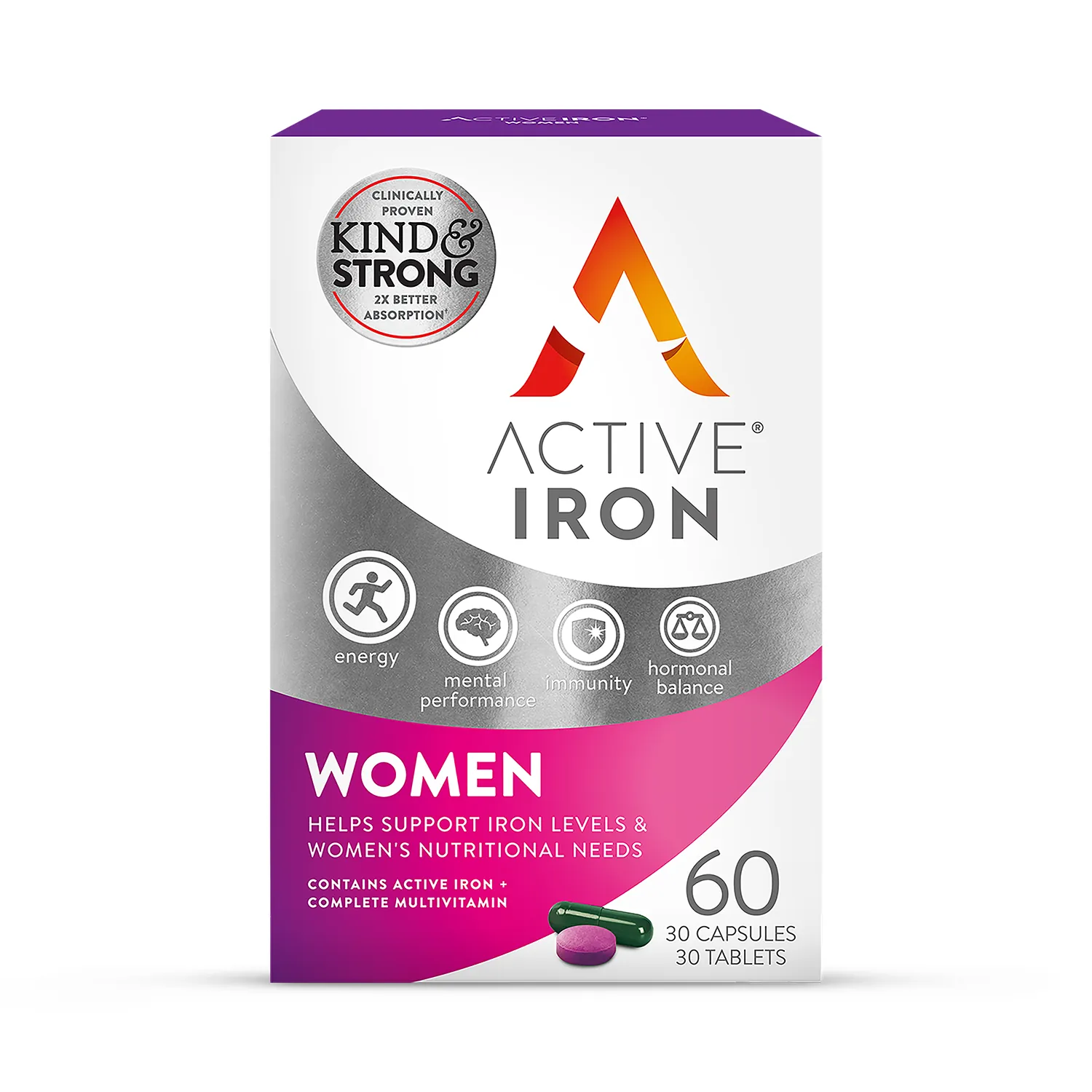
Top Iron Products on AIScored
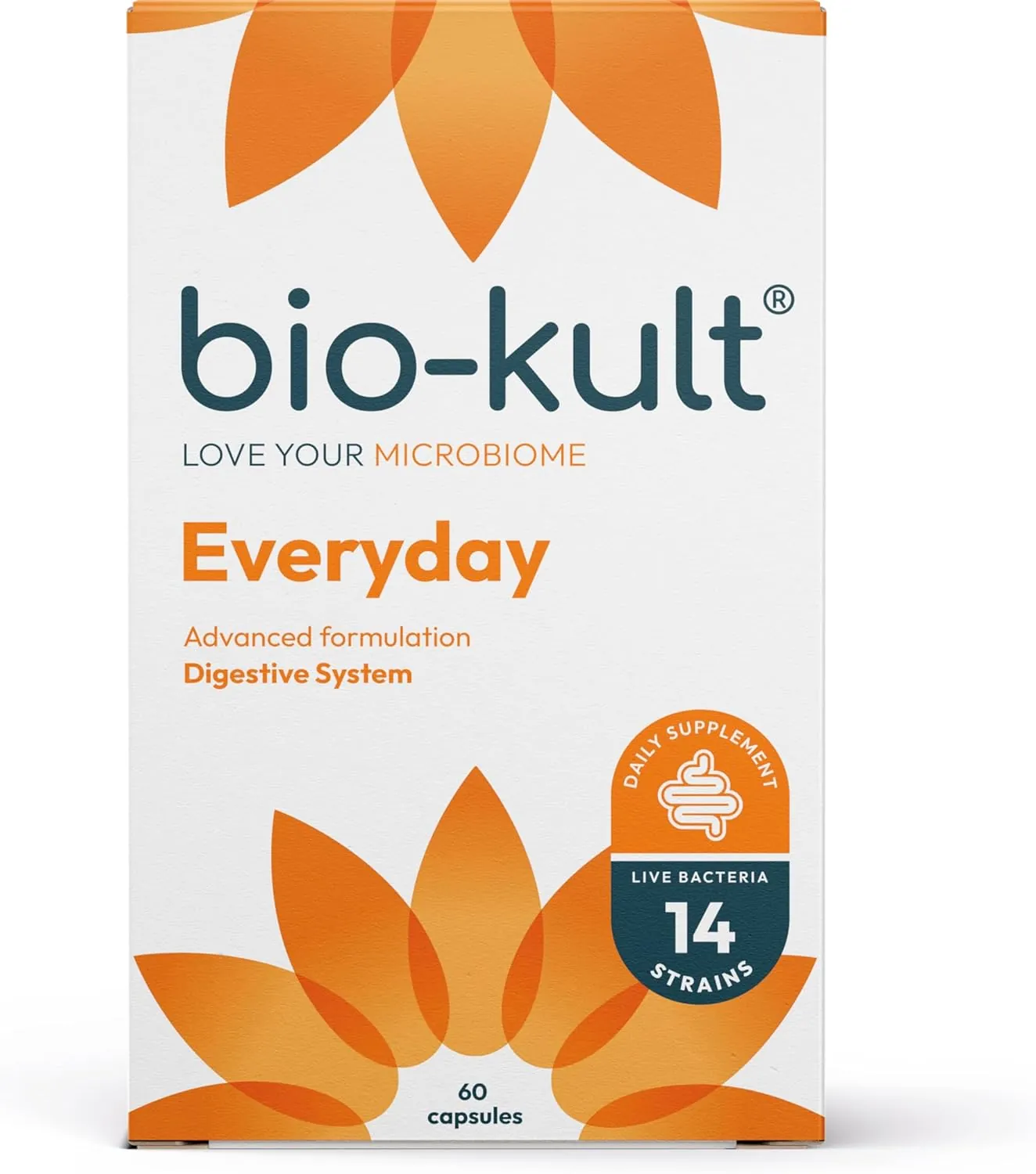
Top Probiotics Products on AIScored

Beauty of Joseon Relief Sun Rice Probiotics SPF 50+ PA++++ Korean Sunscreen sunblock for Face Daily Sunscreen for Men Women Skincare 50ml
Want to check more interactions?
Add these and other supplements to our interactive Stack Analyzer for a full analysis.
Build your full stack →