Important: This page is for informational purposes only, based on published peer-reviewed research and official UK dietary guidelines (NHS, EFSA, SACN). It does not constitute medical advice. Always consult your GP or pharmacist before starting, stopping, or combining supplements.
Iron and Turmeric / Curcumin — Can You Take Them Together?
Overview
Iron is essential for oxygen transport, energy production, and immune function — and is among the minerals most commonly found to be deficient in UK adults, particularly in pre-menopausal women and those following plant-based diets. Turmeric and its bioactive compound curcumin are widely used for anti-inflammatory support. Research suggests, however, that curcumin may bind ferric iron (Fe³⁺) in the gut through a process called chelation, potentially reducing iron availability for absorption. This interaction appears dose-dependent and is most relevant at supplemental rather than culinary levels. Understanding it is particularly important for anyone combining iron supplements with high-dose curcumin extracts simultaneously.
How They Interact
Curcumin contains a beta-diketone structure that enables it to chelate metal ions — particularly ferric iron (Fe³⁺) — forming stable, poorly absorbed curcumin-iron complexes within the gastrointestinal tract. Research by Jiao et al. published in Blood (2009, PMID 18815282) demonstrated that curcumin functions as a biologically active iron chelator in both cell culture and animal models, decreasing ferritin protein levels and upregulating transferrin receptor 1 and iron regulatory proteins — biochemical signatures consistent with intracellular iron depletion. A complementary mechanistic study in Free Radical Biology and Medicine (Jiao et al., 2006, PMID 16545682) confirmed these effects in hepatic cell lines, observing that curcumin-fed mice exhibited measurable declines in hepatic ferritin. This chelation also contributes to curcumin's antioxidant capacity: by sequestering iron, curcumin limits iron-catalysed free radical generation via the Fenton reaction. Critically, evidence indicates this interaction is dose-dependent. At culinary turmeric doses (approximately 0.5 g dried powder), no significant inhibition of non-haem iron absorption was observed in a controlled human trial (Tuntipopipat et al., J Nutr 2006, PMID 17116705). The clinical concern is therefore most relevant when taking concentrated supplemental curcumin extracts alongside iron.
Timing & Dosage Guidance
Research suggests that separating iron supplements from curcumin supplements by at least two to four hours may reduce the risk of chelation-mediated absorption interference. Taking iron first — ideally on an empty stomach or alongside a source of vitamin C to enhance absorption, as noted in NHS guidance on improving iron intake — and curcumin later in the day is one approach discussed in the clinical literature. Notably, a randomised trial by Lorinczova et al. (Nutrients 2021, PMID 34371810) found that the bioavailable HydroCurc™ formulation did not impair iron absorption even when co-administered with ferrous sulphate, suggesting curcumin formulation may influence this interaction. Individuals with diagnosed iron deficiency or low ferritin may benefit from discussing timing strategies with a qualified healthcare professional. Individual responses may vary.
The iron-chelating concern associated with curcumin appears strongly dose-dependent. Culinary turmeric (0.5–1 g dried powder, delivering approximately 20–40 mg curcumin) is unlikely to meaningfully impair iron absorption based on current human evidence. By contrast, supplemental curcumin extracts typically deliver 500–2,000 mg of curcuminoids per day — concentrations far exceeding dietary exposure. A case report in Cureus (2019, PMID 30899609) documented iron deficiency anaemia in a physician consuming approximately 3,228 mg of turmeric daily; iron studies normalised within two weeks of discontinuation whilst maintaining the same iron supplementation regimen. The NHS reference nutrient intake for iron is 8.7 mg/day for adult men and 14.8 mg/day for women aged 19–50. Those with borderline iron status, confirmed deficiency, or increased iron requirements may benefit from a full blood count and iron panel before combining high-dose curcumin supplements with iron. Individual responses may vary.
Recommended Action
Individuals with low iron status may benefit from separating iron supplements from turmeric/curcumin by a few hours.
Iron Timing
When: Morning
Note: Best absorbed on an empty stomach with Vitamin C. Avoid with tea, coffee, calcium, or zinc within 2 hours.
Turmeric / Curcumin Timing
When: Any
Note: Fat-soluble — take with food and fat. Piperine (black pepper extract) increases absorption by up to 2,000%. Avoid within 2 hours of medication.
Scientific Evidence
5 peer-reviewed studies cited. All links lead to PubMed abstracts.
Blood (2009) · PMID: 18815282
Curcumin chelated iron in cell culture and animal models, reducing ferritin levels and activating iron regulatory proteins in a manner consistent with intracellular iron depletion.
Free Radical Biology and Medicine (2006) · PMID: 16545682
Curcumin depleted intracellular iron in hepatic cells and reduced hepatic ferritin in mice fed curcumin-supplemented diets, confirming iron chelation as a key mechanism of curcumin's biological activity.
The Journal of Nutrition (2006) · PMID: 17116705
At culinary doses (0.5 g dried powder), turmeric did not significantly inhibit non-haem iron absorption in healthy young women, whereas chili did, demonstrating that dose is critical to this interaction.
Nutrients (2021) · PMID: 34371810
HydroCurc™, a highly bioavailable curcumin formulation, did not negatively influence acute iron absorption at either 18 mg or 65 mg ferrous sulphate doses in healthy adults.
Cureus (2019) · PMID: 30899609
A case report documented iron deficiency anaemia in a physician taking approximately 3,228 mg turmeric daily, with iron studies normalising within two weeks of discontinuation whilst maintaining the same iron supplementation.
Frequently Asked Questions
Evidence is mixed. A randomised trial (Lorinczova et al., Nutrients 2021) found that a bioavailable curcumin formulation did not impair iron absorption in healthy adults when co-administered. However, for those with iron deficiency or who rely on supplemental iron for adequate status, separating the two by two to four hours remains a reasonable precautionary approach, given that curcumin's iron-chelating properties are well established in mechanistic studies. Individual responses may vary.
Research suggests this is plausible at very high supplemental doses. A case report published in Cureus (2019, PMID 30899609) documented iron deficiency anaemia in an individual taking approximately 3,228 mg of turmeric daily, with iron stores normalising within weeks of discontinuation. Culinary amounts of turmeric do not appear to pose this risk based on current human data. Those with borderline iron levels should exercise particular caution with high-dose turmeric or curcumin supplements and may wish to monitor iron status periodically.
Research suggests it may. Enhanced curcumin delivery systems — such as Meriva (phytosome), Theracurmin, and HydroCurc™ — alter curcumin's behaviour in the gastrointestinal tract. A 2021 randomised trial specifically found that HydroCurc™ did not impair iron absorption when co-administered with ferrous sulphate. Comparative data across all commercial curcumin formulations remains limited, however, and those with iron deficiency should still exercise caution regardless of the formulation used.
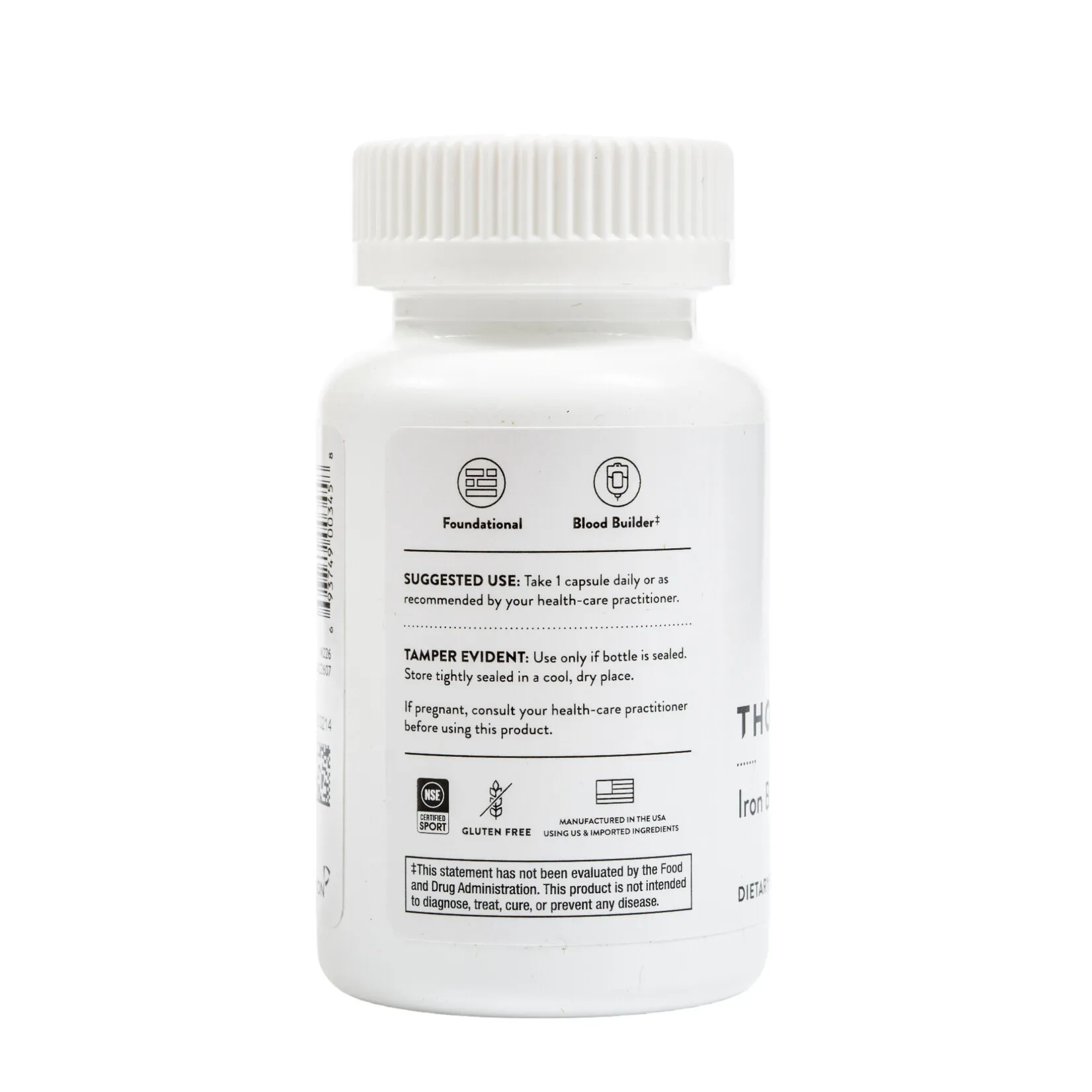
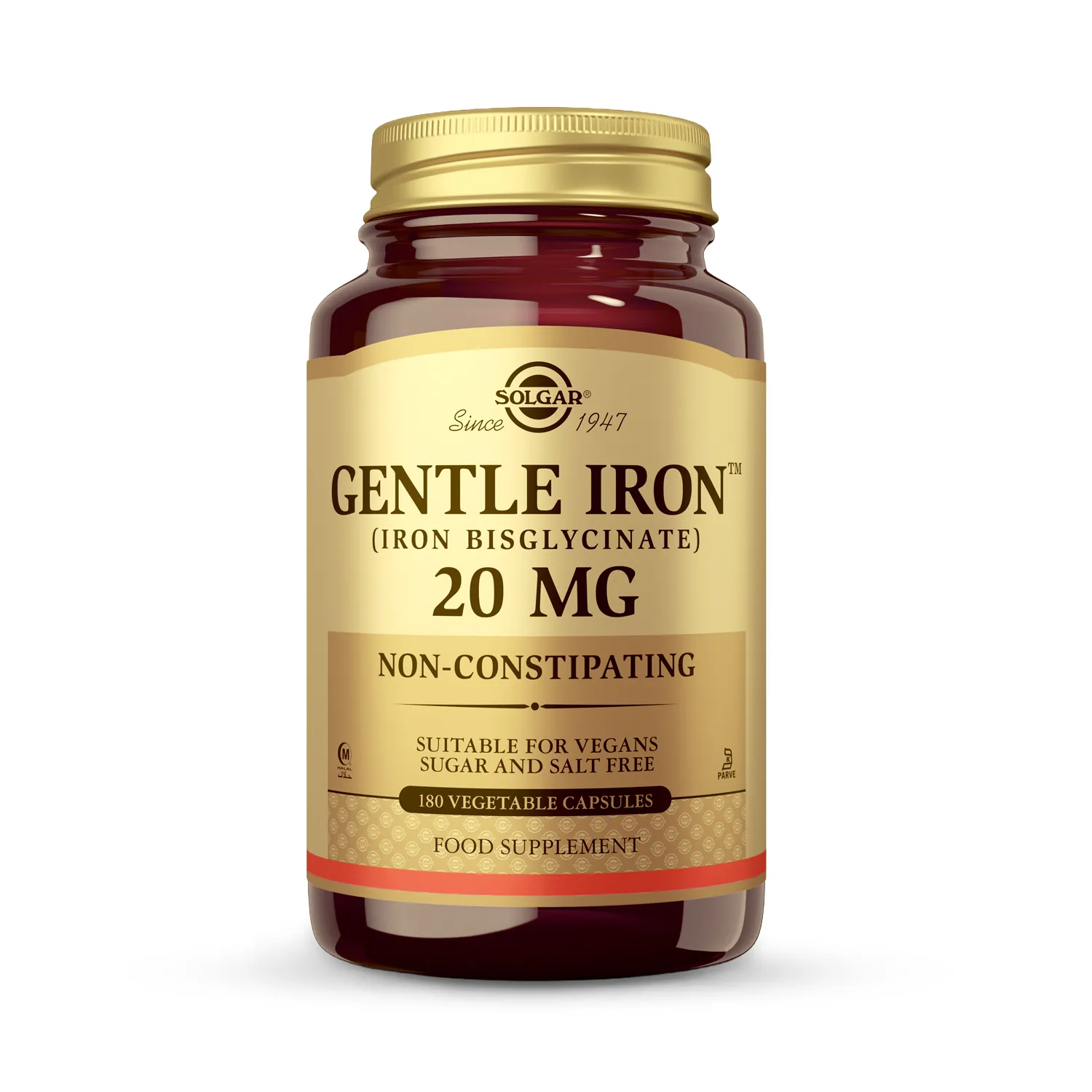
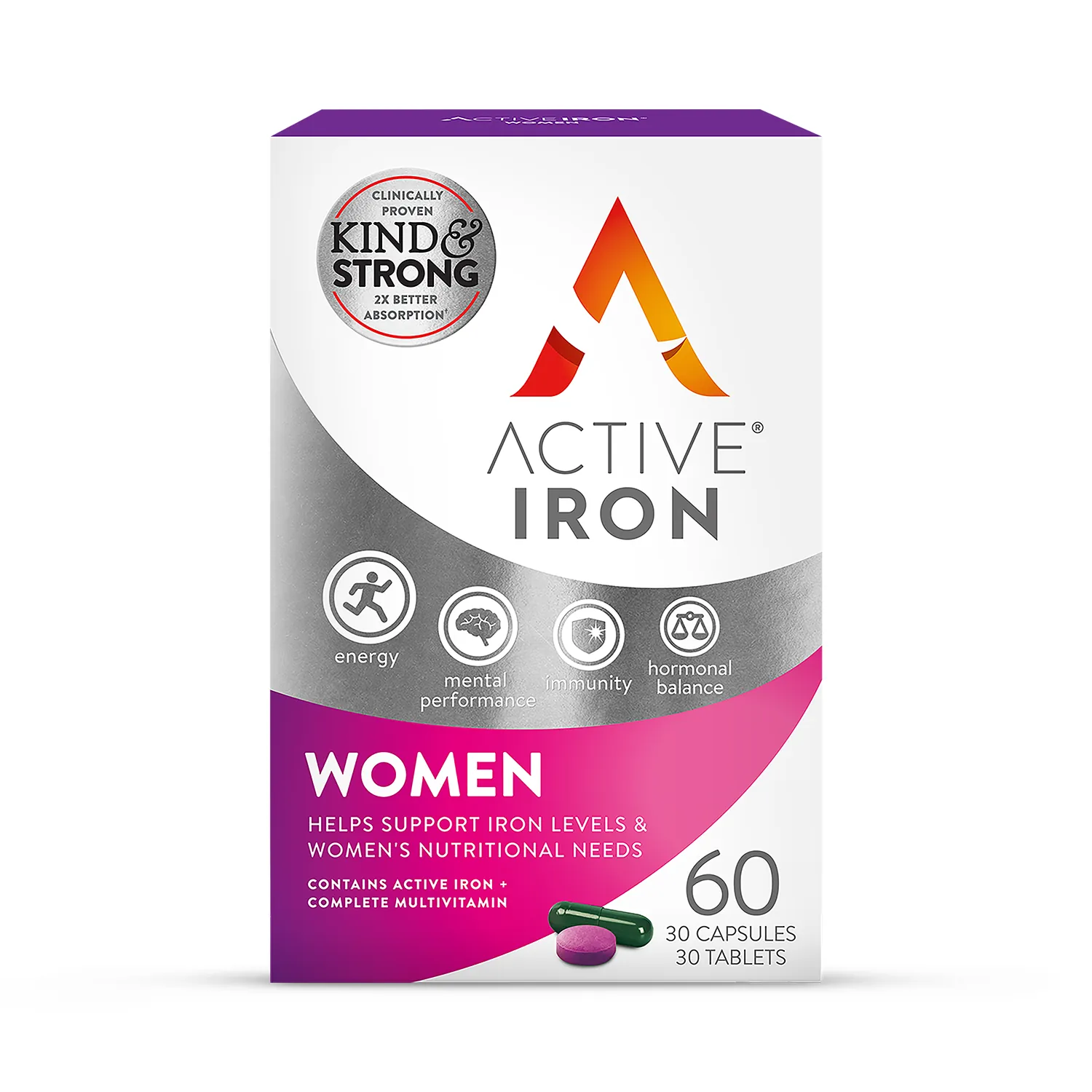
Top Iron Products on AIScored
Top Turmeric / Curcumin Products on AIScored
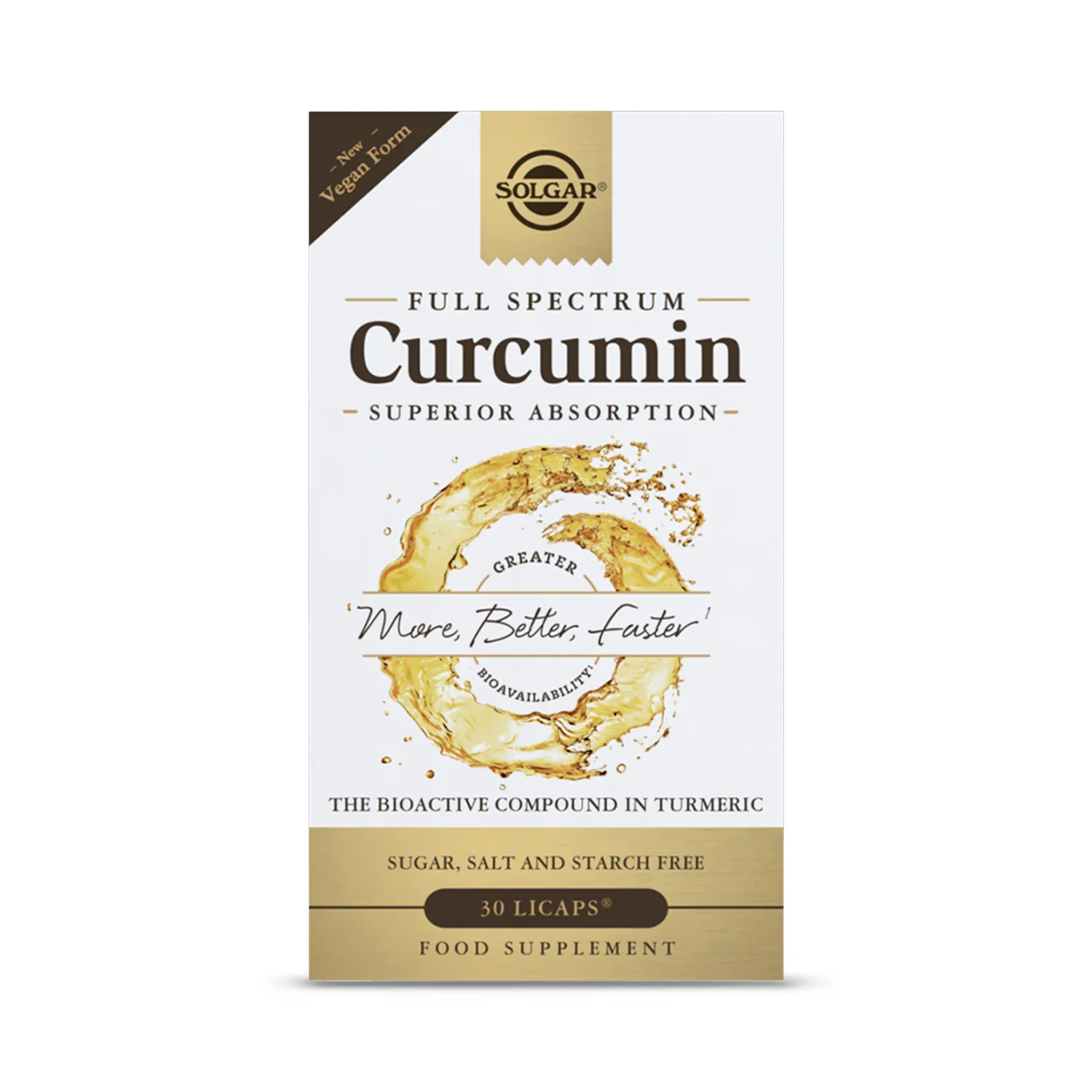
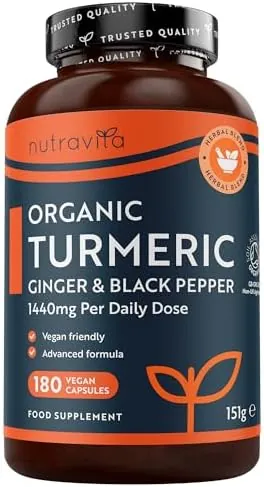
Nutravita Organic Turmeric 1440mg (High Strength) with Black Pepper & Ginger - 180 Vegan Turmeric Capsules (3 Month Supply) – Organic Termeric with Active Ingredient Curcumin - Made in The UK
Want to check more interactions?
Add these and other supplements to our interactive Stack Analyzer for a full analysis.
Build your full stack →